San Sebastian In March
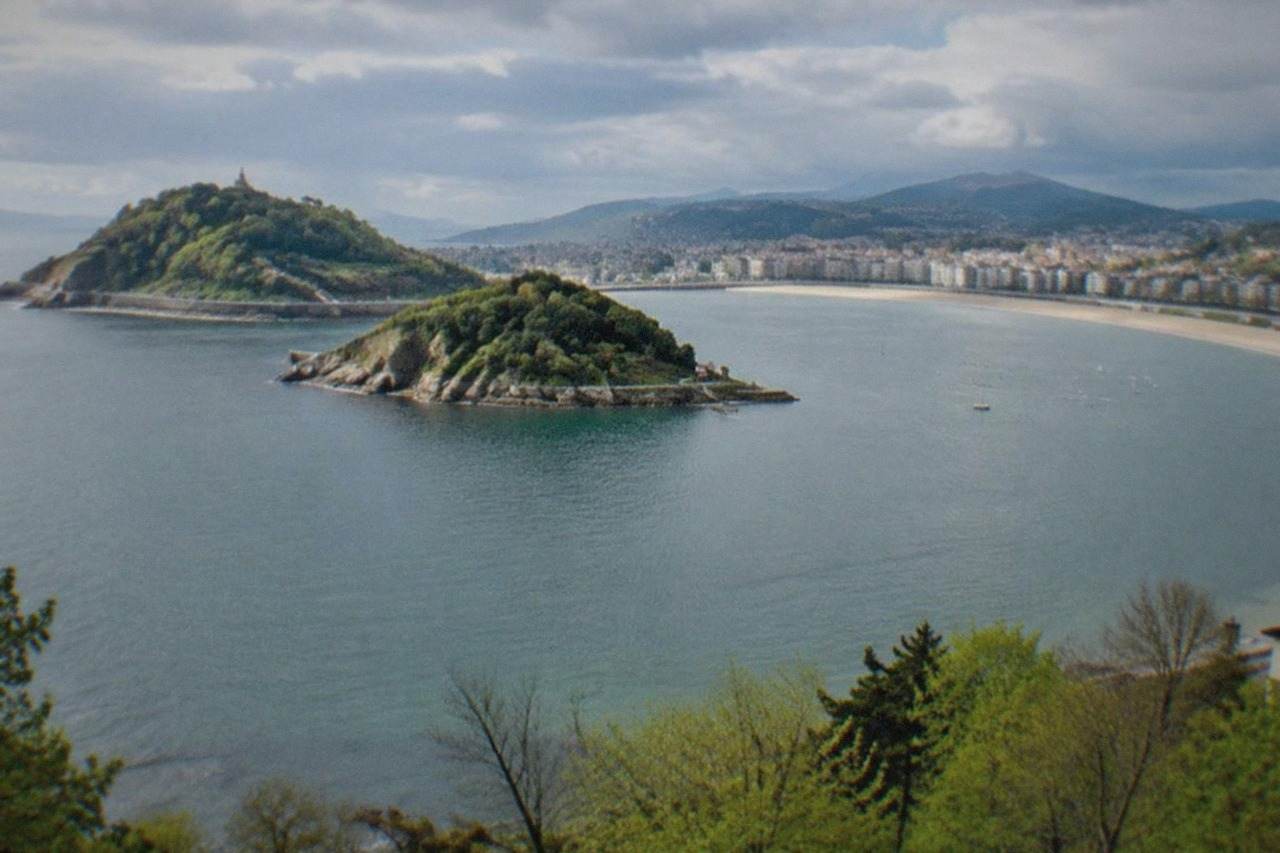
March in San Sebastián, in the Basque Country of Spain, sits between the winter storms and the summer crowds: mild air, green hills, the txotx cider season at full tilt and long empty beaches.
Short answer
March in San Sebastián brings a mean temperature of 10.3 C, about 12 rain days and 144 sun hours, fewer visitors than summer, the txotx cider season at its peak and all the city's museums open on their winter schedules.
San Sebastián, the Basque city on La Concha bay whose official name is Donostia / San Sebastián, enters March still wearing its winter coat. The city sits on the Atlantic coast of Gipuzkoa in northern Spain, and early spring here is a season of green hills, changeable skies and short queues. The summer crowds are months away, the txotx cider season is running at full speed across the province, and the seafront, all 1,350 metres of La Concha, belongs mostly to locals walking their dogs. This guide walks through what AEMET's own weather station records for the month, what is open, what to eat, and how to plan around the rain that makes this coast what it is.
What Is The Weather Like In San Sebastian In March?
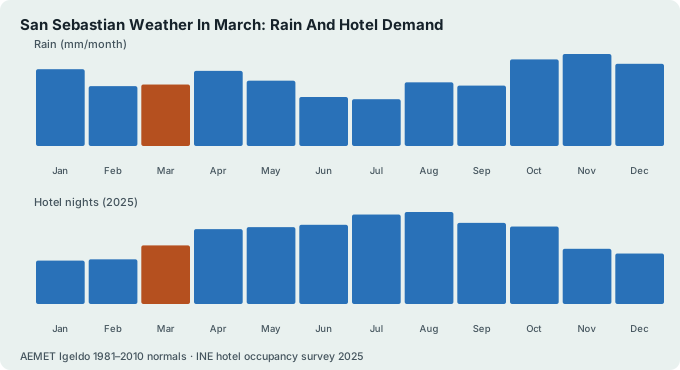
AEMET's climate normals for its Igeldo station, which sits 250 metres up on Monte Igeldo above the city, give March a mean temperature of 10.3 C, a mean daily maximum of 13.4 C, a mean nightly minimum of 7.2 C, 113 mm of rain across 12.4 days with at least 1 mm, and 144 hours of sunshine. The seafront runs slightly warmer than these values, because the station is 250 metres up the hill. March is milder than every winter month but wetter than February.
Those figures come from the 1981 to 2010 normals series that AEMET publishes for the station, and they describe a wet Atlantic city, not a Mediterranean one. No honest guide to this coast promises dry days. The rain total climbs from February's 110 mm to March's 113 mm, and April then rises again to 138 mm, so March sits inside the wettest stretch of the calendar. The 12.4 rain days mean roughly one day in three delivers measurable rain. The compensation is light: 144 sun hours is a clear step up from February's 107 and January's 98, and the days lengthen quickly through the month.
Temperatures tell the same story of a slow spring. A mean maximum of 13.4 C means afternoons that feel pleasant in the sun and brisk in the shade, especially with the wind that funnels along the bay. Nights around 7.2 C call for a real jacket. By comparison, April's mean is 11.3 C and May's is 14.4 C, so March is the first month where sitting outside at a bar terrace stops being an act of optimism.
The table below puts March against its neighbours, straight from the AEMET series for the Igeldo station.
| Month | Mean C | Mean max C | Mean min C | Rain mm | Rain days 1mm+ | Sun hours |
|---|---|---|---|---|---|---|
| January | 8.5 | 11.0 | 5.9 | 141 | 13.2 | 98 |
| February | 8.7 | 11.5 | 5.9 | 110 | 11.6 | 107 |
| March | 10.3 | 13.4 | 7.2 | 113 | 12.4 | 144 |
| April | 11.3 | 14.5 | 8.1 | 138 | 13.4 | 157 |
| May | 14.4 | 17.7 | 11.1 | 120 | 12.2 | 181 |
Is March A Good Time To Visit San Sebastian?
March is a strong month for visitors who want the city's food, museums and coastal walks without the August crowds: INE recorded 156,670 hotel overnight stays in the city in March 2025 against a peak of 245,769 in August, so tables and rooms are far easier. The trade is the weather, with 12.4 rain days in an average March, and the txotx cider season, which the tourism board places from the middle of January to the end of April, is at its height.
The crowd arithmetic comes from INE's hotel occupancy survey for the tourist point Donostia-San Sebastián, which covers hotels only. March 2025's 156,670 overnight stays sit well below every month from April to October, none of which dropped below 200,000 that year. For a visitor, that translates into restaurant tables you can actually book, pintxo bars where you can reach the counter, and a funicular queue measured in minutes rather than in a crowd.
The month's character rewards a certain kind of traveller. Anyone whose holiday depends on lying on sand should wait for summer. Anyone who wants to eat seriously, walk the hills between showers and see the city's museums at their winter pace will find March generous. The best time to visit depends on which of those visitors you are, and March suits the second kind almost perfectly.
One more planning note: the Gipuzkoa tourist tax approved under Norma Foral 3/2026 does not take effect until 1 January 2027, and no visitor pays it before that date. A March trip in the meantime carries no tourist tax charge.
What To Do In San Sebastian In March?
The core March plan is the city's indoor and covered life: the Old Town's pintxo bars, San Telmo Museoa, which is open Tuesday to Sunday and free for everyone every Tuesday, the Monte Igueldo funicular, which runs every 15 minutes and includes the grounds in the ticket, and the coastal walk to the Peine del Viento, which costs nothing. Monte Urgull stays open until 19:30 in March, and the Camino de Santiago's coastal route crosses the city on foot between Pasaia and Orio.
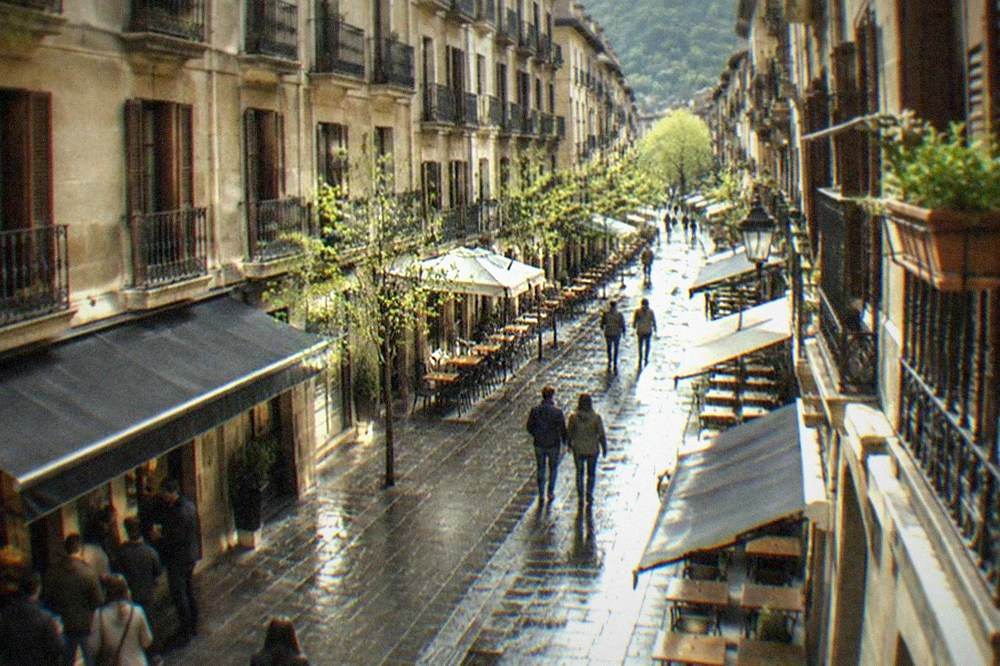
Start with the Old Town, the Parte Vieja, because it is the part of the city that works in any weather. Its bars run all afternoon and evening, and a guided walk is the fastest way to learn which door hides which speciality. The Parte Vieja and the wider question of what are pintxos both have their own guides on this site, but the short version is that March's thinner crowds mean you can stand at a counter, ask questions and move at your own pace rather than being carried along by a current of people.
San Telmo Museoa, in a former convent against the Urgull hillside, runs its winter hours in March: 10:00 to 19:00, Tuesday to Sunday, general admission 10.00 EUR and a reduced ticket of 4.00 EUR for students, visitors over 65 and large families, with free entry for everyone every Tuesday and free entry for under 25s on any open day. Closed Mondays, except holidays and long weekends.
Monte Igueldo's funicular, running since 25 August 1912, carries visitors up the hill every 15 minutes, on the hour, quarter past, half past and quarter to, with more frequent service when it is busy. The funicular's own site lists a return adult ticket at 5.50 EUR and a child ticket at 2.50 EUR for children up to 7 years, and the ticket includes entry to the grounds. One detail the site states plainly: tickets for the downhill journey alone are not on sale, so the plan of walking up and riding down does not work here. Rides also close on rainy days, which in March matters.
Monte Urgull, the hill between the Old Town and the sea, keeps its winter access hours in March: 08:00 to 19:30, the schedule that runs from 1 October to 30 April. The hill is closed at night. The walk up to the Castillo de la Mota costs nothing and gives the fullest view of the bay, and on a clear March afternoon the light is at its sharpest.
If the Old Town walk is the one booking this month shapes itself around, it is worth making early. March's small groups fill slowly, but the best English-language departures still go first, and a morning walk leaves the whole afternoon free for a museum or a hill.
Where To Eat In San Sebastian In March?
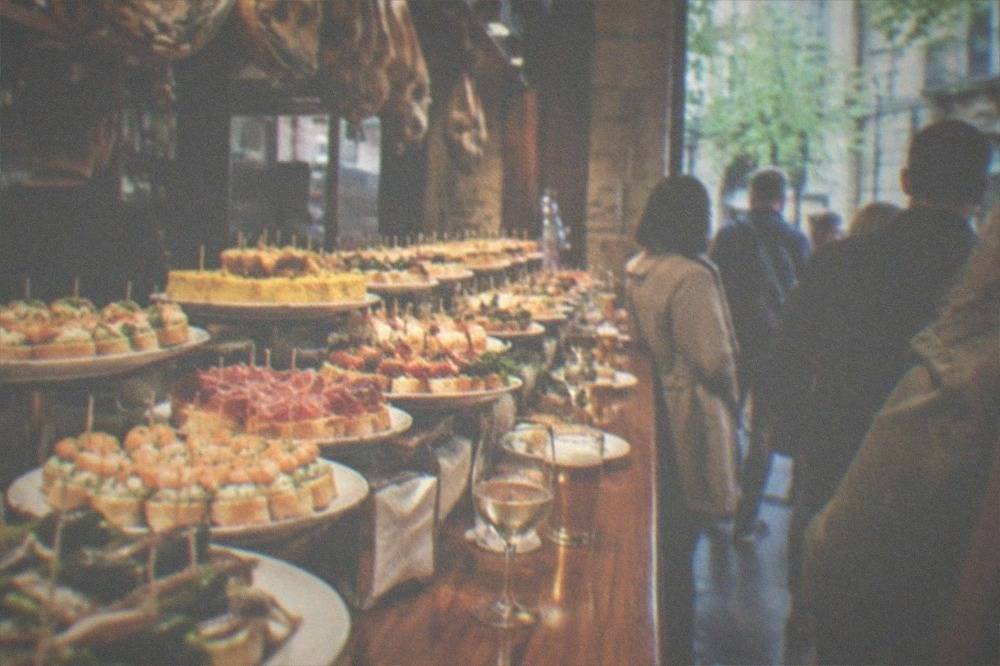
March eating means pintxo bars in the Old Town and Centro, the txotx cider season in the cider houses of Gipuzkoa, which the tourism board places from the middle of January to the end of April, and a Michelin-starred scene that the MICHELIN Guide Spain 2026 counts at 11 stars across 6 restaurants inside the city. The cider ritual, txotx, involves standing in a cellar while cider is poured from chest-high barrels straight into your glass, and March is squarely inside its season.
The pintxo crawl is the default evening. The city's bars cluster in the Parte Vieja and around the Boulevard, and March's smaller crowds make a multi-bar evening easy to run without reservations for the first stops. A shared tour led by a local is one way in: the operator's listing describes drinks and tapas included, led by someone who lives here. For eating alone, the site's guides to pintxos in San Sebastian and the best pintxo bars go bar by bar.
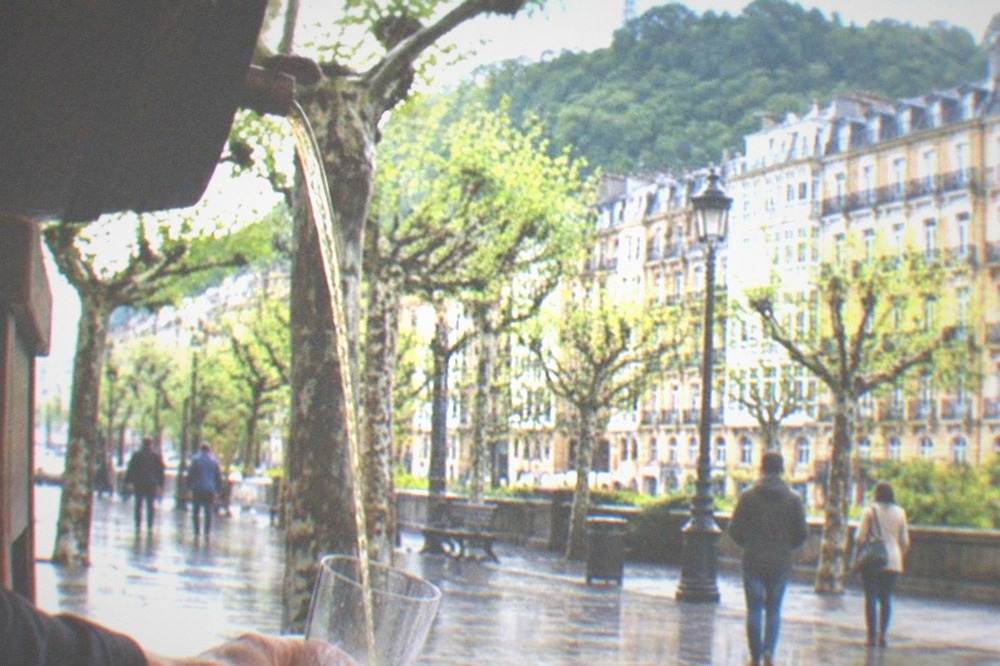
The cider houses are the seasonal headline. The txotx season's rule, as the tourism board words it, runs from the middle of January to the end of April, and the houses named for the ritual sit in and around Astigarraga, a separate municipality a short ride from the city. A traditional cider house visit built around the ritual, with the orchard, the cellar, the txotx pour and lunch, is sold as a tour with city pickup, and the operator runs it under the Gipuzkoa cider house association's umbrella. The site's cider houses guide covers the ritual in detail.
For the top end, the MICHELIN Guide Spain 2026 lists 6 restaurants holding 11 stars inside the municipality, with Akelaŕe and Arzak both carrying three stars at San Sebastián addresses. The province of Gipuzkoa holds 19 stars across 11 restaurants in the same edition, but Martín Berasategui's three stars sit in Lasarte-Oria, a separate municipality, and Mugaritz's two sit in Errenteria. The site's Michelin restaurants guide sorts the whole list.
| Where | What March offers | Booking pressure |
|---|---|---|
| Old Town pintxo bars | Full bar list, no seasonality | Low, walk-in mostly works |
| Cider houses (Astigarraga area) | Txotx season at its height, mid-January to end April | Moderate, weekends fill |
| San Sebastián Michelin-starred rooms | 11 stars across 6 restaurants in the city, 2026 edition | High, book well ahead |
| Mercado de la Bretxa and Centro | Normal hours, morning shopping | Low |
| Cheesecake at La Viña | The original burnt Basque cheesecake, served all year | Low, table usually quick |
Can You Swim Or Surf In San Sebastian In March?
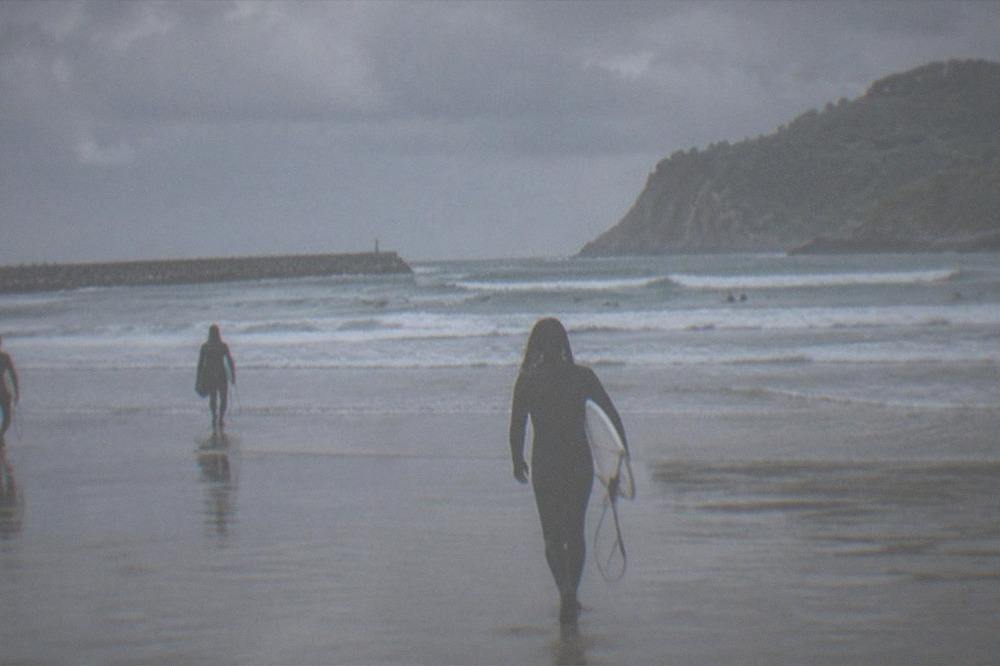
Swimming in the sea in March is a minority activity: the beaches' lifeguard service does not start until 1 June, the water is Atlantic-winter cold, and the council's beach pages describe La Concha as sandy and shallow with the tide often limiting usable area. Surfing at Zurriola, which the council describes as sandy, fairly open and exposed to strong swell, does run through the winter, and surf schools operate on the Gros side of the river all year.
The lifeguard season rule applies to all three beaches, La Concha, Ondarreta and Zurriola: the service runs 1 June to 30 September, with hours of 10:00 to 20:00 from 15 June to 15 September. In March there are no lifeguards, no parasol hire and no assisted bathing service, all of which are summer operations. Anyone entering the water does so on their own judgment.
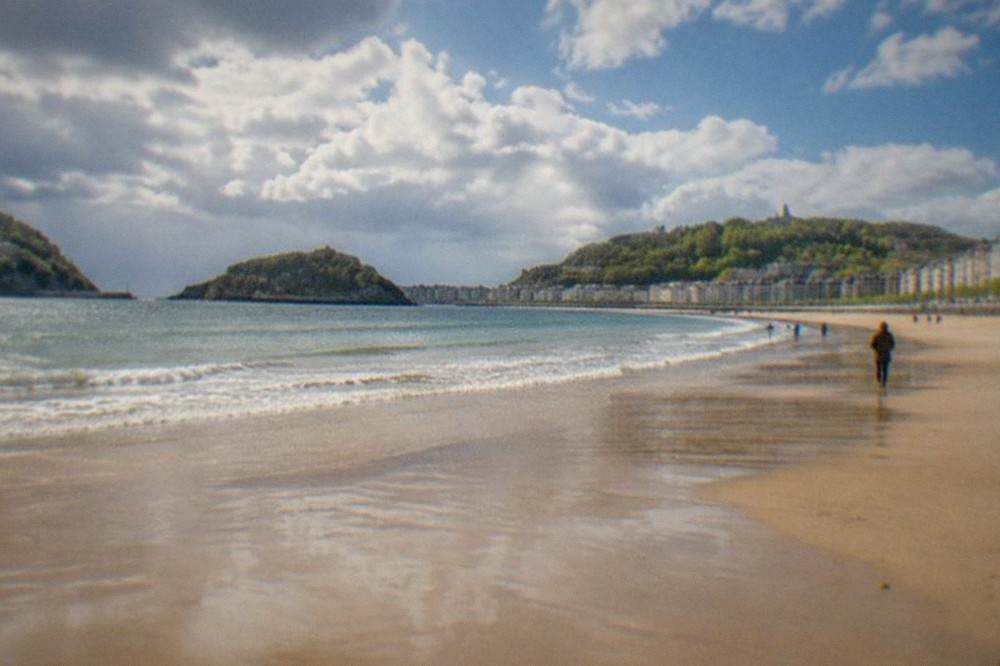
That said, the beaches in March have a different use entirely: walking. La Concha's 1,350 metres, Ondarreta's 600 and Zurriola's 800 are all firm, empty and free, and the walk from Ondarreta's west end to the Peine del Viento, Eduardo Chillida's three steel sculptures anchored to the rocks, more than nine tonnes each, created in 1977 and given to the city, is a standard March circuit. The pink granite plaza around the sculptures is by the Basque architect Luis Peña Ganchegui. The site's La Concha beach and San Sebastian beaches guides carry the full detail.
Surf is the one water activity that genuinely belongs to the colder months. Zurriola's strong swell makes it the surf beach, and the council's remodel of 1994 shaped the strand that surf schools use today. A combined lesson and pintxo tour runs from Gros with board, wetsuit, locker and hot shower included, followed by pintxos and drinks, which is a tidy March day: exercise, warmth and food in one booking. The surfing in San Sebastian guide covers the scene.
What Day Trips Work From San Sebastian In March?
The best March day trips are Chillida Leku in Hernani, open every day except Tuesday and Wednesday with adult admission at 14 EUR, the fishing town of Getaria with its txakoli wineries and the Cristóbal Balenciaga Museoa at 14 EUR, and the French Basque Country at Biarritz and Saint-Jean-de-Luz. The txotx season also makes the Astigarraga cider houses a half-day trip, and the Camino de Santiago's coastal route crosses the city on the Pasaia to Orio stages.
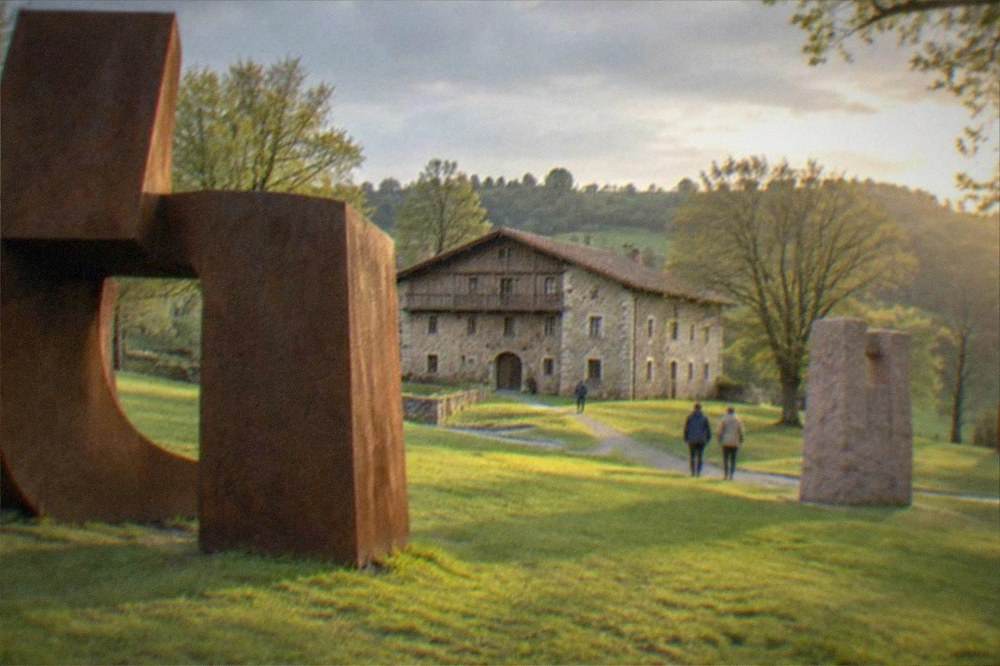
Chillida Leku is the easiest good answer. The sculpture museum sits outside the city in Hernani, a separate municipality, in a restored farmhouse surrounded by beech woods where Eduardo Chillida's large-scale works stand in the open. The venue's own practical page gives adults 14 EUR, 10 EUR for groups of 10 or more, students and over 65s, 7 EUR for under 18s and free entry for children up to 8, and it is open every day 10:00 to 19:00 except Tuesday and Wednesday. March weather suits it: the woods are green, and the indoor Hilvagon pavilion covers a wet hour. A guided visit of the museum is sold as a tour from the city, and free parking on site makes a self-driven visit simple too.
Getaria, on the coast west of the city, pairs the Balenciaga museum, 14 EUR for the collection plus temporary shows and open Tuesday to Sunday on its April-to-October schedule, with the txakoli wineries on the slopes above the town. A small-group half-day tour to Getaria for txakoli with hotel pickup is sold from the city, and the Getaria guide covers the town. Txakoli, the local white wine, has its own guide on this site.
Across the border, a coach day to Biarritz, Bayonne and Saint-Jean-de-Luz runs from the city, and a shorter minibus day covers Biarritz and Bayonne. The French Basque coast in March is quiet and green, and the border is a formality inside the Schengen area, which counts 29 countries including Spain and France. The French Basque Country guide sorts the options.
| Day trip | What it is | March fit |
|---|---|---|
| Chillida Leku, Hernani | Chillida's outdoor sculpture museum, 14 EUR adults, closed Tue and Wed | Excellent, green season, indoor pavilion |
| Getaria and txakoli country | Fishing town, Balenciaga Museoa 14 EUR, wineries above the town | Excellent, wineries open |
| Astigarraga cider houses | Txotx ritual and cider house meal, season mid-January to end April | Peak season |
| Biarritz, Bayonne, Saint-Jean-de-Luz | Coach day across the French border | Good, towns quiet |
| Hondarribia and Pasaia | Half-day to the port towns east of the city | Good, mostly outdoor |
| Camino de Santiago coastal stages | Pasaia to Donostia, then Donostia to Orio, on foot | Good between showers |
What Should You Pack For San Sebastian In March?
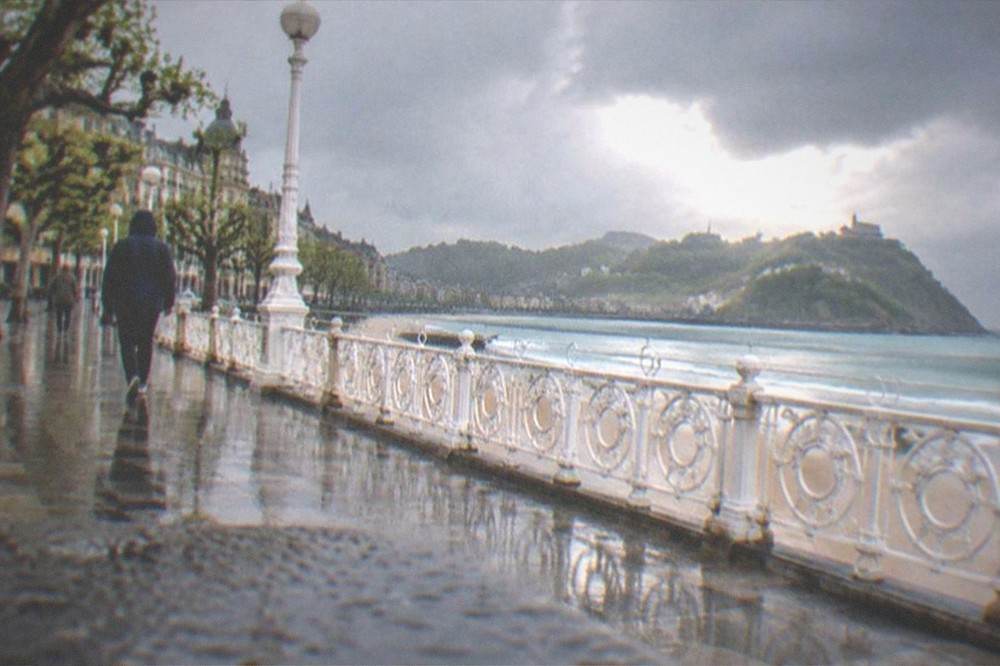
Pack for a mean maximum of 13.4 C and 12.4 rain days: a proper waterproof layer rather than an umbrella, since the wind along the bay breaks umbrellas, a warm jacket for evenings around a mean minimum of 7.2 C, and shoes with grip for wet cobbles and hill paths. Layers work better than a single heavy coat, because a sunny March afternoon on the sheltered side of a street can feel two seasons warmer than the seafront.
The rain deserves respect. AEMET's Igeldo series gives the year 1,507 mm of rain over 141 days, and March's 113 mm is close to the monthly average, so a hooded shell or a good raincoat earns its place every day of a week's stay. The hills, Urgull, Igueldo and Ulia, are where the weather changes fastest, and the funicular's own FAQ notes rides close on rainy days, so the waterproof matters for the plan, not just the comfort.
Footwear is the second decision. The Old Town's cobbles are polished and slick in rain, and the coastal path to the Peine del Viento runs over wet granite. Something with a treaded sole turns a nervous walk into an easy one. Locals dress for weather over style, and the city's dress code is forgiving everywhere except the Michelin rooms, where the best restaurants and the starred houses expect a step up.
How Many Days Do You Need In San Sebastian In March?
Three days is the comfortable minimum for March, which is enough for the Old Town and pintxos, one museum, one hill and one cider house or coastal half-day, while four or five days let you add a full day trip, such as Chillida Leku plus Getaria, and a slower eating schedule. INE's March figures show the city far below its summer occupancy, so the constraint is weather and opening days, not crowds: plan around Monday museum closures and the funicular's rain closures.
The shape of a March stay differs from a summer one. San Telmo and Tabakalera both close on Mondays, Tabakalera being free to enter and open Tuesday to Sunday until 21:00, so a Monday arrival should be an eating and walking day rather than a museum day. The beaches carry no lifeguards and no hire services, so time that would go to sand goes instead to Urgull, the Peine del Viento and the Gros side's café life. The site's how many days in San Sebastian guide builds full itineraries, and the three days in San Sebastián plan adapts well to March by swapping a beach afternoon for a cider house lunch.
A sample three-day March frame: day one, the Old Town, a guided walk and a pintxo evening; day two, San Telmo in the morning, Urgull after lunch and the Peine del Viento before the light goes; day three, a cider house or Chillida Leku half-day and a final crawl. Each day keeps one indoor option in reserve, which is the real March skill.
| Day | Morning | Afternoon | Evening |
|---|---|---|---|
| One | Arrive, coffee in Centro | Guided Old Town walk | Pintxo crawl, Parte Vieja |
| Two | San Telmo Museoa, free on Tuesdays | Monte Urgull to the Castillo de la Mota | Dinner in Centro |
| Three | Cider house in Astigarraga country, txotx season | Chillida Leku in Hernani or the Peine del Viento walk | La Viña cheesecake |
| Four (optional) | Getaria and txakoli, or Biarritz across the border | Return, Gros and Zurriola walk | Final crawl |
Common Questions About San Sebastian In March
Is March rainy in San Sebastian?
Yes. AEMET's Igeldo station averages 113 mm of rain across 12.4 days in March, and the city records 1,507 mm over 141 rain days across the year, so a waterproof layer is standard kit.
Is San Sebastian warm in March?
Mild rather than warm. The mean temperature is 10.3 C, with a mean daily maximum of 13.4 C and a mean nightly minimum of 7.2 C, and the seafront runs slightly warmer than the hilltop station's figures.
Can you swim at La Concha in March?
You can enter the water at your own risk, but the lifeguard service on all three city beaches runs only from 1 June to 30 September, and no parasol or lounger hire operates in March.
Is the Monte Igueldo funicular open in March?
The funicular runs every 15 minutes and a return adult ticket at 5.50 EUR includes entry to the grounds, but the operator states that rides close on rainy days and that downhill-only tickets are not sold.
Is the cider house season on in March?
Yes. The tourism board places the txotx season from the middle of January to the end of April, so March sits at the heart of it, with cider houses in and around Astigarraga serving the ritual and the meal.
Are museums open in San Sebastian in March?
Mostly, on winter schedules. San Telmo Museoa is open Tuesday to Sunday, 10:00 to 19:00, closed Mondays, and free for everyone every Tuesday. Tabakalera is free and open Tuesday to Sunday until 21:00, also closed Mondays. Chillida Leku, outside the city, is closed Tuesdays and Wednesdays.
March gives San Sebastián to you at half volume: the same bars, the same bay, the same hills, with room to breathe between them. Bring the raincoat, book the cider house, keep Monday for eating, and the month does the rest. For everything the city offers across the calendar, see the full rundown of things to do in San Sebastian, and let San Sebastian Spain Guide handle the planning.