San Sebastian History: Sieges, Belle Epoque And The 1813 Fire
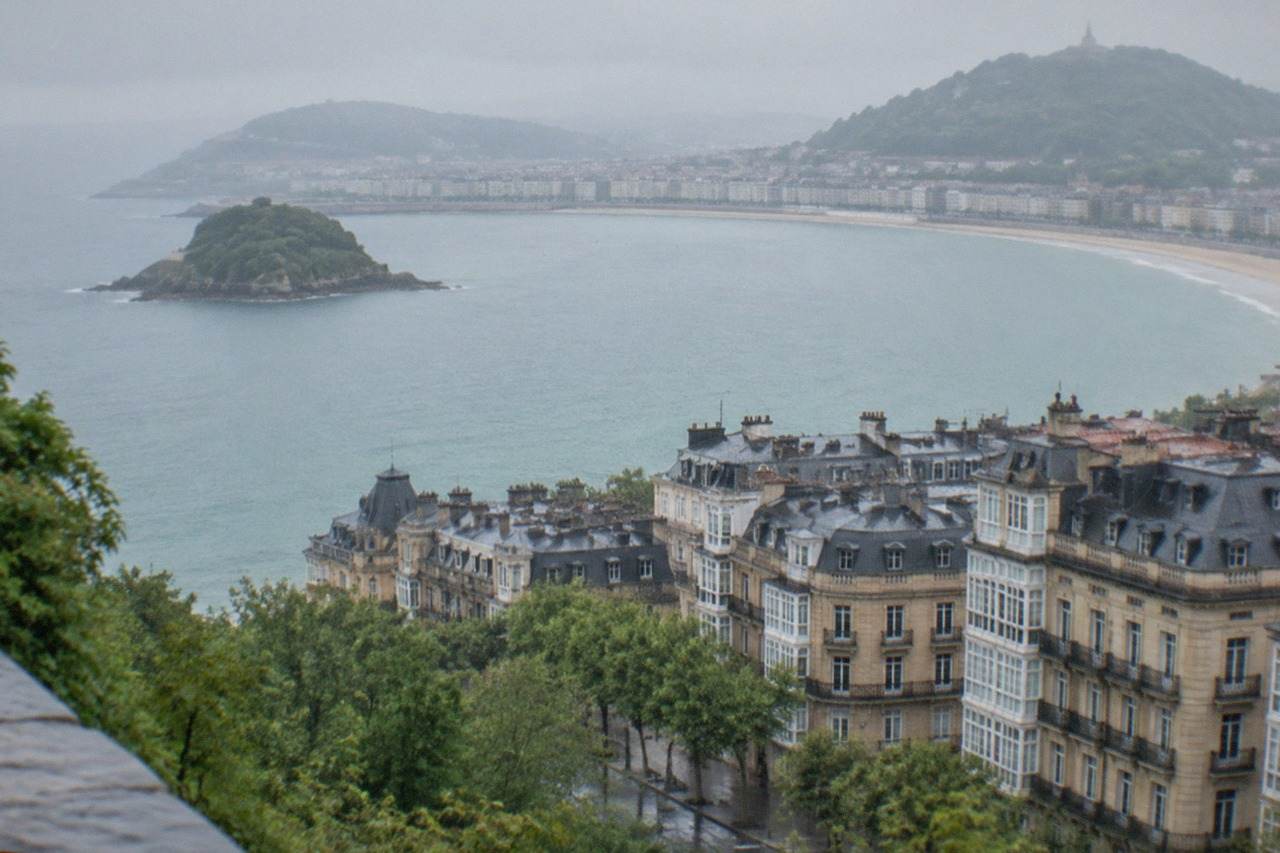
San Sebastián, in the Basque Country of Spain, is a city whose look dates almost entirely to one century: a fire destroyed the old town in 1813, and the Belle Epoque resort that rose afterwards still defines the seafront today.
Short answer
San Sebastián, officially Donostia / San Sebastián in Gipuzkoa, Spain, lost its old town to the fire of 1813 and was rebuilt as a Belle Epoque royal resort, with the Miramar Palace of 1893 and the funicular of 1912 still standing from that era. Its official dual name was fixed by a 2012 provincial order, and its modern fame rests on festivals, beaches and one of the densest concentrations of Michelin stars in Spain.
San Sebastián, in the Basque Country of Spain, carries its history on its face. The city on La Concha bay, whose official municipal name is Donostia / San Sebastián, is a Belle Epoque resort built on the ashes of an older town: a fire in 1813 destroyed the core of the place, and almost everything a visitor admires today, the white balconied seafront, the Miramar Palace grounds, the funicular climbing Monte Igueldo, belongs to the resort century that followed. The official name itself is a modern settlement: the Orden Foral of 27 July 2012 fixed the current dual form, so that either Donostia or San Sebastián can be used alone depending on the language. This page walks through that story, from the regattas of the 19th century to the Michelin stars of the 2026 guide, using only what official sources state.
What Is The History Of San Sebastian?
The history of San Sebastián, the Basque city on La Concha bay in Gipuzkoa, Spain, is the story of a town destroyed by fire in 1813 and rebuilt as a royal Belle Epoque resort, whose seafront and palaces went up in that era and whose Monte Igueldo funicular opened on 25 August 1912. The first La Concha regatta was held in 1879, and the official dual name, Donostia / San Sebastián, was fixed by a Gipuzkoa order of 2012.
Its modern identity adds festivals, beaches and a dense concentration of Michelin stars.
That summary is the shape of the rest of this page. The city the visitor sees is young in stone and old in custom. The buildings along the bay are resort architecture, built for a court and a summer crowd, while the customs that fill the calendar, drumming on 20 January, cider poured straight from the barrel, boats racing for the flag in September, are far older than the facades around them. The 1813 fire is the hinge: whatever the town was before, almost none of it survives in the built fabric a visitor walks through today.
The name is its own piece of history. The municipal register counted 189,866 residents at 1 January 2025, and the official name of the municipality, published in the Boletín Oficial del Estado after the council plenary agreement of 30 May 2012, is "Donostia / San Sebastián", slash with spaces, with either form usable alone. The San Sebastian Spain Guide covers the name question in detail on the page Donostia Or San Sebastian: Which Name To Use.
For a sense of where the city sits in its region, and how close it is to the French border, see Where Is San Sebastian?.
Why Does The City Look Like A Belle Epoque Resort?
Because it is one. The fire of 1813 cleared the old town, and the city that replaced it was built as a summer resort for the Spanish court and the European fashionable crowd of the late 19th century. The Miramar Palace, built in 1893 at the request of Queen María Cristina to a design by the English architect Selden Wornum, is the emblem of that period, and the Monte Igueldo funicular of 1912 carried the same summer public up the hill.
The Miramar Palace page of the official tourism board gives the essentials: an English country house style, designed by Selden Wornum and built by José Goikoa, with gardens running down to the sea. The palace and its grounds sit between the two main beaches, and the lawns above Ondarreta are still the most visible piece of the resort century. The interior is not part of this page's record, and a visitor should treat the building from outside, as the backdrop it was designed to be.
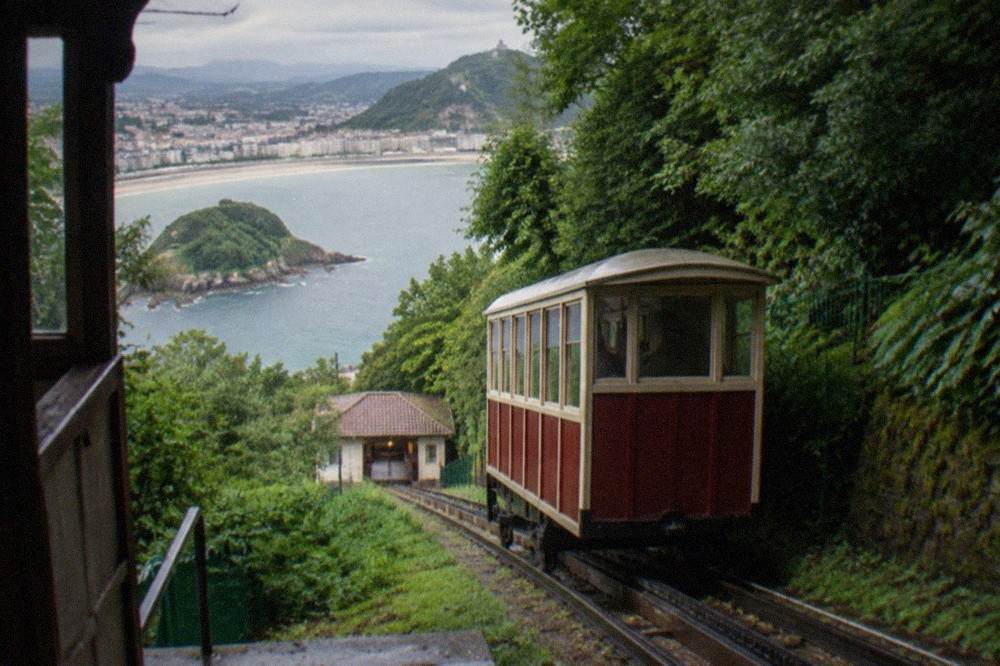
The funicular is the other great survivor. It opened on 25 August 1912, and the tourism board calls it the oldest funicular in the Basque Country, a rack funicular with wooden cars. Its own site lists a return adult fare of 5.50 EUR and states that the funicular ticket includes entry to the grounds, and its home page carries a notice worth reading before any visit: tickets for the downhill journey alone are not on sale, so the walk-up-and-ride-down plan does not work here. The Monte Igueldo guide covers the practical details.
The seafront promenade, the bandstand and the two grand hotels facing La Concha all belong to the same story. The city was a place the court came to, and the architecture was built to face the water. That is why the bay, not a plaza, is the centre of the city, and why so much of what a visitor does here still happens on the sand and the promenade. The guide to La Concha beach covers the council's own figures for it: a mean length of 1,350 metres, with the tide often limiting the usable area.
The best way to see a lot of this resort geography in a short time is on two wheels, and the e-bike history ride below follows the city's bike trails out to the beaches with the story told as it goes.
Which Landmarks Mark The City's Timeline?
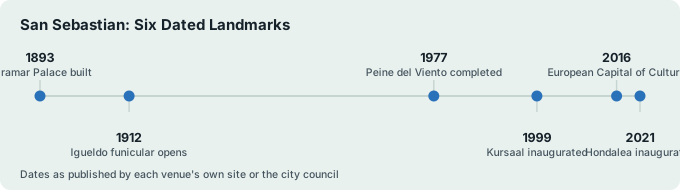
The city's landmarks line up as a timeline of its modern era: the first La Concha regatta in 1879, the Miramar Palace of 1893, the funicular of 1912, the Peine del Viento sculptures of 1977, and the Kursaal congress centre, whose design was chosen in 1990 and which was inaugurated on 23 August 1999. Each one is documented by its own operator or by the tourism board, and each marks a distinct chapter of the city's history.
The table below gathers the dates this site's record carries, each attached to the landmark it belongs to. Nothing in it is filled in from memory, and where the record is silent on a building, this site says nothing rather than guessing.
| Landmark | Year or date in the record | What the source states |
|---|---|---|
| La Concha regatta (Bandera de La Concha) | First held 1879 | First two Sundays of September; women's flag since 2008 |
| Miramar Palace | Built 1893 | At the request of Queen María Cristina, designed by Selden Wornum |
| Monte Igueldo funicular | Opened 25 August 1912 | Oldest funicular in the Basque Country, rack type, wooden cars |
| Peine del Viento | Definitive work 1977 | Three steel sculptures of more than nine tonnes each, by Eduardo Chillida, plaza by Luis Peña Ganchegui |
| Kursaal | Chosen 1990, inaugurated 23 August 1999 | Rafael Moneo's proposal, from six invited architects |
| Official municipal name | Orden Foral of 27 July 2012 | "Donostia / San Sebastián", either form usable alone |
| European Capital of Culture | 2016 | Shared with Wrocław, on the European Commission's list |
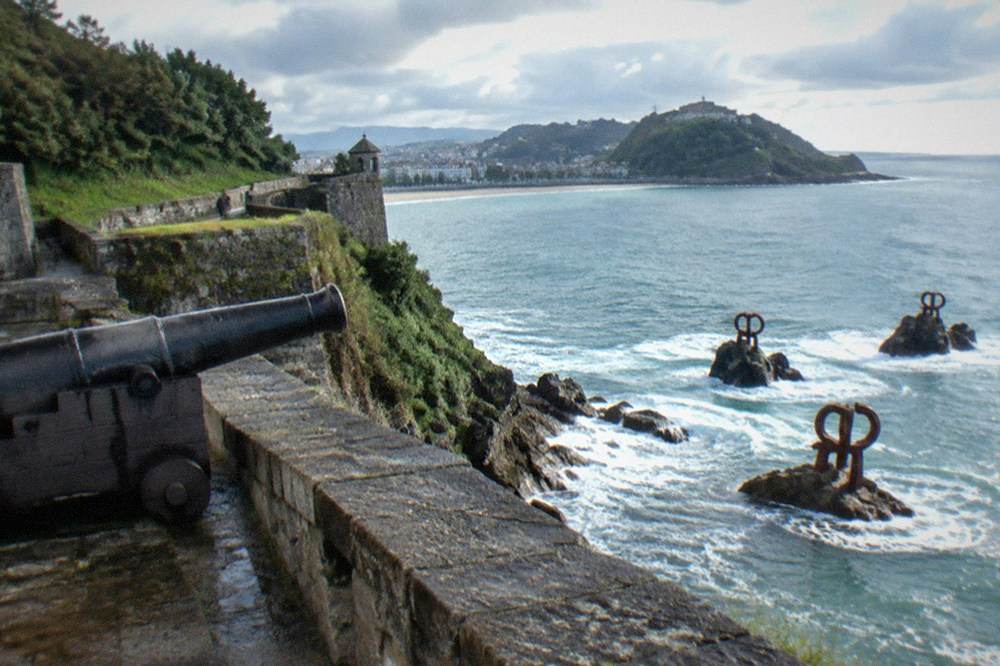
The Peine del Viento deserves its own sentence or two. The tourism board's page states that Eduardo Chillida first made works under that title in 1952 and created the definitive work in 1977, giving it to the city, and that the pink granite plaza it stands on is by the Basque architect Peña Ganchegui. The three sculptures are anchored to the rocks at the end of Monte Igueldo, at the western tip of the bay beyond Ondarreta, and the walk out to them from Ondarreta's west end is one of the city's standard walks. The Peine del Viento guide covers it in full.
The Kursaal is the modern bookend. The venue's own history page records that six architects were invited to propose, Botta, Foster, Isozaki, Moneo, Navarro Baldeweg and Peña Ganchegui, and that Rafael Moneo's proposal was chosen in 1990. Activity began in the Chamber Hall on 3 June 1999 and the building was officially inaugurated on 23 August 1999. Its two glass cubes at the mouth of the Urumea are what the film festival, covered below, uses as its main screens.
How Did Donostia Get Its Official Name?
The official municipal name "Donostia / San Sebastián" was fixed by the Orden Foral of 27 July 2012 of the Diputación Foral de Gipuzkoa, published in the Boletín Oficial del Estado, following the city council's plenary agreement of 30 May 2012. The order allows either form to be used alone depending on the language, so Donostia is the Basque name and San Sebastián the Spanish one, and both are equally official.
Donostia is the city's Basque name, and this page uses it once here and then sticks to San Sebastián. The change was from the older hyphenated form "Donostia-San Sebastián" to the current form with the slash, and the practical effect for a visitor is small but real: signage, official pages and printed timetables mix the two freely, and both point at the same city. The register counted 189,866 residents at 1 January 2025, a figure this site's record carries from the INE municipal register table.
Language in the city is a subject of its own, and the language guide covers what a visitor actually hears in bars, on buses and on menus. The short version is that both names are alive, and neither is a translation of the other in daily use.
If all this reading has you ready to see the streets themselves, the box below is the simplest way to turn the story into a walk.
A self-guided audio tour is a good fit for this part of the city's story, since the cultural sights and scenic trails can be covered with the narration in your own ears and at your own pace, stopping wherever a building or a plaque earns a longer look.
What Role Does The Camino De Santiago Play?
The coastal Camino de Santiago crosses the city as one of the Routes of Northern Spain, inscribed on UNESCO's World Heritage List under entry 669, "Routes of Santiago de Compostela: Camino Francés and Routes of Northern Spain". The city itself is not a World Heritage Site and no monument in it is inscribed on its own; the Camino route is the city's only World Heritage link.
That distinction matters, because guides often blur it. The UNESCO inscription covers the pilgrimage routes, and the coastal route through Gipuzkoa is one of the Northern routes inside it. The tourism board lists the stages through the province: Irun to Pasaia, then Pasaia to Donostia, then Donostia to Orio, continuing along the coast to Zarautz, Getaria, Zumaia and Deba. The page gives no distances, and neither does this site. A guided hike on the Camino over Mount Ulia to the Ulia lighthouse is one of the bookable ways to walk a stretch of it with someone who knows the trail.
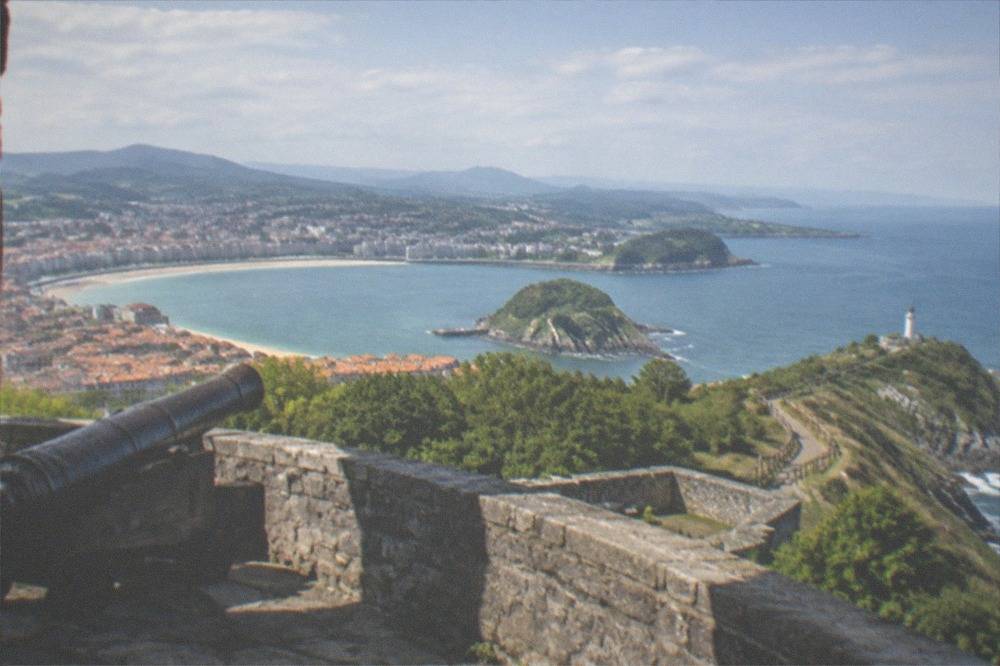
The Camino gives the city a layer of history older than any building standing in it: pilgrims were walking this coast on their way to Compostela for centuries before the fire of 1813 or the palace of 1893. The Camino del Norte guide covers the route in detail, and the Monte Ulia guide covers the headland the trail crosses east of the city.
What Do The City's Museums Cover?
The city's main museums cover Basque society and the region's past: San Telmo Museoa, in a former convent building at the edge of the Old Town, is the Basque social history museum, with general admission at 10.00 EUR, a reduced ticket of 4.00 EUR and free entry for everyone every Tuesday. Tabakalera, the former tobacco factory turned contemporary culture centre, has free access to the building, and Chillida Leku in nearby Hernani shows Eduardo Chillida's sculpture in an old farmstead and its grounds.
San Telmo's own hours page gives the rest: open Tuesday to Sunday, closed Mondays except holidays and long weekends, winter hours 10:00 to 19:00 from 1 November to 31 March and summer hours 10:00 to 20:00 from 1 April to 31 October, with free entry also on 18 May and for under 25s among other groups. The museum sits against the slope of Monte Urgull, and its cloister and the sheer wall behind it are among the most photographed pieces of the Old Town's edge. The San Telmo guide covers the practical detail.
| Museum | What it covers | Admission in the record |
|---|---|---|
| San Telmo Museoa | Basque society and social history, in a former convent | 10.00 EUR general, 4.00 EUR reduced, free Tuesdays |
| Tabakalera | Contemporary culture in the former tobacco factory | Free access to the building |
| Chillida Leku, Hernani | Chillida's sculpture outdoors and in the farmstead | 14 EUR adults, 7 EUR under 18, free to age 8 |
| Eureka! Zientzia Museoa | Science museum with a planetarium | 10 EUR museum, 12.50 EUR museum plus planetarium |
| Aquarium | Marine life on the harbour edge | Hours published; prices not stated here |
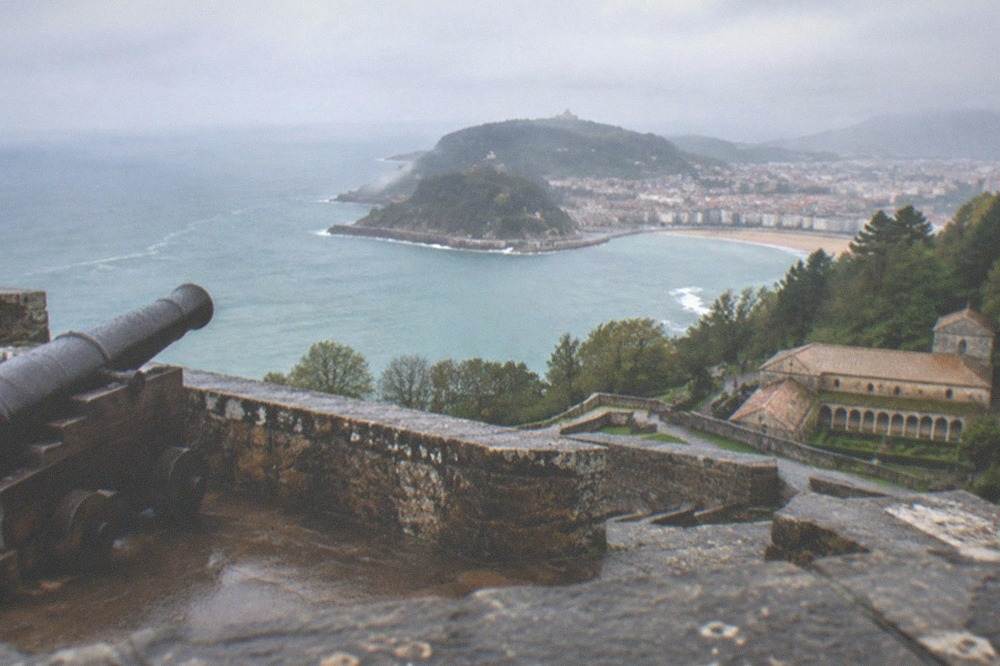
Tabakalera's own page gives its hours: the building runs Tuesday to Sunday and holidays 10:00 to 21:00, closed Mondays, with exhibition halls on floors 0 and 1 open in two daily sessions. Chillida Leku, which is in Hernani, a separate municipality, is open every day 10:00 to 19:00 except Tuesday and Wednesday, with a free car park, and its own practical page lists the full tariff. The Chillida Leku guide covers it. The Aquarium's hours are on its own site, but its admission prices are not in this site's record, so the table above says so rather than guessing.
How Did San Sebastian Become A Festival City?
The city's festival calendar grew out of customs older than its buildings: the Tamborrada drumming of 20 January and the Santo Tomás fair of 21 December are fixed dates every year, the Bandera de La Concha regattas have been rowed since 1879, and Semana Grande always runs the week of 15 August, Saturday to Saturday. The film festival, the jazz festival and the Quincena Musical add the modern layer, and the city was European Capital of Culture in 2016, shared with Wrocław.
The Tamborrada fills the city with drummers on 20 January every year, and the fair of Santo Tomás follows on 21 December. The tourism board's fiestas page fixes those two dates as rules, and this site's record carries nothing beyond them: no hours, no company counts, so a reader planning around either should check the programme for the year. The Tamborrada guide and the festivals guide go further into what each one is.
| Event | Date or rule in the record | Note |
|---|---|---|
| Tamborrada | 20 January every year | Drumming through the city |
| Santo Tomás fair | 21 December every year | Street fair with stalls |
| Semana Grande (Aste Nagusia) | The week of 15 August, Saturday to Saturday | Includes the fireworks competition |
| Bandera de La Concha | First two Sundays of September | First held 1879; women's flag since 2008 |
| Quincena Musical | 87th edition, 2 to 30 August 2026 | Classical music festival |
| Film festival | 74th edition, 18 to 26 September 2026 | Main venue the Kursaal |
| Jazzaldia | 61st edition in 2026 | Jazz festival, dates not in the record |
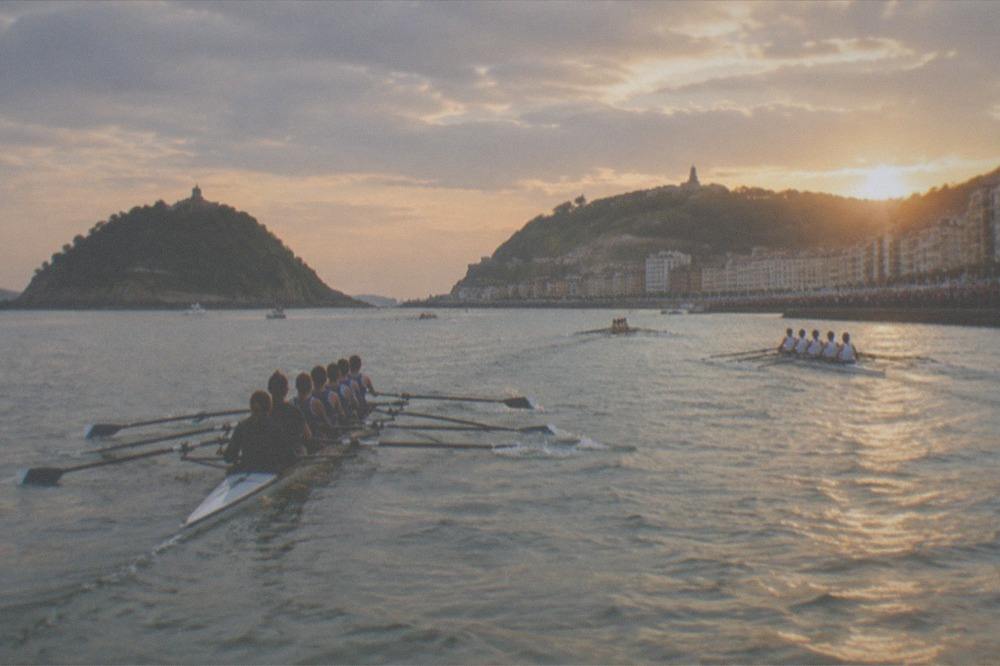
The regattas are the oldest sport in that list and the one most tied to the city's working past: trainera boats were fishing craft before they were racing boats, and the Bandera de La Concha, rowed on the first two Sundays of September with the women's flag at 11:00 and the men's at 12:00, is the fixture the whole coast orients its season around. The La Concha regatta guide covers it. The film festival's 74th edition ran 18 to 26 September 2026, with the Kursaal as its main venue, and the film festival guide covers that story.
What Is The Modern City Like Today?
The modern city is a mid-sized provincial capital of 189,866 residents whose economy and identity run through tourism, food and the sea: 1,051,562 hotel arrivals were counted in 2025, the MICHELIN Guide Spain 2026 lists 11 stars across 6 restaurants inside the municipality, and the three city beaches are run with a lifeguard season from 1 June to 30 September. Its cultural weight is anchored by the 2016 European Capital of Culture year and by a gastronomic reputation that draws visitors year round.
The hotel figures come from the INE occupancy survey for the tourist point Donostia-San Sebastián, and they cover hotels only. August is the peak month, with 245,769 overnight stays in 2025, against 115,910 in January, and July and August together account for 22 percent of the year's stays. Residents abroad held 63.7 percent of 2025 overnight stays, which is the number that explains why the city feels as French and international in summer as it does Spanish.
| Indicator | Figure | What it measures |
|---|---|---|
| Population, 1 January 2025 | 189,866 | Municipal register, INE |
| Hotel arrivals, 2025 | 1,051,562 | INE hotel occupancy survey, hotels only |
| Hotel overnight stays, 2025 | 2,199,966 | Same survey |
| Peak month stays | 245,769 in August | About twice January's 115,910 |
| Michelin stars, city | 11 across 6 restaurants | MICHELIN Guide Spain 2026 |
| Michelin stars, province | 19 across 11 restaurants | Same edition, Gipuzkoa |
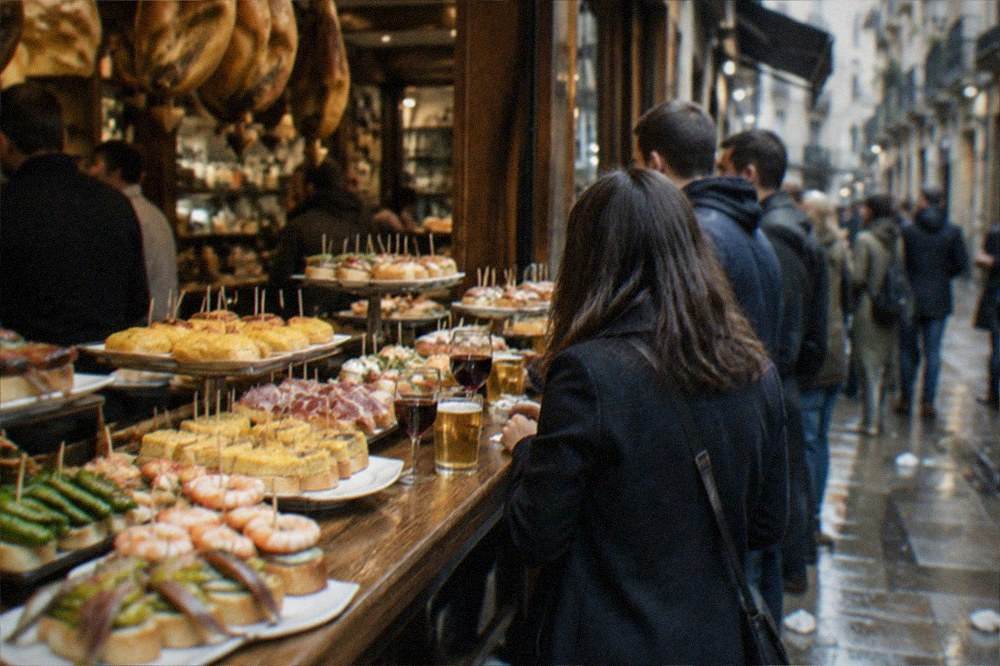
The Michelin count belongs to the 2026 edition and expires when the 2027 gala is held on 24 November 2026 in Huesca. Inside the municipality the guide lists six restaurants holding 11 stars, including two of the three-star houses, Akelaŕe and Arzak, while Martín Berasategui's three stars sit in Lasarte-Oria, a separate municipality, and Mugaritz's two in Errenteria. The Michelin restaurants guide sorts the list properly. Food is where the modern city most visibly writes its own history: the pintxo bar culture of the Old Town is covered in what are pintxos and pintxos in San Sebastián, and a shared pintxo walk with a local is the standard first evening for many visitors.
The beaches carry their own modern rules. The council's pages give La Concha a mean length of 1,350 metres, Ondarreta 600 and Zurriola 800, and all three run their lifeguard season from 1 June to 30 September, with hours of 10:00 to 20:00 from 15 June to 15 September and reduced afternoon hours after that. Zurriola is the one the council describes as having a strong swell, remodelled in 1994, which is why the surf scene sits there rather than in the bay. The beaches guide and the surfing guide cover the practical side.
One piece of near-future history is already law but not yet fact on the ground: Norma Foral 3/2026 of Gipuzkoa creates a tourist tax that takes effect on 1 January 2027, with each council setting its own rate inside provincial bands, at most six nights charged per stay and under 18s exempt. No visitor pays it before that date, and the city's own rate is not yet published, so this page prints none.
What Should You See To Read The City's History On The Ground?
Read the city in this order: the Parte Vieja for the rebuilt old core, Monte Urgull for the hill fort and the view, the seafront and Miramar Palace for the Belle Epoque, the Peine del Viento for the 1977 sculptures, the Kursaal for the modern era, and San Telmo Museoa for the story of the region that ties it all together. Each of these is free or cheap to see from outside, and each one carries a documented date or a documented purpose.
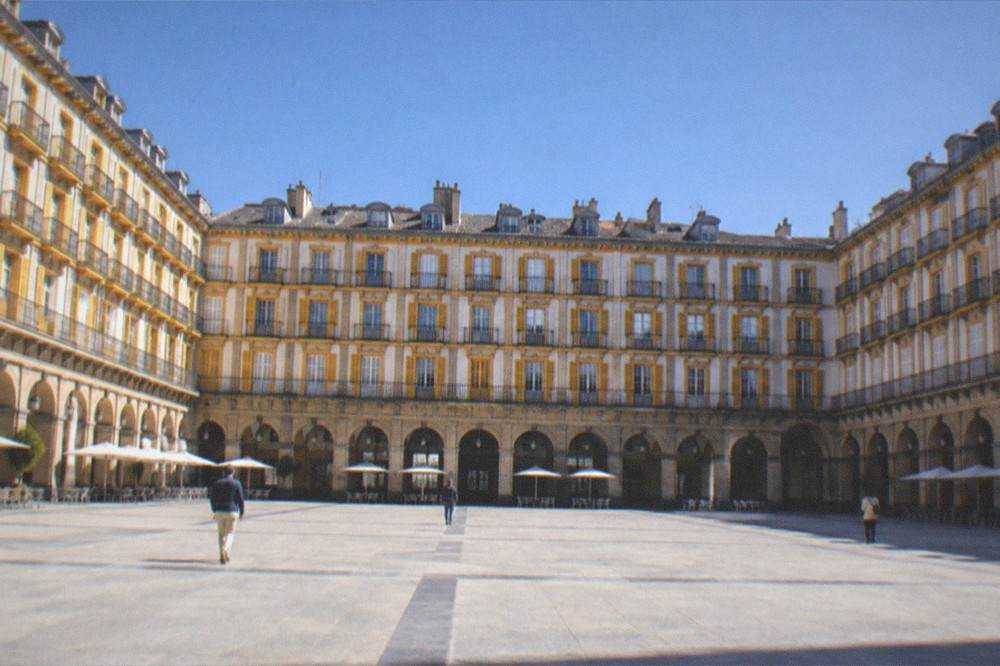
The Parte Vieja, the Old Town, is where the fire's aftermath is most visible: the grid of streets was rebuilt after 1813, and the plaza at its heart, Plaza de la Constitución, still carries its numbered balconies from its days as a bullring, a detail covered in the plaza guide and the Parte Vieja guide. Monte Urgull rises behind it, with access hours of 08:00 to 21:00 from 1 May to 30 September and 08:00 to 19:30 the rest of the year, and the Castillo de la Mota at the top holding the small Casa de la Historia run by San Telmo. The Monte Urgull guide covers the hill.
An Old Town walk with a local's insight into the pintxo bars is the bookable version of that first stop, and it pairs the rebuilt streets with the thing the streets are now most used for.
For the rest, the seafront walk from La Concha to Ondarreta and out to the Peine del Viento takes in the resort century and the sculpture era in one stretch, the Kursaal cubes sit a short walk east over the Urumea, and San Telmo is at the foot of Urgull whenever the Tuesday free entry fits the plan. Anyone working out how much time all of this needs should read How Many Days In San Sebastián?, and anyone weighing the trip itself should read Is San Sebastián Worth Visiting?.
Common Questions About San Sebastian History
What Is The History Of San Sebastian?
The history of San Sebastián, the Basque city on La Concha bay in Gipuzkoa, Spain, is the story of a town destroyed by fire in 1813 and rebuilt as a Belle Epoque royal resort. The Miramar Palace of 1893, the funicular of 1912 and the seafront date from that era, the first La Concha regatta was rowed in 1879, the Peine del Viento sculptures were given to the city in 1977, the Kursaal was inaugurated in 1999, and the official dual name Donostia / San Sebastián was fixed in 2012.
Is San Sebastian A UNESCO World Heritage Site?
No. The city itself is not inscribed, and no monument in it is on the list alone. Its only World Heritage link is the coastal Camino de Santiago, one of the Routes of Northern Spain inside UNESCO list entry 669, which crosses the city between Pasaia and Orio.
When Was San Sebastian Destroyed By Fire?
In 1813. The fire destroyed the core of the old town, and almost everything a visitor walks through in the Parte Vieja today belongs to the rebuilding that followed. The city's Belle Epoque look, including the Miramar Palace of 1893 and the funicular of 1912, is the resort century built on that cleared ground.
What Does Donostia Mean?
Donostia is the Basque name of San Sebastián. The official municipal name, fixed by the Orden Foral of 27 July 2012, is "Donostia / San Sebastián", and either form can be used alone depending on the language. Both names appear on signage, official pages and timetables.
How Old Is The Monte Igueldo Funicular?
It opened on 25 August 1912, and the tourism board calls it the oldest funicular in the Basque Country, a rack funicular with wooden cars. Its own site lists a return adult fare of 5.50 EUR and states that downhill-only tickets are not on sale.
Was San Sebastian Ever A Royal Resort?
Yes. The Miramar Palace was built in 1893 at the request of Queen María Cristina, designed by the English architect Selden Wornum and built by José Goikoa, in an English country house style with gardens running to the sea. The seafront architecture and the grand hotels facing La Concha belong to the same summer-court period.
The city's past is unusually legible for a place that lost so much of it: one fire, one resort century, one sculptor's gift and one modern cultural economy, each with a date in the record and a place on the ground you can stand and point at.