La Tamborrada: San Sebastian Day
Every 20 January the city of San Sebastián, in the Basque Country, Spain, turns into a wall of drums. This guide explains what La Tamborrada is, where the parade passes, and how to plan a visit around it.
Short answer
La Tamborrada is San Sebastián's patron day festival, held every 20 January, when drumming societies in cook and Napoleonic uniforms parade through the streets from midnight to midnight. It is free to watch, it centres on the Parte Vieja and the city centre, and the whole city turns out for it.
Every 20 January, the city of San Sebastián, known in Basque as Donostia, fills with the sound of drums from midnight to midnight. La Tamborrada is the city's patron day, the feast of San Sebastián, and it is the one date on the local calendar when the entire municipality, from the Parte Vieja to the outer neighbourhoods, is out on the street at the same hour. This guide covers what the festival is, where the parades pass, what the costumes mean, and how to build a trip around a day that many visitors never time their visits for.
What Is La Tamborrada In San Sebastian?
La Tamborrada is the festival held every 20 January in San Sebastián, Basque Country, Spain, to mark the city's patron day, the feast of San Sebastián. Drumming societies, called tamborradas, parade through the streets in costume, beating barrels and drums, and the celebration runs from the stroke of midnight on the 19th through to midnight on the 20th. It is free to watch, it needs no ticket, and it is organised by the city's societies and gastronomic clubs rather than by a single promoter.
The festival's date is fixed by rule, not by announcement: the tourism board's fiestas page lists Tamborrada on 20 January every year, alongside the Santo Tomás fair on 21 December. That means a visitor can plan a trip years ahead without waiting for a calendar release, though the exact start and end hours, and the running order of the participating companies, are set by the organisers each year, so the practical advice is to check the city's programme for the year of travel.
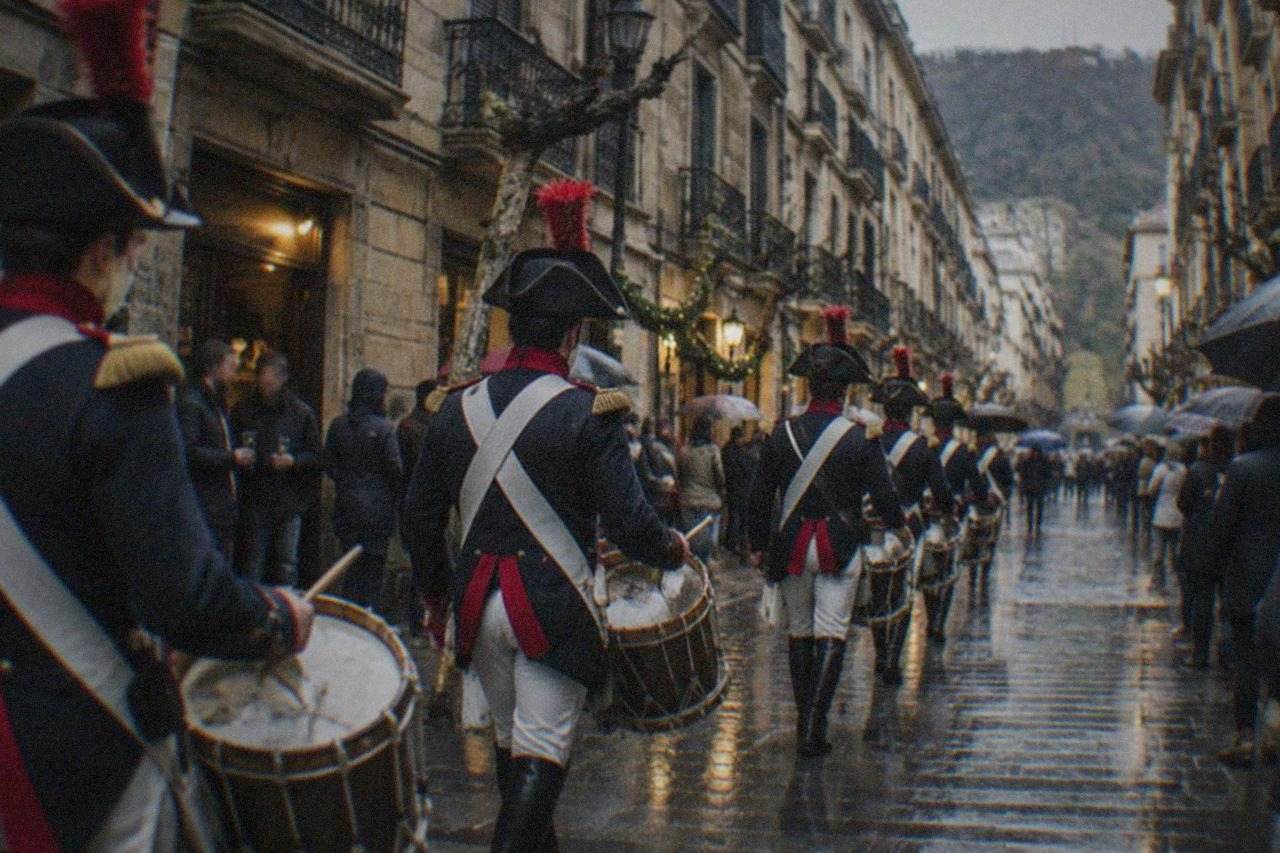
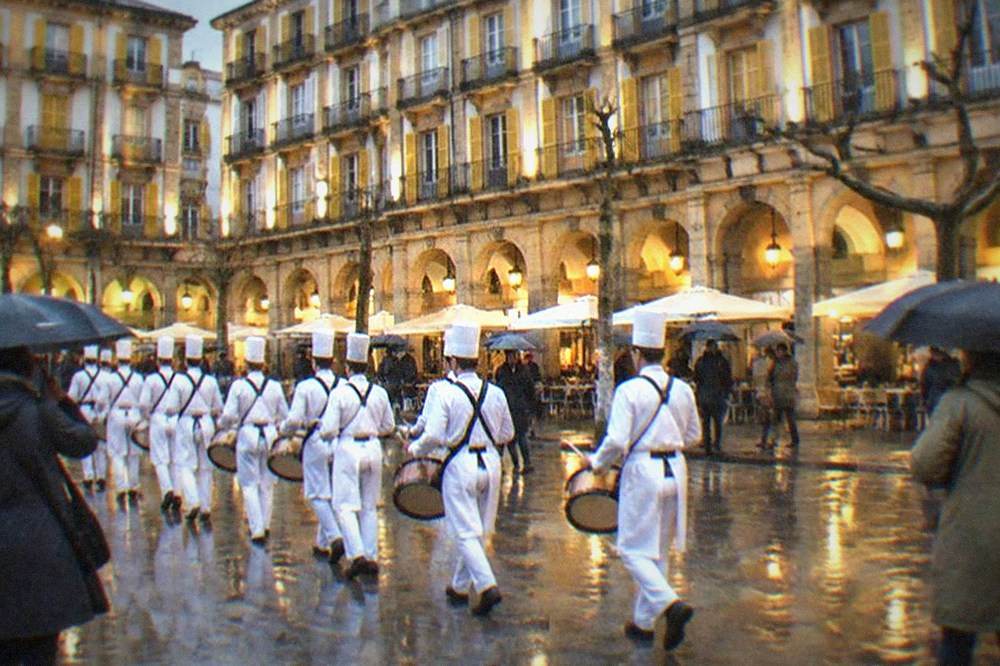
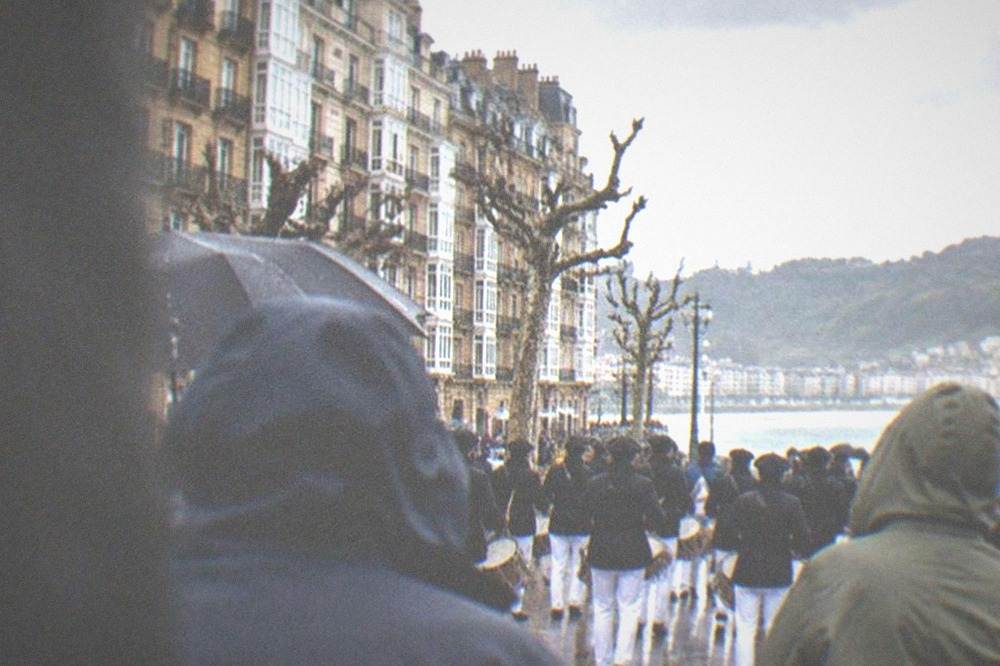
The origin story is the one the city tells with a smile. In the 19th century, so the account goes, a baker filling his water barrels outside the old gate began drumming on them, and a passing carnival crowd mocked him with buckets and funnels, which turned into the first parade. From that joke grew the two costume traditions that still define the day: the cooks, in white aprons and caps, representing the city's taverns and societies, and the soldiers, in Napoleonic-era dress, a nod to the siege era when the city was occupied and largely burned. Both costumes drum, and both are worn by men and women.
What surprises first-time visitors is the scale of the noise. A single company can fill a street corner with sound, and dozens of companies are on the move across the municipality across the full 24 hours. The day is loud by design. Anyone sensitive to sustained percussion should plan around it, and hotel rooms facing parade streets are not quiet rooms on the night of the 19th.
Where Does The Tamborrada Take Place In San Sebastian?
The Tamborrada takes place across the whole city of San Sebastián, but the two focal points are the Parte Vieja, the old town, and the streets around the city centre, with the formal opening ceremony held in the Plaza de la Constitución, the old town's main square. Companies also parade in the outer neighbourhoods, so the festival is not confined to one district, and a visitor standing anywhere near the centre will meet a parade without trying.
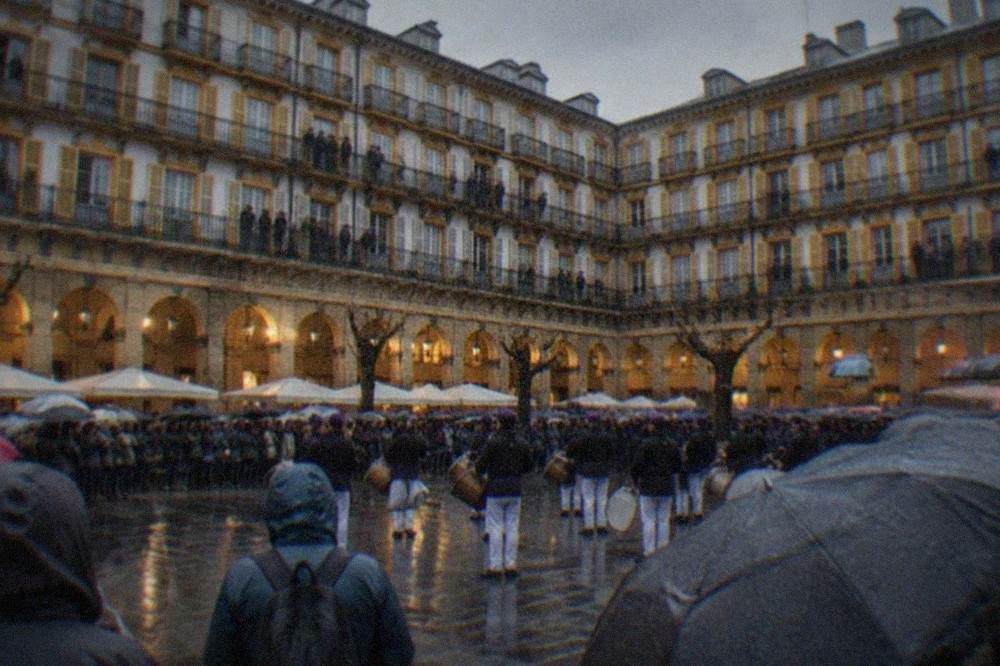
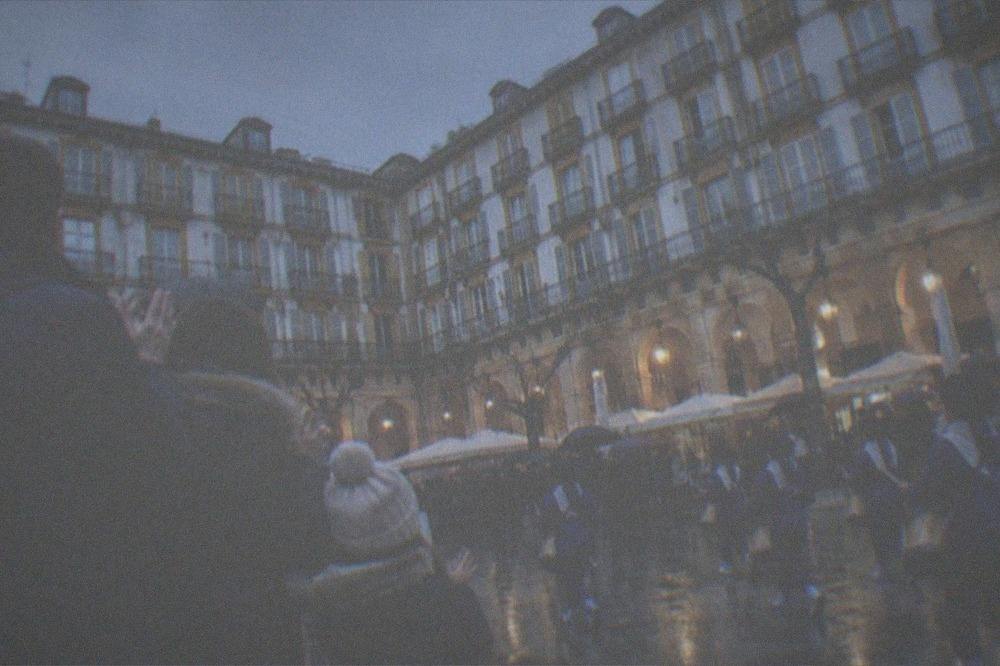
The Plaza de la Constitución is the ceremonial heart of the day. The square, with its numbered balconies that were once bullring boxes, is where the flagship company raises the city flag at midnight on the 19th to open the festival, and where the closing ceremony brings the drumming to an end the following midnight. The plaza itself is small enough that it fills early, and the balconies around it are private property, so watching from the square means standing.
From the old town the parades fan out. The 19th-century route logic still holds: companies move between their society headquarters, the gastronomic clubs of the old town, and the civic buildings of the centre, so the streets between the Boulevard and the port carry constant traffic all night. Further out, the neighbourhoods of Gros, Antiguo and Amara each host their own companies, and families with children often prefer these, because the crowds are thinner and the drumming passes at a walking pace rather than a crush.
The night of the 19th into the 20th is the loud half, and the daytime of the 20th is the family half. A practical plan for a first visit is to watch the midnight opening in or near the old town, sleep somewhere away from the parade streets, and come back for the afternoon and evening of the 20th, when the children's companies and the neighbourhood parades dominate. The city does not publish a single spectator route map in advance of each year, so the organisers' programme for the year in question is the source for exact streets and times.
What Happens During The 24 Hours Of The Tamborrada?
The festival opens at midnight on 19 January with the raising of the city flag in the Plaza de la Constitución, followed by a full night of parades, a daytime of family and neighbourhood drumming on the 20th, and a closing ceremony back in the same square at midnight on the 20th. In between, the tamborrada companies, each with its own costume, band and route, move through the streets in relays, and the city's bars and gastronomic clubs fill with singers and diners between marches.
The night belongs to the adults. Companies march in the dark, stopping at society houses and bars where the traditional song of the day, the March of San Sebastián, is sung over glasses of txakoli and cider. The bars of the Parte Vieja stay busy through the small hours, and the pintxo counters that normally empty by midnight keep serving. It is the one night of the year when the old town's rhythm matches the festival's rhythm exactly.
The morning and afternoon of the 20th are calmer and more local. Neighbourhood companies parade in daylight, schools and family groups take over some routes, and the tone shifts from procession to street party. This is the half of the festival that residents describe as their own: the children's parades and the district companies are the parts visitors see least, because many visitors only come for the midnight opening and then sleep.
The closing at midnight on the 20th mirrors the opening. The same square, the same flag, and a final massed rendition of the march before the drums go quiet for another year. Anyone who wants to see both ceremonies needs two nights in the city, and the second night, the 20th, is usually the easier one for a room, because much of the visiting crowd leaves after the opening.
A word on what the day is not. Tamborrada is not Semana Grande, the city's August festival week, and it is not the San Sebastián Street Festival, which is a Puerto Rican celebration held in San Juan and has nothing to do with this city. Confusing the three is common in search results, and the distinction matters here: Tamborrada is a civic and gastronomic festival with drums, held in winter, organised around the city's own societies. For the summer festival, the rule is the week of 15 August, Saturday to Saturday, covered in the La Concha regatta and festival pages.
Can Visitors Watch Or Take Part In The Tamborrada?
Yes, watching the Tamborrada is free and open to anyone: the parades are on public streets, the opening and closing ceremonies in the Plaza de la Constitución are public, and no ticket exists for any part of the day. Taking part is different, because the marching companies are the city's own societies, gastronomic clubs and schools, and membership, not a purchase, is how a drummer joins a tamborrada.
For a visitor, the realistic version of participation is to follow a company. Societies welcome friends and neighbours to walk behind the band at a respectful distance, to eat with the company at its headquarters, and to sing the march when it is sung in the bars. What a visitor cannot do is rent a drum and a costume for the day; the uniforms are made and maintained by each society, and the barrel-drummers practise for months.
Spectating well comes down to two decisions: which ceremony, and which street. The midnight opening is the spectacle, but the square is at its most crowded then. The daytime parades in Gros or Antiguo give a closer view of the drumming with a fraction of the crowd, and the seafront between the old town and La Concha beach is a good fallback, because several routes cross it and the space is wide.
One more honest note: the 20th is a public holiday across the city, and many shops close for the day, while bars and restaurants stay open and very busy. A visitor planning to combine the festival with sightseeing should put the museums on the 19th and the drumming on the 20th, or the reverse. The one day itinerary works well on the 19th, when the city is still in working mode until the evening.
What Do The Tamborrada Costumes And Drums Mean?
The two costume traditions are the cooks and the soldiers: the cooks wear white aprons, white caps and barrels, representing the tavern keepers and water carriers of the early 19th century, and the soldiers wear Napoleonic-era infantry dress, marking the years around the siege when the city was occupied and largely destroyed. The drumming itself comes from the barrels, the same barrels that figure in the founding story of the baker drumming on his water containers.
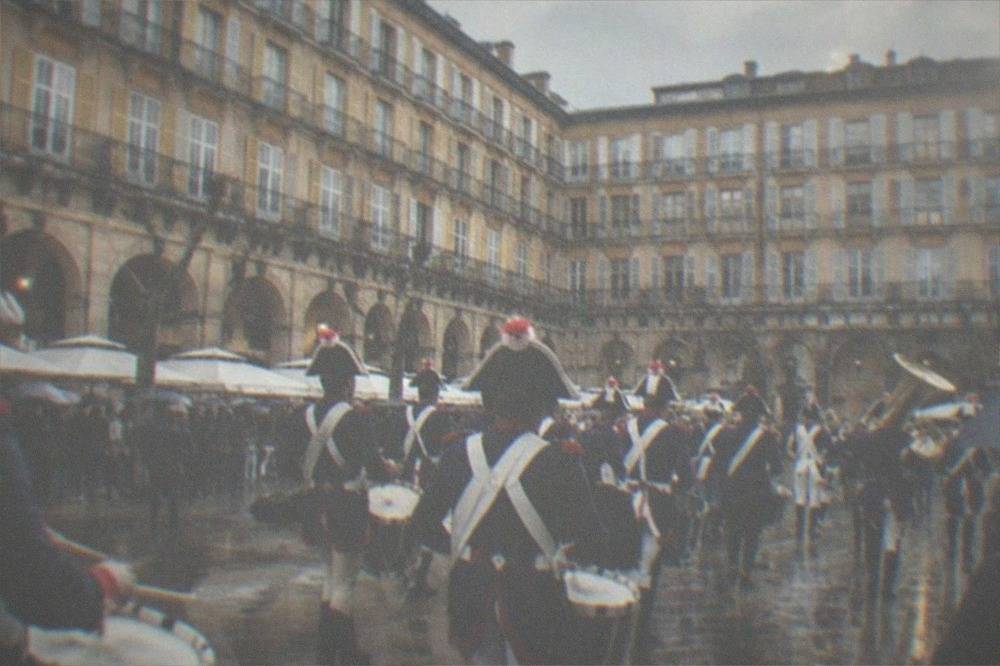
The cook costume is the city's own. Each society's cooks dress in white with the society's colours on sashes or scarves, and the barrel each drummer carries is a replica of the water barrel of the founding story, worn on a strap and beaten with drumsticks. The soldier costume is more varied, because companies choose regiments, and the sight of a full Napoleonic band, fifes forward, drums behind, is the image most photographs of the festival carry.
The meaning beneath the dressing up is local and pointed. The city was sacked and burned after the Napoleonic siege, and the festival's military costume is a way of holding that history at arm's length, marched through the same streets every year by the descendants of the people who rebuilt the city. The tourism board's history of the festival frames the day as both a patron feast and a civic memory exercise, which is why the mood is solemn at midnight and festive by lunchtime.
The music is fixed. The March of San Sebastián, composed by Raimundo Sarriegui in the 19th century, is the day's anthem, and every company plays it, in arrangement after arrangement, all day. A visitor hears it perhaps forty times across the festival and, by the end of the 20th, knows it. That repetition is the point: the day is a single piece of music performed by the whole city in shifts.
What Do People Eat And Drink During The Tamborrada?
The eating tradition of Tamborrada is the society dinner: each tamborrada company and its guests sit down to a fixed menu of the city's festive dishes, with txakoli, the local white wine, and cider poured throughout, and the same dishes and drinks spill into the old town's bars for everyone else. The classic menu items are salt cod, in omelette or pil-pil style, and txangurro, spider crab shell, with the city's cheesecake and other desserts closing the meal.
The society dinner is the festival's private half, held in the gastronomic clubs and society headquarters that fill the old town. A visitor without a club invitation eats the same dishes in the bars, and in practice this is easy: the Parte Vieja's pintxo bars serve cod and crab specials across the two days, and the counters stay open late on the night of the 19th. The pintxo culture of the old town is the visitor's route into the festival's table.
Drinks are the same drinks the city drinks all year, just in greater volume. Txakoli, the dry white wine of the coastal Getaria region, is poured from a height into flat glasses, and cider, the still cider of the Gipuzkoa farmhouse season, is poured the same way. The cider house season, the txotx season, runs from the middle of January to the end of April by the tourism board's rule, so Tamborrada falls in its opening weeks, and cider house meals are a natural add-on to a January trip. More of these guides are collected on San Sebastian Spain Guide.
For dessert, the city's baked cheesecake, the burnt-top cheesecake created at La Viña in the old town, is the standard festival finish, and the cheesecake's own story is worth reading before ordering it in three places in one day. A note of caution on the night itself: the old town is at its absolute annual maximum of people on the night of the 19th, and eating there means patience, standing and a tolerance for drumming through the walls.
Is 20 January A Good Time To Visit San Sebastian?
20 January is a good time to visit San Sebastián if the festival is the reason for the trip: the city is at its most local, hotel demand is far below the August peak, and the visitor sees a version of the city that summer tourists never do, but the weather is the year's coldest, with AEMET's Igeldo normals giving January a mean of 8.5 C, 141 mm of rain and 13.2 rain days, so the trip needs rain gear and a tolerance for grey skies.
The trade is straightforward. INE's hotel occupancy survey recorded 115,910 overnight stays in the city in January 2025 against 245,769 in August, so outside the festival weekend itself, rooms and tables are noticeably easier to get than in summer. The city's museum and attraction schedules run their winter hours in January, which mostly means shorter days rather than closures, and the seafront, which is the summer's main draw, becomes a walking and photography landscape instead of a beach.
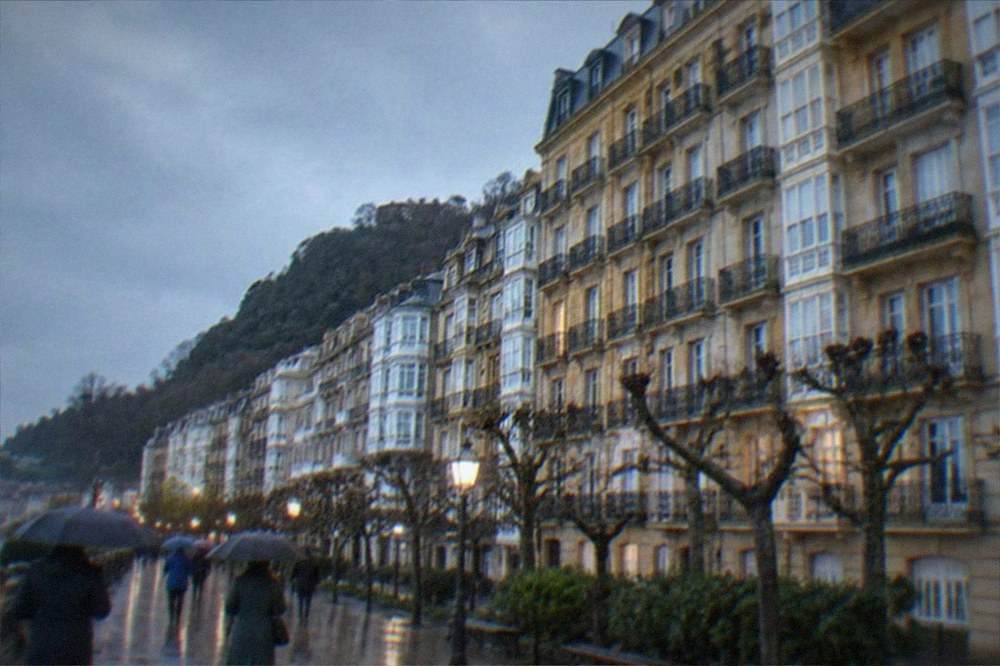
The weather deserves respect, not fear. The AEMET normals for the Igeldo station, the 1981 to 2010 series, give January a mean maximum of 11 C, a mean minimum of 5.9 C and 98 sun hours, the lowest of the year. The station sits 250 m up on Monte Igeldo, so the seafront runs slightly milder than those figures, but the pattern holds: expect showers, expect a sea wind on the bay, and expect the drumming to continue through both. The parade goes out in rain, and the crowds stay out in it.
For a visitor weighing Tamborrada against other festivals, the honest comparison is with Semana Grande in August: summer weather and fireworks against winter cold and drums. The best time to visit question has no single answer, but January wins on authenticity and loses on weather, and the visitor who packs for the weather gets the better day.
How Do Locals Experience The Tamborrada?
Locals experience the Tamborrada as a working festival rather than a show: many residents belong to a company or have family in one, the day is a public holiday across the city, and the pattern of the 24 hours is built around society dinners, marching with friends and sleeping in shifts, with the children's and neighbourhood parades of the 20th treated as the family half of the day.
Ask a resident about the festival and the answer is usually about which company, not whether. The drumming societies recruit locally, rehearse through the autumn, and the 20th is the one day their year of practice is performed in public. Families with children in the school companies treat the afternoon of the 20th as the main event, and plenty of residents who skip the midnight opening entirely are on the street by three in the afternoon for the neighbourhood parades.
The gastronomic clubs, the private dining societies of the old town and the centre, anchor the social side. Each company's day is structured around its club: dressing there, eating there, and returning there between marches. Visitors do not book into a club for the night, but the clubs' presence explains why the old town's bars are so full of singers rather than sightseers on the night of the 19th.
The other local habit worth copying is the escape. Residents who want quiet on the night of the 19th stay away from the parade streets, and a visitor staying near the Boulevard or in the centre should expect to hear drums through the night. Rooms in the quieter corners of Monte Urgull's shadow or the residential districts are the ones locals recommend for sleeping, and the hill itself, open 08:00 to 21:00 in winter by the access hours rule, gives a daytime view over the whole festival city.
What Should You Pack For The Tamborrada In San Sebastian?
Pack for a wet Atlantic winter city on its loudest day: a waterproof jacket with a hood rather than an umbrella, which is useless in a crowd, warm layers for standing outdoors for hours, shoes that can take wet paving and spilled cider, earplugs for the night of the 19th, and a small bag, because the crowds in the old town make anything larger a burden. Nothing about the day requires costume, ticket or reservation to watch.
The umbrella point is not decoration. The AEMET normals give January 13.2 days with a millimetre or more of rain, and in a packed square an umbrella blocks the view of everyone behind it and takes elbows from everyone beside it. Locals wear hoods. The same logic applies to shoes: the old town's paving is stone, the night of the 19th is long, and the streets take rain, beer and cider together.
Earplugs are the item visitors wish they had brought. The drumming is sustained and close, and rooms within several streets of the parade routes hear it through the night of the 19th. Anyone sleeping lightly should plan for it, either with earplugs or with a room booked away from the old town and the Boulevard.
The table below sets out the practical packing list against the reasons, drawn from the January weather record and the structure of the day.
| Item | Why | Applies To |
|---|---|---|
| Waterproof jacket with hood | 141 mm of January rain over 13.2 rain days, and no shelter on the parade streets | Both days |
| Warm layers, hat and gloves | Mean maximum of 11 C, mean minimum of 5.9 C, standing outdoors for hours | Both days |
| Waterproof walking shoes | Wet stone paving in the old town, long nights on foot | Both days |
| Earplugs | Drumming through the night of the 19th near parade streets | Night of 19th |
| Small crossbody bag | Dense crowds in the Parte Vieja, bars with no bag space | Night of 19th |
| Cash card and some cash | Society food stalls and kiosks vary in card acceptance | Day of 20th |
What Else Can You Do Around Tamborrada In San Sebastian?
Around the Tamborrada itself, a January visitor can walk the seafront from La Concha to the Peine del Viento, climb Monte Urgull for the view over the bay, visit San Telmo Museoa with its free-Tuesday rule, and take a day trip out of the city to the Gipuzkoa coast, the French Basque Country or the Rioja wine region, all of which run through the winter at reduced schedules compared with summer.
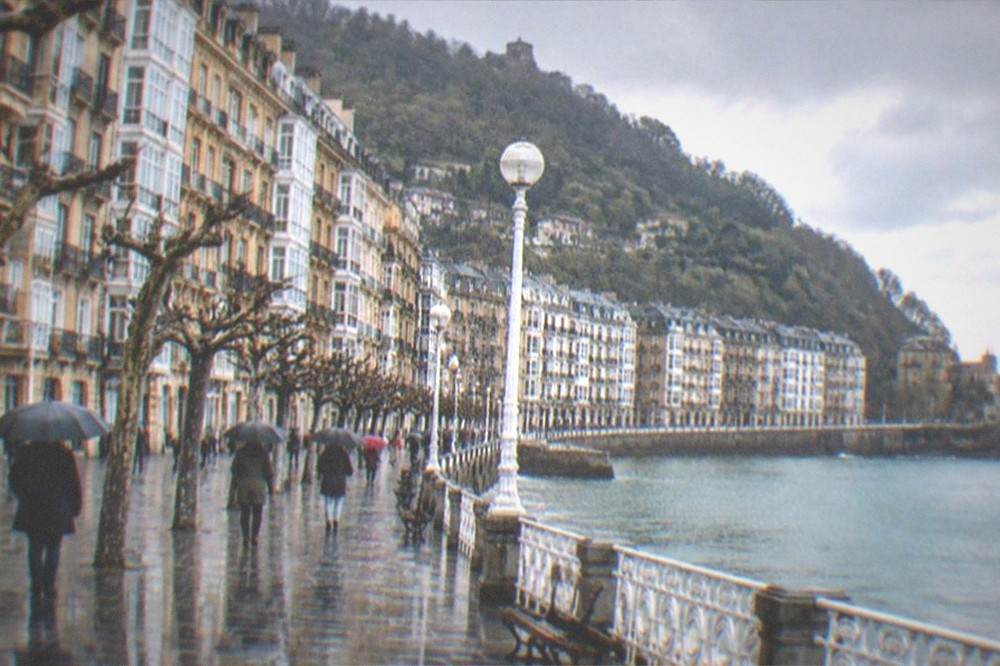
The city's own sights are at their quietest in January, which is the argument for adding days. The seafront walk from La Concha beach west to Ondarreta and the Peine del Viento, Chillida's three steel sculptures on the rocks at the foot of Monte Igeldo, is a year-round walk and a good one in winter light. Monte Urgull, the hill between the old town and the port, is open 08:00 to 19:30 from 1 October to 30 April by the posted access rule, and the view from the Castillo de la Mota takes in the whole bay.
Museum days need a little planning. San Telmo Museoa, the city's history museum at the edge of the old town, opens Tuesday to Sunday, is closed Mondays, charges 10.00 EUR general admission with a 4.00 EUR reduced ticket, and is free for everyone every Tuesday, which makes the Tuesday after the festival a good museum day. Winter hours, 1 November to 31 March, run 10:00 to 19:00. The aquarium is closed on Mondays outside the summer months, except long weekends, so a January weekend visit sidesteps that.
Day trips run all year from the city, and January is a season when the wine and cider country is at its most local. The day trips from San Sebastian run to the fishing towns of the Gipuzkoa coast, across the border into the French Basque Country, and inland to the Rioja, and the cider house season, mid-January to the end of April by the tourism board's rule, opens in the same weeks as the festival itself.
The Rioja trip pairs well with the festival for a simple reason: it is a full day of wine and walled towns that balances a full night of drums, and the region's wineries are at their least crowded in January. Check availability for the dates around 20 January, since the festival draws visitors who extend their trips in both directions.
How Does The Tamborrada Compare With San Sebastian's Other Festivals?
The Tamborrada is the city's winter, civic festival, while Semana Grande in August is the summer, tourist-facing one, and the two anchor opposite ends of the calendar: Tamborrada is drums, societies and the patron day on 20 January, and Semana Grande is the week of 15 August, Saturday to Saturday, with the International Fireworks Competition over the bay. Between them sit the film festival in September, the Jazzaldia jazz festival and the Quincena Musical classical season in summer, and the regattas on La Concha in early September.
The comparison matters for planning because the festivals have opposite characters. Tamborrada is participatory and local: the performers are residents, the audience is residents, and a visitor is a guest at a city event. Semana Grande is a public spectacle staged for everyone, with the fireworks competition drawing the year's biggest crowds to the seafront. A visitor who wants to see the city rather than watch a show comes in January; a visitor who wants a festival built for visitors comes in August.
The rest of the calendar has fixed rules worth knowing. The La Concha regattas, the oar races first held in 1879, are rowed on the first two Sundays of September, with the women's flag competed for since 2008. The San Sebastián International Film Festival held its 74th edition from 18 to 26 September 2026, and its dates move each year. Jazzaldia's 2026 edition was its 61st, and the Quincena Musical's 87th ran 2 to 30 August 2026. The Behobia-San Sebastián road race holds its 61st edition on 8 November 2026.
| Festival | Rule or latest edition | Season character |
|---|---|---|
| Tamborrada | 20 January every year | Drums, societies, patron day, public holiday |
| Santo Tomás fair | 21 December every year | Rural fair, stalls and txistorra across the city |
| Quincena Musical | 87th edition, 2 to 30 August 2026 | Classical music season |
| Semana Grande (Aste Nagusia) | The week of 15 August, Saturday to Saturday | Fireworks competition, summer crowds |
| La Concha regattas | First two Sundays of September, first held 1879 | Oar racing on the bay, women's flag since 2008 |
| Film festival | 74th edition, 18 to 26 September 2026 | International cinema, red carpet at the Kursaal |
A visitor choosing between Tamborrada and the regattas, the city's two most distinct sporting-civic days, can read the regatta guide for the September version of the bay. The two events share a structure, a city turning out for something it owns, and differ in everything else, from the water they happen on to the month they happen in.
How Do You Plan A Trip Around The Tamborrada?
Plan a Tamborrada trip by booking the nights of 19 and 20 January early, since the festival fills the city's hotels from a low January base, choosing a room away from the old town if sleep matters, arriving by the 19th to catch the midnight opening, and treating the 20th's daytime parades and the following days as the sightseeing window, with rain gear packed against the wettest month of the city's year.
Transport runs as normal on the 19th, and the 20th is a holiday, which shifts bus schedules to the Sunday-style pattern and closes many shops. The city's buses, trains and the airport bus all continue through the festival, but parade streets close to traffic across the centre for much of the 24 hours, so walking is the practical mode on the day itself. The city is compact between the old town, the centre and the seafront, and the parade routes are all within a walk of the main hotels.
The room question deserves the most thought. Staying in the Parte Vieja puts a visitor inside the festival and inside the noise; staying in Gros or Antiguo puts a bridge or a walk between the two. Both work. The mistake to avoid is a room advertised as central without checking which street it faces, because on the night of the 19th a parade street is a drum venue, not a bedroom. Booking early matters more than usual: January's hotel stays are the year's second lowest, and the festival concentrates the year's January demand into one weekend.
| Planning decision | What to do | Why |
|---|---|---|
| Dates | Arrive by 19 January, leave on the 21st or later | The opening is midnight on the 19th, the closing midnight on the 20th |
| Room | Book early, check the street, consider Gros or Antiguo | Parade streets drum through the night of the 19th |
| Watching | Midnight opening in the old town, daytime parades in the neighbourhoods | The square is packed at midnight, the districts are calmer |
| Eating | Old town bars on the 19th, society dishes everywhere | Cod, crab and cheesecake specials run across both days |
| Weather | Hood, layers, waterproof shoes | January means 8.5 C and 141 mm of rain |
| Museums | San Telmo's free Tuesday after the festival, aquarium any day but Monday | Winter hours and Monday closures apply in January |
For the days after the drums, the coast east and west of the city is at its winter best, empty and dramatic, and the half-day trips to Hondarribia and the Pasajes fishing villages or the coast road through Zarautz and Getaria fit neatly into a festival week, with departures bookable through the operator's live listing for the days after the 20th, when the city empties again and the roads are quiet.
Common Questions About The Tamborrada In San Sebastian
What is the Tamborrada in San Sebastian?
The Tamborrada is the festival held every 20 January to mark the city's patron day, the feast of San Sebastián. Drumming societies in cook and Napoleonic soldier costumes parade through the streets from midnight on the 19th to midnight on the 20th, and the whole city takes part as performers, hosts or spectators.
When is the Tamborrada held in San Sebastian?
It is held on 20 January every year, a fixed date on the city's calendar, with the opening ceremony at midnight on the night of 19 January and the closing at midnight on the 20th. The exact hours and running order are set by the organisers each year, so check the city's programme for the year of travel.
Do you need a ticket for the Tamborrada?
No. The parades are on public streets, the opening and closing ceremonies in the Plaza de la Constitución are public, and no part of the day is ticketed. Taking part as a drummer requires membership of one of the city's drumming societies, but watching is free and open.
Is the Tamborrada family friendly?
Yes, especially the daytime of 20 January, when the neighbourhood and children's companies parade in the districts and the tone is calmer than at the midnight opening. Families who want sleep should stay away from the parade streets on the night of the 19th, when the drumming continues through the night.
What should you wear to watch the Tamborrada?
A waterproof jacket with a hood, warm layers and waterproof shoes: AEMET's January normals for the city give a mean of 8.5 C with 141 mm of rain over the month, and the parade goes out in the rain. Umbrellas are a poor choice in a packed crowd, and earplugs are worth packing for the night.
Can visitors join a Tamborrada company?
Not for a single day. The companies are the city's own societies, gastronomic clubs and schools, and membership and rehearsal are how drummers join. Visitors can walk behind a company, eat the festival dishes in the old town's bars and sing the March of San Sebastián, which is the realistic version of taking part.
The Tamborrada is the one day of the year when San Sebastián performs itself for its own sake, and a visitor standing in the Plaza de la Constitución at midnight on the 19th, with the drums starting up and the balconies full, is watching the city at its most unguarded. Pack for the rain, book the room early, and check the organisers' programme for the year, and the rest of the day takes care of itself.