Ondarreta Beach
Ondarreta is the westernmost of San Sebastián's three city beaches, the one where the walk to the Peine del Viento begins, and the one locals treat as their own.
Short answer
Ondarreta Beach is 600 metres long and 100 metres wide on the west end of La Concha bay in San Sebastián, Basque Country, Spain. The city council describes it as sandy with heavy summer use, lifeguards are present only from 1 June to 30 September, and the coastal path to the Peine del Viento sculptures starts at its west end.
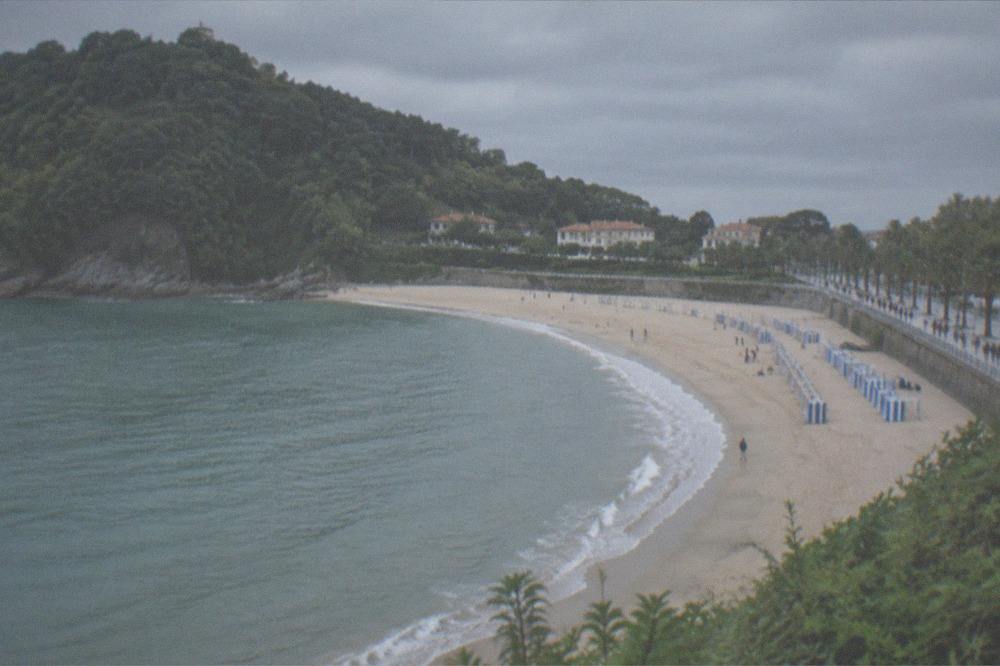
Ondarreta Beach sits at the western end of La Concha bay in San Sebastián, the Basque Country's seaside city in the province of Gipuzkoa, Spain, whose official municipal name is Donostia / San Sebastián and whose Basque name, Donostia, is used alone by locals every day. It is the smallest and quietest of the city's three main beaches, the one that keeps a residential feel even in August, and the one from which the coastal walk to the Peine del Viento sculptures begins. The city council's own beach page gives its measurements as 600 metres long and 100 metres wide, a total area of 60,000 square metres, and a character it sums up in two words: sandy, and heavily used in summer.
Where La Concha carries the postcards and Zurriola carries the surfboards, Ondarreta carries families, towel-lined afternoons and the low tide that leaves a wide shelf of firm sand. This page lays out what the council, the tourism board and the operators themselves publish about it: the numbers, the seasons, the weather as AEMET's Igeldo station records it, and the ways of seeing the bay from the water. For the wider picture of the city, start with San Sebastian Spain Guide's overview of things to do in San Sebastian.
Where Is Ondarreta Beach In San Sebastian?
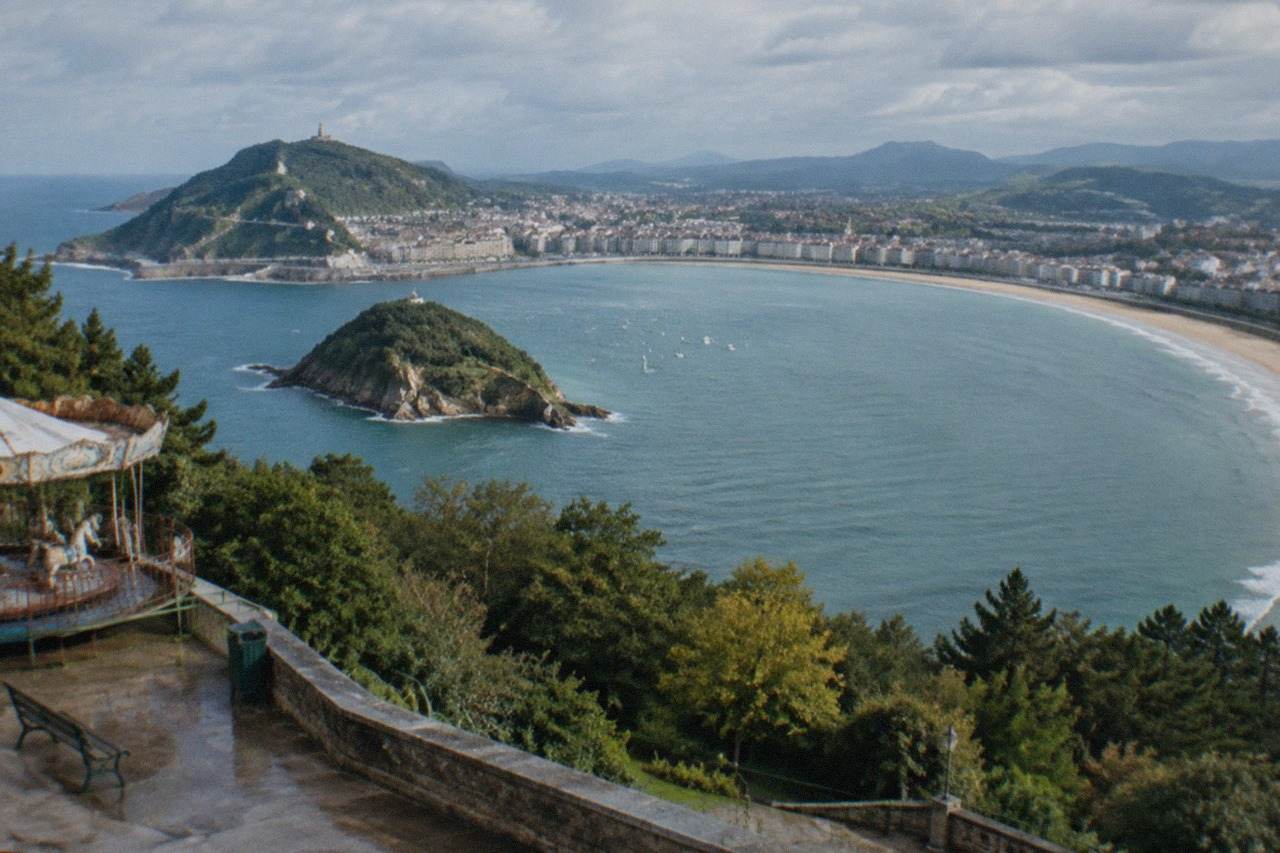
Ondarreta Beach runs along the western end of La Concha bay, between Miramar Palace and the foot of Monte Igueldo, in the Antiguo district of San Sebastián, Basque Country, Spain. It is 600 metres long and 100 metres wide, the council gives its area as 60,000 square metres, and it is the middle link in a continuous seafront that stretches from the Parte Vieja at one end to the Peine del Viento at the other.
The beach faces north onto the bay, with Santa Clara island sitting in the water directly offshore. Behind the sand, the Paseo de Ondarreta runs behind a low balustrade, and behind that rises the Antiguo neighbourhood, a residential district of Belle Époque villas and apartment blocks that grew around Miramar Palace. The palace itself, built in 1893 at the request of Queen María Cristina to an English country house design by the architect Selden Wornum, stands at the beach's eastern end with its gardens running down to the sea, and the tourism board's page on the palace describes exactly that slope of lawn to salt water.
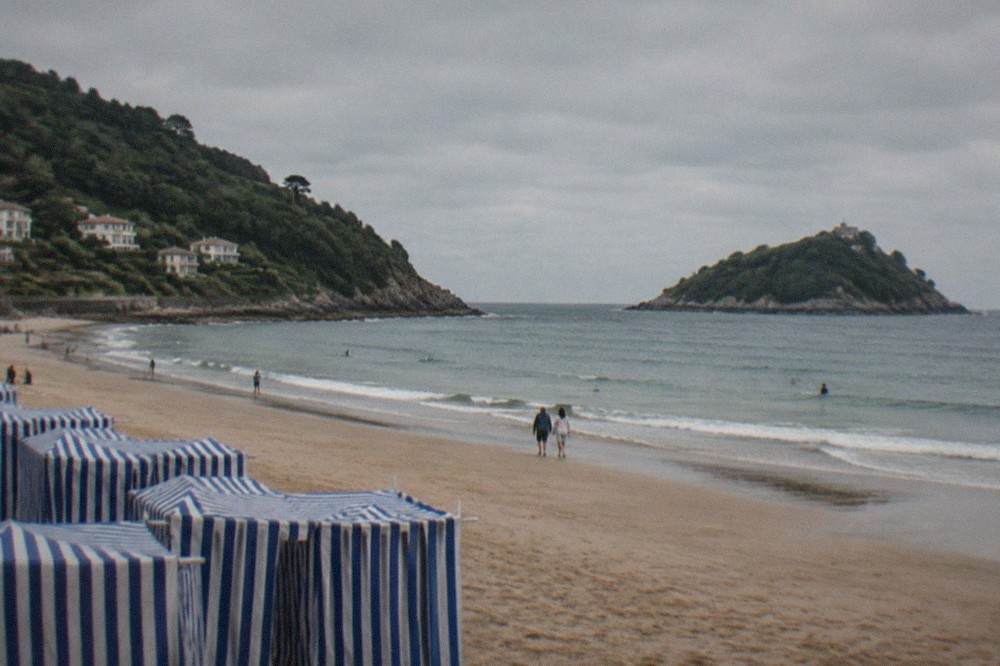
At the western end the geography changes. The sand stops at the base of Monte Igueldo, and a coastal path picks up from there, hugging the rocks out to the Peine del Viento, Eduardo Chillida's three steel sculptures of more than nine tonnes each, anchored to the rocks and finished in 1977 on a pink granite plaza by the Basque architect Luis Peña Ganchegui. The council's beach page names that walk as the thing to do from Ondarreta's west end, and the Peine del Viento page on this site covers the sculptures in detail.
The bay's other two beaches are close enough to walk between. La Concha beach begins on the far side of Miramar Palace, and Zurriola beach lies around the headland of Monte Urgull on the city's other side. If you are weighing the three against each other for a stay, the comparison page on which beach is better in San Sebastian runs through the differences.
How Does Ondarreta Compare With La Concha And Zurriola?
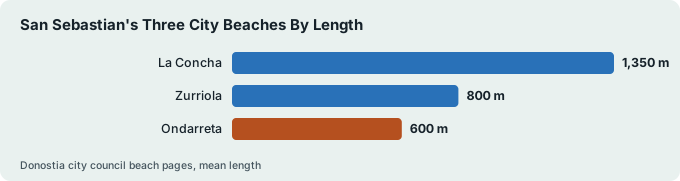
Ondarreta is 600 metres long and 100 metres wide, La Concha is 1,350 metres long and 40 metres wide, and Zurriola is 800 metres long and 110 metres wide, all figures from the city council's own beach pages. Ondarreta is the smallest by area at 60,000 square metres, La Concha is the longest and shallowest, and Zurriola is the most exposed, with a strong swell the council names explicitly.
The table below shows what the council's three beach pages state, side by side.
| Beach | Mean length | Mean width | Mean area | Council description |
|---|---|---|---|---|
| La Concha | 1,350 m | 40 m | 54,000 m2 | Sandy and shallow; the tide often limits the usable sand |
| Ondarreta | 600 m | 100 m | 60,000 m2 | Sandy, with heavy summer use; the walk to the Peine del Viento starts at its west end |
| Zurriola | 800 m | 110 m | 88,000 m2 | Sandy and fairly open, with a strong swell; remodelled in 1994 |
The practical differences follow from those numbers. La Concha's 40 metre width means the tide eats into it hard: at low water there is room, at high water much less, and the council page for La Concha says the tide often limits the usable area. Ondarreta's 100 metre width gives it a deeper, more generous spread of sand that holds up better through the tidal cycle, which is one reason families settle here rather than on the postcard beach. Zurriola's strong swell makes it the surfers' beach, and the council's wording on that is blunt enough that anyone deciding where to swim with children should read it before choosing.
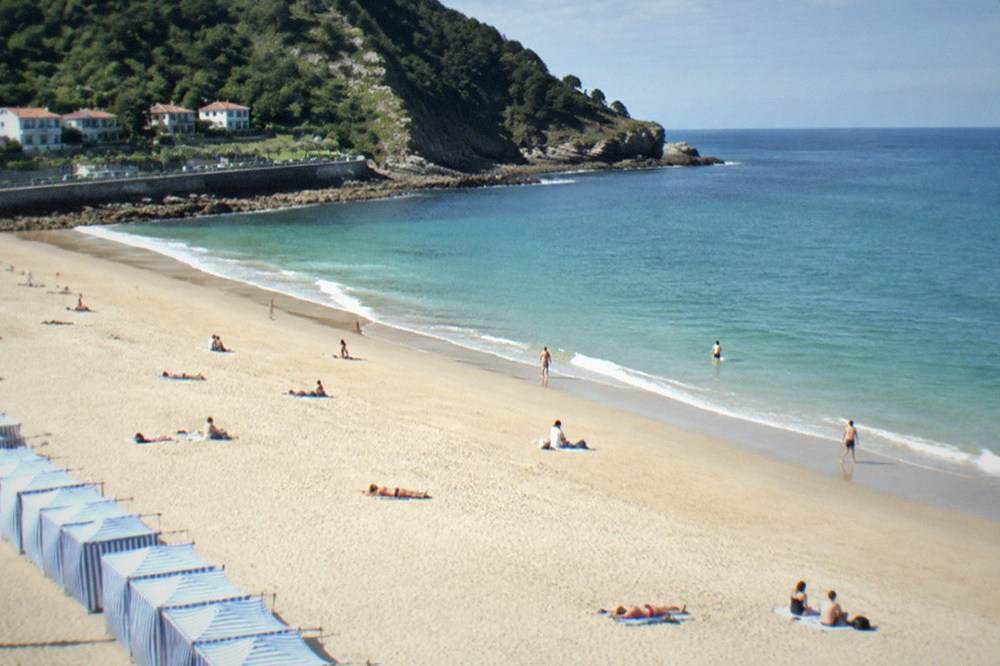
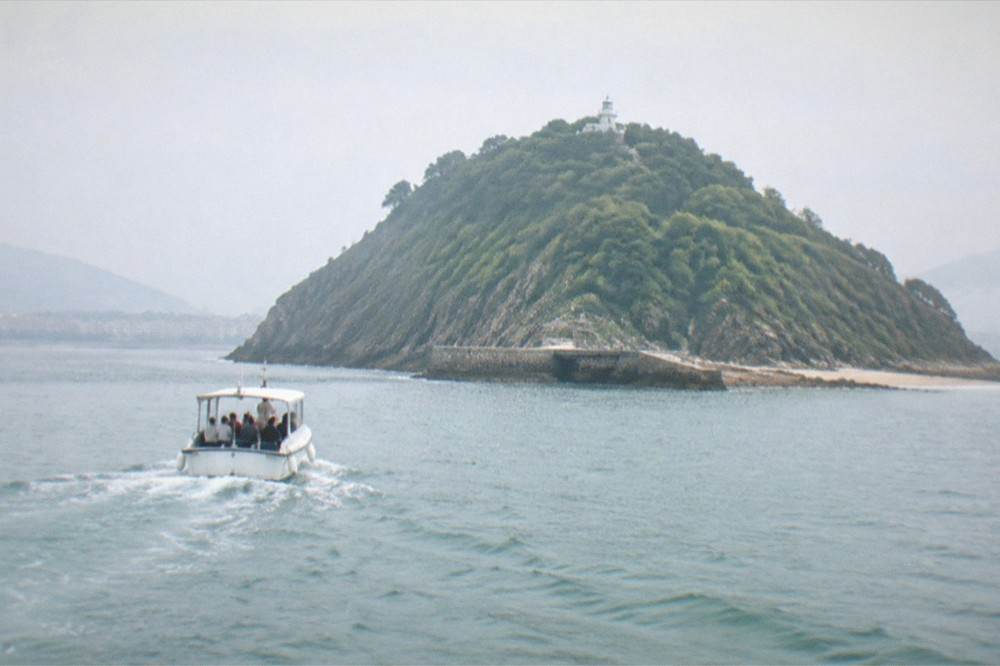
A fourth, small beach exists on Santa Clara island, reached by boat in the high season. The Santa Clara island page covers the crossing, the island's lighthouse artwork Hondalea, and the season rules that govern both.
If you want to see all three beaches at once rather than walk them, the bay cruises below do exactly that from the water.
What Facilities Does Ondarreta Beach Have?
Ondarreta has lifeguards from 1 June to 30 September, working 10:00 to 20:00 from 15 June to 15 September and 13:30 to 19:30 from 16 to 30 September, plus assisted bathing for reduced mobility from 15 June to 15 September, and parasol and awning hire from 15 June to 30 September at 13.10 EUR for an awning, 17.50 EUR for a parasol and 21.90 EUR for a tent, all prices from the city council's beach page.
The council publishes hire prices for each beach separately, and Ondarreta's list differs from the other two. The table below gives the council's figures for the 15 June to 30 September hire season.
| Item | Ondarreta | La Concha and Zurriola |
|---|---|---|
| Awning | 13.10 EUR a day | 13.10 EUR a day |
| Parasol | 17.50 EUR a day | Lounger 3.50 EUR |
| Tent | 21.90 EUR a day | Lounger with parasol 8.40 EUR |
Assisted bathing, the service that gets visitors with reduced mobility into and out of the water, runs from 15 June to 15 September on all three beaches. The council's beach index also links a weekly bathing water quality rating, run by the Basque Government's Health Department, which sampled eight points along the Donostia seafront through the 2026 season. What the council pages do not state, and this page therefore does not either, are the dog rules, the flag colour meanings and any surf zoning: for those, ask at the lifeguard post or check the council's beach page directly.
The seafront behind the beach is plain and useful: showers at the sand line, the balustraded paseo above, and the Antiguo's shops and cafés a block or two inland. Nothing on the council page promises more, and the honest summary is that Ondarreta is a beach for lying on and walking from, not a beach of restaurants and rentals in the resort style. For where to sleep within reach of it, the beachfront and Old Town hotels guide covers the streets between here and the centre.
When Do Lifeguards Work At Ondarreta Beach?
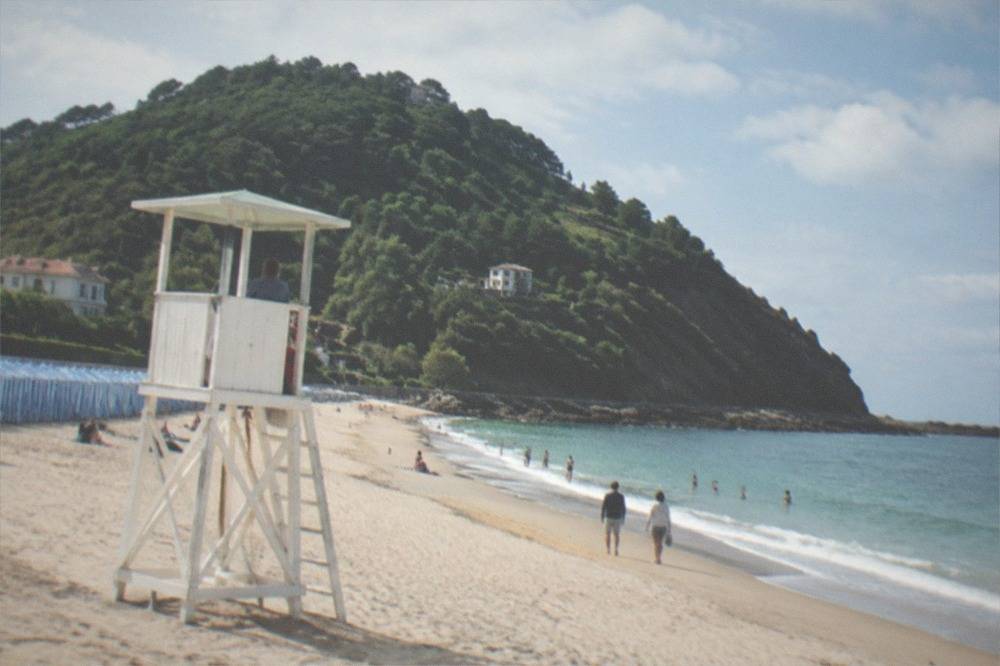
Lifeguards are on duty at Ondarreta only from 1 June to 30 September each year. From 15 June to 15 September they work 10:00 to 20:00, and from 16 to 30 September the hours cut back to 13:30 to 19:30. Outside those four months there is no lifeguard service on any of San Sebastián's three beaches, so swimming before June or after September is done without supervision.
The season rules, as the council states them for all three beaches, are set out below.
| Service | Dates | Hours |
|---|---|---|
| Lifeguards, full season | 1 June to 30 September | 10:00 to 20:00 from 15 June to 15 September |
| Lifeguards, late season | 16 to 30 September | 13:30 to 19:30 |
| Assisted bathing, reduced mobility | 15 June to 15 September | By arrangement at the beach |
| Parasol and awning hire | 15 June to 30 September | Daytime service |
The same seasonal logic applies across the bay. The island boats' high season is 1 June to 30 September, plus Easter and long weekends, and outside it the operator tells passengers to consult departures rather than promising a sailing. Hondalea, the Cristina Iglesias work inside the island's lighthouse, is open only from 1 June to 30 September, 11:00 to 18:30, free, in half-hourly sessions of about 20 minutes, with no booking needed for the visit itself, only the boat. Monte Urgull across the bay keeps longer access hours, 08:00 to 21:00 from 1 May to 30 September and 08:00 to 19:30 from 1 October to 30 April, as the Monte Urgull page details.
Plan around these dates rather than around the calendar on your ticket. A late September visit still gets lifeguards, but only in the afternoon window. An October visit gets none, and gets cooler water with it.
What Is The Weather Like At Ondarreta Beach?
AEMET's climate normals for its Igeldo station, the period 1981 to 2010 recorded at 250 metres on Monte Igueldo, show a mean of 19.5 C in August against 8.5 C in January, with a mean daily maximum of 22.5 C in August and 11.0 C in January, and 1,507 mm of rain a year spread over 141 rain days. July, the driest month, still averages 86 mm of rain over about 10 rain days, so no month at this coast is reliably dry.
The seafront runs slightly warmer than those station values, because the station sits 250 metres up the hill. The table below gives AEMET's monthly normals in full.
| Month | Mean C | Mean max C | Mean min C | Rain mm | Rain days 1 mm+ | Sun hours |
|---|---|---|---|---|---|---|
| Jan | 8.5 | 11.0 | 5.9 | 141 | 13.2 | 98 |
| Feb | 8.7 | 11.5 | 5.9 | 110 | 11.6 | 107 |
| Mar | 10.3 | 13.4 | 7.2 | 113 | 12.4 | 144 |
| Apr | 11.3 | 14.5 | 8.1 | 138 | 13.4 | 157 |
| May | 14.4 | 17.7 | 11.1 | 120 | 12.2 | 181 |
| Jun | 16.9 | 20.0 | 13.8 | 90 | 10.6 | 189 |
| Jul | 18.9 | 21.8 | 16.0 | 86 | 9.8 | 196 |
| Aug | 19.5 | 22.5 | 16.5 | 117 | 10.5 | 190 |
| Sep | 18.0 | 21.1 | 14.8 | 111 | 10.1 | 179 |
| Oct | 15.5 | 18.5 | 12.4 | 159 | 11.8 | 140 |
| Nov | 11.3 | 14.0 | 8.7 | 169 | 13.0 | 102 |
| Dec | 9.1 | 11.6 | 6.6 | 151 | 12.4 | 93 |
Read the table honestly and it reshapes a beach plan. August, the warmest month, is also wetter than June, July or September, with 117 mm against July's 86. November is the wettest month at 169 mm, and October follows at 159 mm, so the autumn shoulder season here is an Atlantic affair of showers and clear spells, not a Mediterranean one of dry heat. The sun hours tell the other half: 196 in July and 190 in August against 93 in December, which is why the beach season and the calendar summer coincide despite the rain days.
For a beach day, the practical reading is this: June and July give the best mix of warmth, September stays warm at a mean of 18 C with 179 sun hours but shortens the lifeguard day after the 15th, and any month can deliver a wet afternoon. Pack for the Atlantic, not for the Mediterranean, and the bay repays the packing.
How Do You Get To Ondarreta Beach?
Ondarreta is reached on foot along the seafront promenade from the centre, by city bus with a 1.95 EUR occasional fare paid in cash to the driver, or by the MUGI card at 0.78 EUR for an urban trip, fares published by dBus and the MUGI tariff system. The beach has no metro or rail stop of its own; the working rail terminus in the city is Amara, and the new underground Topo stations beside the bay have no published opening date.
The fare table below gives the published prices for getting around the city.
| Ticket | Urban trip, 0 jumps | Notes |
|---|---|---|
| dBus occasional ticket, cash | 1.95 EUR | Paid to the driver; cash does not allow free transfers |
| dBus night ticket | 2.65 EUR | Special night fare |
| MUGI anonymous card | 0.78 EUR | Urban 1 and 0 jumps |
| MUGI personalised, trips 1 to 20 in the month | 0.59 EUR | 69.5% discount band |
On foot, the promenade does the work. From La Concha's eastern end the walk west passes Miramar Palace and reaches Ondarreta in a continuous seafront stroll, and from there the path continues to the Peine del Viento at the base of Monte Igueldo. The whole bay is flat, and the city's compactness is why so many visitors never board a bus at all.
Two transport cautions worth flagging. First, the EAS airport bus: line E21 has not stopped at the airport since 1 June 2026, whatever older pages say, and the operator lists E20, E23, E25, E27, E28, E29 and E30 as the airport services, with E30 the direct line. Second, the underground Topo: civil works on the new through-line stations finished in June 2026, but no opening date has been published, so Amara remains the working terminus. Neither affects the beach itself, but both catch visitors planning around stale information.
What Can You Do Near Ondarreta Beach?
The Peine del Viento sculptures stand at the beach's west end, the Monte Igueldo funicular climbs from the far side of the hill with a return ticket at 5.50 EUR for adults, and Miramar Palace, built in 1893 for Queen María Cristina, anchors the east end above its seafront gardens. All three are within a short walk of the sand, and each has its own page of verified detail on this site.
The table below lists what sits closest to the beach, with the key facts the official pages give.
| Place | What it is | Key fact from the official page |
|---|---|---|
| Peine del Viento | Three steel sculptures by Eduardo Chillida on a granite plaza | Each sculpture weighs more than nine tonnes; the definitive work dates from 1977 |
| Monte Igueldo funicular | Rack funicular with wooden cars, opened 25 August 1912 | Return adult 5.50 EUR, child 2.50 EUR; the ticket includes entry to the grounds |
| Miramar Palace | English country house style palace and gardens, built 1893 | Designed by Selden Wornum for Queen María Cristina |
| Monte Urgull | Hill and park across the bay, topped by the Castillo de la Mota | Open 08:00 to 21:00 from 1 May to 30 September |
| Santa Clara island | Island in the bay with a small beach and the Hondalea artwork | Island boats run the high season, 1 June to 30 September |
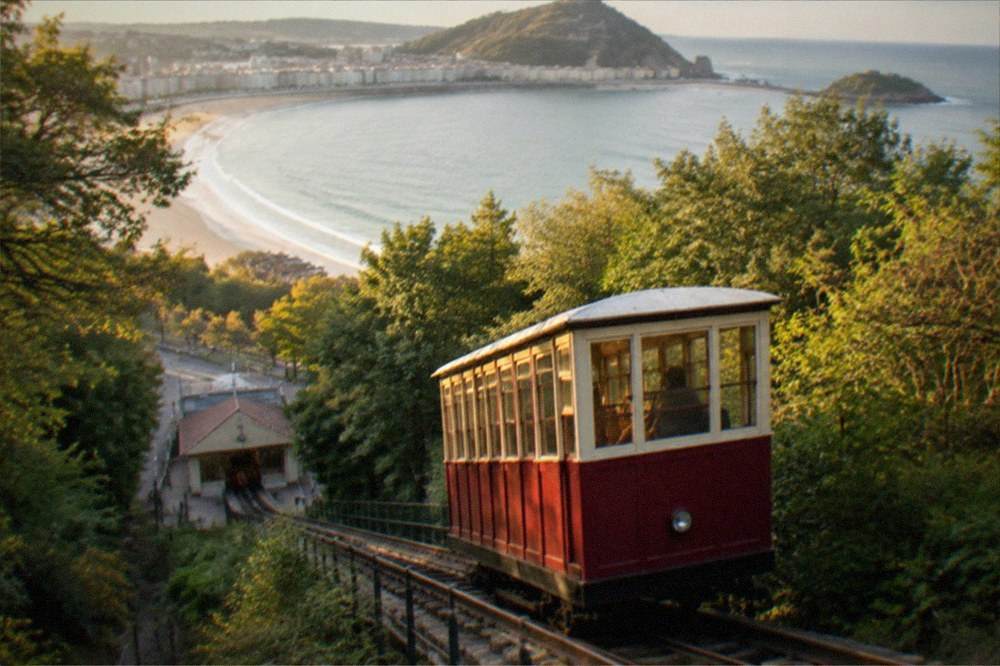
The funicular deserves its own note, because its own site carries a rule that catches people out: downhill-only tickets are not on sale. The ticket is a return, or a single up, and the funicular's home page states plainly that tickets for the downhill journey alone are not sold. Anyone planning to walk up Monte Igueldo and ride down should reverse the plan. The Monte Igueldo page covers the fares, the 15-minute frequency and the entry charge for arriving by road or on foot.
For the cultural side, Miramar Palace sits closest, and the San Telmo museum and the Old Town lie a seafront walk away to the east. Whether La Concha's bigger stretch suits you better is a fair question, and is La Concha beach free answers the access side of it.
Which Tours And Walks Work Well From Ondarreta?
The bay cruises leave from the harbour on the eastern side of the city and put Ondarreta in the view, a self-guided audio tour covers the city's cultural sights and scenic trails at your own pace, and a coastal winery walk runs from Amara station along the Camino trail with txakoli tastings and a train ticket back. All three can be booked around a day based at Ondarreta, and each is described on its operator's live listing.
The eco-catamaran cruise is the natural fit for a beach day: a lap of the bay with a phone audio guide and an onboard bar, which turns the three beaches and Santa Clara into one panorama.
For a day on land, the coastal winery trail walk starts from Amara station, the same terminus mentioned above, and combines a market tasting with three txakoli tastings at a winery before the train brings you back.
And for something with no schedule at all, the cultural gems audio tour is self-guided, played through an app, and covers the city's cultural sights and scenic trails, the seafront among them.
The trio below collects the three options with their live prices and ratings from the operators' listings.
Common Questions About Ondarreta Beach
Is Ondarreta Beach better than La Concha?
Ondarreta is 600 metres long and 100 metres wide against La Concha's 1,350 metres and 40 metres, so Ondarreta holds more usable sand through the tide while La Concha offers the longer, shallower, more famous stretch. The council calls La Concha's usable area tide-limited and Ondarreta heavily used in summer. Families and locals tend to Ondarreta; the postcard view belongs to La Concha.
Is Ondarreta Beach free to visit?
Yes, the beach itself is free public space, like all three of the city's beaches. The paid extras are the hire items, at 13.10 EUR for an awning, 17.50 EUR for a parasol and 21.90 EUR for a tent during the 15 June to 30 September hire season, at the council's published prices.
Can you swim at Ondarreta Beach?
Yes, and lifeguards supervise the swimming from 1 June to 30 September, working 10:00 to 20:00 from 15 June to 15 September and 13:30 to 19:30 from 16 to 30 September. Outside those dates swimming is unsupervised, and the Atlantic water stays cool even in August.
How do you walk from Ondarreta to the Peine del Viento?
The coastal path starts at the beach's west end, where the sand meets the foot of Monte Igueldo, and runs along the rocks to Chillida's three sculptures on Peña Ganchegui's granite plaza. The council's beach page names this walk as the route to the Peine del Viento, and it is short and flat enough for any walker.
Does it rain at Ondarreta Beach in summer?
Yes, sometimes. AEMET's Igeldo station records 86 mm of rain over about 10 rain days in July, the driest month, and 117 mm in August, which is wetter than June, July or September. This is an Atlantic coast, not a Mediterranean one, so pack for showers even in high summer.
Is there parking near Ondarreta Beach?
The beach sits in the residential Antiguo district with ordinary street parking, and Monte Igueldo's own site offers free parking during a visit for those arriving by road. This site publishes no verified detail on city parking rules or fees, so check the council's information for current restrictions before driving to the sand.
Ondarreta is the beach that rewards the visitor who has already seen the postcard: wide sand that survives the tide, a sculpture walk at one end, a palace garden at the other, and the whole bay's boat trips, hill paths and cider houses within easy reach of a towel on the sand.