London To San Sebastian
London to San Sebastián is a short hop on paper, but the last stretch matters: the Basque city has three airports within reach and a fare system that rewards knowing which bus, train and card to use once you land.
Short answer
Fly from London into Bilbao, Biarritz or San Sebastián's own airport at Hondarribia, then cover the final stretch by airport bus, Lurraldebus line or Euskotren. Once in the city, a MUGI card covers dBus city buses and the Topo railway from under a euro a trip.
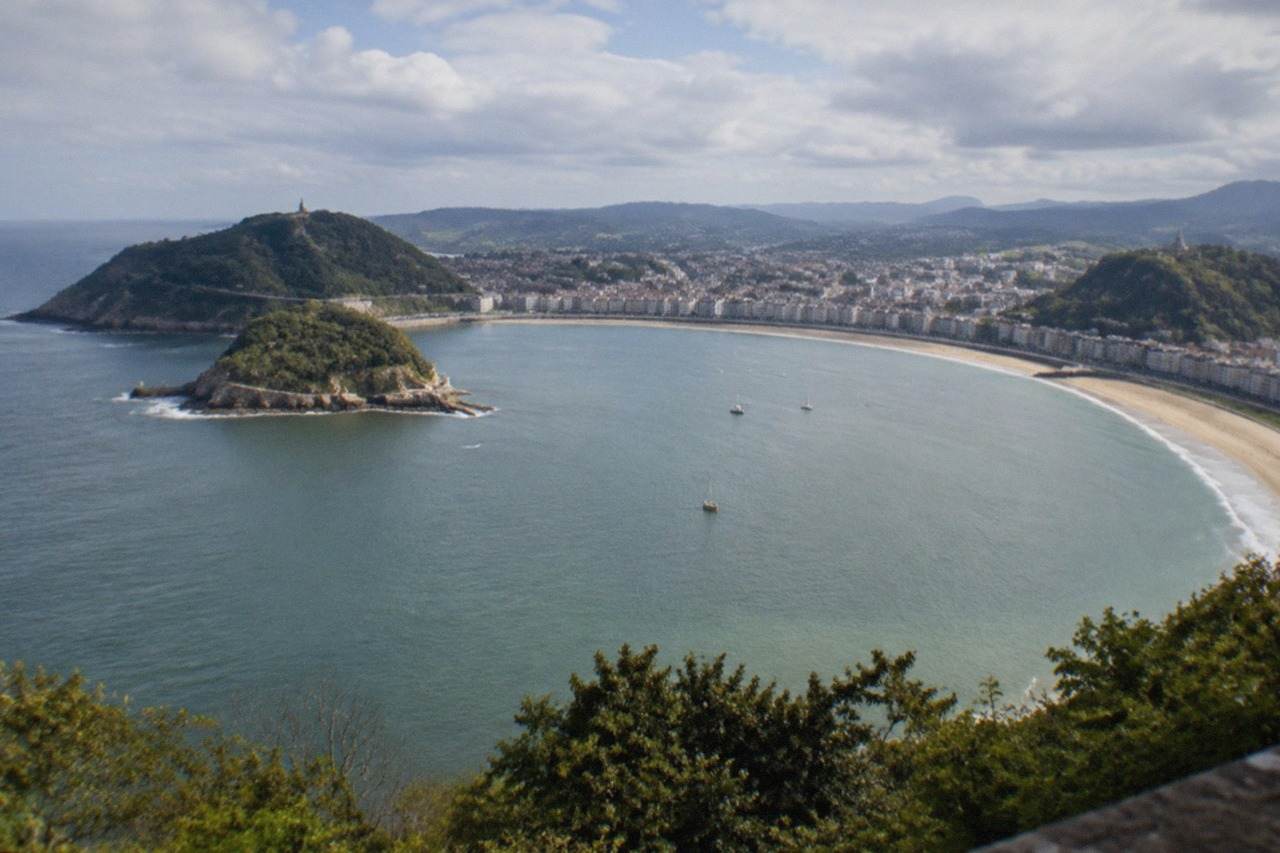
London to San Sebastián is one of those routes that sounds simple until you look at a map of the Basque coast. The city, whose official name is Donostia / San Sebastián and which sits on La Concha bay in Gipuzkoa, in the Basque Country of Spain, has no large hub airport of its own. What it has instead is a choice: a small airport twenty kilometres away at Hondarribia, Biarritz just across the French border, or Bilbao a little over a hundred kilometres to the west, each with different onward transport. This page walks through the whole journey, from choosing where to land to swiping a MUGI card on a city bus, and then what to do with yourself once you are standing on the seafront with the bay in front of you.
The tourism board for the city puts the choice plainly: three airports within a little over 100 km, two of them international. San Sebastián Airport at Hondarribia is 20 km away, Biarritz is 45 km, and Bilbao is 105 km. Which one you pick shapes the rest of your trip, and the ground transport details below are the ones the operators themselves publish, not the folklore that circulates in travel forums. One detail matters more than most: a bus line that used to serve the city's own airport no longer stops there, and plenty of older pages still say it does.
How Do You Get From London To San Sebastian?
There is no single obvious door into San Sebastián, so the journey is built in two parts: a flight from London into one of three airports, then a ground leg of between 20 and 105 km. The city's own airport at Hondarribia is the closest at 20 km, Biarritz in France is 45 km, and Bilbao is 105 km. Each has a bus or rail connection onward, and the tourism board lists direct onward service from Biarritz and Bilbao but not from Vitoria-Gasteiz.
The flight leg is the part this site cannot price for you, because fares from London change by the week and no operator publishes a fixed figure worth printing. What is stable is the geography. Hondarribia's airport, coded EAS, is the one the city calls its own, and it sits in a separate municipality on the Bidasoa estuary near the French border. Bilbao's airport, BIO, is the biggest of the three and the one most London itineraries end up using, simply because it has the widest schedule and the most reliable onward coach.
The Basque Country is not a place where you want to improvise the last twenty kilometres. The region runs its buses and trains under a single fare umbrella called MUGI, which covers Gipuzkoa province, and the airport connections are run by named lines with published timetables. The sections below give the airport-by-airport detail, including one correction to a piece of information that is still circulating on official-looking pages.
If you are still sketching the trip rather than booking it, the planning pages on this site go deeper on each piece: start with where San Sebastian actually is and how many days you need in San Sebastian, then work through the airport sections below.
Which Airport Should You Fly Into For San Sebastian?
Bilbao is the airport travellers from London should aim for, because it pairs the region's widest flight schedule with a direct coach to San Sebastián that the Basque Government lists at 17.10 EUR and about 75 minutes. San Sebastián's own airport at Hondarribia is closest at 20 km but has a much smaller network, and Biarritz at 45 km works well if your London routing lands you in France. Vitoria-Gasteiz, 100 km away, has no direct onward service listed.
Here is the airport picture in one table, using the distances the tourism board publishes and the onward services it confirms.
| Airport | Code | Distance to San Sebastián | Onward service |
|---|---|---|---|
| San Sebastián, Hondarribia | EAS | 20 km | Lurraldebus airport lines, E30 direct |
| Biarritz | BIQ | 45 km | Direct service listed by the tourism board |
| Bilbao | BIO | 105 km | Direct coach, listed by the Basque Government |
| Vitoria-Gasteiz | VIT | 100 km | No direct service listed |
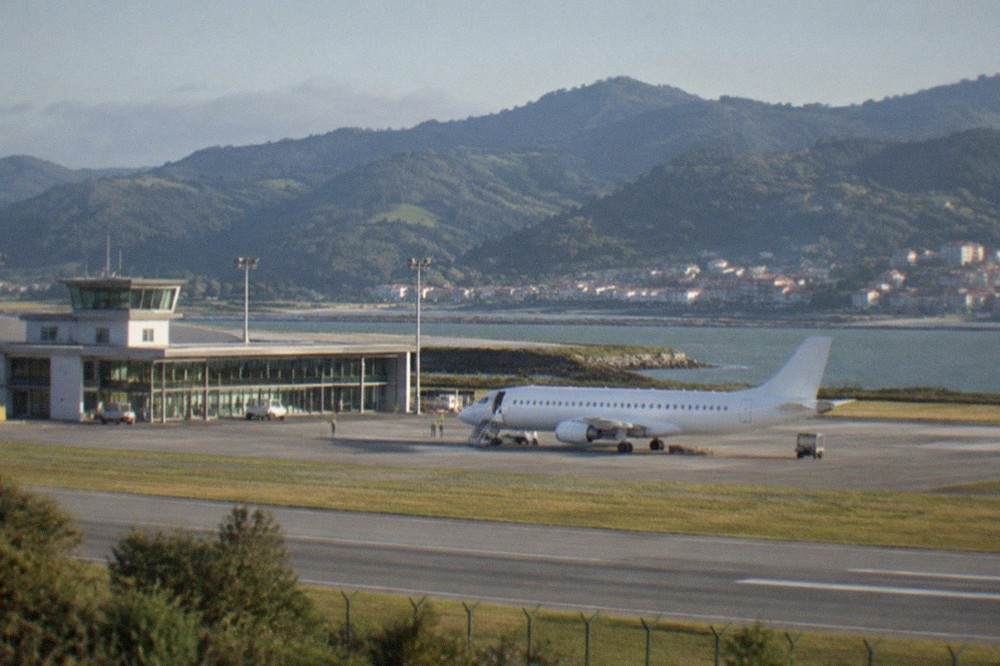
The Hondarribia option deserves a warning that most guides miss. The tourism board's own page on getting to the city still tells readers that bus line E21 serves the airport all year. The operator says otherwise: since 1 June 2026, E21 does not stop at the airport at all, neither to board nor to alight. The lines that do serve it are E20, E23, E25, E27, E28, E29 and E30, and E30 is the direct Donostia to airport line. If a page tells you to catch the E21 from the terminal, it is out of date.
Biarritz suits travellers whose London flight lands in France, and the border crossing at Hendaye is a genuine alternative route into the city by rail, covered further down this page. What this site does not publish is the Biarritz airport bus detail: the research behind these pages could not confirm the operator, fare or frequency from an official source, so check the airport's own information before committing to it. The same honesty applies to the EAS airport bus journey time and its fare zone.
Whichever airport you choose, the moment you actually arrive in the city is worth a small amount of planning too. A self-guided option like the essence and culture audio tour lets you start exploring the same afternoon without waiting for a fixed departure time, and there is a full overview of tours in San Sebastian on this site if you want to compare guided and independent styles before you fly.
How Do You Get From Bilbao Airport To San Sebastian?
The Bilbao airport coach is the standard answer: the Basque Government's airport page lists PESA Lurraldebus with a fare of 17.10 EUR to San Sebastián and a journey of about 75 minutes. In winter it runs hourly from the airport between 07:45 and 23:45 on working days, and in July and August it runs every 30 minutes. The page carries no date stamp, so treat the fare as listed rather than guaranteed and re-check with the operator before you travel.
The timetable detail is worth having in front of you, because the seasonal differences are large. This table restates what the Basque Government's Bilbao airport page gives.
| Period | From Bilbao airport | Frequency |
|---|---|---|
| Winter, working days | 07:45 to 23:45 | Hourly |
| Winter, weekends and holidays | 06:45 to 23:45 | Hourly |
| July and August, from airport | 06:15 or 07:15 to 23:45 | Every 30 minutes |
| July and August, from San Sebastián | 04:30 to 21:30 | Every 30 minutes |
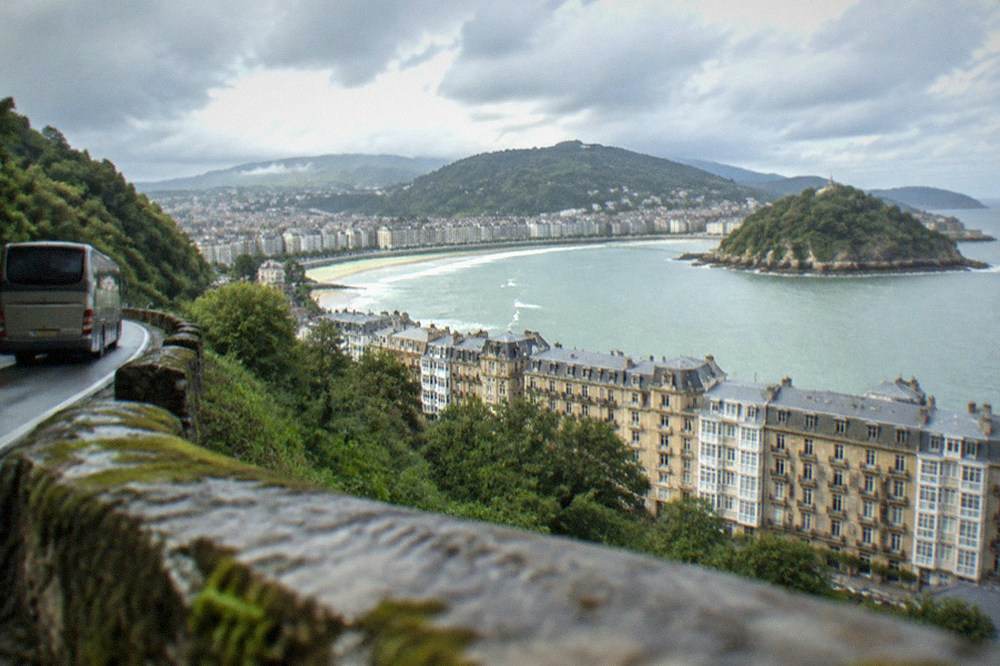
The operator behind the service is PESA, now part of the Avanza group, and its Gipuzkoa site lists the Bilbao airport route among its lines. That is the place to confirm the current fare before you fly, since the government page that carries the 17.10 EUR figure is undated. This site's rule on transport prices is simple: no fare gets printed unless an official source attaches it to that exact service, and the Bilbao airport coach is the one airport fare in the region that clears that bar, with the caveat stated.
From the San Sebastián end, the coach arrives at the city's bus station, which sits alongside the train station in the Amara area, a short walk or one dBus ride from the centre. That location matters for the rest of this page, because Amara is also the working terminus of the Euskotren Topo line, the railway that runs east along the coast towards the French border.
Once you have dumped your bags, the city is genuinely walkable, and if you would rather have a structure for the first evening, the audio tour above is designed for exactly that arrival-day slot. For a wider view of how the city fits together, the San Sebastian map guide is the companion page to this one.
Can You Take The Train From London To San Sebastian?
A rail journey from London to San Sebastián is possible and scenic, but it is a multi-leg trip: London to Paris, Paris towards the Spanish border, and then the Basque network into the city, with a change of train at the border area. This site publishes no fare or journey time for the London to Paris or Paris to Hendaye legs, so plan those legs from the operators' own sites.
The piece of the rail journey that this site can state with confidence is the Basque end. The Euskotren Topo, the coastal railway, runs from Amara-Donostia station to Hendaia on the French side of the border, and the official timetable data gives the journey at 37 to 38 minutes with a typical frequency of every 30 minutes on the busiest service day. The occasional fare for that trip is 2.90 EUR, which matches the MUGI one-jump fare. That makes the Topo the practical link between the city and the border, useful whether you arrive from the French side or day-trip over it.
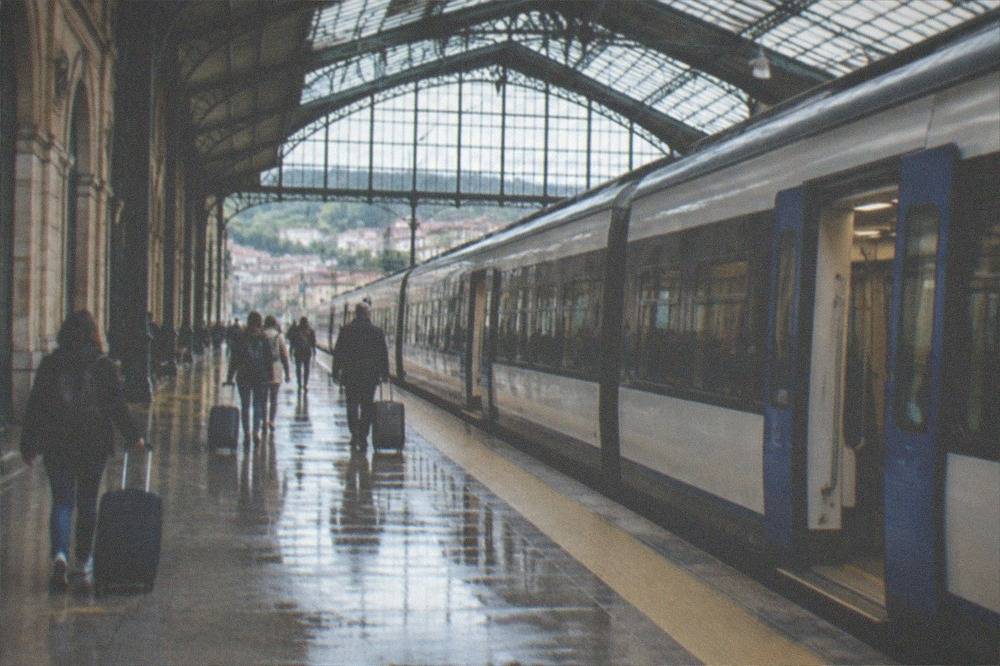
Two things about the rail picture are in flux, and honest pages say so without inventing dates. The new underground Topo section through the city centre finished its civil works in June 2026, including the station beside La Concha, but no opening date has been published, and Amara remains the working terminus. Separately, high-speed rail's arrival in the region has no confirmed date either, so any itinerary that assumes a fast train link is built on hope. The Renfe Cercanias network does serve the city, but this site prints no fares or frequencies for it beyond what appears here.
The practical reading for a London traveller: the train is a fine choice if you enjoy the journey itself and want to arrive in the city centre rather than at an airport bus stop, but it costs you a day each way. If your holiday is a long weekend, fly into Bilbao and take the coach.
How Do You Get Around San Sebastian Once You Arrive?
A MUGI card is the answer to almost every local transport question in San Sebastián, because one fare system covers dBus city buses, Lurraldebus regional buses and the Euskotren Topo railway. A single urban bus trip on a MUGI anonymous card costs 0.78 EUR against 1.95 EUR paid in cash, and a one-jump trip such as Amara to Hendaia on the Topo costs 1.16 EUR on the same card. Cash on the bus buys no free transfers, the card does.
The fare table below is the MUGI tariff as published, and it is the single most useful table on this page for anyone standing at a ticket machine on arrival day. The rest of the planning pages sit on San Sebastian Spain Guide.
| Ticket | Urban, 0 jumps | 1 jump | 2 jumps | 3 jumps |
|---|---|---|---|---|
| Occasional, cash | 1.95 EUR | 2.90 EUR | 5.40 EUR | 7.90 EUR |
| Night ticket | 2.65 EUR | 3.70 EUR | 6.45 EUR | 8.95 EUR |
| MUGI anonymous card | 0.78 EUR | 1.16 EUR | 2.16 EUR | 3.16 EUR |
| MUGI personalised, trips 1 to 20 | 0.59 EUR | 0.88 EUR | 1.64 EUR | 2.41 EUR |
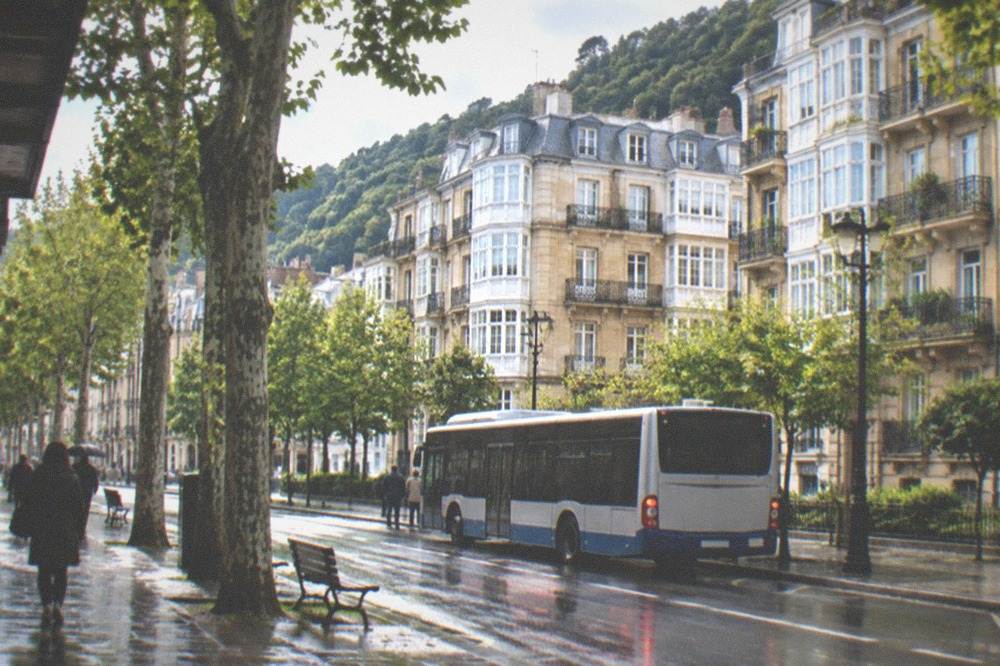
The "urban" fare covers the city and the Pasaia harbour ferry connection, which is a detail worth knowing if your plans drift east along the coast. The personalised card's cheapest tier applies to your first twenty trips in a calendar month, after which the price steps up. What this site does not print is the purchase price of the card itself.
The honest advice is simpler than the tariff looks. The centre of San Sebastián is compact enough that you will walk almost everywhere, and the beaches, the Old Town and the Romantic Area sit within an easy stroll of each other. The card earns its keep on the airport-adjacent bus lines, the Topo to the border, and wet days when the walk loses its charm. The city's rain is not a rumour: AEMET's Igeldo station records 1,507 mm a year over 141 rain days, and even July, the driest month, averages 86 mm. Pack for it, and read the San Sebastian weather guide before you choose your dates.
What Should You Do On Your First Day In San Sebastian?
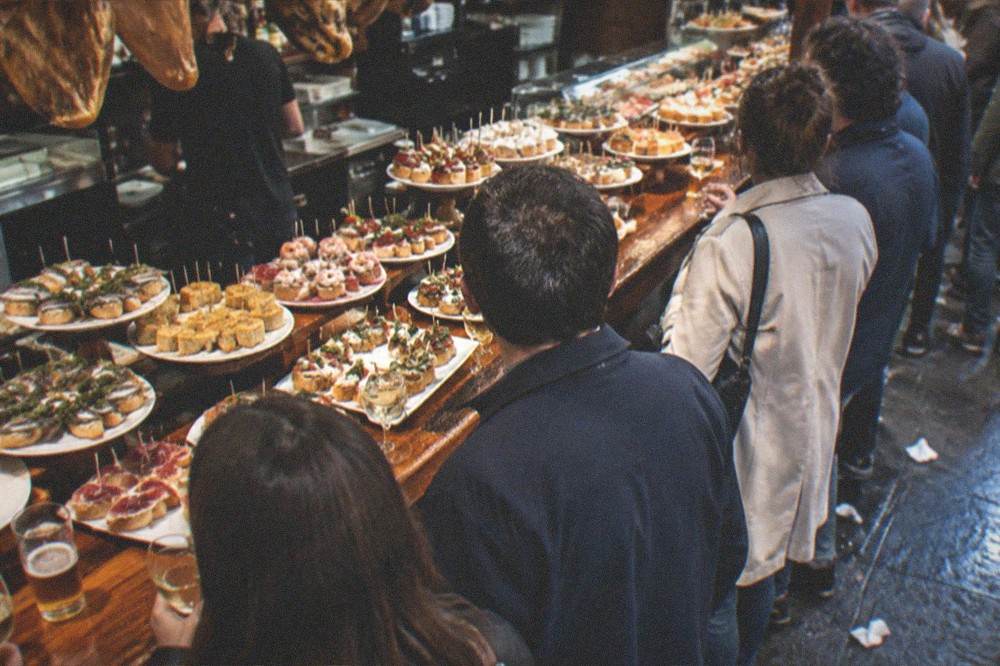
Start on La Concha, the 1,350 metre beach that gives the city its shape, then walk into the Parte Vieja, the Old Town, for pintxos in the early evening, when the bars fill. The three council beaches, La Concha, Ondarreta and Zurriola, are all sandy and free to access, lifeguards are on duty from 1 June to 30 September, and the Old Town's pintxo bars are the reason many people made the journey from London in the first place.
The beach picture, from the city council's own pages, is worth a table because the three beaches have genuinely different characters.
| Beach | Length | Width | Character |
|---|---|---|---|
| La Concha | 1,350 m | 40 m | Sandy and shallow, the tide often limits usable area |
| Ondarreta | 600 m | 100 m | Sandy, busy, the walk to the Peine del Viento starts at its west end |
| Zurriola | 800 m | 110 m | Sandy and fairly open, strong swell, the surfers' beach |
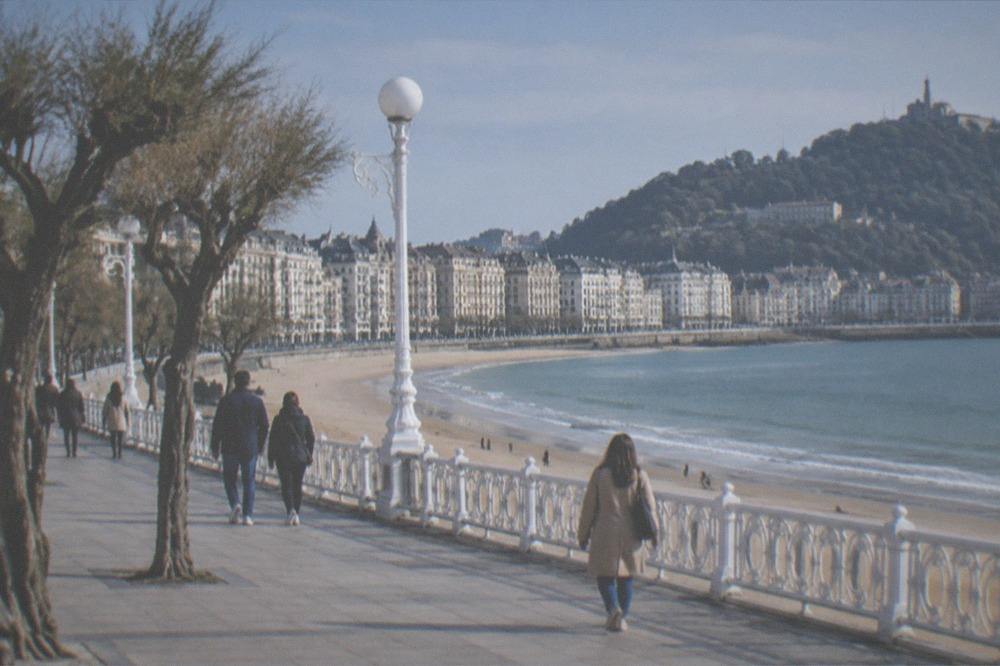
If the sea is flat and the sun is out, the boat to Santa Clara Island runs every 30 minutes in high season, from 1 June to 30 September, at 5 EUR return for the direct red line, with the last boat back at 20:00 in the summer months. The island's lighthouse holds Hondalea, a free installation by Cristina Iglesias open in the same season, with sessions every half hour and no booking needed for the visit itself, only the boat. Both close after 30 September, so an October arrival means the bay stays a view rather than a destination.
For the evening, the pintxo bars of the Old Town are the city's signature, and the question of what a pintxo actually is has its own page: start with what pintxos are and then work through the best pintxo bars in San Sebastian. A guided crawl takes the guesswork out of a first night, and the pintxos, drinks and tapas tour with a local is the one this site would point a first-time visitor towards, with the operator's live listing carrying the current price and dates.
Beyond the first evening, the city's food reputation is not marketing. The MICHELIN Guide Spain 2026 counts 6 restaurants holding 11 stars inside the municipality, including two three-star houses, Akelaŕe and Arzak. Martín Berasategui, also three stars, is in Lasarte-Oria, a separate municipality, so do not book it expecting a city-centre table. The full picture is in the Michelin restaurants guide.
When Is The Best Time Of Year To Make The London To San Sebastian Trip?
September is a strong month for a visit: the sea is at its warmest after summer, hotel demand has eased from the August peak, and AEMET's normals give September a mean of 18 C with 111 mm of rain, drier than either August at 117 mm or October at 159 mm. August is the busiest month for hotel stays in the city, and July is the driest at 86 mm, but July and August together carry the crowds, the highest prices and Semana Grande fireworks.
The climate table below is AEMET's own normals for its Igeldo station, the period 1981 to 2010, measured 250 m up on Monte Igeldo so the seafront runs slightly warmer than these values.
| Month | Mean C | Rain mm | Rain days | Sun hours |
|---|---|---|---|---|
| May | 14.4 | 120 | 12.2 | 181 |
| June | 16.9 | 90 | 10.6 | 189 |
| July | 18.9 | 86 | 9.8 | 196 |
| August | 19.5 | 117 | 10.5 | 190 |
| September | 18.0 | 111 | 10.1 | 179 |
| October | 15.5 | 159 | 11.8 | 140 |
Read that table honestly. August is wetter than June and July, and November is the wettest month of all at 169 mm. This is an Atlantic city, not a Mediterranean one, and no month averages under 86 mm of rain. The reward for accepting that is a green coastline, a bay that never looks the same two days running, and a city that does not shut down in winter. The month-by-month detail, including what is open in the low season, is in the best time to visit guide.
The event calendar can outweigh the weather if you time it right. Semana Grande always runs the week of 15 August, Saturday to Saturday, with the International Fireworks Competition over the bay. The La Concha regattas, first held in 1879, take place on the first two Sundays of September. The film festival fills the city in late September, and Jazzaldia and the Quincena Musical carry the summer. The full calendar, with the rules that govern each date, is in the San Sebastian festivals guide.
Is San Sebastian Expensive Once You Arrive?
San Sebastián is one of Spain's pricier cities for food and lodging, but the arrival-day basics are cheap: a city bus trip costs 0.78 EUR on a MUGI card, the San Telmo museum charges 10.00 EUR general admission and is free every Tuesday, the Monte Igueldo funicular return is 5.50 EUR, and the island boat is 5 EUR return in season. The serious money goes on restaurants, and there the range is enormous, from standing pintxos to tables that need booking months ahead.
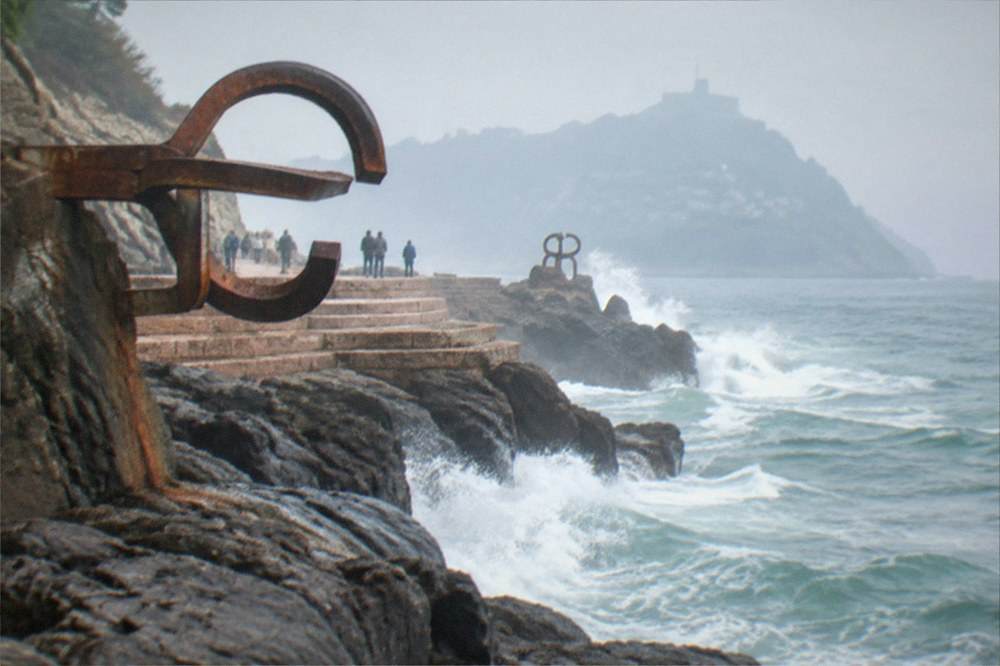
The free and cheap layer of the city is bigger than it might seem. Monte Urgull, the hill between the Old Town and the bay, is free to walk and open from 08:00, closing at 21:00 in summer and 19:30 from 1 October. The Peine del Viento, Eduardo Chillida's three steel sculptures at the foot of Monte Igeldo, is an open seafront plaza, free at any hour, and the waves that explode through its vents are the city's best free show. Tabakalera, the former tobacco factory turned cultural centre, has free access to the building and closed Mondays. The longer list is in the free things to do in San Sebastian guide, and the overall cost picture, including how the city compares with other Spanish destinations, is in is San Sebastian expensive.
One cost that does not exist yet, despite what some booking pages imply: a tourist tax. Norma Foral 3/2026 of Gipuzkoa creates one, with bands running up to 6.50 EUR per person per night depending on the accommodation, charged for at most six nights, with under 18s exempt, but it takes effect on 1 January 2027 and the city's own rate has not been published. Before that date, nobody pays it, and no page should quote you a San Sebastián figure.
If the trip stretches beyond a weekend, the coast east of the city is the natural second act. Hondarribia, the walled town where the airport actually sits, pairs with the fishing ports of Pasajes de San Juan and San Pedro on a half-day loop, and the shared tour covering all three is the structured way to do it. The wider menu, from Biarritz to Bilbao to the Rioja wine country, is in the day trips from San Sebastian guide.
Common Questions About Travel From London To San Sebastian
Is there a direct flight from London to San Sebastian?
The city's own airport at Hondarribia, 20 km away, is small, and this site publishes no route map for it because no verified schedule is in the record. Most London itineraries route through Bilbao, 105 km away, which has the region's widest schedule and a direct coach onward, or Biarritz in France at 45 km. Check current routes with the airlines and the airports before booking.
How far is San Sebastian Airport from the city?
The tourism board gives the distance as 20 km. The airport sits at Hondarribia, a separate municipality on the estuary near the French border. Lurraldebus lines E20, E23, E25, E27, E28, E29 and E30 serve it, with E30 the direct line, and line E21 has not stopped there since 1 June 2026.
Do you need a car in San Sebastian?
No. The centre is compact and walkable, dBus city buses and the Euskotren Topo run under the MUGI fare system, and the coast east and west is covered by Lurraldebus and the Topo railway. A car earns its keep only for a self-drive loop of the Gipuzkoa coast or a deep Basque Country itinerary; parking in the city itself has its own rules, covered on this site's parking page.
Can you arrive by train from France?
Yes. The Euskotren Topo runs from Amara-Donostia to Hendaia on the French side in 37 to 38 minutes, typically every 30 minutes on the busiest service day, at an occasional fare of 2.90 EUR. A London rail itinerary via Paris and the French network can finish over the border and ride the Topo in.
Is there a tourist tax in San Sebastian?
Not before 1 January 2027. Norma Foral 3/2026 of Gipuzkoa creates one with bands up to 6.50 EUR per person per night depending on accommodation, charged for at most six nights, with under 18s exempt, but it is not yet charged and the city's own rate has not been published. No page should quote a single San Sebastián figure.
How many days do you need after the journey?
Two full days covers the bay, the Old Town and one hill; three lets you add a beach day, a museum day or a half-day trip to Hondarribia or the coast. The trade-offs, including whether one day is enough, are worked through in the how many days guide on this site.
The journey from London is really two decisions: which airport to land at, and what to do with the first evening. Land at Bilbao and ride the coach if you want the simplest option, use Hondarribia if your routing allows, and once you are through the doors at Amara, the city does the rest, one bay, three beaches and a plate of pintxos at a time. For the full menu once you have arrived, start with things to do in San Sebastian.