Free Things To Do In San Sebastian
San Sebastián, the Basque city on La Concha bay whose official name is Donostia / San Sebastián, has a reputation for expensive eating, yet a full day of its best sights costs nothing at all.
Short answer
The genuinely free highlights of San Sebastián are its three beaches, the walk up Monte Urgull, the Peine del Viento sculptures, Tabakalera's free-access building, San Telmo Museoa on free Tuesdays, the Hondalea art installation in season, and tip-based GuruWalk walking tours.
San Sebastián, in the Basque Country of Spain, is the city on La Concha bay whose official municipal name is Donostia / San Sebastián, and Donostia is the name locals use in Basque. It is known for Michelin-starred dining and for pintxo bars where the bills add up fast. What the food reputation hides is how much of the city costs nothing: the beaches, both hills that flank the bay, the seafront sculptures, a contemporary culture centre with free access, a museum with a free day every week, and a set of walking tours that run on tips alone. This page lays out what is genuinely free, with the hours, seasons and rules that each venue's own site states, so a day built around them can be planned rather than guessed at.
What Is Genuinely Free In San Sebastian?
The free core of San Sebastián is its public space: all three beaches, the hill of Monte Urgull with its access hours, the Peine del Viento sculptures at Ondarreta's west end, Tabakalera's free-access building, San Telmo Museoa every Tuesday, and the Hondalea installation on Santa Clara island during its summer season. Add tip-based GuruWalk tours and the free spectacle of the regattas and Tamborrada, and several full days can be spent without an entrance fee anywhere.
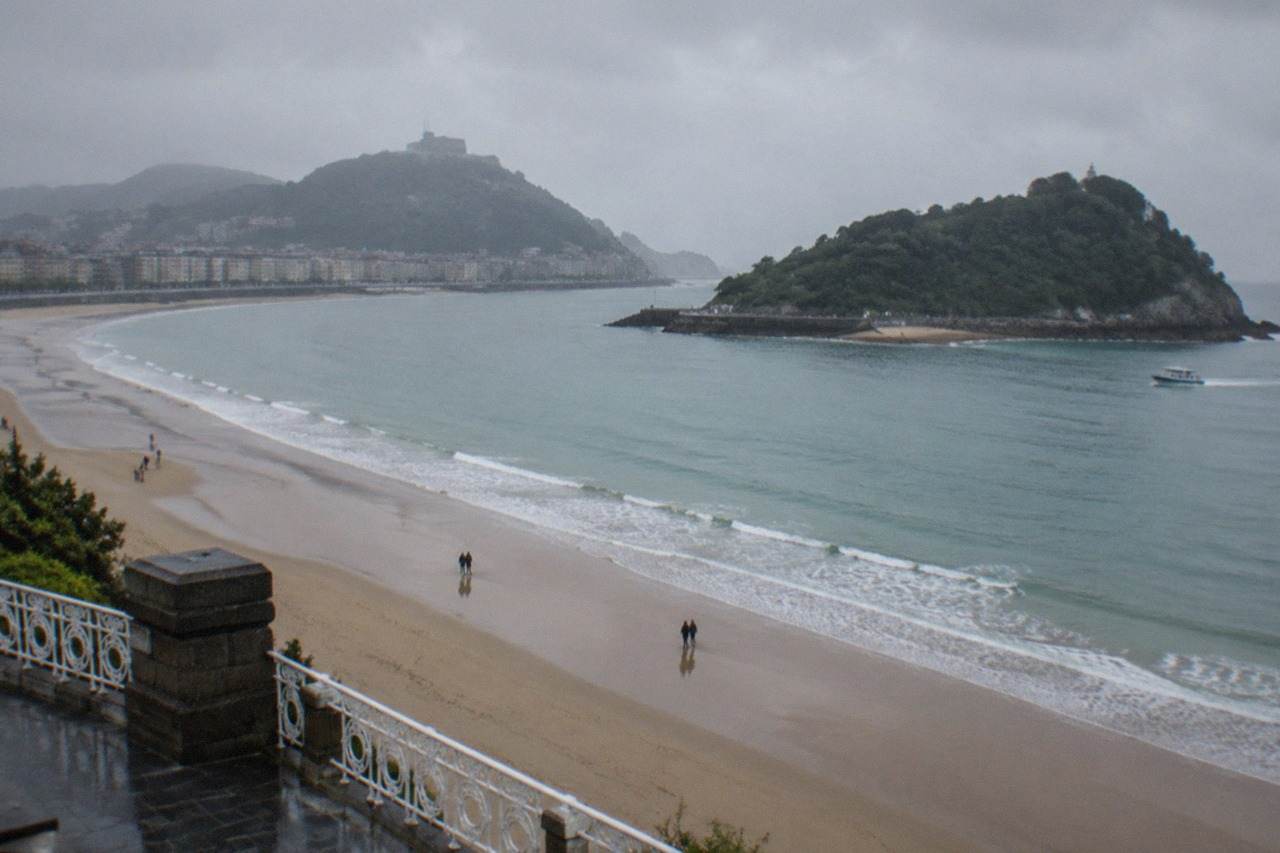
That list is not a set of second-rate leftovers. La Concha is the city's defining sight, and the council's own beach page describes it as sandy and shallow, 1,350 metres long, with the tide often limiting the usable area. The two hills, Urgull and Igueldo, frame the bay at each end, and the walk up Urgull is one of the best free viewpoints anywhere on this coast. The catch, and it applies to almost everything below, is seasonality: lifeguards, the island boat and Hondalea all run 1 June to 30 September, and the weather is Atlantic rather than Mediterranean. AEMET's normals for its Igeldo station, recorded 250 metres up on Monte Igeldo, show 1,507 mm of rain a year over 141 rain days, and even July, the driest month, averages 86 mm. A free day here needs a rain plan, and this guide gives you one.
The table below is the short version of the whole page: what is free, when, and what the catch is.
| Free thing | What you get | When it works | The catch |
|---|---|---|---|
| All three beaches | Sand and swimming at La Concha, Ondarreta, Zurriola | Year-round access | Lifeguards only 1 June to 30 September |
| Monte Urgull | Hill paths, Castillo de la Mota, bay viewpoints | 08:00 to 21:00 summer, 08:00 to 19:30 winter | Closed at night |
| Peine del Viento | Three Chillida steel sculptures on the rocks | Always visible | Sea spray when the swell is up |
| Tabakalera | Free-access building, exhibitions in halls | Tue to Sun 10:00 to 21:00 | Closed Mondays; halls have split hours |
| San Telmo Museoa | Full museum collection | Every Tuesday | Closed Mondays otherwise |
| Hondalea | Lighthouse art installation, about 20 minutes | 1 June to 30 September, 11:00 to 18:30 | Island boat is paid, weather dependent |
| GuruWalk tours | Tip-based historic walking tours | Scheduled departures | Tip expected, English sessions vary |
Which Beaches In San Sebastian Cost Nothing?
Every beach in San Sebastián is free to enter and free to sit on: La Concha at 1,350 metres, Ondarreta at 600 and Zurriola at 800, all public sand with no gate, no entry charge and no club system. What costs money is equipment, since the council lists awning hire at 13.10 EUR a day on La Concha and Zurriola, and parasols and loungers separately. The sand, the water and the promenade are free all year.
The council's own pages give each beach its character. La Concha is sandy and shallow, which is why families fill it in August, and the tide often limits the usable area. Ondarreta, at the bay's west end under Monte Igueldo, is the locals' stretch, 100 metres wide on average, and the walk to the Peine del Viento starts at its west end. Zurriola, facing the open Atlantic in the Gros district, is where the council's page notes a strong swell, and it is the surfers' beach of the three. None of this costs anything.
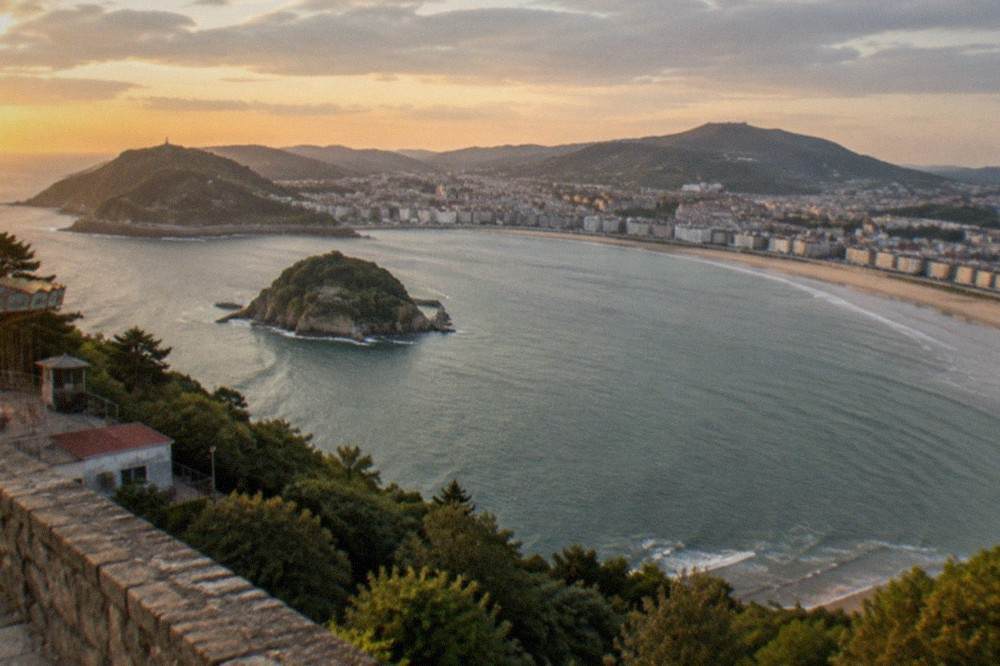
Two practical rules come from the council's pages rather than from guesswork. First, the lifeguard service on all three beaches runs 1 June to 30 September, with full hours of 10:00 to 20:00 from 15 June to 15 September and reduced hours of 13:30 to 19:30 for the last two weeks of September. Outside that window you swim at your own risk, and on Zurriola that deserves respect given the strong swell. Second, assisted bathing for visitors with reduced mobility runs 15 June to 15 September, and that service is free to use. The weekly bathing-water sampling is published by the Basque Government's health department across eight city sampling points during the season, so water quality is a matter of public record rather than rumour.
| Beach | Mean length | Mean width | Council description | Free equipment? |
|---|---|---|---|---|
| La Concha | 1,350 m | 40 m | Sandy, shallow, tide often limits usable area | No, hire is charged |
| Ondarreta | 600 m | 100 m | Sandy, heavy summer use | No, hire is charged |
| Zurriola | 800 m | 110 m | Sandy, fairly open, strong swell | No, hire is charged |
If the plan is a day built around the sand, the fuller beach-by-beach detail, including the answers on swimming at La Concha, sits on the city's beaches guide and the direct answer page on whether La Concha is free.
Is Monte Urgull Free To Walk Up?
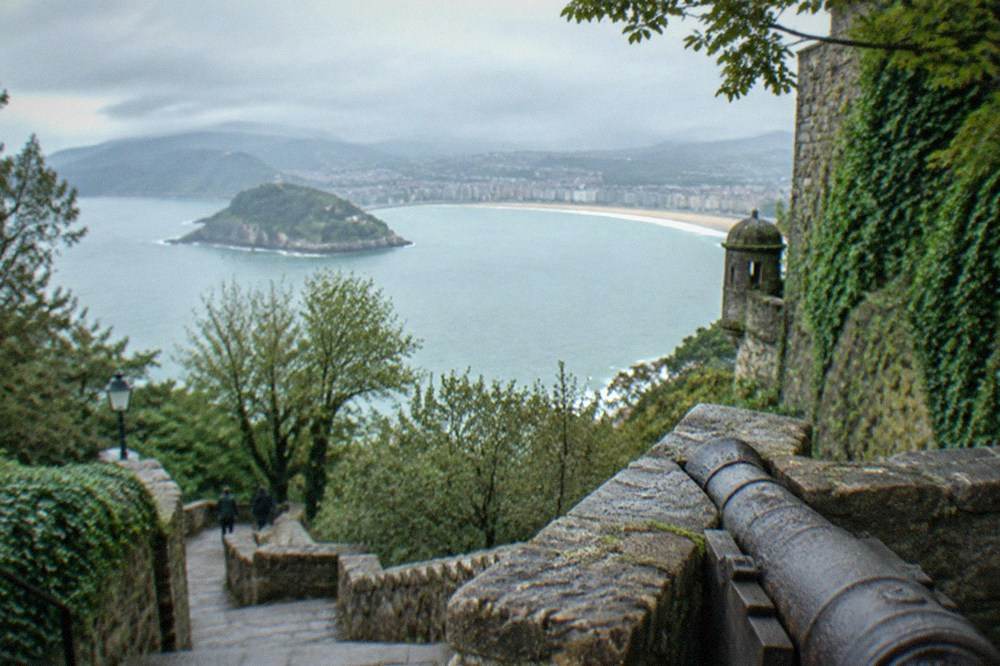
Monte Urgull is completely free to enter, with gates open 08:00 to 21:00 from 1 May to 30 September and 08:00 to 19:30 from 1 October to 30 April, as the tourism board's page states. The hill rises between the Old Town and the mouth of the bay, its paths are public, the Castillo de la Mota stands at the top, and the only building with a ticket is the small Casa de la Historia museum inside, which is run by San Telmo.
The walk up is the single best free viewpoint in the city. From the Old Town side you enter through the trees near the aquarium end and climb to the English Cemetery and the fortifications; from the top the whole bay opens up, La Concha to the left, Zurriola and the Kursaal to the right, Santa Clara island in the middle of the water. The tourism board's page describes the hill's history as the city's old defensive mount, and the Castillo de la Mota at the summit is the shell that survives from it. Nothing on the hill asks for money, and the closing hours are the only rule that matters: the hill is closed at night, so the sunset crowd comes down with the light.
The other hill, Monte Igueldo on the bay's west side, is a different proposition, and the difference matters for a free itinerary. Monte Igueldo is a private funicular-and-park operation: the funicular's own site lists a return adult ticket at 5.50 EUR and states that the ticket includes entry to the grounds, while arriving by any vehicle or on foot costs 3.00 EUR per person for grounds and viewpoint. So Urgull is the free hill and Igueldo is the paid one, and the funicular's home page also notes that downhill-only funicular tickets are not on sale, which rules out the walk-up, ride-down plan that gets repeated elsewhere. The Monte Igueldo guide covers the paid side in full.
| Hill | Entry cost | Access hours | What is at the top |
|---|---|---|---|
| Monte Urgull | Free | 08:00 to 21:00 May to Sep, 08:00 to 19:30 Oct to Apr | Castillo de la Mota, viewpoints, Casa de la Historia |
| Monte Igueldo | 3.00 EUR grounds on foot, 5.50 EUR return funicular | Published on its own site's date selector | Amusement park, viewpoint over the bay |
What Is Free At San Sebastian's Museums?
Two of the city's cultural venues are free in a meaningful way: Tabakalera, the former tobacco factory turned contemporary culture centre, has free access to its building Tuesday to Sunday from 10:00 to 21:00, and San Telmo Museoa, the city's main museum, is free for everyone every Tuesday. San Telmo otherwise charges 10.00 EUR general and 4.00 EUR reduced, and its own page adds free entry for under 25s on any open day.
Tabakalera is the easy one. The venue's own page states free access, building hours of 10:00 to 21:00 Tuesday to Sunday and holidays, closed Mondays, and exhibition halls on floors 0 and 1 open 11:00 to 13:00 and 16:00 to 20:00. Even when no exhibition is running, the building itself, with its cafe spaces and film and photography programme, is a free place to spend a wet afternoon, and in this city there will be wet afternoons. The Tabakalera guide has the detail.
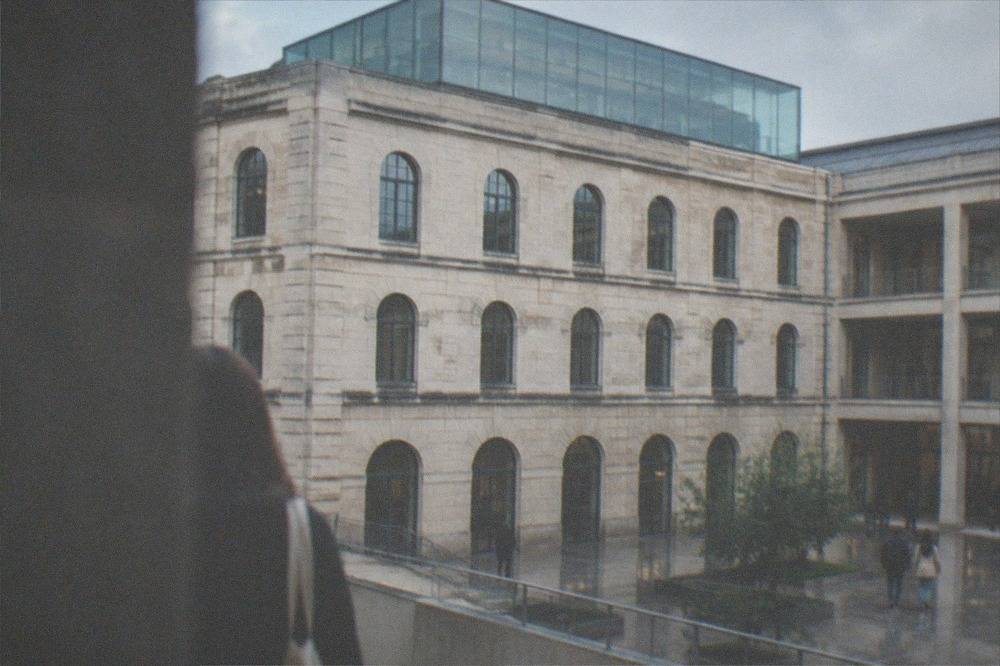
San Telmo Museoa, set into the wall of Monte Urgull at the edge of the Old Town, is the city's museum of Basque society and history, and its free Tuesday is a detail that goes unnoticed. The museum's own page gives the full schedule: Tuesday to Sunday, 10:00 to 19:00 in winter from 1 November to 31 March and 10:00 to 20:00 in summer from 1 April to 31 October, closed Mondays except holidays and long weekends, and closed on 1 and 20 January and 25 December. Reduced tickets at 4.00 EUR cover students, visitors over 65 and large families. If Tuesday does not fit the itinerary, the museum is still the best-paid 10 euros in the city, and the San Telmo guide walks through the collection.
The other museums in the city are not free, and this page will not pretend otherwise. The aquarium publishes hours but not prices on its own site, so check the ticket desk; Eureka! Zientzia Museoa lists 10 EUR general for the museum and 12.50 EUR for museum plus planetarium; Chillida Leku, in Hernani outside the city, charges 14 EUR for adults and is closed Tuesdays and Wednesdays. Hondalea, covered below, is the exception that is both free and extraordinary.
Where Can You See Art Outdoors For Free In San Sebastian?
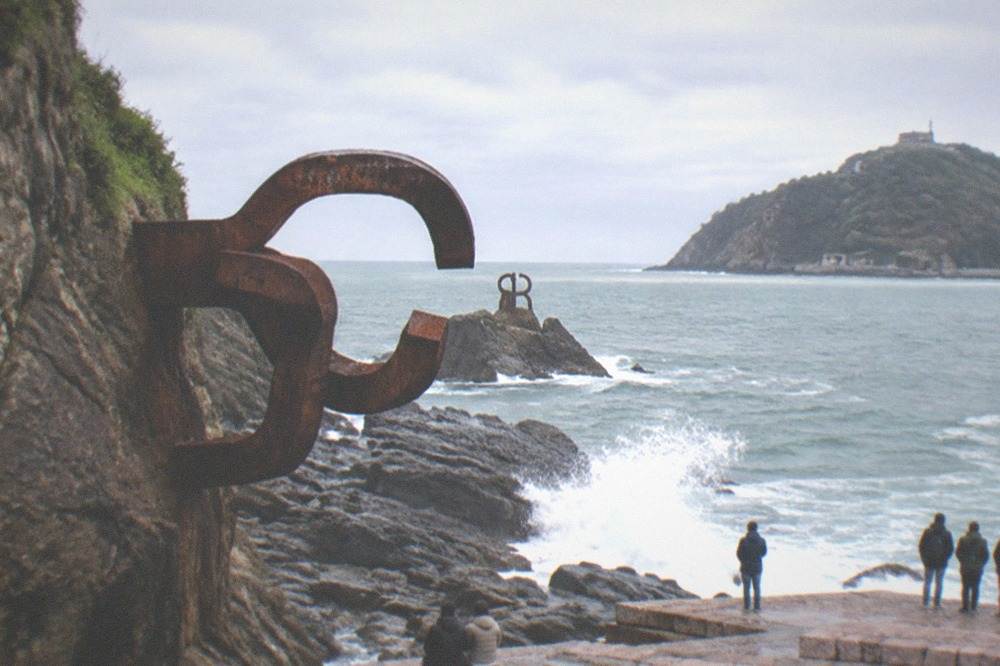
The free outdoor art of San Sebastián starts with the Peine del Viento, Eduardo Chillida's three steel sculptures of more than nine tonnes each, anchored to the rocks at the end of Monte Igueldo beside Ondarreta beach, on a pink granite plaza by the architect Luis Peña Ganchegui. The definitive work dates from 1977, when Chillida gave it to the city, and it is visible at any hour with no fence and no fee.
The Peine del Viento, the comb of the winds, is the piece to plan around, and the plan is simple: walk to the west end of Ondarreta, past the modern apartments, until the rocks begin. The sculptures are curved steel forms driven into the wave-cut rocks, and the tourism board's page records that Chillida first made works under that title in 1952 before creating the definitive work in 1977. When the Atlantic swell runs, the waves hit the plaza's blowholes and the spray goes up several metres, which is the moment photographers come for. The Peine del Viento guide covers how to time it.
Beyond the Peine, the city is an open-air sculpture walk, and the tourism board catalogues it as such. The Kursaal's two translucent cubes by Rafael Moneo, chosen in 1990 and inaugurated on 23 August 1999, stand free to walk around at the mouth of the Urumea. Miramar Palace, built in 1893 at the request of Queen María Cristina and designed by the English architect Selden Wornum, sits in gardens that run down to the sea between La Concha and Ondarreta, and the lawns are a free place from which the whole bay is laid out. The palace interior is a separate matter, and no visiting arrangement for it is published in this pack, so treat the gardens as the destination. The wider set of guides lives on San Sebastian Spain Guide.
| Outdoor art or landmark | Creator and date | Where it stands | Cost |
|---|---|---|---|
| Peine del Viento | Eduardo Chillida, 1977, plaza by Peña Ganchegui | Rocks at the end of Monte Igueldo, by Ondarreta | Free |
| Kursaal | Rafael Moneo, inaugurated 1999 | Mouth of the Urumea river | Free to view |
| Miramar Palace and gardens | Selden Wornum, 1893 | Between La Concha and Ondarreta | Gardens free |
| Monte Urgull fortifications | Historic hill defences | Between Old Town and bay | Free |
Are The Free Walking Tours In San Sebastian Really Free?
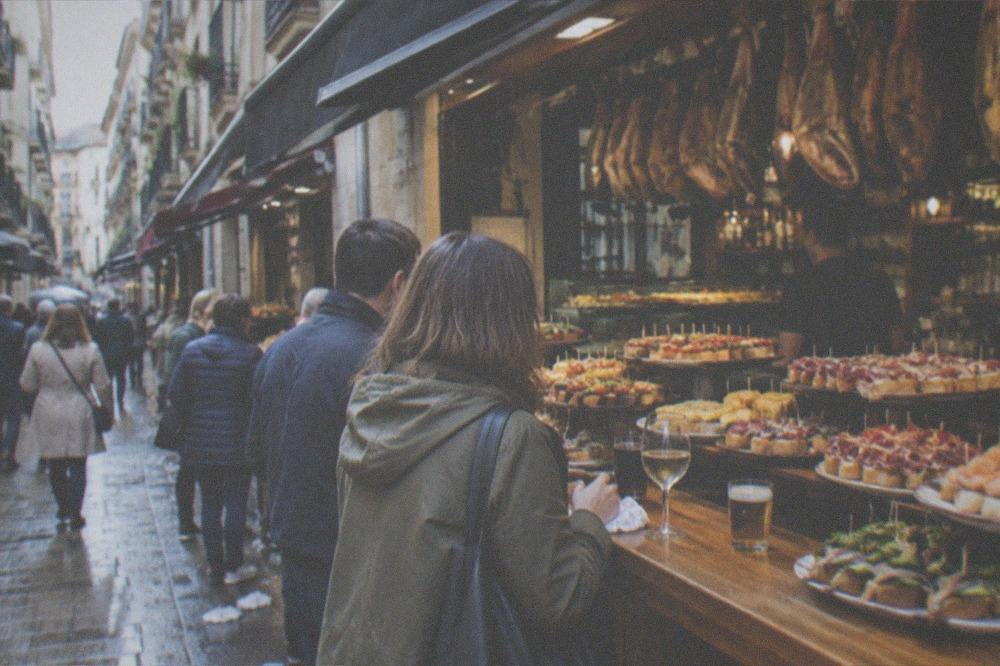
Yes, in the specific sense that GuruWalk free tours charge nothing up front and work on tips, and San Sebastián has several of them, including a bilingual historic tour with a radioguide included that runs about two and a half hours from Plaza Cervantes, and an English-only walk that starts at the Buen Pastor Cathedral.
No price belongs on this page for them because there is none: the guru sets the meeting point, the walk is pay-what-you-want at the end, and booking a place costs nothing.
The honest framing matters here. These walks are not this site's product, they run on the GuruWalk platform, and the free-tour model means the guru is paid by the tips the group gives at the end. The historic tour with the radioguide is the established one: a bilingual listing with a radioguide included, which matters in a city where street noise and a large group can swallow a guide's voice, and the listing says to pick the English session when booking. The other options include an English walk that starts at the Real Club Nautico on the bay and an English-only first-visit walk from the Buen Pastor Cathedral. Between them they cover the Old Town, the bay and the centre.
For a paid alternative with a fixed itinerary, the must-see attractions walk of the historic centre runs with a small group or a private option, and there is a dedicated page for the walking tour with a pintxo and drink included for the budget version. The wider field, paid and free, is compared on the site's walking tours guide.
What Free Events Can You Watch In San Sebastian?
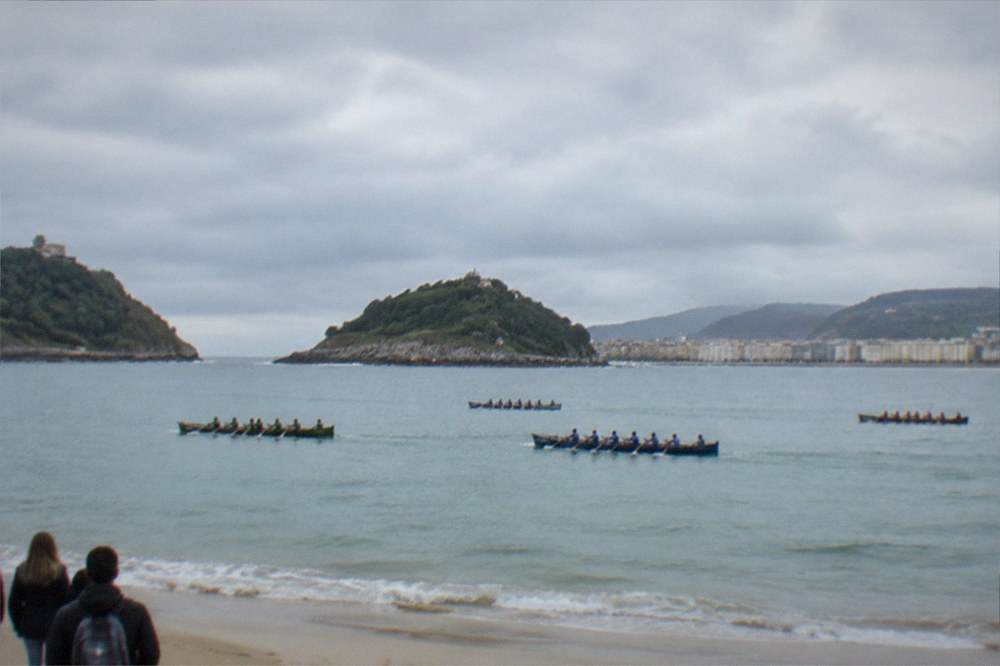
The free public events of San Sebastián are the Tamborrada drum parade on 20 January every year, the La Concha regattas on the first two Sundays of September with the women's race at 11:00 and the men's at 12:00, and the Semana Grande fireworks competition, which the tourism board schedules as always the week of 15 August, Saturday to Saturday. All three are watched from public ground: the streets, the bayfront and the sand.
The regattas are the ones to build a morning around. The Bandera de La Concha was first held in 1879, the women's flag has been raced since 2008, and the 2026 dates were 6 and 13 September. The crews row out into the bay and the whole city watches from La Concha's sand and promenade, free, with the finishing line in front of the beach. Hondalea's own notices confirm the regatta days on the water, moving its first session to 15:30 on those Sundays. The regatta guide explains the racing.
Semana Grande, Aste Nagusia, is the August festival week, and the tourism board's rule for it is simple: always the week of 15 August, Saturday to Saturday, with the 2026 edition running 8 to 15 August. The International Fireworks Competition is its centrepiece, fired over the bay each night and watched from anywhere along the seafront for nothing. The Tamborrada on 20 January fills the Old Town with drumming companies from morning to night; this pack gives no start and end hours for it, so check the programme for the timing and expect the centre to be loud and crowded all day. The festivals guide has the calendar.
| Event | Date rule | Where to watch for free | Notes |
|---|---|---|---|
| Tamborrada | 20 January every year | Old Town streets | Hours not published in this pack |
| Semana Grande fireworks | Week of 15 August, Saturday to Saturday | La Concha seafront | 2026 ran 8 to 15 August |
| La Concha regattas | First two Sundays of September | Beach and promenade | Women 11:00, men 12:00 |
| Bandera week spectacle | Regatta days | Sand of La Concha | First held 1879 |
What Free Views And Parks Does San Sebastian Have?
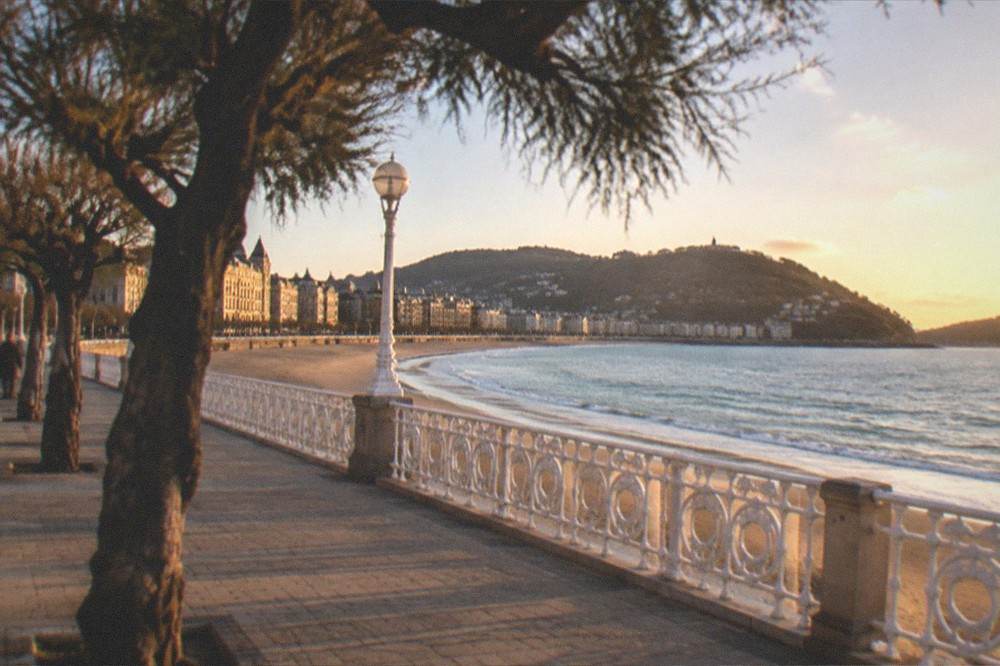
The free views of San Sebastián come from Monte Urgull's summit paths, the Peine del Viento rocks, the Miramar gardens between the two main beaches, Cristina Enea park on the east side, and the full La Concha promenade from the Kursaal to the Peine, a continuous free seafront walk that links almost everything on this page without a single ticket.
Cristina Enea is the city's quiet park, a wooded hill with peacocks and a small palace in the Egia side of town, a free place to sit when the beaches are full. The promenade is the spine: start at the Kursaal cubes, cross the Urumea, walk La Concha's whole 1,350-metre arc, continue through the Miramar gardens' lawns and on to Ondarreta, and finish at the Peine del Viento. That is a morning's free walk with the bay in view the whole way, and it is the route the one day itinerary uses as its frame.
One seasonal free sight deserves its own paragraph because it is easy to miss. Hondalea, the submerged sculpture by Cristina Iglesias inside the Santa Clara island lighthouse, inaugurated in 2021, is free to visit: the council's page gives 1 June to 30 September inclusive, 11:00 to 18:30, sessions every half hour, small groups, about 20 minutes, and no booking needed for the visit itself. The catch is the boat: the island boat is a paid service, the operator's tariff page lists the direct red line at 5 EUR return, and the boat runs its high season 1 June to 30 September, weather and sea permitting. So the art is free and the crossing is not, and after 30 September both stop, with the operator saying to consult departures in the low season. The Santa Clara island guide has the boat detail.
For the paid layer of the city, the small-group electric bike tour covers the bike-lane network out to the beaches, and it can be checked below.
Common Questions About Free Things To Do In San Sebastian
Is La Concha beach free?
Yes. All three city beaches, La Concha, Ondarreta and Zurriola, are public and free to enter, with no gate or entry charge. What costs money is equipment hire, such as the awnings the council lists at 13.10 EUR a day on La Concha and Zurriola.
Is Monte Urgull free to climb?
Yes, Monte Urgull is free to enter, with access hours of 08:00 to 21:00 from 1 May to 30 September and 08:00 to 19:30 from 1 October to 30 April. The hill is closed at night, and the Casa de la Historia museum at the top is a separate, small venue run by San Telmo.
Which museums in San Sebastian are free?
Tabakalera has free access to its building, Tuesday to Sunday 10:00 to 21:00, closed Mondays. San Telmo Museoa is free for everyone every Tuesday, and free for under 25s on any open day; otherwise it charges 10.00 EUR general and 4.00 EUR reduced. Hondalea on Santa Clara island is free in season, though the island boat is paid.
Are the free walking tours in San Sebastian actually free?
The GuruWalk tours are free to book and pay-what-you-want at the end, so the guru is paid by tips. The historic tour with a radioguide included runs about two and a half hours from Plaza Cervantes, with English and Spanish sessions, and there are English-only walks from the Real Club Nautico and the Buen Pastor Cathedral.
What is the best free thing to do in San Sebastian in the evening?
The Peine del Viento at the end of Ondarreta is free at any hour, and the Miramar gardens and La Concha promenade are open public ground for sunset. During the week of 15 August the Semana Grande fireworks competition fires over the bay every night and is watched free from the seafront.
Is San Sebastian expensive if you stick to the free sights?
The sights can cost nothing for days: beaches, both hills' public paths, the Peine del Viento, Tabakalera, free Tuesdays at San Telmo and the regatta mornings. The spending in San Sebastián happens in the pintxo bars and restaurants, which is a separate decision, and the city's costs are covered on the is San Sebastián expensive guide.
The free layer of San Sebastián is not a consolation prize for budget travellers; it is the layer the city is famous for, the bay, the hills and the sand, and it happens to be public. Pair it with one paid walk or a boat across to Santa Clara, and the day is complete.