Best Hotels In San Sebastian
San Sebastián, the Basque city on La Concha bay whose official name is Donostia / San Sebastián, packs its hotels into a small strip between the beach and the hills, and the area you pick matters more than the star rating.
Short answer
The best hotels in San Sebastián sit along La Concha seafront, in the Centre near the Buen Pastor cathedral, or in the Parte Vieja Old Town. The Hotel Maria Cristina is the city's grand landmark hotel, and the Hotel Londres faces the beach itself. Book by area first: the city is compact, but each neighbourhood gives a different trip.
San Sebastián, the Basque city on La Concha bay in Gipuzkoa, Spain, whose official name is Donostia / San Sebastián, is one of the easiest hotel towns in Europe to get right, because almost everything worth reaching sits inside a walkable strip between the beach and the river. The city's municipal register counted 189,866 residents at 1 January 2025, yet the visitor core, the La Concha and Ondarreta beaches, the Parte Vieja Old Town, the Centre and Gros, would fit inside a generous hour's walk end to end. That geography shapes every hotel decision. A hotel three kilometres from the Old Town barely exists here; a hotel on the seafront is already in the middle of everything.
The INE hotel occupancy survey recorded 1,051,562 hotel arrivals and 2,199,966 overnight stays in the city in 2025, with 63.7% of those nights spent by residents abroad, so you will be sharing the best streets with a genuinely international crowd. August is the peak, at 245,769 overnight stays, a little over twice January's 115,910, and July and August together carry 22% of the year's hotel nights. Booking early for those two months is not advice, it is arithmetic. This page lays out the areas, the landmark names, the tax that arrives in 2027 and the practical trade-offs, and if you are still weighing whether the city deserves the nights at all, start with is San Sebastian worth visiting and how many days to spend in San Sebastian.
What Are The Best Hotels In San Sebastián, Spain?
The best hotels in San Sebastián cluster in four areas: the La Concha seafront, where the Hotel Londres and its neighbours face the sand; the Centre around the Buen Pastor cathedral and the Urumea river, where the Hotel Maria Cristina anchors the grand end; the Parte Vieja Old Town, where small hotels sit above the pintxo bars; and Gros, across the river beside Zurriola beach. The city's hotel stock is compact and demand is heavy in summer, so the area matters more than the brand.
The single most useful fact about San Sebastián hotels is that the city is small. The council's own beach figures make the point: La Concha runs 1,350 metres, Ondarreta 600 and Zurriola 800, and all three sit within one continuous bay. A hotel anywhere in the Centre is a short walk from all of them. That means the usual big-city question, "which district is safe and central", mostly dissolves here, and the real question becomes what kind of stay you want: seafront calm, Old Town noise and food, or the surf-side feel of Gros.
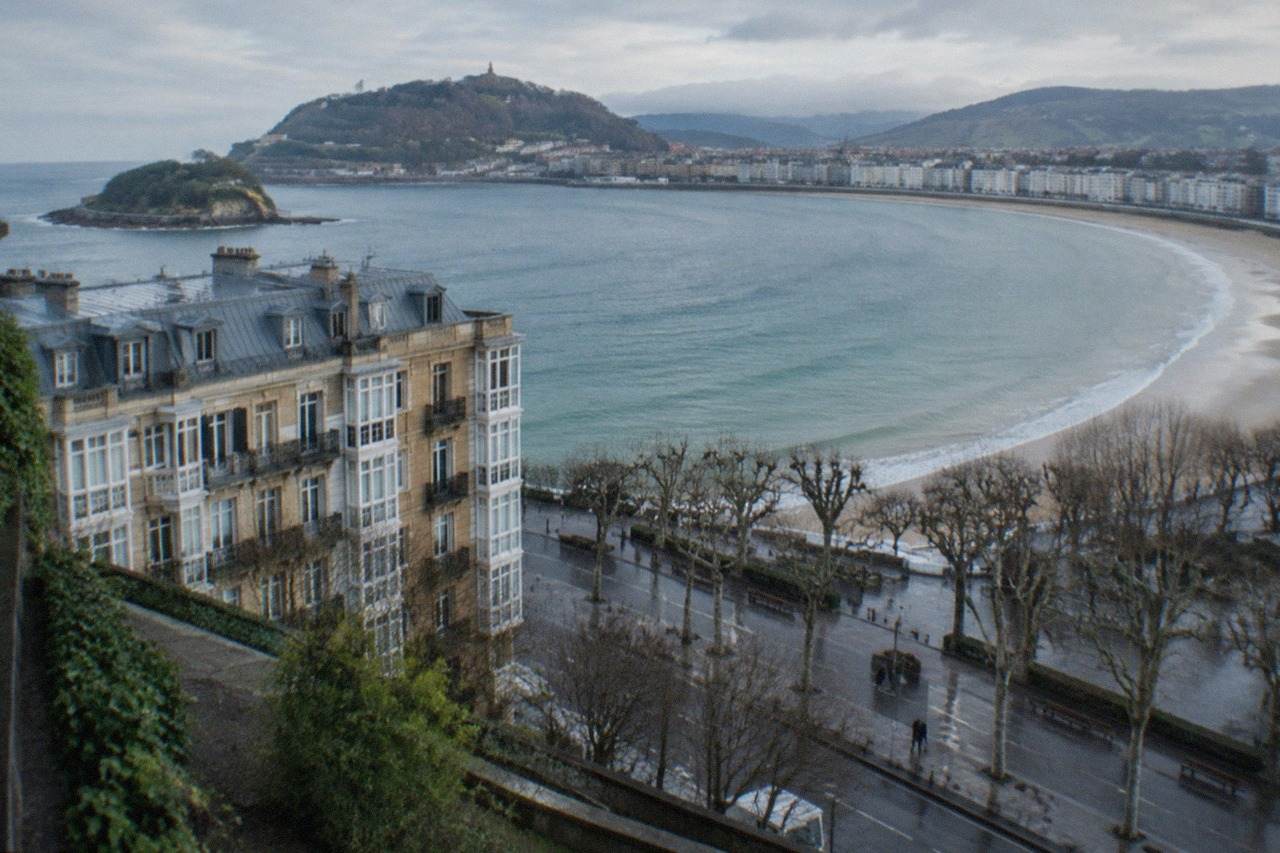
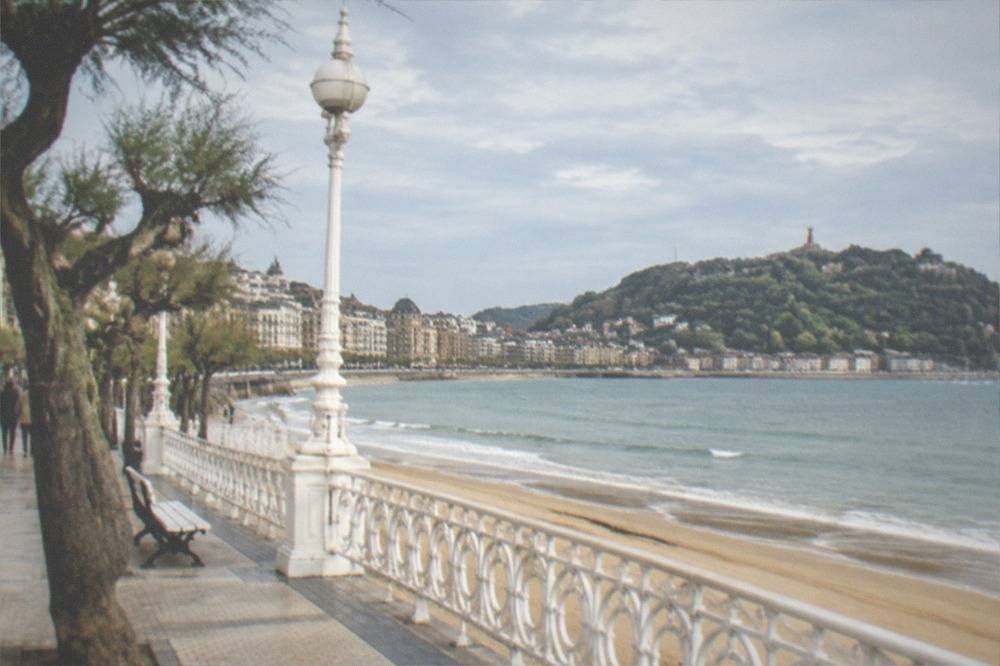
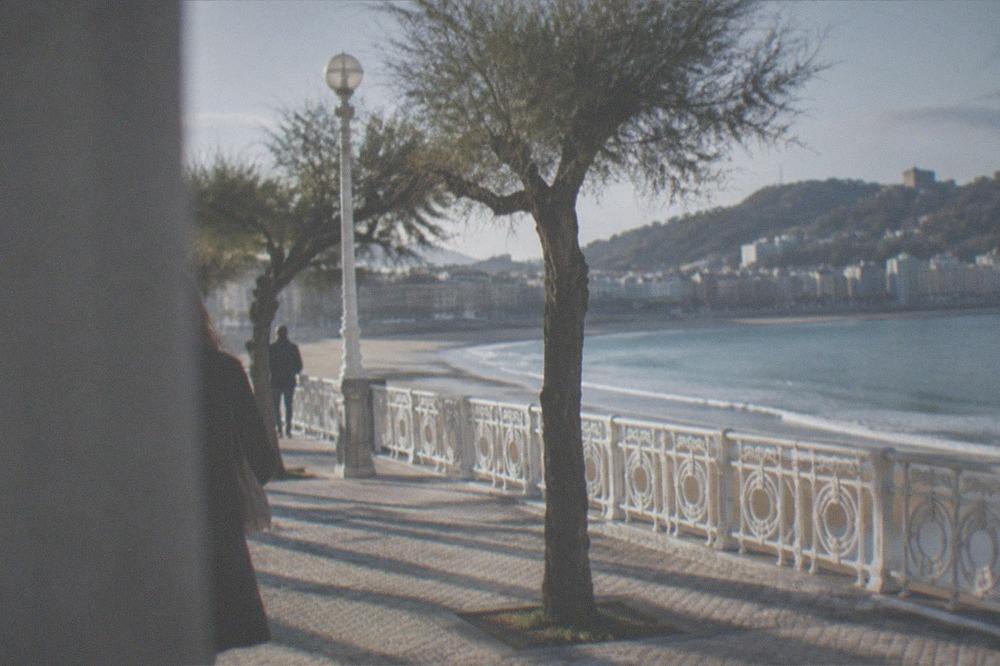
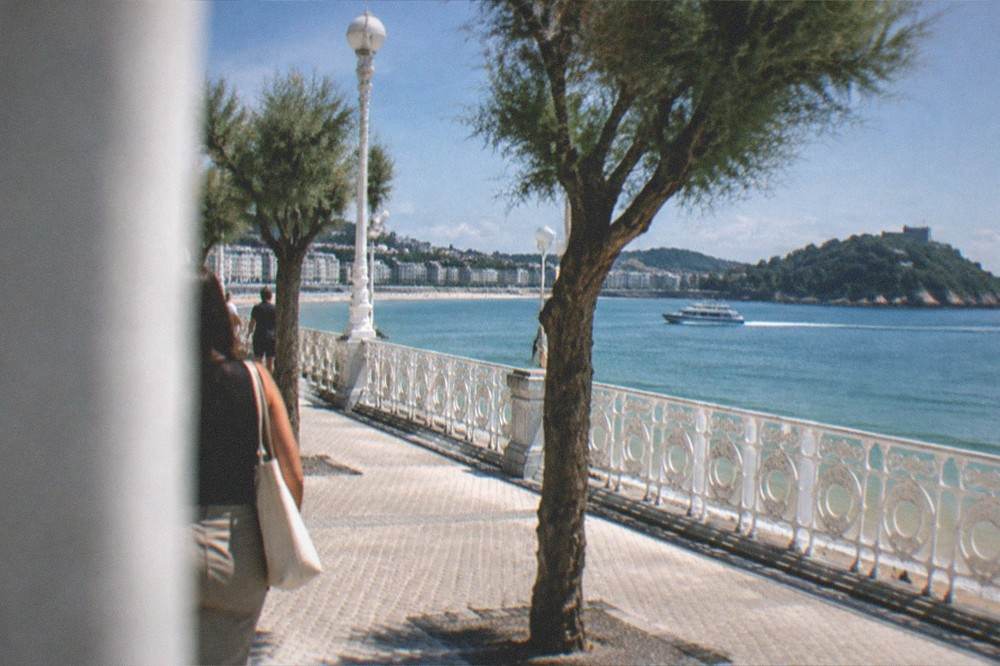
The seafront along La Concha is the classic choice. Hotels here face the promenade and the sand, with Monte Igueldo closing the view to the west. The council describes La Concha as sandy and shallow, with the tide often limiting the usable area, and Ondarreta as the beach from which the walk to the Peine del Viento sculptures begins. Staying here puts the morning swim, the evening paseo and the Old Town bars all within reach without ever crossing a real distance.
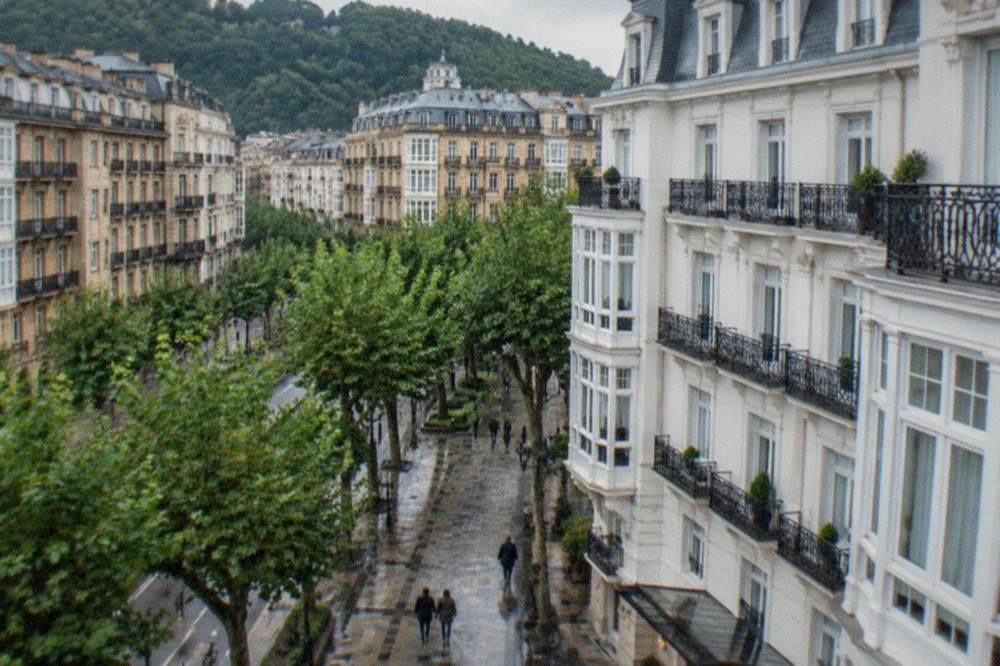
The Centre, the 19th-century grid the city built after its walls came down, holds the grand hotels. The Hotel Maria Cristina, the Belle Époque landmark beside the Urumea river, and the Victoria Eugenia theatre face each other at its heart, a short walk from the Buen Pastor cathedral and the Renfe station. This is where the film festival's premieres and the city's formal occasions happen, and where a visitor who wants architecture and quiet nights over beach views should book.
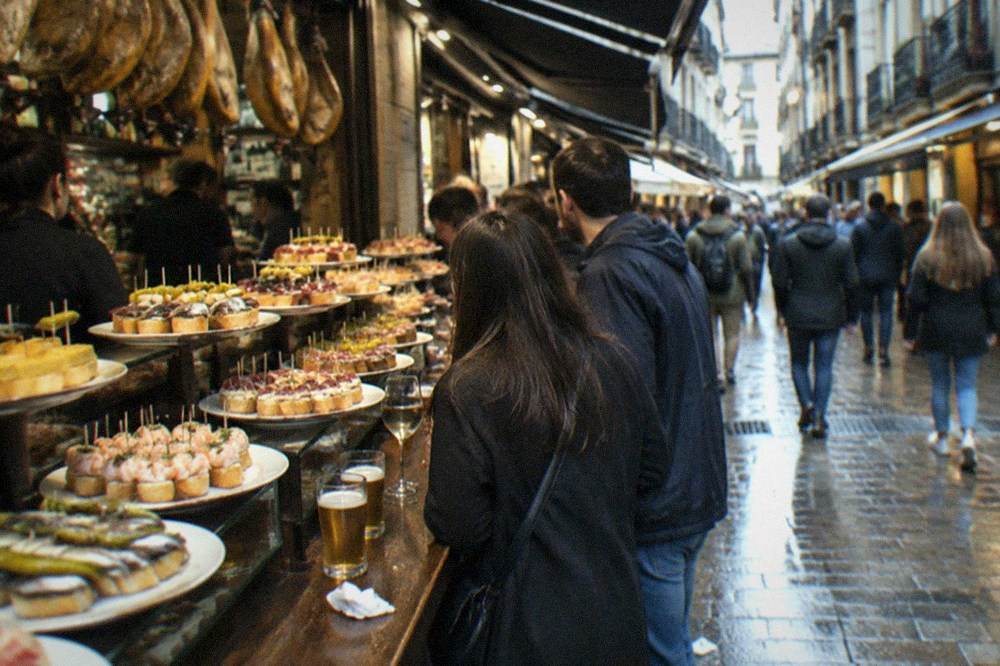
The Parte Vieja, the Old Town, trades space for position. Hotels here are small, often in converted buildings on narrow streets, and the pintxo bars of the best pintxo bars circuit are literally downstairs. The trade-off is noise: the Old Town runs late, and the council's own neighbourhood descriptions treat it as the city's going-out district. Gros, across the Kursaal bridge, is the modern counterweight, with Zurriola's strong swell, the council's word for it, drawing the surf crowd and a younger, lower-key restaurant scene.
Here is how the four areas compare on what they actually give you:
| Area | Character | Best for | Trade-off |
|---|---|---|---|
| La Concha seafront | Promenade frontage, beach views, classic hotels | Beach days, the evening paseo, couples | The busiest promenade in the city in high summer |
| Centre | Belle Époque grid, grand hotels, cathedral and river | Architecture, quiet nights, festival atmosphere | A short walk, not a view, from the sand |
| Parte Vieja | Medieval streets, pintxo bars, small hotels | Food-first trips, atmosphere, short stays | Late-night noise on bar streets |
| Gros | Modern quarter beside Zurriola, surf scene | Surfing, younger feel, value | Farther from La Concha, across the river |
Whichever area you choose, the food half of a San Sebastián trip rewards planning as much as the bed does. The city holds 11 Michelin stars across 6 restaurants inside the municipality in the MICHELIN Guide Spain 2026, from Akelaŕe and Arzak, each holding three stars, to Kokotxa and the newly starred Itzuli, and the pintxo bar culture underneath that is the everyday version of the same kitchen. A guided introduction saves you the guesswork of which bar and which pintxo, and these three options cover the range:
All three of those run in the evening heart of the city, so they pair naturally with any of the four hotel areas above. The rest of this page narrows the choice down.
Which Area Of San Sebastian Should You Book For Your Trip?
For a first visit of two or three nights, book the Centre or the La Concha seafront: both put the beaches, the Old Town and the Kursaal within a walk of well under an hour, and the Centre adds the grand-hotel architecture around the Buen Pastor cathedral and the river. Book the Parte Vieja only if you want the pintxo bars at your door and accept the noise, and book Gros if surfing Zurriola is the point of the trip.
The city's own geography makes these calls straightforward. Monte Urgull closes the Old Town to the east, the Urumea river splits it from Gros, and Monte Igueldo anchors the west end of the bay, so the four areas sit in a tight ring around the water. The tourism board's access page notes the city has three airports within a little over 100 km, San Sebastián Airport at Hondarribia at 20 km, Biarritz at 45 km and Bilbao at 105 km, so arrival logistics rarely need to shape the hotel choice: every area is equally reachable.
Families should weigh the beaches against the season. The council states that lifeguards serve all three beaches only from 1 June to 30 September, with hours of 10:00 to 20:00 from 15 June to 15 September and reduced hours either side, and that parasol and lounger hire runs 15 June to 30 September. A family booking a seafront hotel for July gets the full service; the same booking in October gets an empty beach hut and no lifeguard, which matters with children. The council also describes Zurriola as having a strong swell, which makes it the surfers' beach rather than the family one, and La Concha as sandy and shallow, the safer bathing choice.
Couples and food-first travellers have the simplest brief. The Old Town puts the pintxo bars of the pintxos in San Sebastian circuit at the door, but the Centre is only minutes away on foot and gives quieter nights, so many food-focused visitors book the Centre and walk in for the evenings. If you want the full picture of the city's bar culture before committing, what are pintxos explains the form, and the practical answer to timing is covered in the FAQ below.
The seasonal pattern of demand, from the INE hotel occupancy survey for the city, shows exactly when the choice gets tight:
| Period 2025 | Hotel overnight stays in the city | What it means for booking |
|---|---|---|
| January | 115,910 | The quietest month; widest choice |
| April | 200,055 | Spring demand begins in earnest |
| June | 211,534 | High season building |
| July | 239,124 | Book well ahead |
| August | 245,769 | The year's peak, 2.12x January |
| September | 216,759 | Still busy after the regattas |
| November | 147,334 | Choice opens up again |
The same survey shows April to October never dropping below 200,000 overnight stays in 2025, so there is no hidden cheap month in the warm half of the year. November, January and February are where availability and rates ease, at the cost of shorter days and the wetter end of the AEMET Igeldo table.
That short walk with a pintxo and a drink included is the cheapest way to get your bearings on a first evening, and it starts from the Centre, so it works from any of the areas above.
What Is The Fancy Hotel In San Sebastian?
The fancy hotel in San Sebastián is the Hotel Maria Cristina, the Belle Époque landmark beside the Urumea river in the Centre, the hotel of the film festival and the city's grand occasions, facing the Victoria Eugenia theatre. On the seafront, the Hotel Londres plays the same role facing La Concha itself. Both are the city's historic grand houses rather than modern towers, and both sit within a short walk of the Old Town.
The Maria Cristina is the name that answers the question people are really asking. It stands where the Centre meets the river, a position that puts the Buen Pastor cathedral, the Renfe station and the Old Town all inside an easy walk, and its Belle Époque style belongs to the era when Queen María Cristina's summer court made the city fashionable, the same era that produced Miramar Palace, built in 1893 at her request to the design of the English architect Selden Wornum. The hotel's own story and the city's are the same story, which is why it, and not any newer property, is "the fancy hotel".
The seafront counterweight is the Hotel Londres, the long white facade that runs along La Concha's promenade. Where the Maria Cristina faces the river and the theatre, the Londres faces the sand and the island, and the choice between them is the choice between grand-city San Sebastián and beach San Sebastián. Both have dedicated guides on this site, the Hotel Maria Cristina and the Hotel de Londres, covering them in depth.
Below the grand pair, the city's hotel ladder runs through comfortable mid-range properties in the Centre and along the seafront, small hotels in the Old Town, and the modern chain hotels that cluster near the river and the station. None of it is cheap: the question is San Sebastian expensive has an honest answer, and accommodation is a large part of it. What the price buys is position, because the city rewards staying inside its walkable core more than it rewards any particular brand.
For a sense of what the grand end of the city's table looks like, the Michelin picture is the standard reference:
| Restaurant | Stars, MICHELIN Guide Spain 2026 | Location |
|---|---|---|
| Akelaŕe | 3 | Donostia / San Sebastián |
| Arzak | 3 | Donostia / San Sebastián |
| Amelia by Paulo Airaudo | 2 | Donostia / San Sebastián |
| iBAi by Paulo Airaudo | 1 | Donostia / San Sebastián |
| Itzuli | 1, new in 2026 | Donostia / San Sebastián |
| Kokotxa | 1 | Donostia / San Sebastián |
The province of Gipuzkoa holds 19 stars across 11 restaurants in the same edition, but Martín Berasategui, with three of them, is in Lasarte-Oria, a separate municipality, not in the city, so a hotel booking in San Sebastián puts six starred houses, not the whole provincial list, at walking or short-ride distance.
Where Is The Abba San Sebastian Hotel?
The abba San Sebastián hotel is a modern chain property in the city's Centre area, the 19th-century grid behind the Old Town, within walking distance of the Buen Pastor cathedral, the Renfe station and the La Concha seafront. It is the practical mid-to-upper option for visitors who want chain reliability and a central position rather than a historic seafront facade, and its exact address and current details are on its own listing.
The abba belongs to a Spanish chain, and that is its point: it delivers a consistent, modern standard that the city's converted Old Town buildings sometimes cannot. Its position in the Centre puts it on the flat, regular streets of the ensanche, the expansion grid, which means no hills between it and the beaches, the pintxo bars or the Kursaal convention centre on the far side of the river. Visitors who arrive by train appreciate that the Renfe station sits in the same quarter, and the Centre's cathedral, theatres and river frontage are all part of the same short walk.
What the abba does not offer is the two things the grand pair sell: the Belle Époque landmark position of the Maria Cristina and the direct sand-and-promenade frontage of the seafront hotels. That is the honest trade. For a business trip, a festival week when the landmark hotels are full, or a stay where a predictable chain room matters more than a view, it is a sensible pick, and the boutique hotels and luxury hotels guides cover the alternatives on both sides of it.
One practical note applies to every hotel in the city, the abba included, from 2027: the Gipuzkoa tourist tax. Norma Foral 3/2026 of 12 June, published in the Boletín Oficial del País Vasco no. 119 on 25 June 2026, takes effect on 1 January 2027, and before that date nobody pays it. The law sets bands per person per night, with at most 6 nights charged per stay and under 18s exempt, and each council fixes its own rate inside the bands. The bands, attributed to the Gipuzkoa law, are:
| Accommodation type | Tax band, EUR per person per night |
|---|---|
| Hotel 5 stars | 4.50 to 6.50 |
| Hotel 4 stars | 3.50 to 5.50 |
| Hotel 3 stars | 1.50 to 3.50 |
| Hotel 2 stars | 1.00 to 2.50 |
| Hotel 1 star, pensiones | 0.75 to 1.75 |
| Tourist apartments | 1.50 to 3.50 |
| Tourist-use dwellings | 4.50 to 6.50 |
| Campsites, rural houses, hostels | 0.75 to 1.75 |
Stays booked before 5 February 2026 are not charged, and if a council passes no ordinance the maximum rates apply. The rate the city of San Sebastián itself will apply has not been published on an official page, so check with your hotel at booking time rather than trusting any single figure.
When Is The Best Month To Book A Hotel In San Sebastian?
The best months to book a hotel in San Sebastián are the shoulder months, May, June and September, when the INE survey shows heavy but not peak demand and AEMET's Igeldo normals show mean temperatures of 14.4, 16.9 and 18.0 C respectively. August is the busiest and warmest month, 245,769 overnight stays and a mean of 19.5 C, but it is also wetter than July, with 117 mm of rain against July's 86 mm.
The climate table is the part that often gets read wrong, because the city is on the Atlantic, not the Mediterranean, and it rains in every month. AEMET's normals for its station Donostia / San Sebastián, Igeldo, period 1981 to 2010, sit at 250 m on Monte Igeldo, so the seafront runs slightly warmer, and they record 1,507 mm of rain a year over 141 days with at least 1 mm. July, the driest month, still averages 86 mm over about 10 rain days. November is the wettest at 169 mm, and August, at 117 mm, is wetter than June, July or September.
| Month | Mean C | Rain mm | Rain days | Sun hours |
|---|---|---|---|---|
| May | 14.4 | 120 | 12.2 | 181 |
| June | 16.9 | 90 | 10.6 | 189 |
| July | 18.9 | 86 | 9.8 | 196 |
| August | 19.5 | 117 | 10.5 | 190 |
| September | 18.0 | 111 | 10.1 | 179 |
| October | 15.5 | 159 | 11.8 | 140 |
For a hotel stay built around the beach, July offers the driest weather, 86 mm and 9.8 rain days, and the most sun, 196 hours. For a stay built around food and walking, September combines a mean of 18.0 C with the tail of the season: lifeguards and the island boats run to 30 September, Hondalea's free lighthouse visits run 1 June to 30 September, and the La Concha regattas fill the first two Sundays of the month. October is the month the seasonal city switches off, the beaches lose their lifeguards, Monte Urgull closes at 19:30 instead of 21:00, and hotel demand drops from 207,158 stays in October 2025 to 147,334 in November.
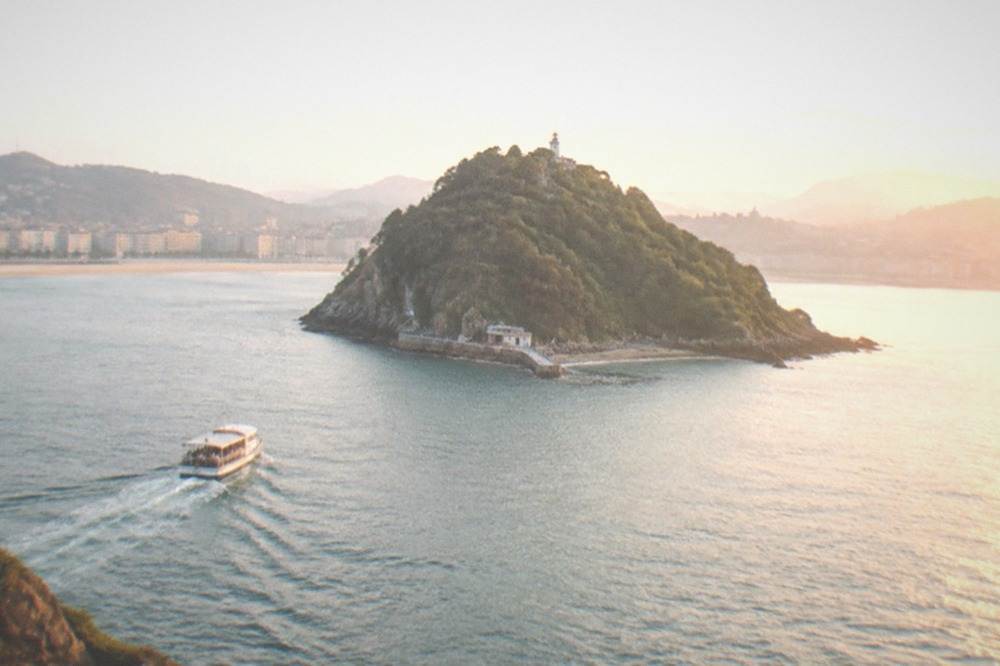
Winter stays are a different product, and a good one. January's mean of 8.5 C and 141 mm of rain is not beach weather, but it is Tamborrada weather, the drum festival the tourism board dates to 20 January every year, and hotel availability is at its widest. The full monthly picture is on the best time to visit San Sebastian and San Sebastian weather.
Should You Book A Hotel Or An Apartment In San Sebastian?
Book a hotel if your stay is short, two or three nights, and you want the Old Town and pintxo bars within a walk; book an apartment if your stay is a week or more, you want to cook, or you are travelling as a family or group, since the tourist-tax bands charge apartments 1.50 to 3.50 EUR per person per night from 2027 against 4.50 to 6.50 for hotel five-star stays. Apartments spread you across the city.
The short-stay case for hotels is positional. Everything that makes a two-night San Sebastián trip work, the evening pintxo circuit, the morning walk along La Concha, the Monte Igueldo funicular and the Monte Urgull paths, sits inside the walkable core, and a hotel in the Centre or on the seafront removes every commute. The one day in San Sebastian and two days in San Sebastian itineraries both assume that position, and they are the right test: if your plans look like those pages, a hotel is the correct answer.
The apartment case rests on length and kitchen. The city's food shops and markets, including La Bretxa in the Old Town's edge, make self-catering genuinely attractive for a week, and the beach life rewards a slower rhythm than a weekend allows. Families get more space per euro, and the 2027 tax bands, again from the Gipuzkoa law, charge tourist apartments 1.50 to 3.50 EUR per person per night, under 18s exempt and at most 6 nights charged, while tourist-use dwellings sit in a higher band of 4.50 to 6.50. The trade-off is dispersion: apartments scatter through residential Gros, Amara and Antiguo, so check the walking distance to the Old Town before booking rather than after. The apartments and Airbnb and hostels and budget stays guides cover both ends of that market.
Which Hotels Put You Closest To The Pintxo Bars?
The hotels closest to the pintxo bars are the small properties inside the Parte Vieja Old Town itself, where the bar streets of the best pintxo bars circuit begin at the door, followed by the Centre hotels around the Buen Pastor cathedral, which sit a flat ten-to-fifteen-minute walk from the Old Town's edge. The seafront hotels along La Concha are a little farther again but still inside an easy evening stroll.
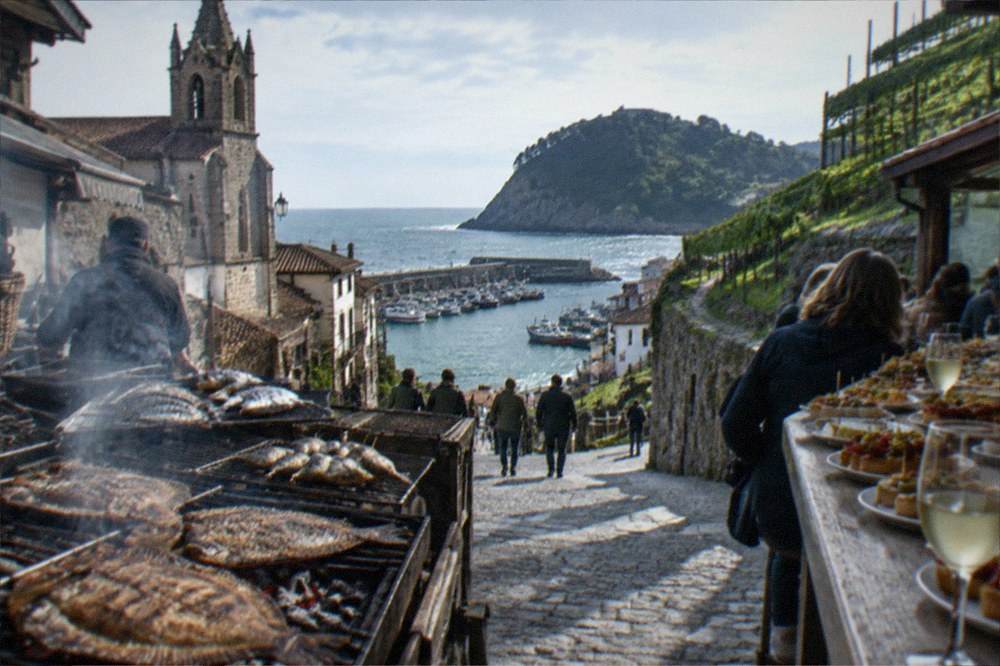
The Old Town is small and dense, and its bar streets, the 31 de Agosto and the lanes around the Plaza de la Constitución, concentrate most of the classic circuit. A hotel inside the quarter puts you above the action, with the noise that implies, and the Parte Vieja guide covers the quarter street by street. The Centre alternative keeps the walk short while removing the midnight soundtrack, and the Gros option, across the river, adds its own bar scene around Zurriola, described in the Gros guide, at the price of a longer walk to the classic circuit.
Timing matters as much as position. Pintxo bars fill in the evening, and the culture runs late, so a hotel decision here is really a sleep decision. Visitors who plan to eat their way through the Old Town for three nights running often do better in the Centre and walk in, treating the Old Town as a destination rather than a hallway.
A guided pintxo crawl solves the other half of the problem, which bars and which pintxo, and the market-and-cooking option goes one step further by starting at the market and finishing with a meal you cook yourself. For a longer read on the city's food identity, what to eat in San Sebastián and the San Sebastián cheesecake story fill in the plate.
How Do You Get From Your Hotel To Everything Else?
Every hotel area in San Sebastián sits inside a walkable core, so transport is rarely needed at all: the Centre to the Old Town is a flat walk, the seafront promenade connects La Concha to Ondarreta on foot, and Monte Urgull is open 08:00 to 21:00 in summer and 08:00 to 19:30 in winter. For trips farther out, the dBus city fare is 1.95 EUR cash, and the MUGI card fare is 0.78 EUR in the urban zone.
The walking city is the whole argument. The council's beach figures, La Concha at 1,350 metres and Ondarreta at 600, mean the entire western bay is one promenade stroll, and the funicular up Monte Igueldo, running every 15 minutes on its own site's schedule with a return adult fare of 5.50 EUR, sits at the far end of it, with the funicular ticket including entry to the grounds. The getting around San Sebastián guide carries the full transport detail.
For the trips a hotel stay makes natural, the fares are simple. The MUGI tariff gives an occasional urban cash ticket at 1.95 EUR and a night ticket at 2.65 EUR, with the MUGI anonymous card at 0.78 EUR for urban trips, and cash payment does not allow free transfers. The Euskotren Topo runs from Amara to Hendaia in 37 to 38 minutes on the current timetable, at an occasional fare of 2.90 EUR, which covers the border-hop to France's Basque coast. The new underground Topo section in the city has finished its civil works but has no published opening date, so Amara remains the working terminus.
| Journey | Fare | Notes |
|---|---|---|
| dBus city bus, cash | 1.95 EUR | No free transfers on cash |
| dBus night ticket | 2.65 EUR | Special night fare |
| MUGI anonymous card, urban | 0.78 EUR | Urban 1 and 0 jumps |
| Topo train, Amara to Hendaia | 2.90 EUR | 37 to 38 minutes |
| Monte Igueldo funicular, return | 5.50 EUR | Includes grounds entry |
| Santa Clara island boat, return | 5 EUR | High season, 1 June to 30 September |
The island boat is the one seasonal item in that table worth flagging twice: the operator's high season runs 1 June to 30 September, plus Easter and long weekends, with the red line every 30 minutes from 10:00 to 19:00 weather permitting. After 30 September the operator says departures are on consultation, so a hotel stay in October loses the island, the lifeguards and Hondalea's lighthouse visits in the same week.
Once the bed and the evenings are sorted, the same three food experiences are worth one more look before you commit, because they fill up in the same July and August window the hotels do:
Whichever of those you take, book it for your first evening rather than your last, so the guide's bar recommendations shape the rest of the stay instead of trailing it.
Common Questions About San Sebastian Hotels
What is the fancy hotel in San Sebastian?
The Hotel Maria Cristina, the Belle Époque landmark beside the Urumea river in the Centre, is the city's grand hotel, facing the Victoria Eugenia theatre at the heart of the festival district. On the seafront, the Hotel Londres is its beachfront counterpart, facing La Concha directly. Both sit within a short walk of the Old Town.
Where is the abba San Sebastian hotel?
The abba San Sebastián hotel is a modern chain property in the Centre, the 19th-century grid behind the Old Town, within walking distance of the Buen Pastor cathedral, the Renfe station and the seafront. It suits visitors who want chain reliability in a central position rather than a historic seafront facade. Confirm the exact address and current details on the operator's own listing before booking.
Is there a tourist tax on hotels in San Sebastian?
Yes, from 1 January 2027. Norma Foral 3/2026 of Gipuzkoa, published in the Boletín Oficial del País Vasco on 25 June 2026, sets bands per person per night, up to 6 nights per stay, with under 18s exempt, and each council fixes its own rate inside the bands. Before 1 January 2027 nobody pays it, and the city's own rate has not been published on an official page, so check with your hotel rather than trusting a single figure.
What time do people eat pintxos in San Sebastian?
The pintxo evening runs late by northern European habits, with bars filling through the evening and staying busy until late in the Old Town. That rhythm is the reason many visitors book a hotel in the Centre rather than inside the Parte Vieja itself, keeping the walk home short without sleeping above the bar streets.
Which beach should a hotel in San Sebastian be near?
La Concha, the 1,350-metre sandy bay the council describes as shallow, is the classic family choice, with lifeguards from 1 June to 30 September. Zurriola, 800 metres with a strong swell, is the surfers' beach beside Gros, and Ondarreta, 600 metres, runs from the west end of La Concha toward the Peine del Viento sculptures. The San Sebastián beaches guide compares all three.
Is August the best month to book a hotel in San Sebastian?
August is the busiest, 245,769 hotel overnight stays in the city in 2025, the peak of the year, and the warmest, a mean of 19.5 C at AEMET's Igeldo station. It is also wetter than July, 117 mm of rain against July's 86 mm, because this is an Atlantic city where no month is dry. Book well ahead for August, or consider September, which keeps a mean of 18.0 C with lighter demand.
The short version of all of it: pick your area before you pick your hotel, book early for July and August, treat the Maria Cristina and the Londres as the two landmarks everything else is measured against, and remember that from 2027 a small per-night tax, set by Gipuzkoa law, joins the bill. Everything else about San Sebastián, from San Sebastian Spain Guide to the pintxo bars themselves, is inside one walkable bay.