Zarautz Day Trip
Zarautz is the first big beach town west of San Sebastián on the Gipuzkoa coast, a place the Camino de Santiago passes through on its way to Getaria and Zumaia. This page covers what a day trip there involves, what to eat, and how to pair it with its neighbours.
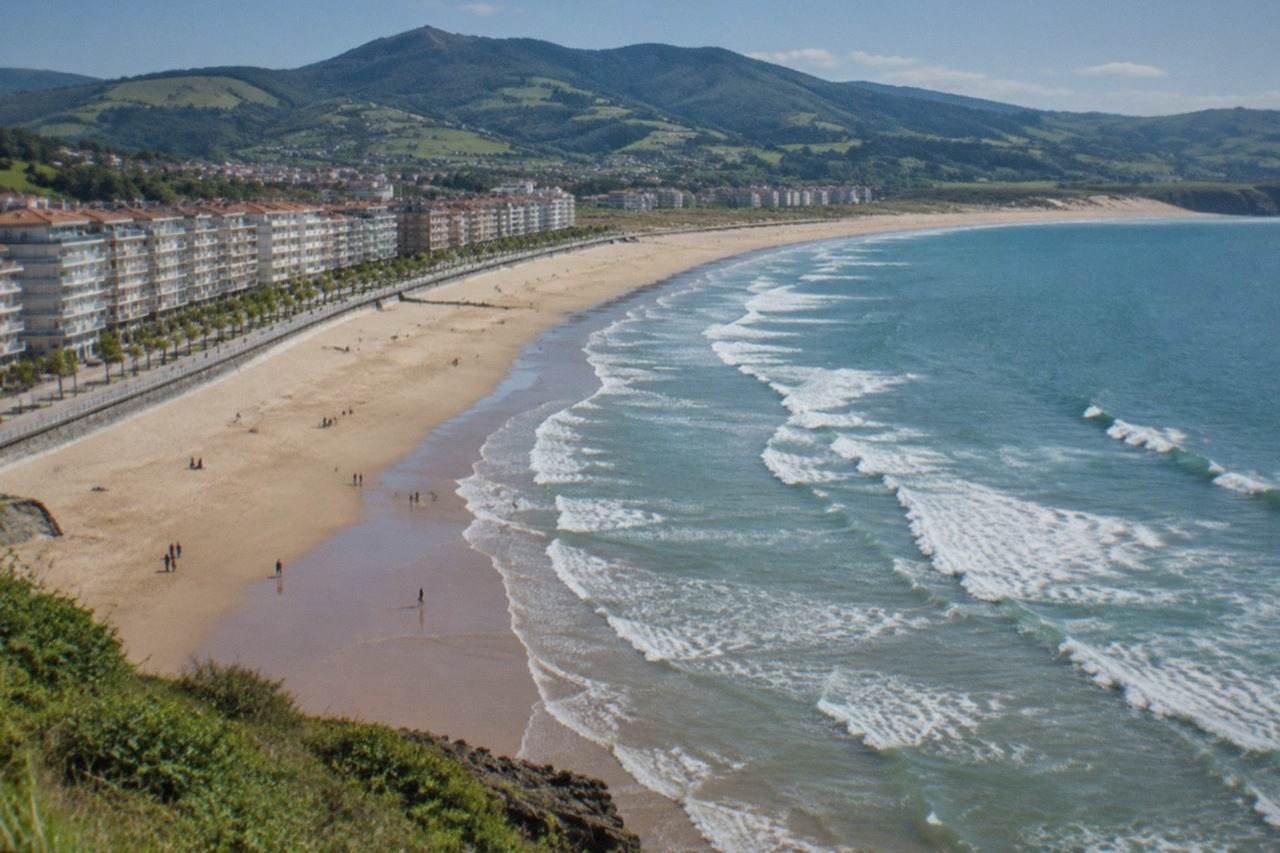
Short answer
Zarautz is a separate municipality on the Gipuzkoa coast, west of San Sebastián in the Basque Country, Spain. Its long sandy beach, its surf scene and its position on the coastal Camino de Santiago route are the reasons to go, and most visitors pair it with Getaria and Zumaia in a single day.
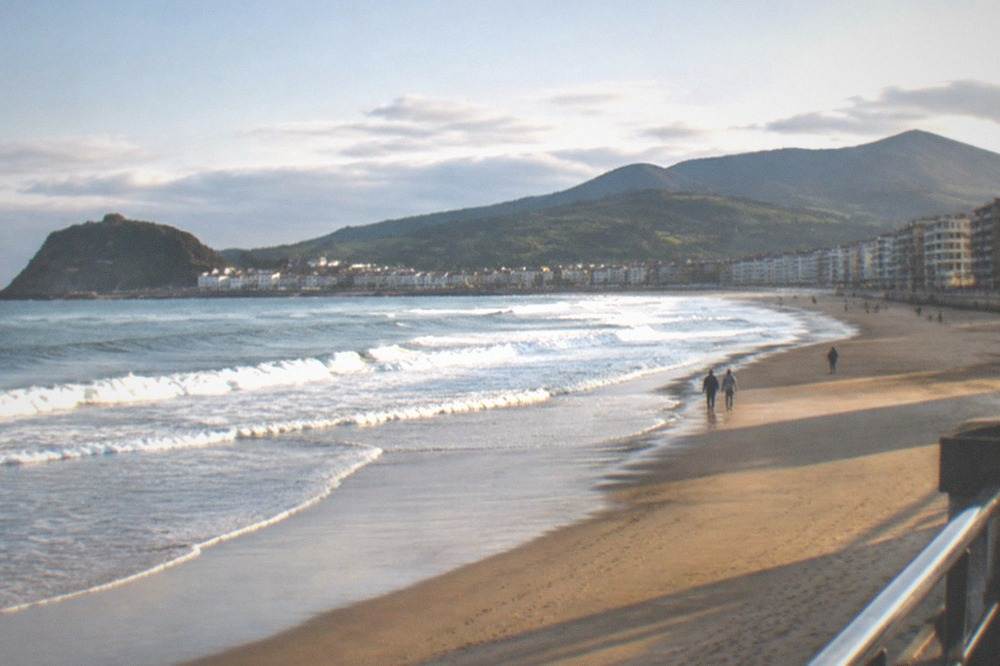
Zarautz sits on the Gipuzkoa coast west of San Sebastián, the Basque city on La Concha bay whose official name is Donostia / San Sebastián, and it is a popular beach town for escaping the city for a day. It is a municipality in its own right, not a district of San Sebastián, and it earns its place on a coastal itinerary with one of the longest stretches of sand in the province, a surf culture that has shaped the town, and a slot on the coastal Camino de Santiago, whose fifth stage the tourism board lists as Zarautz-Getaria-Zumaia. A day trip works because the town is compact, the beach is the main event, and two of the coast's other highlights, Getaria and Zumaia, sit either side of it.
This page lays out what a Zarautz day trip actually involves: what the town offers, how the Camino connects it to its neighbours, what to eat, and when the weather is most likely to cooperate. The honest headline is that Zarautz is a beach-and-walking destination rather than a monument town, so the best day there mixes sand, coastline and a long lunch, and the best itinerary usually takes in Getaria's fishing port and txakoli, or Zumaia's flysch cliffs, on the same run. For the wider picture of the region's day options, the day trips from San Sebastian guide lists the full range.
Where Is Zarautz, And Why Is It Worth The Trip?
Zarautz is a separate municipality on the Gipuzkoa coast, west of San Sebastián in the Basque Country, Spain, and it is worth the trip for three things: one of the longest beaches in the province, a surf scene that gives the town its identity, and its position on the coastal Camino de Santiago between Orio and Getaria. It is not a monument town. Its appeal is sand, sea and a working Basque seaside resort.
The tourism board's Camino listing places Zarautz firmly on the coastal route: stage four runs Orio-Zarautz and stage five runs Zarautz-Getaria-Zumaia, so every pilgrim walking the Northern Camino through Gipuzkoa passes down the beach front and out the far side of town. That gives the place a rhythm you can feel in summer, with walkers with scallop shells on their packs sharing the promenade with families, surfers and day trippers.
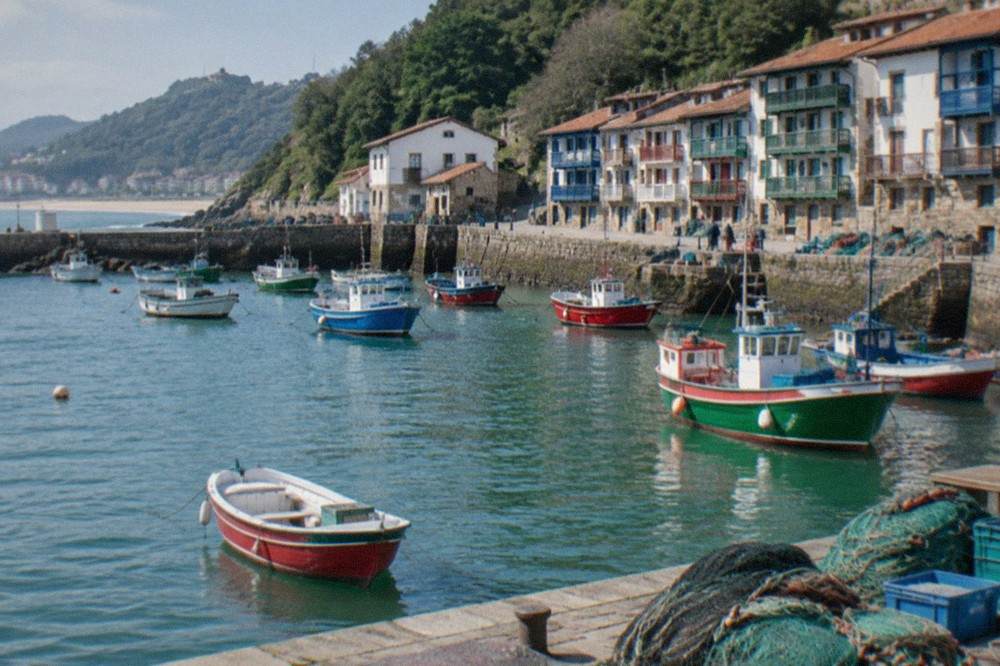
What Zarautz is not is a suburb. Geography discipline matters on this coast because the map is a string of separate municipalities, each with its own council and its own character. Getaria is a fishing town with a whale-shaped peninsula and a txakoli appellation. Zumaia is the flysch town, where the cliffs record 60 million years in bands of rock. Hondarribia guards the border by the airport. Zarautz is the beach town among them, and a day trip there should be planned around that fact rather than around museums that do not exist.
If your day out of the city needs to be a guided one, these are the options that fit a coast-and-country plan:
How Do You Get From San Sebastian To Zarautz?
You reach Zarautz from San Sebastián by the Euskotren Topo line, by the coast road, or on a guided coast excursion, and the pack publishes no journey time or fare for this specific run, so this page prints none. What can be said is that the Topo runs west from the Amara-Donostia station towards the French border towns, the coast road follows the shore, and the half-day coast excursion by vehicle covers Zarautz, Getaria and Zumaia with a guide.
The Topo is the practical car-free option. The Euskotren network runs along the Gipuzkoa coast, and Zarautz is one of the stops on the line the facts file computes for the Amara-Donostia to Hendaia run, which is served by a train roughly every 30 minutes on the busiest service day. Zarautz is short of Hendaia, but no figure for the San Sebastián to Zarautz leg is given here, so check the Euskotren timetable before you travel rather than relying on a number printed here.
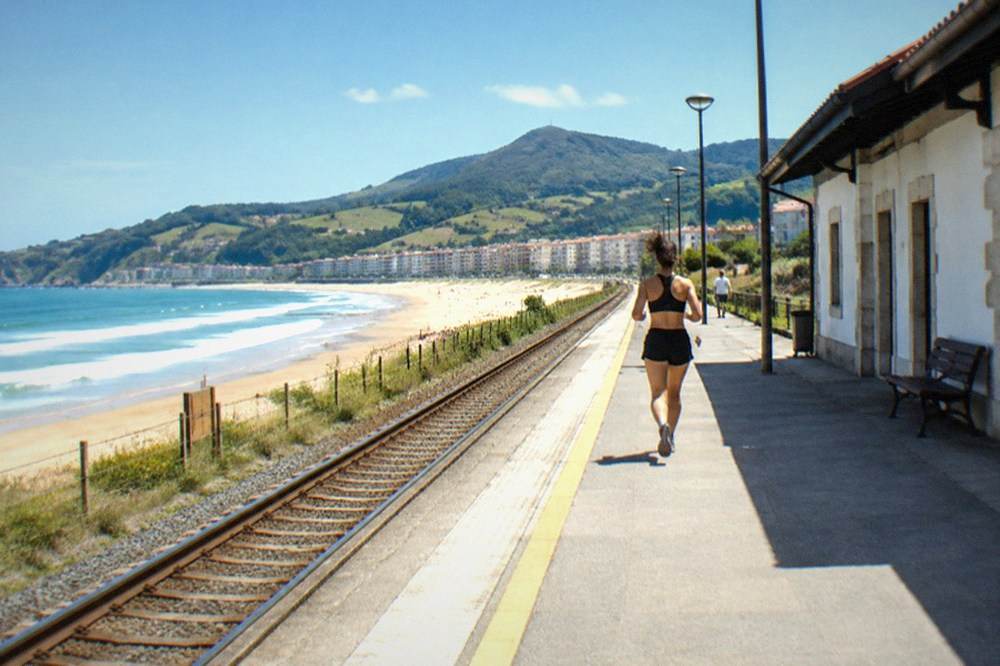
Driving, the coast road is the scenic choice and the motorway the fast one, and parking in Zarautz in high summer is the usual seaside struggle. The third option removes all of that: the coast excursion runs as a half-day tour by vehicle with a guide, covering Zarautz, Getaria and Zumaia in one loop from the city's bus station. For a first visit with limited time, that guided loop is the version many travelers end up glad of, because it solves the sequencing of three towns in half a day.
The table below compares the three approaches on the things that actually decide the day.
| Option | Best for | Trade-off |
|---|---|---|
| Euskotren Topo train | Car-free travel, flexible return | You plan the Getaria and Zumaia legs yourself |
| Coast road by car | Setting your own pace, detours to viewpoints | Summer parking in all three towns is tight |
| Guided coast excursion | Seeing Zarautz, Getaria and Zumaia in one loop | Fixed departure and fixed route |
What To Do In Zarautz On A Day Trip?
The core of a Zarautz day is the beach and promenade, a walk out to the rocky point at either end, the old town's narrow streets behind the seafront, and a long Basque lunch, with surfing as the active option and the Camino route as the walking one. There is no single ticketed attraction in the town itself, so the day is shaped by weather and appetite rather than by opening hours. That freedom is exactly why people go.
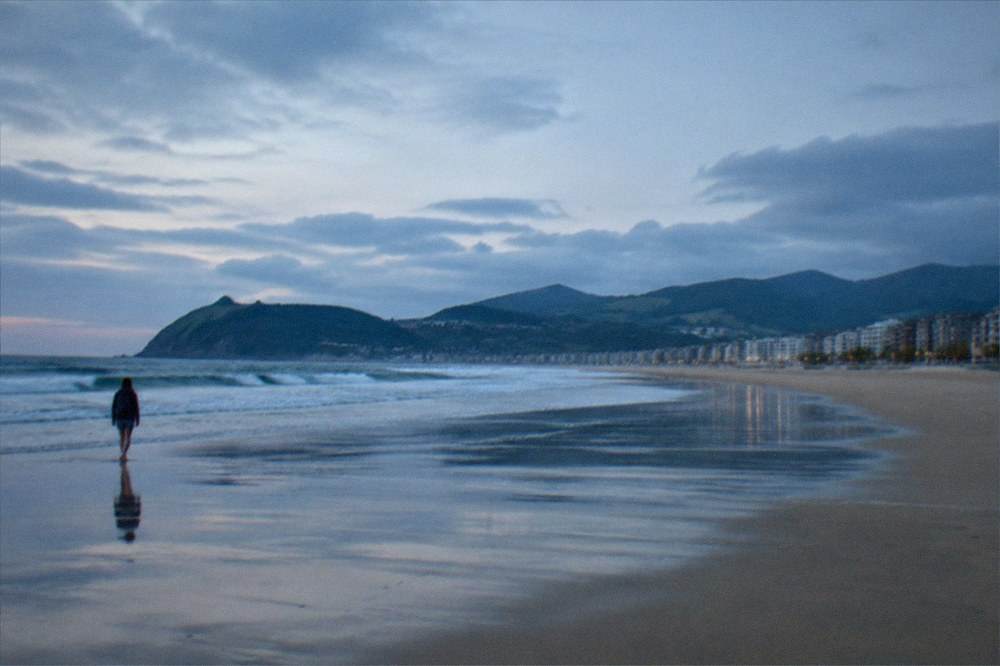
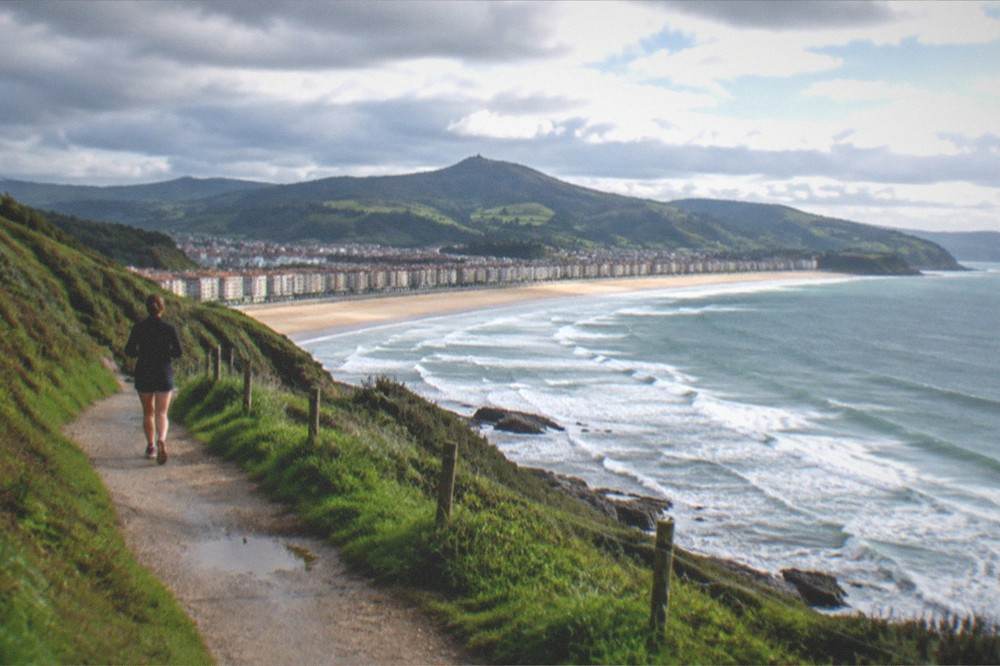
Start on the seafront. The beach is the town's whole reason for existing as a resort, and the promenade runs its length with the Camino route threading along it. Walkers heading to Getaria leave at the west end; the rock formations and the small headland there give the first proper view back along the sand. The old town sits behind, a compact grid of streets where the restaurants concentrate, and it takes under an hour to wander without stopping.
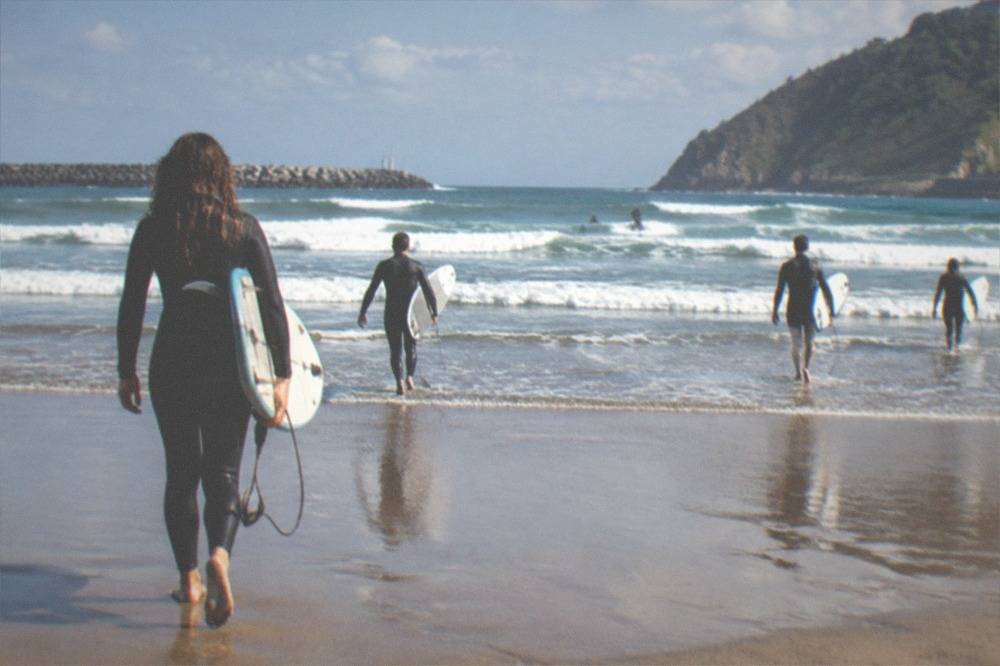
Surf is the second act. Zarautz is one of the anchor stops of Basque surf culture, and the beach's length means it absorbs crowds better than most. The combined surf lesson and pintxos tour in the city covers instruction with board, wetsuit, locker and hot shower, followed by pintxos and drinks, if you want a coached introduction to the Basque coast's waves rather than a cold solo attempt on an unfamiliar break. The council's beach pages for San Sebastián itself note that Zurriola carries a strong swell, and the same Atlantic energy is what makes this whole coast a surf coast.
If the day is a walking day rather than a beach day, the Camino stage is the structure to borrow. The tourism board lists the coastal stages through Gipuzkoa like this:
| Stage | Route |
|---|---|
| 1 | Irun-Hondarribia-Lezo-Pasaia |
| 2 | Pasaia-Donostia |
| 3 | Donostia-Orio |
| 4 | Orio-Zarautz |
| 5 | Zarautz-Getaria-Zumaia |
| 6 | Zumaia-Itziar-Deba |
The board publishes no stage distances, so none are invented here. What the table shows is the sequence: a walker coming from San Sebastián reaches Zarautz on stage four and leaves it on stage five, and a day tripper can walk any slice of stage five in either direction with the train as the way home.
How Does Zarautz Compare With Getaria And Zumaia?
Zarautz is the beach stop, Getaria is the food and wine stop, and Zumaia is the geology stop, and the three work best in that order on a single day. Getaria is a fishing town with a txakoli appellation and the Cristóbal Balenciaga Museoa, Zumaia is where the flysch cliffs of the Basque Coast UNESCO Global Geopark come down to the sea, and Zarautz is the sand and surf between them. Choosing one to skip is the usual mistake.
Getaria is the strongest single stop of the three. The museum dedicated to the couturier Cristóbal Balenciaga, born there, charges 14 EUR general admission with a 9 EUR reduced ticket, and its calendar is published: November to March Wednesday to Sunday 10:30 to 17:00, April to October Tuesday to Sunday 10:30 to 18:00, and July and August daily 10:30 to 20:00. The town's port, its whale-shaped peninsula and its grilled fish restaurants do not need a ticket at all. The Getaria page covers it in full.
Zumaia is the dramatic one. The flysch, the layered rock record visible in the cliffs, is the reason the surrounding municipalities form the Basque Coast UNESCO Global Geopark, a member of the global network since 2015. The Zumaia flysch guide explains what the cliffs show and how to see them. The comparison below is the short version of how the three towns divide a day.
| Town | Main draw | Best for | Pair with |
|---|---|---|---|
| Zarautz | Long beach and surf | Sand, promenade, relaxed hours | Getaria, 20 minutes along the coast road |
| Getaria | Port, txakoli, Balenciaga Museoa | Lunch, wine, a museum stop | Zarautz beach before, Zumaia cliffs after |
| Zumaia | Flysch cliffs, geopark coastline | Walking, geology, viewpoints | Getaria for lunch on the way |
The half-day excursion that covers all three by vehicle with a guide is the packaged version of exactly this sequence, and for a visitor with one free half-day it is the efficient answer. For those with a full day, doing it independently by train and on foot is quieter and lets Getaria's lunch run long. More of these guides are collected on San Sebastian Spain Guide.
What Should You Eat In Zarautz And On The Coast?
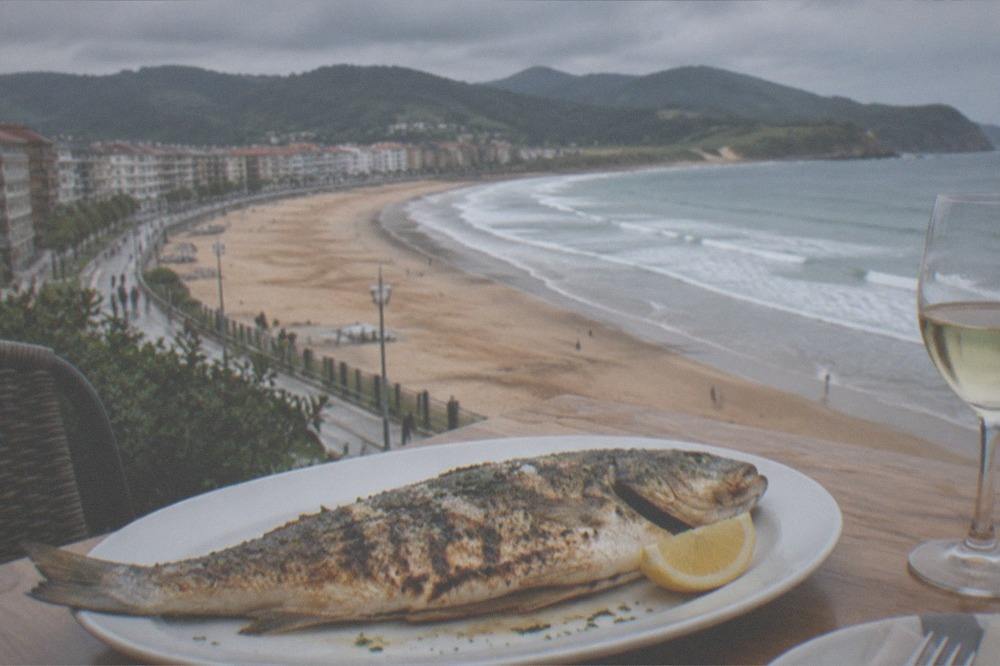
Eat grilled fish and txakoli, and do it in Getaria if the day allows, because the coast's signature plate is whole fish, turbot or sea bream, cooked over embers, and its signature drink is the sharp local white. Zarautz itself has the fuller range of everyday Basque eating, pintxos bars and cider-house style menus among them, but the grilled fish houses of Getaria are the reason this stretch of coast has a food reputation. Plan the day around one big lunch, not two.
The Basque coast's grill tradition is anchored a little further along at Asador Etxebarri, covered on this site's asador guide, but the fishing ports serve the sea's own version: fish landed that morning, cooked whole, priced by weight and carved at the table. Order the txakoli poured the local way, from a height, so it lands with a spritz, and accept that the bottle arrives chilled and slightly fizzy.
For a deeper run at the region's drinking culture, two guided options exist. The traditional cider house tour runs to a Gipuzkoa cider house with the orchard, the cellar, the txotx ritual and lunch included, and the txotx season, by the tourism board's rule, runs from the middle of January to the end of April. The Getaria txakoli half-day trip includes hotel pickup and tastings in the fishing town itself.
Back in Zarautz, the everyday eating is pintxos, and the town's bars serve the same canon as the city: gildas, tortilla, anchovies, whatever the kitchen made that morning. The what are pintxos guide explains the form, and the city's own pintxo crawl culture, covered in pintxos in San Sebastián, is the same habit at a faster pace. On the coast, lunch is the meal; dinner in these towns is a quieter, smaller affair outside August.
When Is The Best Time To Visit Zarautz?
The best months for a Zarautz day trip are June and September, when the sea is at its warmest, the sun hours are near their peak at 189 and 179 a month, and the August crowds have either not arrived or have gone, and the honest caveat is that this is a wet Atlantic coast where no month averages under 86 mm of rain. July is the driest month and still averages 86 mm. Never plan this coast on a dry-summer assumption.
Those figures come from AEMET's climate normals for its Igeldo station above San Sebastián, the series for 1981 to 2010, and they describe the coast's weather honestly. Zarautz sits on the same stretch of Atlantic shoreline, so the pattern transfers: warm, bright, showery summers and mild, wetter winters. The station sits 250 m up on Monte Igeldo, so the seafront runs slightly warmer than the published values.
| Month | Mean C | Rain mm | Rain days | Sun hours |
|---|---|---|---|---|
| May | 14.4 | 120 | 12.2 | 181 |
| June | 16.9 | 90 | 10.6 | 189 |
| July | 18.9 | 86 | 9.8 | 196 |
| August | 19.5 | 117 | 10.5 | 190 |
| September | 18.0 | 111 | 10.1 | 179 |
| October | 15.5 | 159 | 11.8 | 140 |
August is the peak, and the region's hotel numbers prove it: INE's hotel occupancy survey for the Donostia-San Sebastián tourist point recorded 245,769 overnight stays in August 2025, the year's highest month, with July close behind at 239,124. September drops to 216,759 while the sea stays warm, which is the argument for September in a single line. April to October never falls below 200,000 stays, so the shoulder seasons are busy but not crushed.
Should You Take A Tour Or Do Zarautz Independently?
Do it independently if you want a beach day with a train home and full control of lunch, and take a tour if you want three towns, a guide and zero logistics inside half a day. The independent version suits confident travellers and slow days; the guided version suits first visits, tight schedules and anyone who would rather not work out the sequencing of Zarautz, Getaria and Zumaia on a coastal road they have never driven.
The independent day is simple: train or car to Zarautz, beach and old town, then on to Getaria for the museum and lunch, with Zumaia's viewpoints if the legs and the light allow. The risk is that a wet morning kills the beach plan, and the coast has no indoor equivalent of the city's museums. The rainy day in San Sebastián guide is the honest fallback, because on this coast you need one.
The guided version comes in several shapes. The coast excursion covers all three towns by vehicle. The Getaria txakoli trip adds the wine and hotel pickup. And for a day given over entirely to wine, the full-day Rioja trip leaves the coast behind and runs to the wineries and the walled town of Laguardia, which is a different day altogether but a frequent second choice once visitors have done the coast.
You can check live dates and availability for the Rioja day on the operator's listing: Check availability. The Rioja day trip page on this site explains what that itinerary involves.
For the packaged coast options, these are the three that best fit a Zarautz-centred plan:
Common Questions About A Zarautz Day Trip From San Sebastian
Is Zarautz worth visiting on a day trip from San Sebastian?
Yes, if what you want is a long beach, a surf atmosphere and a walkable Basque seaside town. Zarautz is a resort town rather than a sightseeing one, so it suits a relaxed day and pairs naturally with Getaria's port and txakoli or Zumaia's flysch cliffs on the same run.
Can you surf in Zarautz as a beginner?
Zarautz is one of the established surf towns of the Basque coast, and its long beach absorbs crowds better than most breaks. Beginners are better served by a coached session than by renting a board cold; the combined surf lesson and pintxos tour in San Sebastián includes board, wetsuit, locker and hot shower with instruction.
Does the Camino de Santiago pass through Zarautz?
Yes. The tourism board lists the coastal Camino's Gipuzkoa stages as Orio-Zarautz (stage four) and Zarautz-Getaria-Zumaia (stage five), so pilgrims on the Northern route walk straight along the seafront and out towards Getaria.
Is Zarautz the same place as San Sebastian?
No. Zarautz is a separate municipality on the Gipuzkoa coast, west of San Sebastián, the Basque city whose official name is Donostia / San Sebastián. Each town on this coast, Zarautz, Getaria, Zumaia, Hondarribia and the rest, has its own council and its own character.
Which is better, Zarautz or Getaria?
They answer different questions. Zarautz is the beach and surf stop with a full promenade; Getaria is the food and culture stop, with the fishing port, the txakoli appellation and the Cristóbal Balenciaga Museoa at 14 EUR general admission. On a single day, do both, beach first and lunch in Getaria.
Do you need a car for a Zarautz day trip?
No. The Euskotren Topo line serves the Gipuzkoa coast, and a train-and-walk day works well for Zarautz alone or Zarautz plus Getaria. A car helps for adding Zumaia's viewpoints on the same day, and the guided coast excursion by vehicle covers all three towns without one.
A Zarautz day trip, done well, is a simple formula: sand in the morning, fish and txakoli at midday, and one of the coast's two great set pieces, Getaria's port or Zumaia's cliffs, in the afternoon, with a train home and no rush at any point.