Vitoria-Gasteiz Day Trip
Vitoria-Gasteiz, the capital of the Basque Country, sits inland about 100 km from San Sebastián and makes a rewarding contrast to the coast: medieval streets, wide green parks and a slower rhythm than Donostia's pintxo bars.
Short answer
Vitoria-Gasteiz is the inland capital of the Basque Country, listed by the San Sebastián tourism board at 100 km from the city with no direct airport service from Vitoria's own airport. It pairs well with Rioja wine country to the south and works best as a full-day trip.
San Sebastián, the Basque city on La Concha bay whose official name is Donostia / San Sebastián, is a coastal town of 189,866 people that runs on pintxos, rain and one of the densest concentrations of Michelin stars in Spain. Vitoria-Gasteiz is its opposite number inland: the capital of the Basque Country, in the province of Álava, a city of medieval streets, generous public parks and a slower, administrative rhythm. The San Sebastián tourism board lists Vitoria-Gasteiz's airport at 100 km from the city and notes there is no direct service from that airport into San Sebastián, which tells you the two main things a day tripper needs to know: it is close enough for one day, and the journey is the part you have to plan. This page lays out what the trip involves, what the city offers a visitor, how it combines with the Rioja wine country just to the south, and which booked tours from San Sebastián fit the same inland direction.
Where Is Vitoria-Gasteiz, And Why Go From San Sebastian?
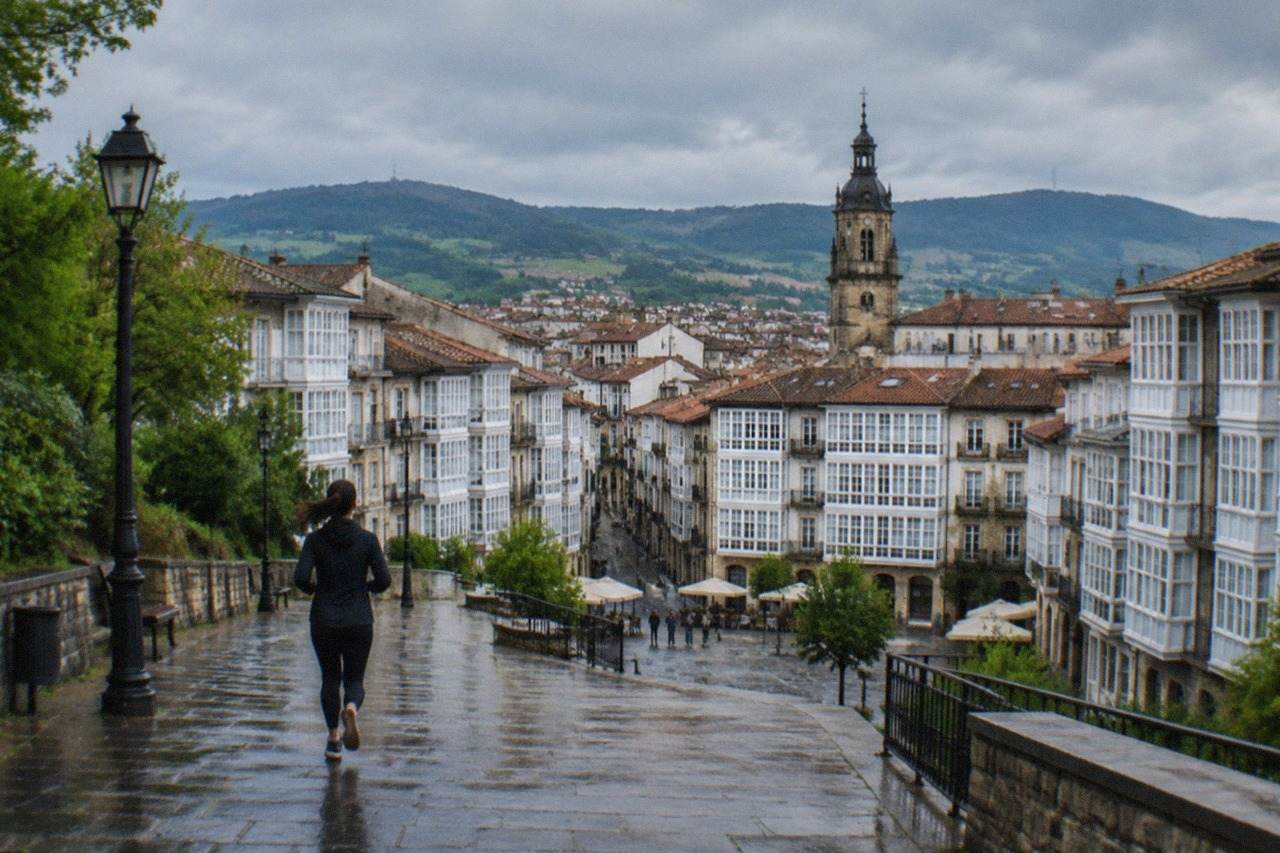
Vitoria-Gasteiz is the capital of the Basque Country and sits inland in the province of Álava, roughly 100 km from San Sebastián by the tourism board's own listing, south of the Gipuzkoa coast and on the edge of the Rioja Alavesa wine district. It is a planned medieval city with a hilltop old town, wide ring parks and the seat of the Basque Government, which makes it the political counterpart to San Sebastián's culinary fame.
The contrast is the whole point of the trip. San Sebastián is compressed between Monte Urgull, Monte Igueldo and the sea; its centre is a band about a kilometre and a half wide and its beaches, La Concha at 1,350 m, Ondarreta at 600 m and Zurriola at 800 m, are the main draw. Vitoria-Gasteiz instead spreads across a plateau, and its identity is civic: plazas, museums, restored medieval quarters and one of the greenest city centres in Spain. The official name carries the same dual Basque and Spanish structure as Donostia / San Sebastián, with Vitoria the Spanish form and Gasteiz the Basque one.
For a visitor based in San Sebastián, the trip answers a real question. After a few days of pintxo bars in the Parte Vieja and the Gros neighbourhood, the inland plain offers a different food culture, Rioja wine instead of txakoli, and architecture that belongs to a kingdom-era trading city rather than a belle-époque beach resort. It also breaks the weather pattern in your favour only sometimes: the coast is wet, with AEMET's Igeldo station recording 1,507 mm a year over 141 rain days, and the inland plateau is not magically dry, so pack the same layers.
The city also works as a hub. From Vitoria-Gasteiz the Rioja Alavesa villages, the walled town of Laguardia among them, sit close to the south, and several booked day tours from San Sebastián run the same axis. The tourism board's airport table shows how the region connects:
| Airport | Distance from San Sebastián | Direct service listed |
|---|---|---|
| San Sebastián Airport (EAS), Hondarribia | 20 km | Yes |
| Biarritz (BIQ) | 45 km | Yes |
| Bilbao (BIO) | 105 km | Yes |
| Vitoria-Gasteiz (VIT) | 100 km | No direct service |
Note the EAS airport caveat if your trip starts with a flight: since 1 June 2026 line E21 has not stopped at the airport, whatever older pages say, and the operator lists E20, E23, E25, E27, E28, E29 and E30 as the airport services, with E30 the direct line to Donostia.
How Do You Get From San Sebastian To Vitoria-Gasteiz?
The journey runs inland from San Sebastián by bus or by car, and the pack publishes no journey time, fare or frequency for this exact route, so treat the drive as a morning's travel and buy tickets from the operator rather than from a guide page. What is verified is the wider frame: intercity buses in Gipuzkoa run on the MUGI fare system, and the region's rail network is the Euskotren Topo, whose new underground section in the city has no published opening date.
Honesty first: no figure for the San Sebastián to Vitoria-Gasteiz journey is available here, and a plausible-sounding number typed here would be invented. The practical advice is therefore structural. Intercity coach services across the province run under the Lurraldebus umbrella with MUGI fare integration, and the MUGI tariff gives an occasional cash ticket of 1.95 EUR for urban travel inside Donostia, rising by zone jumps for longer trips, with the anonymous card at 0.78 EUR for that same urban band. Those are city and short-hop fares, not the Vitoria fare, and the operator's own site is the place to buy and confirm.
Driving gives you the most freedom, especially if you want to add Rioja Alavesa villages, and it lets you set your own pace through the hills that separate the Gipuzkoa coast from the Álava plain. The trade is parking: Vitoria-Gasteiz has a deliberately managed city centre, and surface parking in the medieval quarter is limited, so use a peripheral car park and walk in. If you would rather not drive at all, a booked excursion removes the question entirely, and two of the tours in this direction are worth comparing:
The e-bike option in that band is a city tour, not an intercity one: it follows San Sebastián's bike-lane network out to the beaches on a Basque history and culture ride, and it belongs in your first day in the city rather than on the road to Vitoria. The Rioja tour and the French Basque coach excursion are the two that actually leave town, one south into wine country, one north across the border. For the inland day itself, the choice is between independent travel, where you control the itinerary but own the logistics, and a booked small-group day, where the guide handles the wineries and the walled towns.
One rail note for the wider region: the Euskotren Topo runs from Amara-Donostia towards Hendaia, with a computed journey time of 37 to 38 minutes and a busiest-day frequency of every 30 minutes on that border line, at a 2.90 EUR occasional fare for the one-jump trip. That is the coastal line, not a Vitoria line. The new underground Topo section through the city centre finished its civil works in June 2026 and has no published opening date, so Amara remains the working terminus for now.
What Should You Not Miss In Vitoria-Gasteiz?
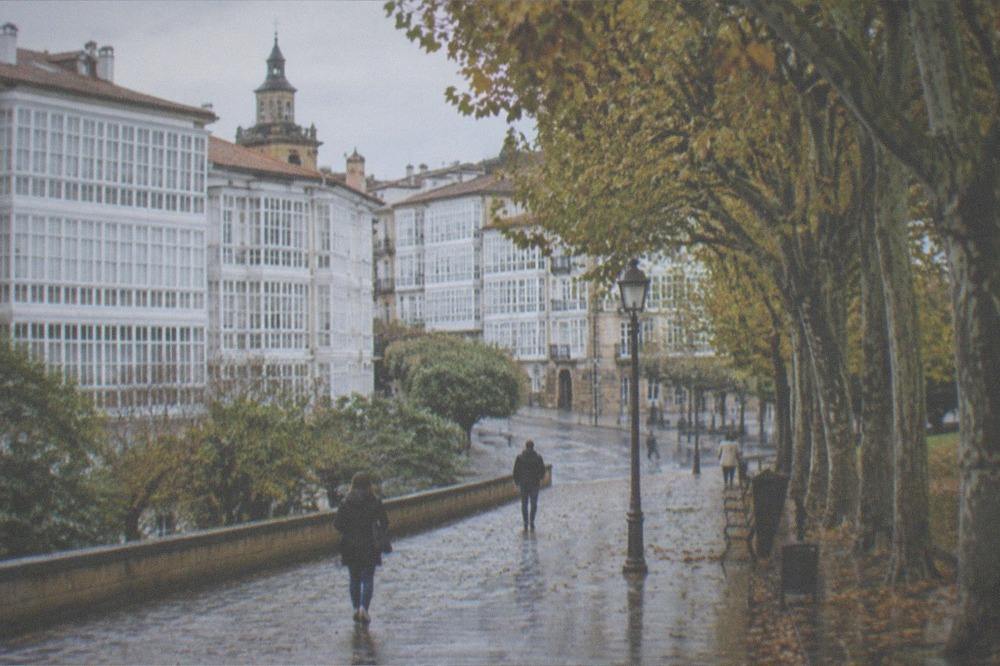
The hilltop medieval quarter, the Plaza de la Virgen Blanca at its foot, the Gothic church of Santa María and the green ring of parks that surrounds the centre are the core of a Vitoria-Gasteiz visit, and all of them are walkable from one another in a single day. The city is compact, flat around the ring and steep only in the old town, so one well-planned day covers the essentials without rushing.
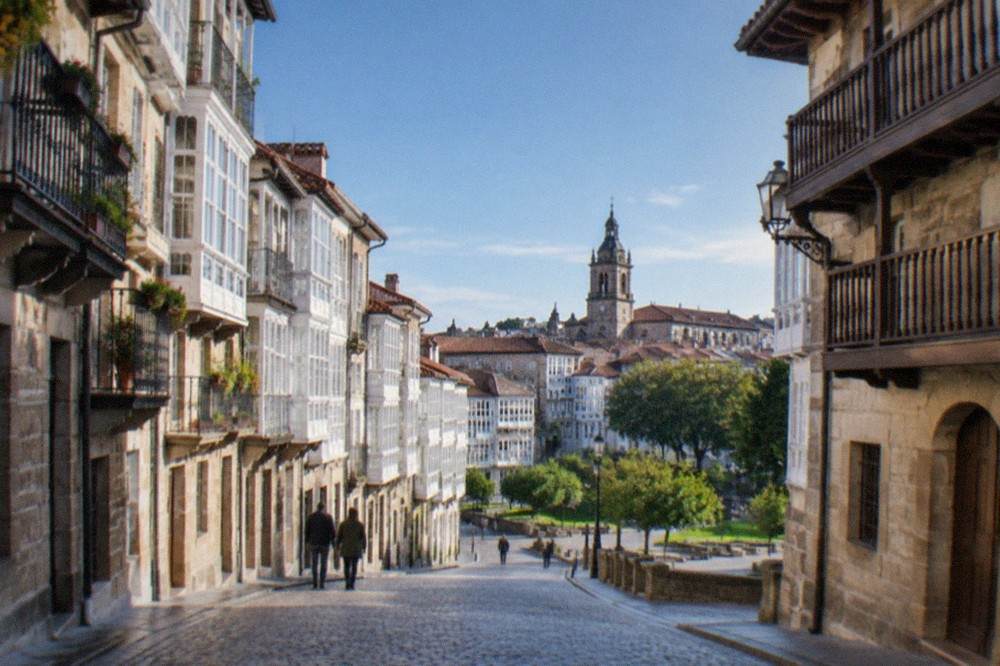
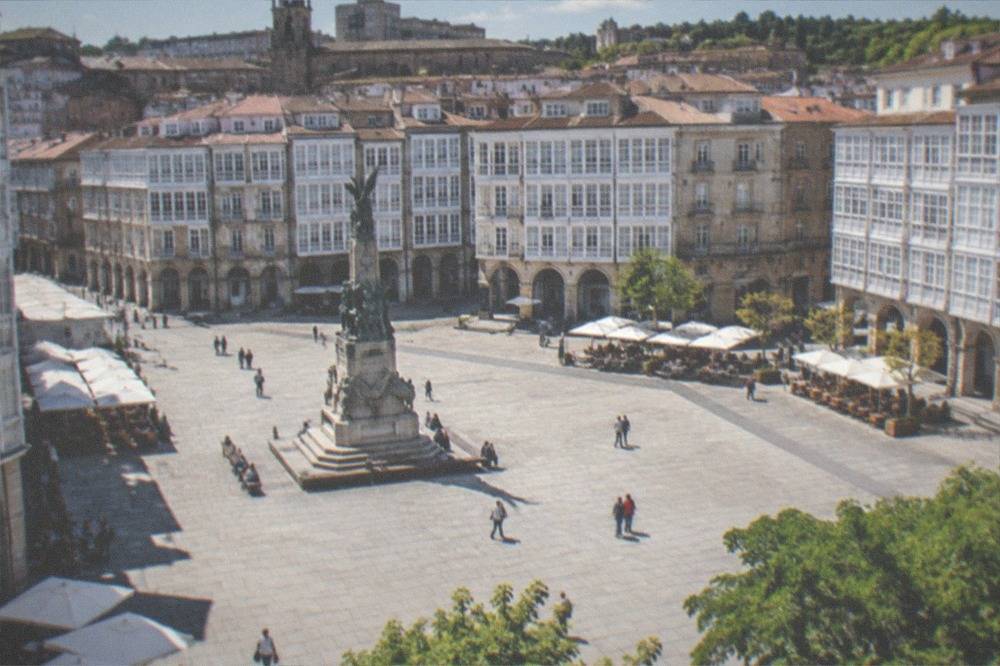
Start on the hill. Vitoria-Gasteiz's old town, the Casco Medieval, is one of the best preserved in the Basque Country, a triangle of cobbled streets, timber-framed palaces and towers that grew as a planned settlement and still shows its medieval bones. The Gothic church of Santa María presides over one edge, a building that has been under a long, careful restoration and can be visited as a working archaeological site in some seasons, which is a genuinely unusual way to see a church. From the hill you drop to the Plaza de la Virgen Blanca, the city's living room, where the old and new towns meet under arcades and café terraces. The wider set of guides lives on San Sebastian Spain Guide.
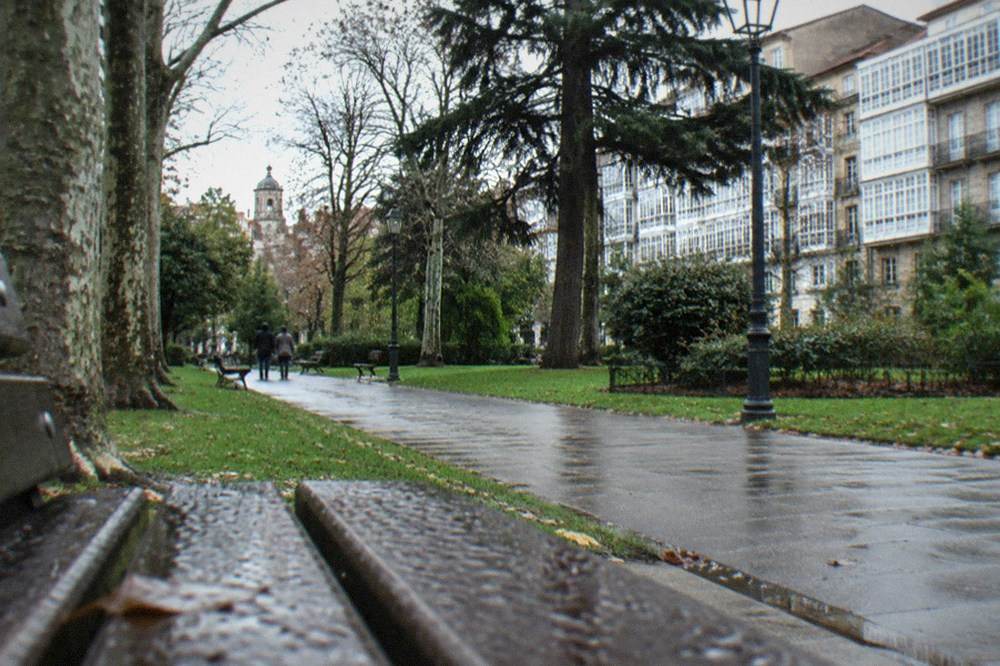
Then walk the ring. Vitoria-Gasteiz is unusually green for a Spanish provincial capital, and its inner belt of parks, the Paseo de la Senda and the Florida park among them, gives the city its breathing space. The tourism narrative of the city leans on this: it presents itself as a compact, walkable, environmentally managed city, and a visitor feels it within an hour of arriving. Museums fill the rest of a wet afternoon, and on this coast-to-plateau trip you should plan for one: AEMET's normals for its Igeldo station show November, the wettest month, at 169 mm of rain over about 13 rain days, and even July, the driest, averages 86 mm over nearly 10.
Two practical cautions apply to any Basque day trip plan. First, Mondays are the worst museum day in this region: San Telmo Museoa in San Sebastián is closed Mondays except holidays and long weekends, Tabakalera is closed Mondays, and the pattern repeats across the province, so check your target's day before you commit. Second, seasons bite: Hondalea on Santa Clara island, the beach lifeguards and the island boats all run 1 June to 30 September and stop after, so a shoulder-season trip reshuffles what is open everywhere, not only in Vitoria.
Can You Combine Vitoria-Gasteiz With Rioja Wine Country?
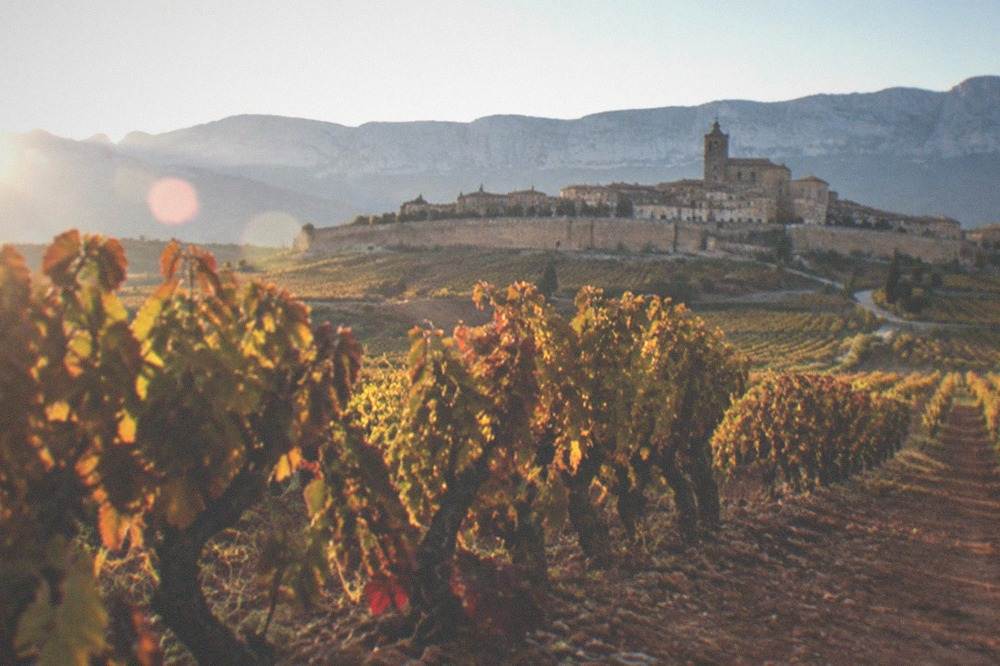
Yes, and the combination is the strongest version of the trip: Vitoria-Gasteiz sits on the northern edge of Rioja Alavesa, whose walled villages and wineries lie just south of the city, so one long day can take in the capital's old town and a winery, or you can give the wine district the whole day and save Vitoria for another visit. The booked Rioja tour from San Sebastián runs exactly this axis with winery visits and the walled town of Laguardia.
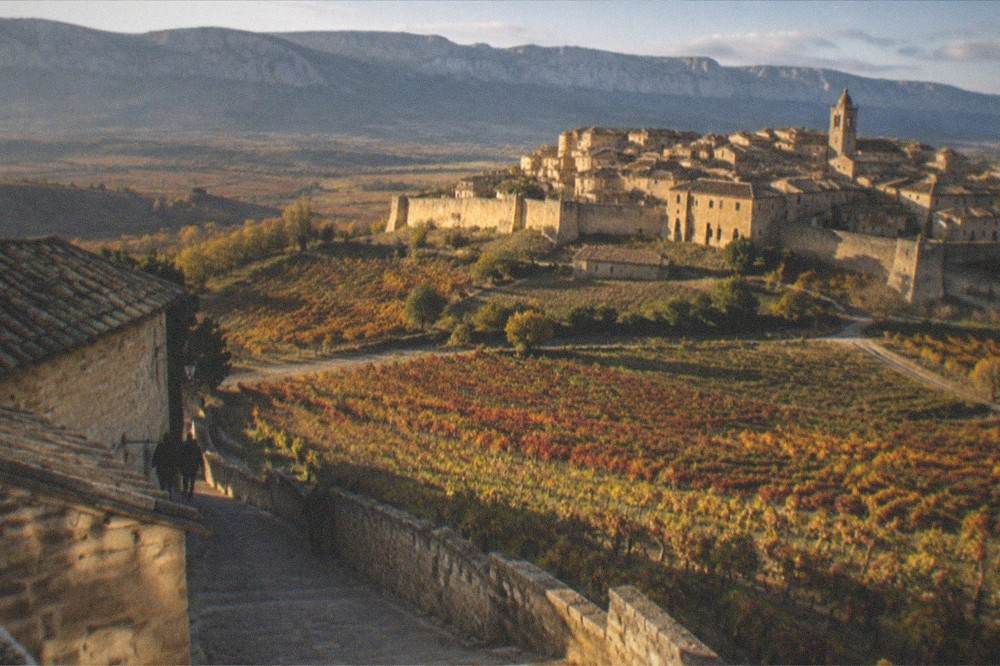
The Rioja Alavesa is the part of the Rioja wine region inside Álava, and Laguardia is its showcase: a fully walled medieval village on a hill, with wine cellars dug into the ground beneath the streets. Txakoli, the crisp local white of the Gipuzkoa coast, gives way here to Rioja's reds, and the food culture shifts with it, from pintxos to asado-style lamb and long restaurant lunches. For a visitor from San Sebastián this is the most natural extension of the inland day, and the booked tour handles it well:
That tour runs from San Sebastián's bus station as a full-day small-group trip with winery visits and Laguardia, and it pairs naturally with the site's longer Rioja day trip guide. If you are travelling independently, the same logic applies: Vitoria-Gasteiz and Laguardia are close enough to each other that a car makes both possible in a day, though a single day that includes the drive from San Sebastián, a proper winery visit and both towns is ambitious. Visitors generally do better picking one as the headline.
The record carries opening and price details for several named venues on the wider day-trip circuit, which help you sequence an independent itinerary:
| Venue | Location | Verified detail |
|---|---|---|
| Cristóbal Balenciaga Museoa | Getaria | 14 EUR general, 9 EUR reduced; July and August daily 10:30 to 20:00 |
| Chillida Leku | Hernani | Adults 14 EUR; closed Tuesdays and Wednesdays, open every other day 10:00 to 19:00 |
| Sagardoetxea cider museum | Astigarraga | Museum visit from 5.00 EUR, premium visit with tasting 9.00 EUR |
| Hondalea, Cristina Iglesias | Santa Clara island | Free, 1 June to 30 September, 11:00 to 18:30, no booking needed for the visit itself |
None of those four is in Vitoria-Gasteiz, and the table is here for the opposite reason: it shows how much of the region's verified interest clusters around San Sebastián itself, within a short radius. The inland day is the exception, and that is exactly why it is worth a slot in a week-long stay. If your days are short, the one day in San Sebastian itinerary should come first, and the inland trip second or third.
When Is The Best Time Of Year For A Vitoria-Gasteiz Day Trip?
May, June and September are the best months for this trip: AEMET's normals for the Igeldo station show May at 14.4 C mean with 120 mm of rain, June at 16.9 C with 90 mm and September at 18.0 C with 111 mm, a window that balances the warmest temperatures against fewer rain days than either shoulder. July and August are the warmest but carry August's 117 mm, which is more rain than June, July or September average.
That August figure surprises people, and it should: the Atlantic does not take summer off. The station sits at 250 m on Monte Igeldo, so the seafront runs slightly warmer than these values, and the inland plateau has its own slightly more continental pattern, but no month in the table below is dry. Plan the indoor parts of Vitoria-Gasteiz, the museums and the church, as rain insurance rather than as filler.
| Month | Mean C | Rain mm | Days with 1 mm+ rain | Sun hours |
|---|---|---|---|---|
| Jan | 8.5 | 141 | 13.2 | 98 |
| Feb | 8.7 | 110 | 11.6 | 107 |
| Mar | 10.3 | 113 | 12.4 | 144 |
| Apr | 11.3 | 138 | 13.4 | 157 |
| May | 14.4 | 120 | 12.2 | 181 |
| Jun | 16.9 | 90 | 10.6 | 189 |
| Jul | 18.9 | 86 | 9.8 | 196 |
| Aug | 19.5 | 117 | 10.5 | 190 |
| Sep | 18.0 | 111 | 10.1 | 179 |
| Oct | 15.5 | 159 | 11.8 | 140 |
| Nov | 11.3 | 169 | 13.0 | 102 |
| Dec | 9.1 | 151 | 12.4 | 93 |
Crowding runs on a different calendar. The INE hotel figures for the city of San Sebastián, which cover hotels only, peak in August at 245,769 overnight stays in 2025, with July close behind at 239,124, while April to October never drops below 200,000. A day trip out of the city is a good pressure valve in those peak months, and Vitoria-Gasteiz absorbs visitors far more gently than La Concha does. The city's own big calendar moments, the patronal festivities around early August and the jazz festival, are reasons to go rather than to avoid, but check dates with the city's own channels before building a trip around them, since this site publishes no festival calendar for Vitoria.
What Other Day Trips Compare With A Vitoria-Gasteiz Day Trip?
The strongest alternatives from San Sebastián are Bilbao for architecture and the Guggenheim, the French Basque coast for Biarritz and Saint-Jean-de-Luz, the Gipuzkoa fishing towns of Getaria and Zumaia, and Hondarribia for a half-day, each of which the tour roster covers, and each of which trades Vitoria's inland calm for coast, border or food. Choose by what your trip is missing, not by distance.
Bilbao is the obvious rival: bigger, bolder, with the Guggenheim as its anchor, and covered in the site's Bilbao day trip guide. The French Basque Country flips the compass north, and a booked coach runs the classic three-town circuit:
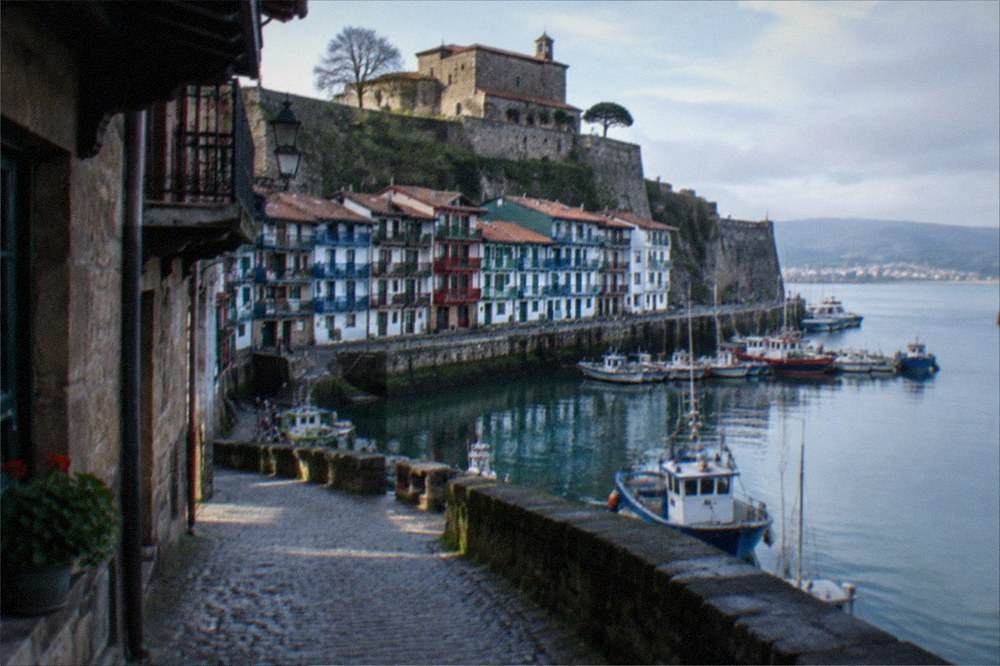
Closer to home, the Gipuzkoa coast packs Getaria, Zarautz and Zumaia into a half-day loop, with Getaria carrying both the Balenciaga museum and the grilled fish tradition, and Zumaia the flysch cliffs of the Basque Coast UNESCO Global Geopark, a Geopark since 2015. That coastal loop is the direct competitor to the inland day, and the booked version covers it well:
Hondarribia, a separate municipality at the mouth of the Bidasoa, works as a half-day with its fortified old quarter and the row of seafood restaurants along the harbour, and the Hondarribia day trip guide covers it. For a full sweep of every option, the day trips from San Sebastian overview ranks them all. Vitoria-Gasteiz's place in that list is specific: it is the only one of these that is a capital city, the only one without the sea, and the only one that hands you Rioja as an add-on. If your San Sebastián week already has enough coast, this is your trip.
How Does A Vitoria-Gasteiz Day Fit Into A Longer Basque Country Plan?
A Vitoria-Gasteiz day works best as the inland leg of a four-to-seven-day Basque Country stay: give San Sebastián the first two or three days for the old town, the beaches and the pintxo bars, slot the inland day third or fourth, and keep Bilbao or the French coast for the remaining slots, with the booked tours carrying the long drives so your evenings stay in Donostia.
The arithmetic of the region supports this. San Sebastián's own attractions, from the Peine del Viento at the end of Ondarreta to the funicular up Monte Igueldo, which opened on 25 August 1912 and runs every 15 minutes, fill days without leaving the municipality, and the things to do in San Sebastian page is the master list. The inland day is the change of texture. Booked excursions leave from the bus station or your hotel and return by evening, which means the day trip costs you no packing, no hotel change and no car.
For travellers building a wider route, the Basque Country itinerary guide sequences the coast, the capital and Bilbao into one plan, and the northern Spain itinerary extends it further along the Cantabrian coast. Vitoria-Gasteiz slots into both as the inland node, and its airport, at 100 km with no direct service listed into San Sebastián, is rarely the airport you fly into for this trip; Bilbao, at 105 km with direct service listed, usually is, and the Bilbao airport transfer guide covers that arrival.
A last word on the season rules that shape any Basque plan. The tourist tax approved for Gipuzkoa, Norma Foral 3/2026, does not take effect until 1 January 2027, so no visitor pays it before that date, and the law caps any charge at six nights per person per stay with under 18s exempt. The Michelin count that draws so many visitors, 11 stars across 6 restaurants inside the city in the MICHELIN Guide Spain 2026, belongs to San Sebastián, not Vitoria-Gasteiz, and the 2027 edition lands on 24 November 2026 in Huesca. None of that changes the inland day: pack a rain layer, book the long drive if you would rather not make it yourself, and give the Basque Country's quiet capital the full day it deserves.
Common Questions About Vitoria-Gasteiz Day Trips
How far is Vitoria-Gasteiz from San Sebastian?
The San Sebastián tourism board lists Vitoria-Gasteiz's airport at 100 km from the city, with no direct service from that airport into San Sebastián. No verified journey time or fare for the city-to-city route is published on this site, so confirm current timetables with the operator before you travel.
Is Vitoria-Gasteiz worth a day trip from San Sebastian?
Yes, if you want a change from the coast. It is the capital of the Basque Country, with a well preserved medieval old town, a famous green belt of parks and a different food and wine culture, sitting on the edge of Rioja Alavesa. Travellers who mainly want beaches and pintxos may prefer the coastal day trips instead.
Can you visit Vitoria-Gasteiz and Laguardia on the same day?
It is possible with a car, since Laguardia lies just south of the city in Rioja Alavesa, but a single day that also includes the drive from San Sebastián is ambitious. Travelers do better giving the wine district a full day on a booked tour, or giving Vitoria-Gasteiz the day and saving Laguardia for another trip.
What is the best time of year for a Vitoria-Gasteiz day trip?
May, June and September, on the AEMET Igeldo normals: May averages 14.4 C, June 16.9 C and September 18.0 C, each with fewer rain days than the autumn and winter months. August is the warmest month but averages 117 mm of rain, more than June, July or September.
Do you need a car for a Vitoria-Gasteiz day trip?
A car gives the most freedom, especially for adding Rioja Alavesa villages, and the city centre is best entered from a peripheral car park. Without a car, intercity coaches run across the region under the Lurraldebus umbrella, or a booked small-group tour from San Sebastián covers the inland direction, including the Rioja wineries, without any driving.
Is one day enough for Vitoria-Gasteiz?
One day covers the essentials: the hilltop medieval quarter, the Plaza de la Virgen Blanca, the Gothic church of Santa María and a walk along the green ring. The city is compact and walkable. Add a second half-day only if you plan to visit museums in depth or extend into Rioja Alavesa.