Which Beach Is Better In San Sebastian?
Which San Sebastián beach is better depends on what you want: La Concha for calm swimming, Zurriola for surf and space, Ondarreta for a quieter family day. A plain comparison from the council's own beach data.
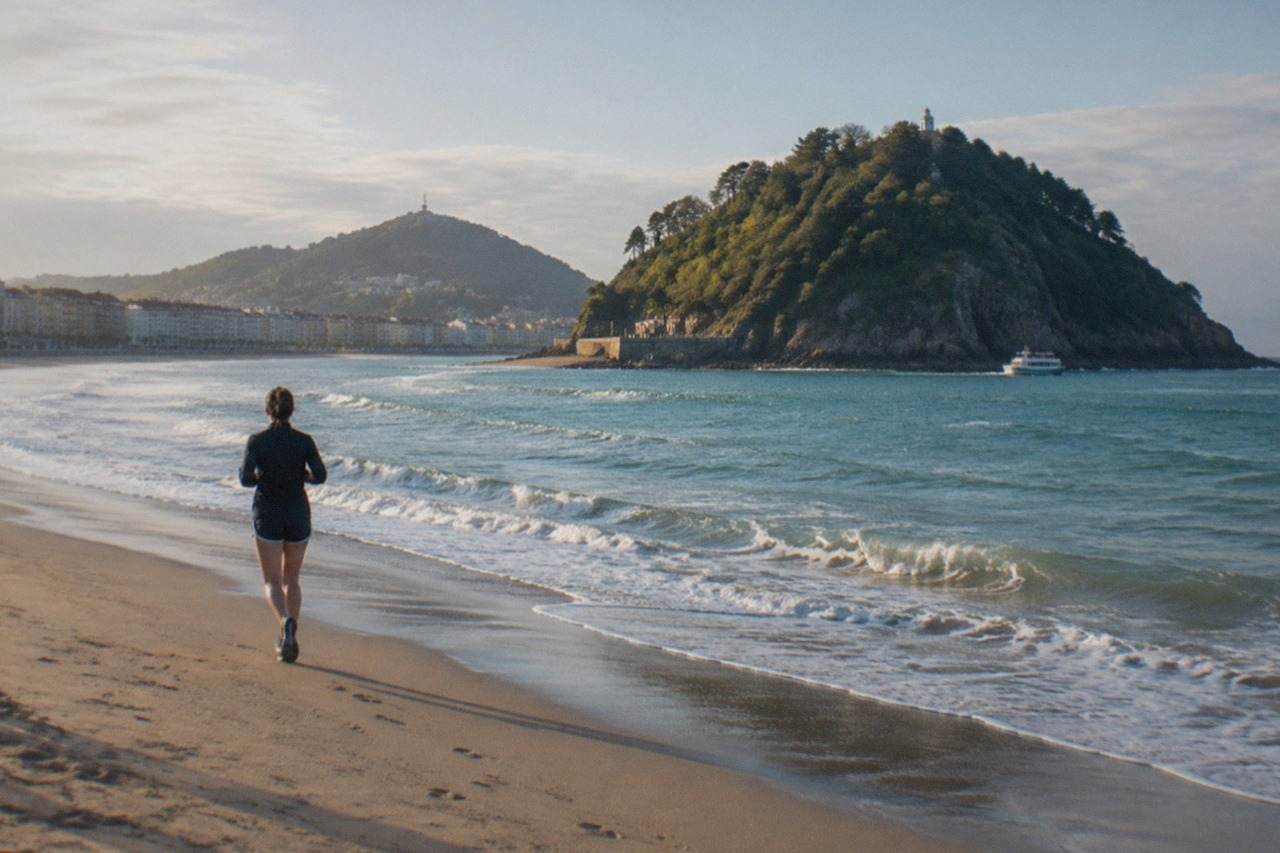
San Sebastián, the Basque city on La Concha bay in Spain whose official name is Donostia / San Sebastián, keeps its three city beaches side by side along one walkable shoreline. Locals argue about them anyway. The honest answer is that no single beach is "better": La Concha is the postcard and the calm swim, Zurriola is the open, high-energy surf beach, and Ondarreta is the quieter family stretch at the foot of Monte Igueldo. The city council publishes measured figures for all three, and those figures, plus a few season rules, settle the question better than any opinion does.
Which Beach Is Better In San Sebastian?
For a classic swim and the famous view, La Concha is the better beach; for surfing, waves and a younger crowd, Zurriola wins; for a calmer family day with easier sand at low tide, Ondarreta is the pick. The council measures La Concha at 1,350 metres long, Ondarreta at 600 and Zurriola at 800, so the longest stretch also carries the most people in August.
The council's own beach pages give each one a measured length, width and area, and those numbers already sketch the decision. La Concha is a long, shallow sandy bay facing Santa Clara island, and the council notes that the tide often limits how much usable sand it holds. Ondarreta sits at the west end of the same bay, under Monte Igueldo, and the walk to the Peine del Viento, Eduardo Chillida's three steel sculptures from 1977, starts from its west end. Zurriola is the odd one out: it faces open Atlantic swell on the Gros side, was remodelled in 1994, and the council describes it plainly as having strong swell.
The table below puts the three council measurements side by side, so the trade-offs are visible at a glance.
| Beach | Mean length | Mean width | Mean area | Council description |
|---|---|---|---|---|
| La Concha | 1,350 m | 40 m | 54,000 m2 | Sandy and shallow; the tide often limits usable area |
| Ondarreta | 600 m | 100 m | 60,000 m2 | Sandy, heavy use; the Peine del Viento walk starts at its west end |
| Zurriola | 800 m | 110 m | 88,000 m2 | Sandy, fairly open, strong swell; remodelled in 1994 |
One thing all three share is the weather, and it is worth being blunt about it. AEMET's climate normals for its Igeldo station, on Monte Igeldo 250 metres above the bay, record 1,507 mm of rain a year over 141 days with at least 1 mm, and even July, the driest month, averages 86 mm over about ten rain days. No beach in this city comes with a dry guarantee, and the seafront itself runs slightly warmer than the hilltop station's figures suggest. If the rain question matters more to you than the sand question, the San Sebastian weather guide covers it in full.
Is La Concha Or Zurriola Better For Swimming In San Sebastian?
La Concha is the better swimming beach by a wide margin: it is shallow, sheltered inside the bay, and lifeguarded from 1 June to 30 September. Zurriola is the surf beach, and the council's own page describes its swell as strong, which is exactly what makes it good for boards and risky for a relaxed float. Swimmers who want calm water should stay on the La Concha side of the headland.
La Concha's shallowness cuts both ways. The water deepens gently, which suits families and hesitant swimmers, but at low tide the usable sand narrows because the beach is only 40 metres wide on average. The beach is free to enter, as this page on La Concha's access explains, and the lifeguard service runs on all three beaches only from 1 June to 30 September: full hours of 10:00 to 20:00 apply from 15 June to 15 September, then 13:30 to 19:30 from 16 to 30 September. Outside that window nobody is watching the water professionally, so swim within your own judgement.
Zurriola, by contrast, is where the surf schools and the board riders go. Its 110 metre average width is the most generous of the three, and its Gros location puts it steps from the Kursaal and a younger nightlife scene. The council page says strong swell and means it: this is an Atlantic-facing beach, not a bay beach. The site stays silent on surf zoning and flag meanings because the council pages do not state them, so check the lifeguard post on the day.
Which San Sebastian Beach Is Best For Families And For Surf?
Ondarreta is the better family beach: it is 100 metres wide on average, the widest sand-to-space ratio of the three, it sits at the quiet west end of the bay, and the Peine del Viento walk gives the day a destination. Zurriola is the surf choice, full stop, and the council's strong-swell description is the reason. Families who want both can split the day: Ondarreta in the morning, the promenade at noon.
Ondarreta's numbers explain its character. At 600 metres it is the shortest of the three, but at 100 metres wide and 60,000 m2 of area it packs more usable sand per metre of frontage than La Concha, whose 1,350 metre length is squeezed into an average width of 40 metres. It also catches fewer crowds than La Concha simply because the postcard photographers go to the other end. The Ondarreta beach guide covers the practical side, including the walk out to Chillida's sculptures.
Zurriola's appeal is different in kind. The Zurriola beach guide goes into the surf scene, but the short version is that this is the beach for anyone travelling with a board or wanting to learn, and the Gros district behind it is where the surf schools, hostels and later bars cluster. For a surf lesson followed by pintxos, a combined tour is worth a look, and the site's surf lessons guide compares the options.
What Does Each San Sebastian Beach Look Like From The Water?
From the bay, La Concha reads as a perfect crescent with Santa Clara island sitting in the middle of it, Ondarreta continues the same curve toward Monte Igueldo, and Zurriola only reveals itself once you round the headland toward Gros. A boat is the one way to see all three in an hour, and the island's own lighthouse holds Hondalea, Cristina Iglesias's underwater-sourced work, open only from 1 June to 30 September.
Seeing the shoreline from the water is the quickest way to understand why the three beaches feel so different while sitting minutes apart. The island boat operator Motoras de la Isla runs a direct red line to Santa Clara for 5 EUR return in the high season, 10:00 to 19:00 every 30 minutes weather permitting, and a blue line that adds a 30 minute bay tour for 8 EUR. On the island itself, Hondalea is free to visit, in half-hourly sessions from 11:00 to 18:30, about 20 minutes a session, and no booking is needed for the visit itself, only the boat. Everything else covered here is indexed on San Sebastian Spain Guide.
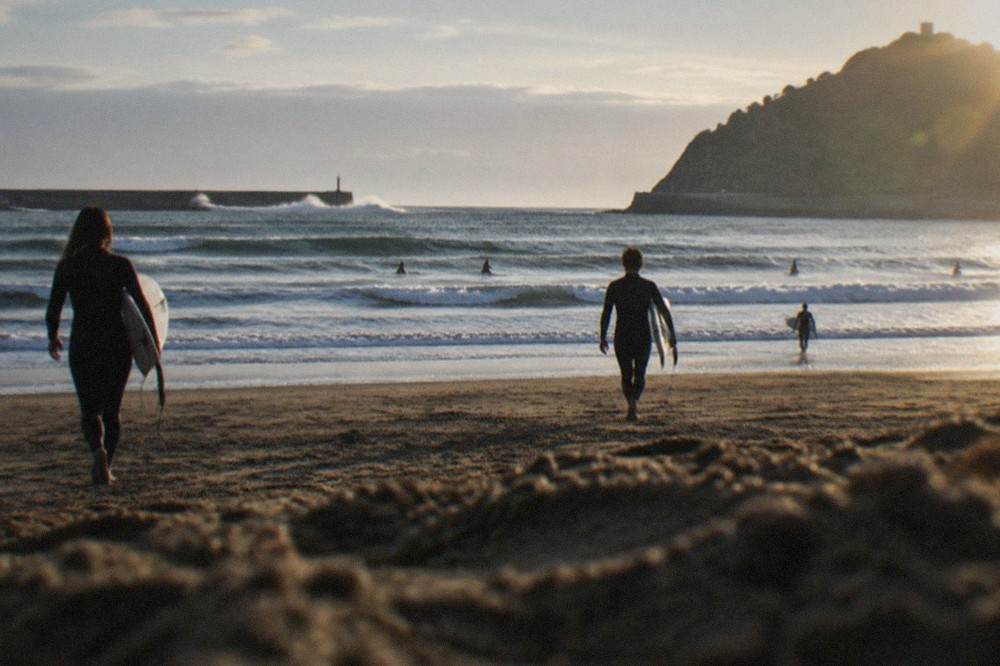
For a private view of the same bay, a sailboat with a local skipper is the related pick on this page. You can also Check availability for a private sailing trip if a small-group day on the water suits your plans better than the island ferry.
When Is The Best Month For Beach Weather In San Sebastian?
The warmest beach month is August, with a mean maximum of 22.5 C at AEMET's Igeldo station, followed by July at 21.8 C, but August is also wetter than June, July or September, at 117 mm of rain. September is the connoisseur's pick: 21.1 C mean maximum, 111 mm of rain and far fewer people. No month in this city is dry, so plan around the rain days, not around a dry promise.
The AEMET normals for the Igeldo station, covering 1981 to 2010, are the honest record, and they describe a wet Atlantic city rather than a Mediterranean one. July is the driest month and still averages 86 mm over about ten rain days. November is the wettest at 169 mm. The sunshine total runs from 196 hours in July down to 93 in December, and the annual mean temperature is 13.5 C. The seafront runs slightly warmer than these hilltop figures because the station sits 250 metres up on Monte Igeldo.
The visitor numbers track the temperature. INE's hotel occupancy data for the city shows August as the peak month, with 245,769 hotel overnight stays in 2025, a little over twice January's total. July and August together account for 22 percent of the year's hotel stays, which means the best sand in August is shared with the most people. September, October and May all keep over 200,000 monthly stays except at the edges, and the best time to visit guide breaks the trade-off down month by month.
| Month | Mean max C | Rain mm | Rain days (1 mm+) | Sun hours |
|---|---|---|---|---|
| June | 20.0 | 90 | 10.6 | 189 |
| July | 21.8 | 86 | 9.8 | 196 |
| August | 22.5 | 117 | 10.5 | 190 |
| September | 21.1 | 111 | 10.1 | 179 |
| October | 18.5 | 159 | 11.8 | 140 |
The pattern to notice is that August buys one degree of warmth over July and September but pays for it with 31 mm more rain than September and 31 more than July. If your beach day needs sun rather than maximum temperature, July's 196 sun hours and 86 mm make it the strongest single month in the table, at the cost of the year's biggest crowds.
Where Should You Stay To Be Near The Best Beach?
Stay in the Centro or La Concha side for the calm bay beach, or in Gros for Zurriola: the two are a 15 to 20 minute walk apart along the promenade, so the choice is about atmosphere, not access. La Concha-front hotels carry the price and the view, Gros carries the surf scene and the later nights, and the Old Town sits between the two beaches with neither sand at its door.
Because the whole shoreline is one continuous walk, the beach decision and the neighbourhood decision are really the same decision. The where to stay guide maps the districts against the beaches, and the site's beachfront and Old Town hotels guide covers the rooms with sand in view. If you are weighing the city against a French alternative instead, whether to stay in San Sebastian or Biarritz is its own question with its own answer.
Common Questions About San Sebastian Beaches
Which beach is better in San Sebastián?
There is no single winner. La Concha is better for calm swimming and the famous view, Zurriola is better for surfing and open-Atlantic energy, and Ondarreta is better for a quieter family day. The council measures La Concha at 1,350 metres, Zurriola at 800 and Ondarreta at 600, so the longest beach is also the busiest in peak season.
Can you swim at La Concha?
Yes. La Concha is sandy and shallow, which makes it the easiest swimming beach of the three. Lifeguards are on duty only from 1 June to 30 September, from 10:00 to 20:00 between 15 June and 15 September and from 13:30 to 19:30 from 16 to 30 September, so outside those dates you swim without a professional watch.
Is Zurriola good for beginners learning to surf?
Zurriola is the city's surf beach, with the council's own page describing strong swell, and the Gros district behind it holds the surf schools. The site does not state surf zoning rules because the council pages do not publish them, so confirm the current setup with the lifeguard post or your school on the day.
Are the beaches free in San Sebastián?
Yes, all three city beaches are free to enter. Paid extras are optional: parasol and awning hire runs 15 June to 30 September, with an awning at 13.10 EUR a day on La Concha and Zurriola and a lounger at 3.50 EUR.
When do the lifeguards leave the beaches?
The lifeguard service on all three beaches runs only from 1 June to 30 September. Hours are 10:00 to 20:00 from 15 June to 15 September, then 13:30 to 19:30 from 16 to 30 September. After 30 September there is no lifeguard cover until the following June.
Is there a beach on Santa Clara island?
Yes, the council's beach index names a fourth, small beach on Santa Clara island. The island boat runs a direct service for 5 EUR return in its high season, 1 June to 30 September, every 30 minutes weather and sea permitting, with under 4s travelling free.
The final word is a planning rule rather than a verdict: pick your beach by the day's water and weather, not by the postcard. On a calm July morning La Concha is unbeatable, on a September swell day Zurriola is the only beach that matters, and on a grey November afternoon with 169 mm of monthly average rain behind it, all three are best seen from the promenade with a pintxo in hand.