La Perla Thalasso Spa
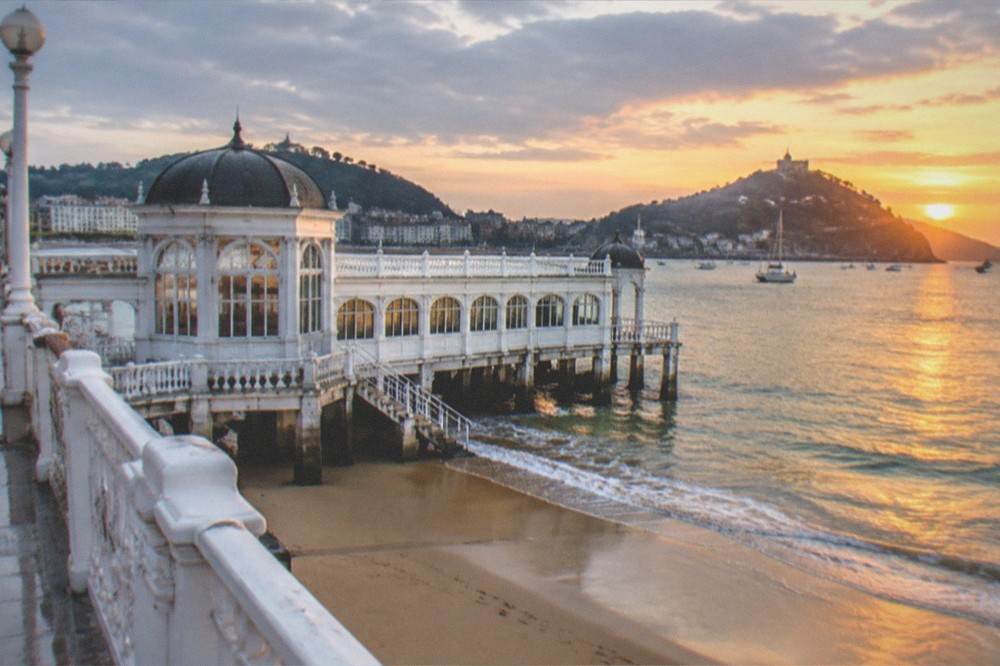
La Perla is the seawater spa complex sitting directly on La Concha beach in San Sebastián, in the Basque Country, Spain, the city whose official name is Donostia / San Sebastián. This page covers what it is, how to reach it, what a visit involves and what surrounds it.
Short answer
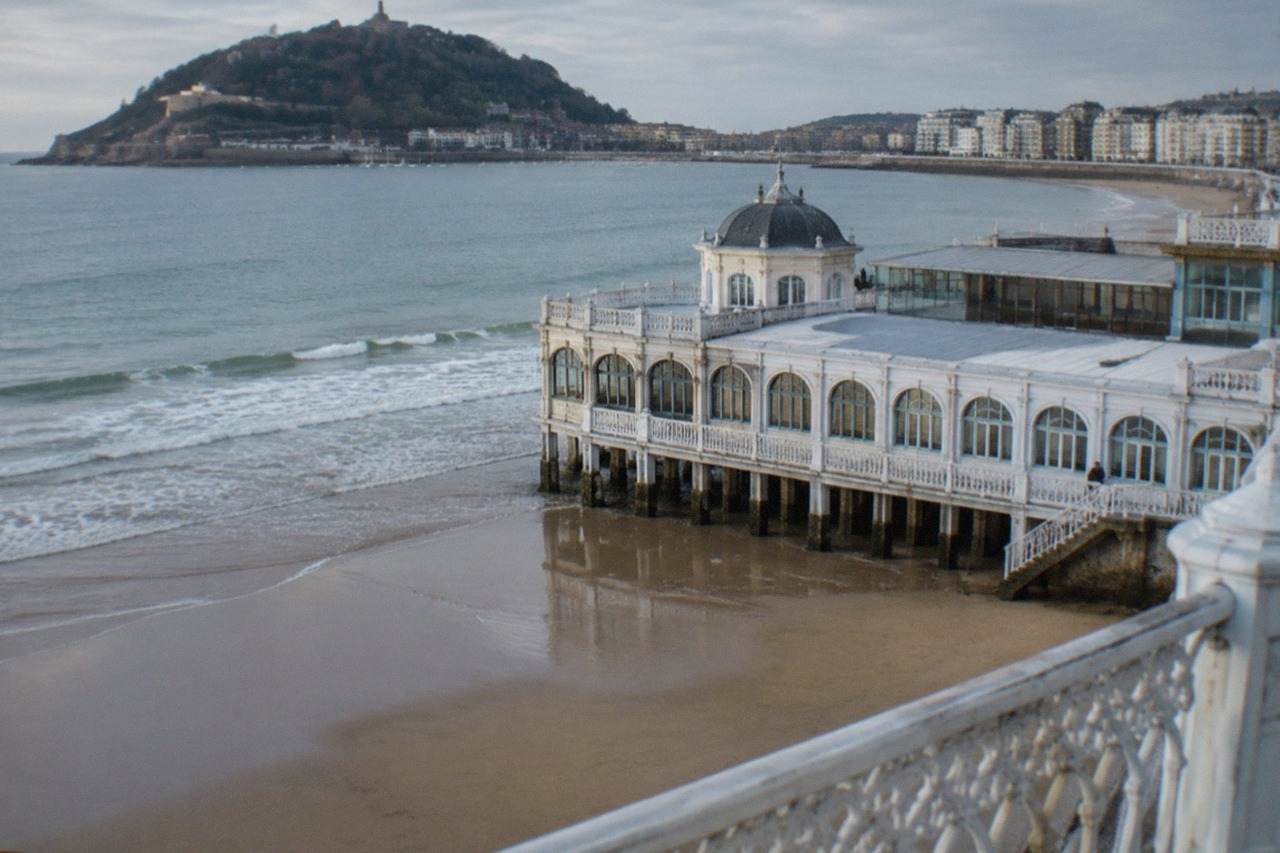
La Perla is a thalassotherapy spa on the La Concha promenade in San Sebastián, Basque Country, Spain, built around heated seawater pools and treatment rooms facing the bay. Sessions, prices and hours are set by the venue itself, so check its own counter or site before you go.
La Perla is the seawater spa complex that sits directly on the sand of La Concha beach in San Sebastián, in the Basque Country, Spain, the city on the bay whose official name is Donostia / San Sebastián. Few spa buildings anywhere sit this close to open water: the complex occupies the western stretch of the La Concha promenade, with the sand on one side and the curve of the bay, Santa Clara island and Monte Urgull on the other. This page explains what the spa is, how to reach it with the city's verified transport fares, what a day around it looks like, and which season rules matter when you plan the visit.
What Is La Perla San Sebastian?
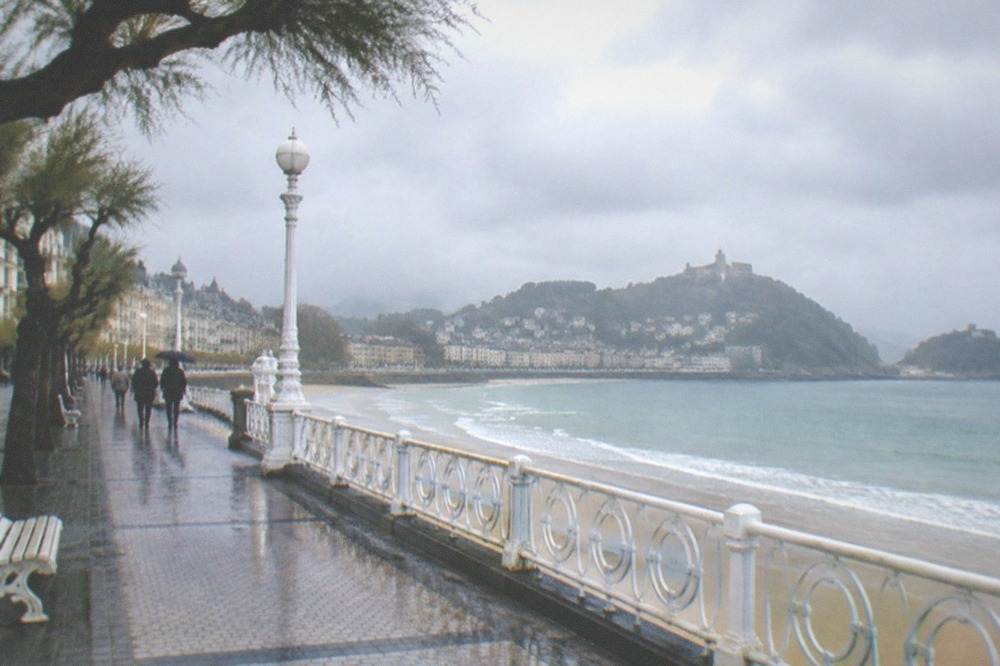
La Perla is a thalassotherapy centre, a spa built around heated seawater, standing on the La Concha seafront in San Sebastián, in the Basque Country, Spain. Thalassotherapy means therapy by the sea: seawater is pumped, heated and channelled into pools, jets and treatment rooms, and visitors buy timed sessions rather than overnight stays. The complex faces La Concha bay directly, with Santa Clara island in front of it and Monte Urgull closing the view to the east.
That position is the whole point. A thalassotherapy spa elsewhere is a building with pipes; here the water in the pipes and the water in the view are the same bay. The name, La Perla, matches the pearl shape of La Concha itself, the beach the council describes as 1,350 metres long, sandy and shallow, where the tide often limits the usable area. A visitor who books a session gets seawater treatments a few steps from the seawater itself.
What the venue charges, and exactly what a session includes, is set by the venue. The complex runs its own price list, its own timetable and its own booking channels, and those change more often than any guide can track. Treat the venue's own site or front desk as the only source for a session price, a treatment menu or today's opening hours. What this page can state with certainty is everything around the spa: the transport fares that get you there, the beach it stands on, the season rules that shape a visit, and the sights within a short walk.
Where Is La Perla And How Do You Get There?
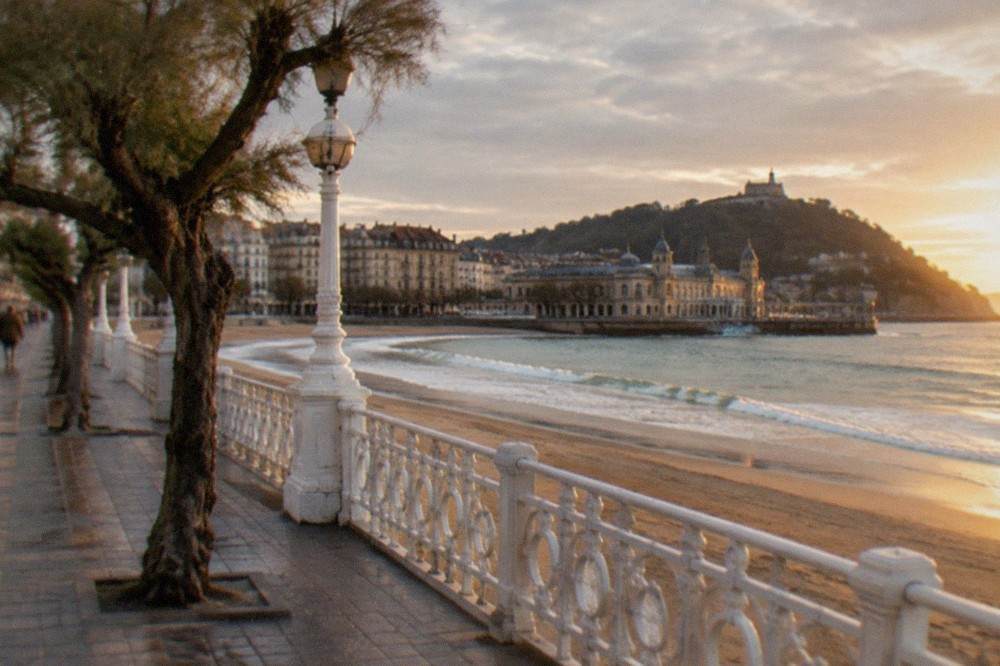
La Perla stands on the La Concha promenade in central San Sebastián, in the Basque Country, Spain, roughly opposite the midpoint of the beach, and the whole city centre is compact enough that many people arrive on foot. A dBus city bus occasional ticket costs 1.95 EUR paid in cash to the driver, and the night ticket is 2.65 EUR, with cash payment not allowing free transfers. Card fares under the MUGI system are cheaper still, starting at 0.78 EUR for an urban trip.
The bus fare figures come from the operator's own fare page and from the MUGI tariff, which is the single fare system covering Gipuzkoa: dBus city buses, Lurraldebus regional buses and Euskotren trains all use it. Fares are set by the number of zone jumps you cross. The table below shows the MUGI tariff as published, so you can see what a trip from further out would cost.
| Ticket | Urban 1 and 0 jumps | 1 jump | 2 jumps | 3 jumps |
|---|---|---|---|---|
| Occasional ticket (cash) | 1.95 EUR | 2.90 EUR | 5.40 EUR | 7.90 EUR |
| Night ticket | 2.65 EUR | 3.70 EUR | 6.45 EUR | 8.95 EUR |
| MUGI anonymous card | 0.78 EUR | 1.16 EUR | 2.16 EUR | 3.16 EUR |
| MUGI personalised, trips 1 to 20 in the month | 0.59 EUR | 0.88 EUR | 1.64 EUR | 2.41 EUR |
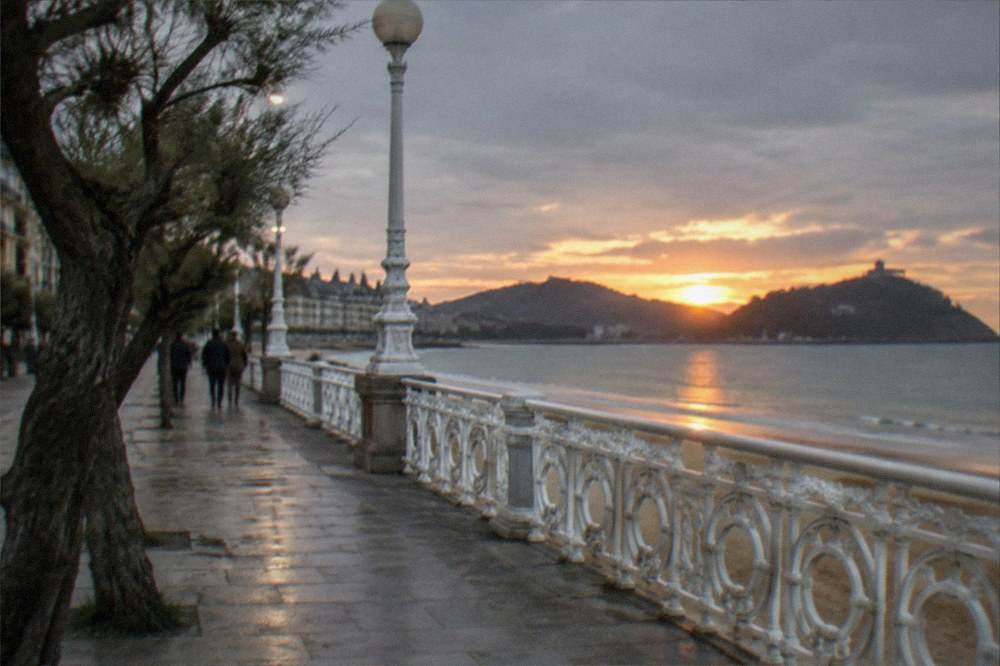
In practice, if you are staying anywhere in the centre, the Parte Vieja old town, Gros or the Antiguo side, you will walk. The promenade is flat, continuous and pedestrian for its whole length, and the spa sits on it. Cyclists use the same seafront: the bay is a flat end-to-end ride, which is why a guided bike tour along the bay is one of the natural pairings with a spa day, riding the length of the beach in the morning and soaking in the afternoon.
A morning on two wheels covers the full bay, from the Kursaal side at the mouth of the Urumea to the Peine del Viento at the far western tip, and the spa is a convenient place to end it. The La Concha beach guide breaks down the beach itself, stretch by stretch, if you want the fuller picture before you plan the walk or ride.
Can You Visit La Perla Without Booking A Spa Treatment?
Yes, in the sense that the building sits on a public promenade and the beach in front of it is free and open to everyone, but the spa's pools and treatment rooms themselves are ticketed, and only the venue's own counter can tell you what a session costs today. La Concha is a free public beach, and the promenade past the spa is public at all hours. The seawater pools inside are a paid, timed product whose prices the venue sets and revises itself.
This distinction matters for planning. Plenty of visitors come to this stretch of the promenade without ever entering the spa: they come for the beach, the railing views over the bay, the walk west towards the Peine del Viento, or the Miramar Palace grounds just behind the promenade, a palace built in 1893 at the request of Queen María Cristina in English country house style, with gardens running down to the sea. The spa is one attraction on a seafront that carries several.
If you do want the pools, the practical advice is simple: book direct with the venue and check its current timetable before you commit to a day. Sessions in a thalassotherapy centre are typically timed blocks, and demand on a summer weekend or during Semana Grande, the city's August festival week that always runs Saturday to Saturday around 15 August, can fill them. The venue's own channels are the only reliable source for availability.
For the beach in front of the spa, the season rules are documented and worth knowing. The council's beach pages give the lifeguard service for all three city beaches, La Concha, Ondarreta and Zurriola, from 1 June to 30 September, with full hours of 10:00 to 20:00 from 15 June to 15 September and reduced hours of 13:30 to 19:30 from 16 to 30 September. Assisted bathing for visitors with reduced mobility runs 15 June to 15 September. Outside the lifeguard season the beach stays open, but you swim at your own judgement, and the answer page on swimming at La Concha goes into what that means in practice.
If your plan is a spa session plus a wander, a self-guided audio option is a good fit for the hours before it. This audio tour plays on your phone and walks you through the city's essence and culture at your own pace, which suits a day whose centrepiece is a timed soak.
What Does A Day Around La Perla Look Like?
A natural day here runs: a morning walk or ride along the bay, a swim at La Concha while the lifeguards are on duty between 1 June and 30 September, the spa session itself in the afternoon, and then the walk west along Ondarreta to the Peine del Viento, the sculptural work by Eduardo Chillida anchored to the rocks at the end of Monte Igueldo. Everything in that list is within one flat seaside walk, and none of it needs a car.
The beach facts come from the council's own pages, and they are worth reading together, because the three beaches have genuinely different characters. La Concha is the sheltered city beach; Ondarreta, 600 metres long and 100 metres wide on average, sits at the calmer western end under Monte Igueldo; Zurriola, on the far side of the Urumea river in Gros, is the open one, remodelled in 1994, where the council notes a strong swell.
| Beach | Mean length | Mean width | Mean area | Council character notes |
|---|---|---|---|---|
| La Concha | 1,350 m | 40 m | 54,000 m2 | Sandy, shallow, tide often limits usable area |
| Ondarreta | 600 m | 100 m | 60,000 m2 | Sandy, heavy use, walk to the Peine del Viento starts at its west end |
| Zurriola | 800 m | 110 m | 88,000 m2 | Sandy, fairly open, strong swell |
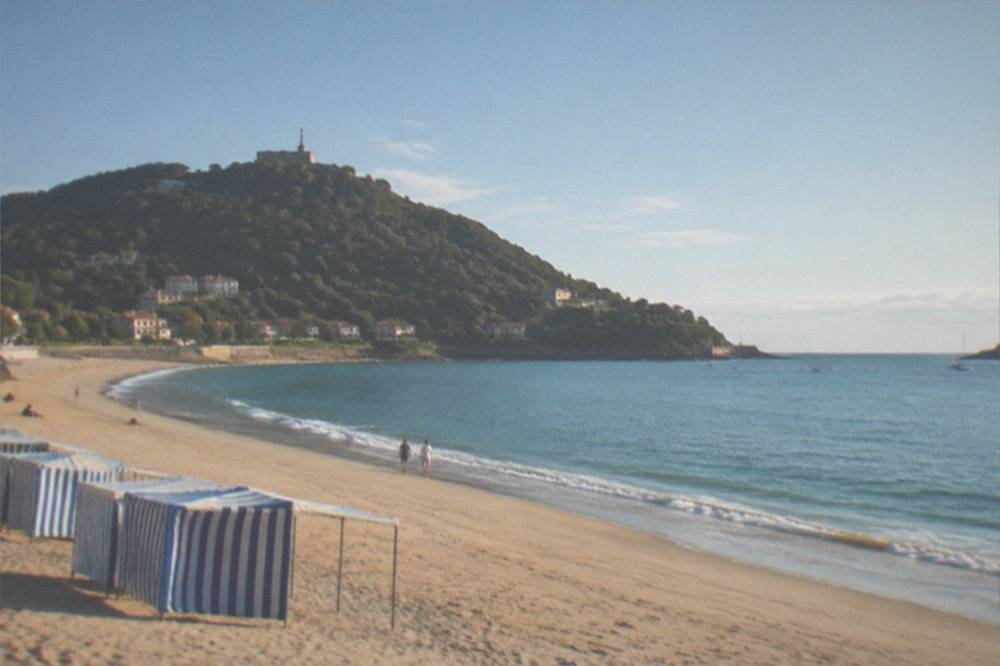
If you are spending a full day on this stretch, the council also licenses beach equipment hire, which runs 15 June to 30 September. On La Concha and Zurriola an awning is 13.10 EUR a day, a lounger is 3.50 EUR and a lounger with parasol is 8.40 EUR; on Ondarreta an awning is 13.10 EUR, a parasol is 17.50 EUR and a tent is 21.90 EUR. That is the full list the council publishes, and it is a fair alternative to carrying your own gear past the spa.
| Item | La Concha and Zurriola | Ondarreta |
|---|---|---|
| Awning per day | 13.10 EUR | 13.10 EUR |
| Lounger per day | 3.50 EUR | not listed |
| Lounger with parasol | 8.40 EUR | not listed |
| Parasol per day | not listed | 17.50 EUR |
| Tent per day | not listed | 21.90 EUR |
The walk west from the spa is the best free hour in the neighbourhood. It runs along Ondarreta to the Peine del Viento, three steel sculptures of more than nine tonnes each, anchored to the rocks, a definitive work Chillida created in 1977 and gave to the city, set on a pink granite plaza by the Basque architect Luis Peña Ganchegui. The Peine del Viento page covers the work itself, and the waves that break over it are the reason the rocks are there at all.
What Is The Weather Like At La Concha?
San Sebastián is a wet Atlantic city: AEMET's climate normals for its Igeldo station, covering 1981 to 2010, record 1,507 mm of rain a year over 141 rain days, and even July, the driest month, still averages 86 mm. August, the warmest month at a mean of 19.5 C, is wetter than June, July or September at 117 mm. No month averages under 86 mm, so a spa with indoor seawater pools is a genuinely useful rainy-day asset here, not a luxury.
That last point is why La Perla earns its place in a San Sebastián plan. A city where it rains on roughly ten days even in the driest month needs indoor options, and a seawater spa beside a swimmable beach covers both cases: sunshine puts you on the sand, rain puts you in the heated pools. The rainy day guide collects the rest of the indoor list, from San Telmo Museoa, free every Tuesday, to the Aquarium.
| Month | Mean C | Mean max C | Rain mm | Days 1mm+ rain | Sun hours |
|---|---|---|---|---|---|
| May | 14.4 | 17.7 | 120 | 12.2 | 181 |
| June | 16.9 | 20.0 | 90 | 10.6 | 189 |
| July | 18.9 | 21.8 | 86 | 9.8 | 196 |
| August | 19.5 | 22.5 | 117 | 10.5 | 190 |
| September | 18.0 | 21.1 | 111 | 10.1 | 179 |
| October | 15.5 | 18.5 | 159 | 11.8 | 140 |
| November | 11.3 | 14.0 | 169 | 13.0 | 102 |
The station sits 250 m up on Monte Igeldo, so the seafront runs slightly warmer than these values. The pattern to plan around is clear: July is the driest month, November the wettest at 169 mm, and the shoulder months of June and September combine warm seas with slightly fewer rain days than August. If a spa session is your rain plan, any month works; if it is your reward after a beach morning, book it for the summer half of the year, when the lifeguards are on duty and the bay is in full season. Other pages covering the same trip are gathered on San Sebastian Spain Guide.
What Else Is Within Walking Distance Of La Perla?
Within a short walk of the spa you can reach the La Concha promenade in both directions, the old town across the river, Monte Urgull to the east, and Monte Igueldo to the west, whose funicular, running every 15 minutes, charges a return fare of 5.50 EUR for an adult and 2.50 EUR for a child up to 7 years, with the ticket including entry to the grounds at the top. The island boat from the harbour costs 5 EUR return in high season.
These are the two classic add-ons to a spa day, and both fares come from the operators' own pages. The funicular opened on 25 August 1912 and is a rack funicular with wooden cars; the tourism board calls it the oldest in the Basque Country. One warning from the operator's own home page: downhill-only funicular tickets are not on sale, so ride up and down, or walk up and walk down, but do not plan on walking up and riding down. The Monte Igueldo guide has the full detail.
| Monte Igueldo funicular ticket | Price |
|---|---|
| Adult return | 5.50 EUR |
| Child return, up to 7 years | 2.50 EUR |
| Adult single | 4.00 EUR |
| Child single | 1.50 EUR |
| Groups of 20+, disabled card holders, San Sebastián Card holders, return | 4.50 EUR |
| Entry to grounds and viewpoint on foot or by vehicle | 3.00 EUR |
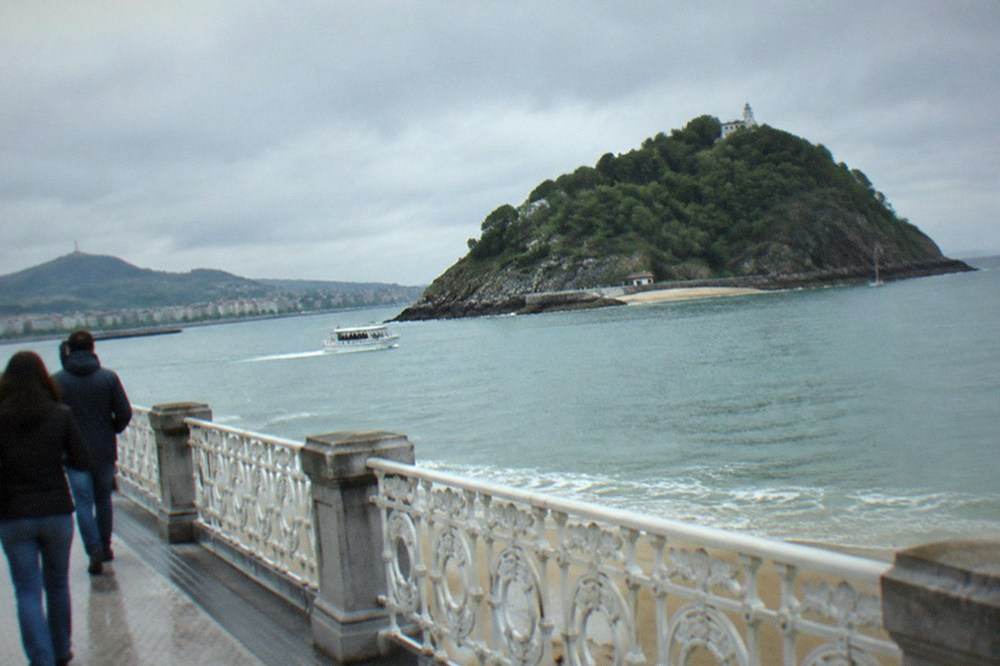
The island boat is the other one. Motoras de la Isla runs the red line direct to Santa Clara island in high season, 1 June to 30 September, every 30 minutes from 10:00 to 19:00 weather and sea permitting, with the last boat back at 20:00 in June to September and children under 4 free. The blue line adds a 30 minute bay tour for 8 EUR. The island itself carries the Hondalea installation by Cristina Iglesias in the lighthouse, open in summer from 1 June to 30 September inclusive, 11:00 to 18:30, free, in half-hour sessions of about 20 minutes, with no booking needed for the visit itself, only the boat. Both are season rules, not open-all-year facts, and the Santa Clara island page lists them in full.
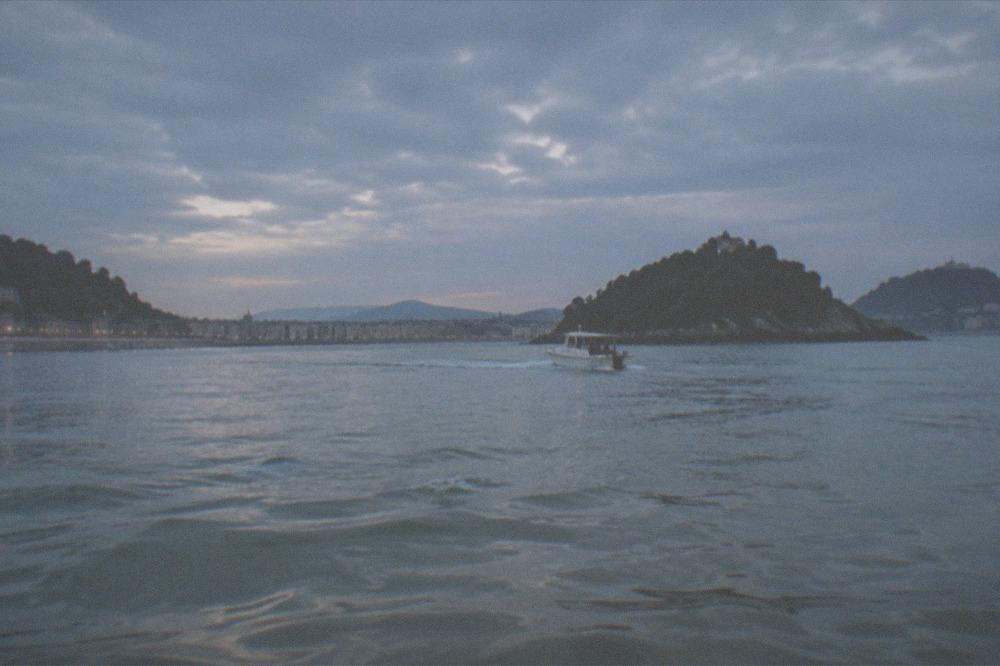
A bay boat with a stop on the island is the natural companion to a spa afternoon: it puts you on the water you have just been soaking in, with audio commentary on the bay, and the ticket is valid for one day. The dedicated tour page has more, and Check availability covers the operator's live listing.
To the east, Monte Urgull closes the bay. The hill's access hours are 08:00 to 21:00 from 1 May to 30 September and 08:00 to 19:30 from 1 October to 30 April, and the Castillo de la Mota at the top holds the small Casa de la Historia museum run by San Telmo. The Monte Urgull page covers the climb and the views, which take in the whole bay and the spa from above.
When Is The Best Time To Visit La Perla?
The best window for a spa-and-beach visit is mid-June to mid-September, when lifeguards are on duty, the island boats run their full high-season timetable and Hondalea is open, but the trade-off is crowds: INE hotel data shows August as the year's peak month, with 245,769 hotel overnight stays against 115,910 in January, and July and August together make up 22 percent of the year's hotel stays. For quieter water, late June or September fits both.
The hotel figures are for hotels only, from INE's occupancy survey for the tourist point Donostia-San Sebastián, and they describe the pressure on the city rather than the spa specifically. But the pattern transfers: the August peak is also the Semana Grande fortnight window, the festival week that always falls around 15 August, when the bay fills with spectators for the International Fireworks Competition and every seafront venue is at its busiest.
| Month 2025 | Hotel overnight stays | Month 2025 | Hotel overnight stays |
|---|---|---|---|
| January | 115,910 | July | 239,124 |
| February | 119,367 | August | 245,769 |
| March | 156,670 | September | 216,759 |
| April | 200,055 | October | 207,158 |
| May | 205,326 | November | 147,334 |
| June | 211,534 | December | 134,960 |
Off-season has its own case. From October the lifeguards have left, the island boats drop to "consult departures", and Hondalea has closed for the year, but the spa's indoor pools are exactly the product a wet November wants, with 169 mm of rain that month, and the city's indoor list, San Telmo with its free Tuesdays, Tabakalera with free access, the Aquarium, is at its emptiest. A spa session followed by a cheesecake at La Viña in the old town, the origin of the famous burnt Basque cheesecake, works in any weather, and the La Viña cheesecake guide explains why that bar in particular carries the name.
Is La Perla Worth It Compared To The Free Beach?
For many visitors the answer is that they are complements, not rivals: La Concha is free, sandy and swimmable under lifeguard supervision from 1 June to 30 September, while the spa sells something the beach cannot, heated seawater in any weather, and in a city with 141 rain days a year and no dry month, an indoor seawater option on the same sand is a rational purchase. The decision is really about timing: beach for a fine summer day, spa for rain, for the evening, or for the shoulder season.
Budget travellers should also know the free layer around the spa is thick. The promenade walk costs nothing, the Peine del Viento costs nothing, Monte Urgull costs nothing, and the city's free GuruWalk tours, tip-based walks such as the historic free tour from Plaza Cervantes with a radioguide included, cover the old town for whatever you choose to tip. The free things to do guide collects the full list, including San Telmo's free Tuesday.
One planning note that applies to every visit, spa or not: the tourist tax is law but is not yet charged. Norma Foral 3/2026 of Gipuzkoa takes effect on 1 January 2027 and sets bands per person per night, with at most 6 nights charged per stay and under 18s exempt; before that date no visitor pays it, and the rate San Sebastián's own council will apply has not been published in an official ordinance, so no single figure for the city can honestly be printed here.
Whichever way the day goes, the combination is what makes this stretch of the city unusual: a free public beach, a paid seawater spa on the same sand, a sculptor's rocks at one end and a funicular at the other, all within one flat walk. Check the spa's own channels for the session price and timetable, and let the weather, which will do what it likes, decide the order of the day.
Common Questions About La Perla Spa In San Sebastian
Is La Perla on La Concha beach?
Yes. The complex sits directly on the La Concha promenade in San Sebastián, in the Basque Country, Spain, with the sand of La Concha, the beach the council lists at 1,350 metres long, on one side and the open bay on the other.
Can you use the La Concha promenade without a spa ticket?
Yes. The promenade is public at all hours, and the beach in front of the spa is free. Only the spa's indoor pools and treatment rooms are ticketed, at prices the venue itself sets.
When are the lifeguards on duty at La Concha?
The council runs the lifeguard service on all three city beaches from 1 June to 30 September, with hours of 10:00 to 20:00 from 15 June to 15 September and 13:30 to 19:30 from 16 to 30 September. Outside that window the beach stays open but unattended.
Is La Perla a good rainy-day option in San Sebastian?
It fits the city well. AEMET's Igeldo station records 1,507 mm of rain a year over 141 rain days, and no month averages under 86 mm, so heated indoor seawater pools beside a swimmable beach cover both the wet and the fine case.
How much does a session at La Perla cost?
The venue publishes its own price list and revises it. Check the complex's own site or front desk for the current session price, treatment menu and timetable before you plan the day around it.
What is close to La Perla on foot?
The Peine del Viento at the west end of Ondarreta, Monte Igueldo and its 1912 funicular, Monte Urgull to the east, the island boats to Santa Clara from the harbour, and the old town across the river, all within one flat seaside walk.