Can You Swim At La Concha?
Yes, you can swim at La Concha in San Sebastián, Spain. The council's own beach page explains the water, the lifeguard season and what the tide does to the sand.
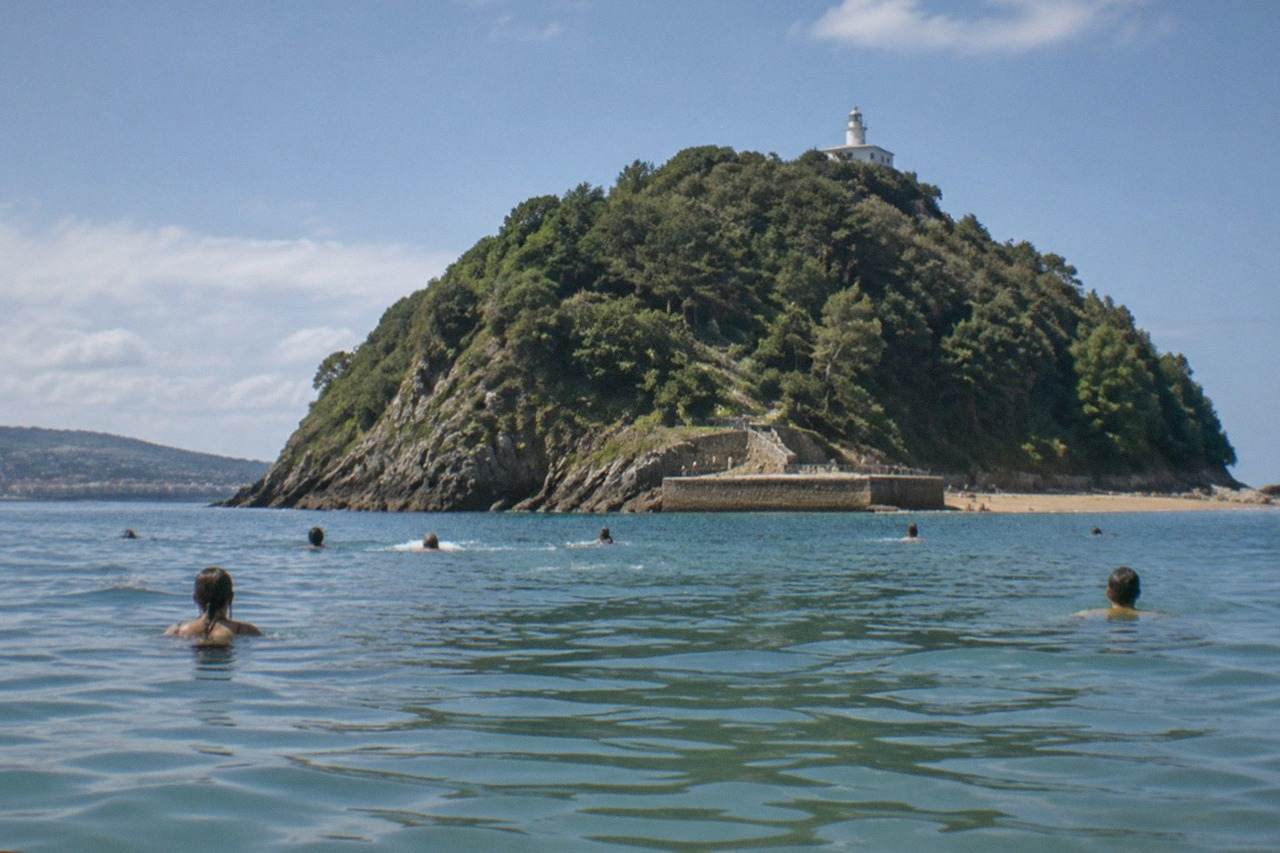
Yes, you can swim at La Concha, and swimming is what this beach is for. La Concha is the great sandy crescent of San Sebastián, the Basque Country's seaside capital in northern Spain, known in Basque as Donostia, and the city council's own beach page describes it as sandy and shallow, which is exactly the profile families look for. The beach runs 1,350 metres along the bay with a mean width of 40 metres, and the same council page adds one honest caveat that every swimmer should know before packing a towel: the tide often limits the usable area of sand. That single sentence explains why the beach looks enormous in some photographs and modest in others.
Can You Swim At La Concha?
Yes, swimming at La Concha is a normal, everyday summer activity in San Sebastián, Spain. The city council classifies La Concha as one of its three managed sandy beaches, with a lifeguard service from 1 June to 30 September, parasol and lounger hire in the peak weeks, and assisted bathing for visitors with reduced mobility from 15 June to 15 September. The water is shallow near the shore and the sand slopes gently, which is why the council's description singles it out for families rather than for surfers.
The council's beach page is the authority here, and it is more specific than most travel write-ups bother to be. La Concha averages 1,350 metres in length and 40 metres in mean width, with a mean area of 54,000 square metres. It is sandy and shallow. The tide often limits the usable area, so the swimmer's practical rule is simple: check the bay in the morning, because the same stretch of sand can double or shrink its usable width between one afternoon and the next.
What the council page does not do is promise surf, and that absence is deliberate. Zurriola, the beach in the Gros district, is the one the council describes as fairly open with strong swell, remodelled in 1994, and that is where the surfers go. La Concha is the calm, sheltered option inside the bay, protected by Monte Urgull on one side and Monte Igueldo on the other, with Santa Clara island sitting in the middle of the water like a punctuation mark. If you want the full picture of the city's three beaches side by side, the guide to all the San Sebastian beaches breaks them down.
The table below compares the three council beaches on the figures the council itself publishes.
| Beach | Mean length | Mean width | Mean area | Council description |
|---|---|---|---|---|
| La Concha | 1,350 m | 40 m | 54,000 m2 | Sandy, shallow, the tide often limits usable area |
| Ondarreta | 600 m | 100 m | 60,000 m2 | Sandy, mass use, the walk to the Peine del Viento starts at its west end |
| Zurriola | 800 m | 110 m | 88,000 m2 | Sandy, fairly open, strong swell, remodelled in 1994 |
What Is The Water Like At La Concha Beach In San Sebastian?
The water at La Concha is shallow, sandy and sheltered, sitting inside a bay rather than facing the open Atlantic. The council describes the beach as sandy and shallow, and the shelter of Monte Urgull, Monte Igueldo and Santa Clara island keeps the strong swell out. AEMET's climate record for the city shows a mean August temperature of 19.5 C, with a mean daily maximum of 22.5 C, the warmest air the city gets in an average year.
That air temperature matters because La Concha is an Atlantic beach, not a Mediterranean one. The city's weather station, AEMET's Igeldo station at 250 metres up on Monte Igueldo, records a mean temperature of 8.5 C in January rising to 19.5 C in August, and the seafront runs slightly warmer than those hillside figures. Nobody should arrive expecting tropical water: this is the Bay of Biscay, and the swim season here is a real season, bracketed by the calendar rather than open all year.
The rain shapes the beach day too, and pretending otherwise would mislead a reader. AEMET's normals for the Igeldo station, covering 1981 to 2010, show 1,507 mm of rain a year spread over 141 days with at least 1 mm. July, the driest month, still averages 86 mm over about 10 rain days, and August, at 117 mm, is wetter than June, July or September. November is the wettest month at 169 mm. A swim trip here is planned with one eye on the forecast, and the wettest months are the months nobody swims anyway.
Here is what the AEMET record says for the months that bracket the swim season.
| Month | Mean C | Mean daily max C | Rain mm | Days with 1 mm or more |
|---|---|---|---|---|
| May | 14.4 | 17.7 | 120 | 12.2 |
| June | 16.9 | 20.0 | 90 | 10.6 |
| July | 18.9 | 21.8 | 86 | 9.8 |
| August | 19.5 | 22.5 | 117 | 10.5 |
| September | 18.0 | 21.1 | 111 | 10.1 |
| October | 15.5 | 18.5 | 159 | 11.8 |
Reading the table honestly: July and August are the warm months, but neither is dry in the way a Mediterranean resort is dry. September stays warm at a mean of 18 C and keeps the sea at its summer best, and the lifeguards stay on duty until 30 September, which makes early autumn a genuinely good time to swim with fewer people on the sand. If rain does arrive mid-trip, the guide to the city's rainy day options in San Sebastian covers the indoor side of the city.
One more way to appreciate the bay, if swimming it from the sand is not your plan, is to get out onto it. A boat gives you the swimmer's view in reverse, the whole crescent from the water.
When Can You Swim At La Concha, And When Are Lifeguards On Duty?
The lifeguard service at La Concha runs from 1 June to 30 September every year, on duty from 10:00 to 20:00 between 15 June and 15 September, and from 13:30 to 19:30 from 16 to 30 September. Parasol and awning hire runs from 15 June to 30 September, and assisted bathing for visitors with reduced mobility runs from 15 June to 15 September. Outside those windows nobody is guarding the water, so swimming is a matter of personal judgement.
The city council publishes those hours for all three of its beaches, and the shortening of the lifeguard day in the second half of September is a detail that is easy to miss. The service does not end abruptly on the last day of August, but it does step down before it ends: from 16 September the post is manned from 13:30 to 19:30 rather than through the full day. A swimmer arriving in late September should plan around the afternoon, not the morning. The full index of guides sits on San Sebastian Spain Guide.
Assisted bathing is worth spelling out because it is rare. From 15 June to 15 September, the council provides supported access to the water for people with reduced mobility at La Concha, which turns a beach that is already shallow and gentle into one of the more inclusive city beaches in Spain. The hire prices are published by the council too: at La Concha an awning is 13.10 EUR a day, a lounger 3.50 EUR, and a lounger with a parasol 8.40 EUR.
The season rules extend beyond the sand. The boat to Santa Clara island, run by Motoras de la Isla, sails its high season from 1 June to 30 September, plus Easter and long weekends, with the red line direct to the island at 5 EUR return and the blue line bay tour plus island at 8 EUR. Hondalea, Cristina Iglesias's work inside the island's lighthouse, is open only from 1 June to 30 September, 11:00 to 18:30, free, in half-hourly sessions, with no booking needed for the visit itself. Everything on the water here is seasonal, and the season ends on the same day.
Is La Concha Safe For Swimming?
La Concha is a sheltered, shallow, lifeguarded bay beach, the safest profile the city offers, and the council's description of sandy, shallow water with managed services backs that up. The caveats are the ones the council states: the tide often limits the usable area, and lifeguards are present only from 1 June to 30 September. For open questions like flag colours or surf rules, the lifeguard post and the council beach page are the authority.
The council's beach pages do not publish what each flag colour means, and this site does not guess. What the council does publish is the weekly bathing water sampling for the 2026 season, run by the Basque Government's Health Department, with eight sampling points in the city and samples taken through the summer. That monitoring is the reason the water quality question has a real answer rather than an anecdotal one.
The tide deserves a second mention because it is the one thing that genuinely changes the swim. The council notes that the tide often limits the usable area of La Concha, and a visitor who sees a narrow strip of sand at low expectations should know the beach has not shrunk permanently. The bay empties and fills across the day, and the shallow gradient that makes the water gentle also means the shoreline travels.
For swimmers who want more than the bay, the city has a second swimming option with a different character. Ondarreta, west along the same bay, is 600 metres long and 100 metres wide on average, and the walk to the Peine del Viento, Eduardo Chillida's three steel sculptures anchored to the rocks, starts at its west end. Combining a swim with that walk is one of the better free afternoons the city offers, and the guide to free things to do in San Sebastian collects others.
Seeing the bay from a sailboat, rather than from the sand, is a different experience again.
What About Swimming At La Concha Outside Summer?
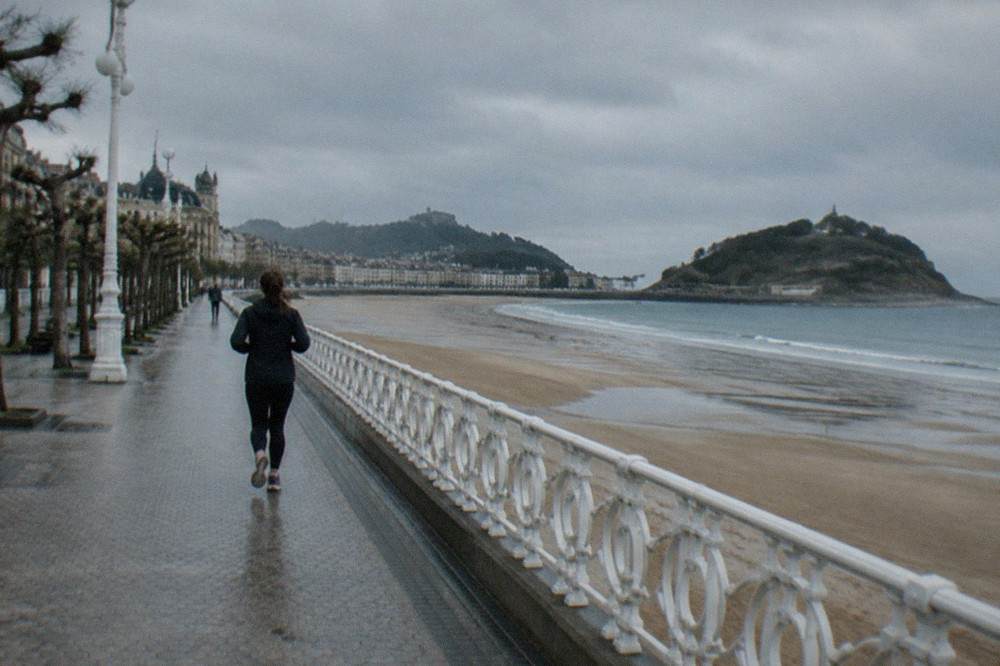
Swimming at La Concha outside the 1 June to 30 September season is possible in physical terms, because the beach is public and the water does not close, but no lifeguard is on duty and the hire services are packed away. AEMET's Igeldo record shows October averaging 15.5 C with 159 mm of rain, November 11.3 C with 169 mm, and December 9.1 C with 151 mm. A summer-style beach day is not what the record promises.
The honest framing is that the beach does not stop existing in October, it stops being managed. The lifeguards leave after 30 September, the parasol hire ends the same day, the island boats drop to "consult departures", and Monte Urgull, the hill at the east end of the bay, closes its paths at 19:30 instead of 21:00 from 1 October. The city shifts into its other rhythm: pintxo bars, the film festival, the autumn light on the bay.
Winter has its own compensations, and the guide to San Sebastian in November covers the wettest month honestly. For a swimmer, the practical advice is to treat La Concha as a June-to-September beach, with September as the sweet spot: the sea has stored the summer's warmth, the mean air temperature is still 18 C, and the crowds have thinned while the lifeguard service is still running.
The regatta calendar matters to swimmers too, on two days a year. The Bandera de La Concha, first held in 1879, is rowed on the first two Sundays of September, with the women's race at 11:00 and the men's at 12:00, and the bay is given over to the racing boats and the spectator fleet. The guide to the La Concha regatta explains what happens on the water; the short version for a swimmer is that those two mornings belong to the rowers.
Common Questions About Swimming At La Concha
Can you swim at La Concha?
Yes. La Concha in San Sebastián is a managed sandy swimming beach with shallow water, a lifeguard season from 1 June to 30 September, and hire services through the peak weeks. The council describes it as sandy and shallow, and the tide often limits the usable sand, so the beach's width changes across the day.
Is the water at La Concha cold?
It is Atlantic water, so it is cooler than the Mediterranean, and the city's air temperatures peak at a mean daily maximum of 22.5 C in August per AEMET's Igeldo record. August and September are the warmest months for swimming, and the sea retains the summer's heat into early autumn.
Can you swim at La Concha in October?
Physically yes, the beach is public, but the lifeguards finish on 30 September and the hire services end the same day. October averages 15.5 C with 159 mm of rain at the Igeldo station, so it is a walking-the-promenade month more than a swimming month.
Is La Concha good for children?
The council's own description, sandy and shallow, is the reason families favour it. The water deepens gradually, the bay is sheltered from the strong swell that Zurriola faces, and assisted bathing for visitors with reduced mobility runs from 15 June to 15 September.
Do you have to pay to swim at La Concha?
No, the beach itself is free public space. The optional costs are the council's hire rates, such as a 13.10 EUR awning or a 3.50 EUR lounger for a day, and the island boat if you want to sail out. The answer page on whether La Concha beach is free goes through the detail.
Swimming at La Concha is the city's most reliable pleasure: a shallow, sandy, lifeguarded bay that works exactly as the council describes it, with a season that runs from the first of June to the last of September and a tide that redraws the sand every day in between.