Basque Country Tours From San Sebastian
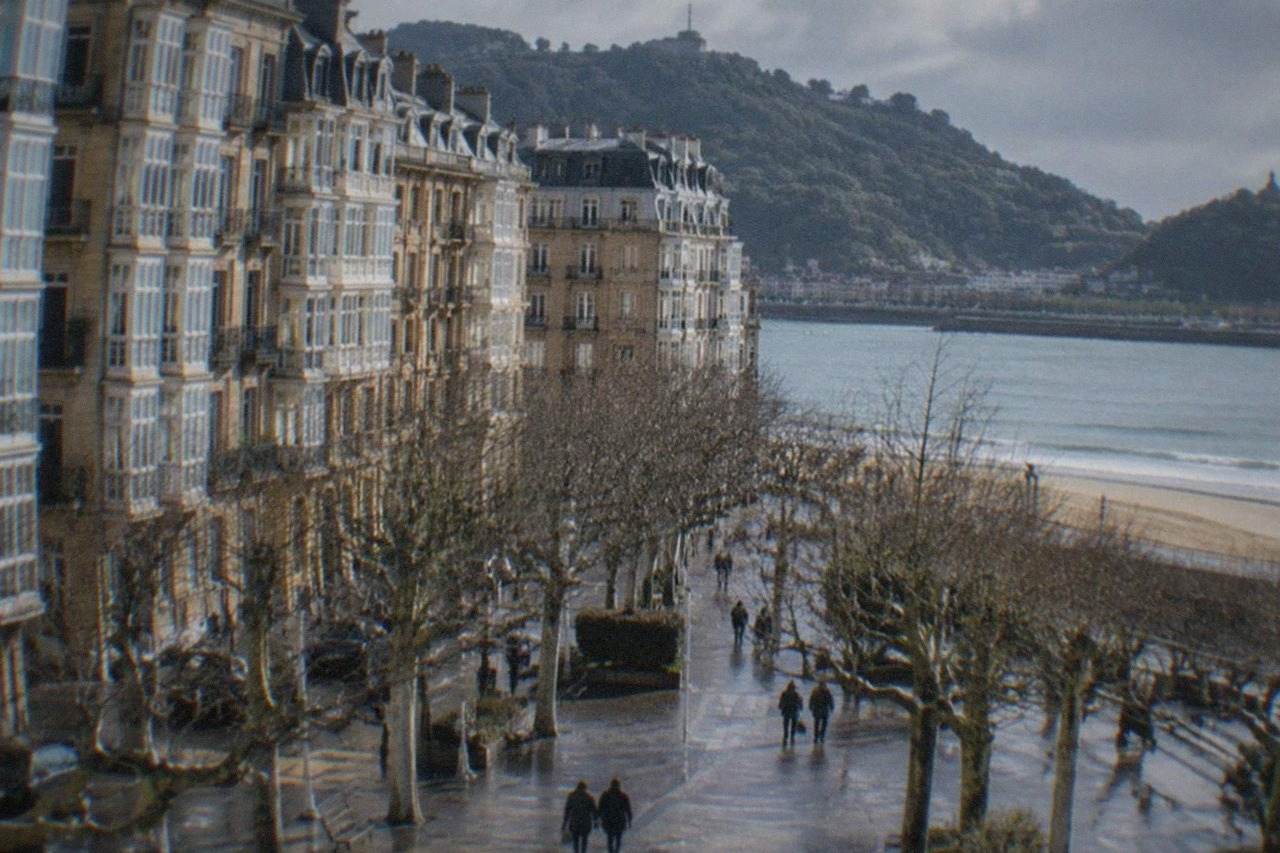
San Sebastián, the Basque city on La Concha bay whose Basque name is Donostia, is the natural base for touring the Basque Country: cider houses, txakoli wineries, Rioja cellars, fishing towns and the French Basque coast all sit within a day's reach.
Short answer
The strongest Basque Country tours from San Sebastián are the cider house visit with lunch, the txakoli and coastal winery trips, and the full-day Rioja excursion. Coach and minibus day trips also reach Bilbao, Biarritz, Hondarribia, Getaria and Pasaia. Most leave from the city centre or the bus station, and the best ones to book ahead are food and wine tours, which fill up in summer.
San Sebastián, the city on La Concha bay in the Basque Country of Spain whose Basque name is Donostia, sits in the middle of one of the most tourable regions in Europe. Within a day's reach are the cider houses of Gipuzkoa, the txakoli vineyards of the coast, the walled villages of Rioja, the shipyard at Pasaia where a whaleship is being built by hand, and, across the border, the French Basque towns of Biarritz and Saint-Jean-de-Luz. This page lays out the Basque Country tours that actually leave from the city, what each one covers, and how to choose between them. For a fuller picture of the city itself, start with what San Sebastián is known for.
What Are Basque Country Tours From San Sebastian?
Basque Country tours from San Sebastián are guided day trips and half-day excursions that leave from the city and cover the region around it: cider houses and their txotx ritual, txakoli wineries on the coast, the vineyards and walled towns of Rioja, the fishing ports of Getaria and Pasaia, and the French Basque towns across the border. Most run with a guide, a vehicle and a group, and the food and wine ones are the ones worth booking ahead, because they are small and they fill up.
The region divides neatly into touring bands. East of the city lie Pasaia, Hondarribia and the French border. West along the Gipuzkoa coast are Zarautz, Getaria and Zumaia, the txakoli heartland. South, inland, are the cider houses of Astigarraga and, further on, the Rioja wine region around Laguardia. Bilbao and the Guggenheim sit to the west beyond the coast. A single day trip can only cover one band properly, which is why the tours below are organised by what they do rather than by where they go.
The city itself is small enough that almost every tour operator uses the same handful of departure points: the bus station, hotel pickup, or a central meeting spot. If you are still deciding how long to stay, the question of how many days to give the city is worth settling first, because each Basque Country tour you add takes a full day away from the city itself. The team behind San Sebastian Spain Guide covers that planning question in detail elsewhere on the site.
The table below shows the main touring bands and what each one delivers.
| Tour band | Main stops | What it is really about |
|---|---|---|
| Cider houses | Astigarraga and the Gipuzkoa cider country | The txotx ritual, cider straight from the barrel, a cod and txuleta lunch |
| Txakoli coast | Getaria, Zarautz, Zumaia | Coastal vineyards, the fishing town of Getaria, the flysch cliffs at Zumaia |
| Rioja | Laguardia and Rioja wineries | Full-day wine country, walled village, cellars |
| French Basque Country | Biarritz, Bayonne, Saint-Jean-de-Luz | A border crossing, French Basque architecture and beaches |
| Bilbao and inland | Bilbao, the Guggenheim, Gaztelugatxe | Big-city art and the hermitage on its rock |
| Close-to-city half days | Pasaia, Hondarribia | The whaleship yard, a fortified border town |
Which Basque Country Day Trips Leave From San Sebastian?
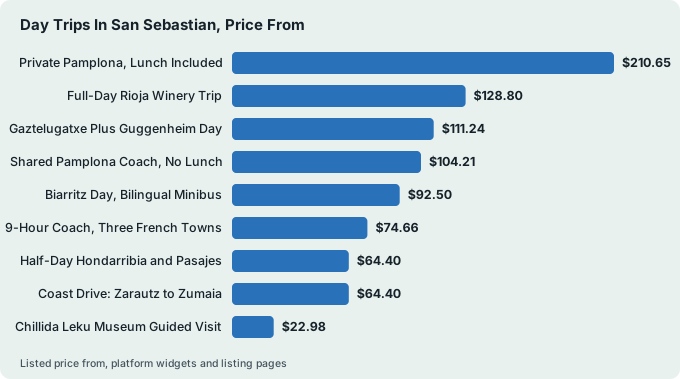
The day trips that leave from San Sebastián are a coach excursion to Biarritz, Bayonne and Saint-Jean-de-Luz in the French Basque Country, a minibus day to Bilbao, the Guggenheim and Gaztelugatxe, a half-day to Hondarribia and the Pasajes fishing villages, a half-day along the Gipuzkoa coast to Zarautz, Getaria and Zumaia, and a full-day Rioja wine trip. All of them depart from the city, most from the bus station, and each takes a different slice of the region.
The French Basque excursion is the one that changes country. It crosses the border for a full day of Biarritz, Bayonne and Saint-Jean-de-Luz, three towns with a distinctly French Basque character. There is also a shorter Biarritz-and-Bayonne option with a bilingual minibus. If you are weighing the two cities against each other, the San Sebastián versus Biarritz comparison covers the differences in detail.
The Bilbao day is the art-and-architecture option: a small-group trip to the Gaztelugatxe hermitage, the rock islet with the stone stairway, then on to Bilbao and the Guggenheim. The Bilbao day trip page goes deeper on what that city offers on its own.
The half-days suit travellers with an afternoon to spare. One covers Hondarribia, a fortified town at the mouth of the Bidasoa beside the airport, plus Pasajes de San Juan and San Pedro, the fishing villages on the bay east of the city. The other runs west along the coast by vehicle, stopping at Zarautz, Getaria and Zumaia. Getaria is the txakoli town and the home of the Balenciaga museum, and its details are worth knowing before you go.
For named venues on these routes, the pack carries confirmed figures, and they are worth planning around.
| Venue | Town | Confirmed details |
|---|---|---|
| Cristóbal Balenciaga Museoa | Getaria | 14 EUR general, 9 EUR reduced; April to October Tuesday to Sunday 10:30 to 18:00, July and August daily 10:30 to 20:00, November to March Wednesday to Sunday 10:30 to 17:00 |
| Chillida Leku | Hernani | Open daily 10:00 to 19:00 except Tuesday and Wednesday; adults 14 EUR, reduced 10 EUR, under 18s 7 EUR, free for children up to 8 |
| Albaola, the San Juan whaleship yard | Pasaia | The San Juan whaleship is being built there; the site publishes no set visit price |
| Sagardoetxea cider museum | Astigarraga | Museum visit from 5 EUR, premium visit with tasting 9 EUR |
Cider Houses And Txotx: The Basque Country Tour You Can Taste?
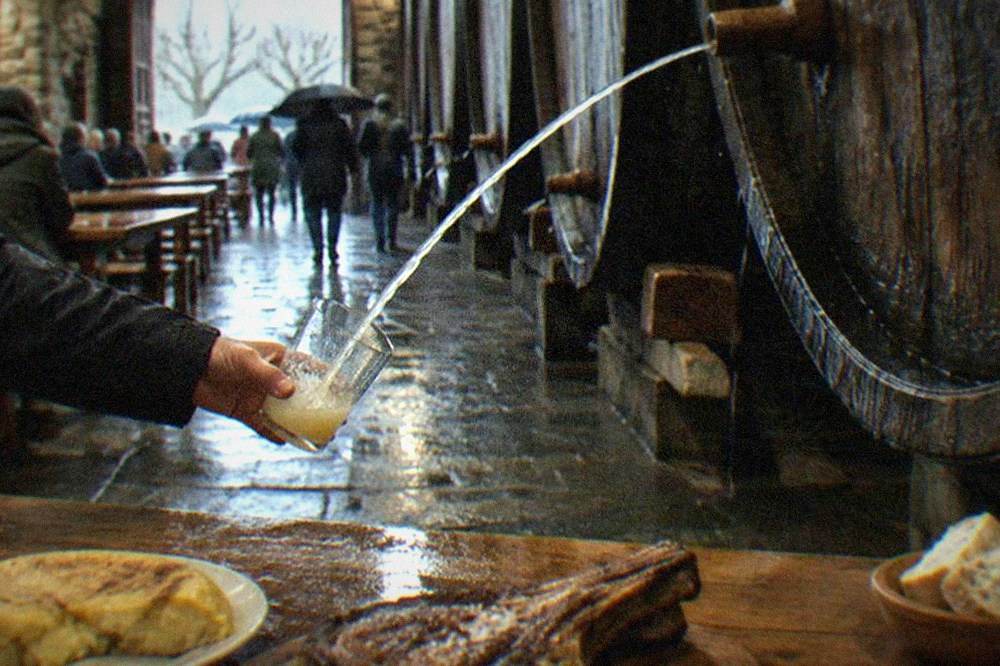
The cider house tour is the most Basque of all the day trips from San Sebastián, because it takes you into a sagardotegi in the Gipuzkoa countryside for the txotx ritual: the barrel is opened, the cider shoots out in a stream and you catch it in your glass straight from the txotx, the hole in the barrel. The full version runs an orchard and cellar visit, the ritual itself, then a set lunch of cod omelette, txuleta steak and cheese, with cider flowing throughout.
The season rule matters: the tourism board's own wording gives the txotx season as from the middle of January to the end of April, and outside those months the ritual is not the point of a cider house visit, though the houses serve meals year round. The cider country sits around Astigarraga, a separate municipality just inland from the city, and the cider museum there, Sagardoetxea, sells its museum visit from 5 EUR with a premium tasting visit at 9 EUR.
The guided cider house tour that leaves from the city is run with the Gipuzkoa cider house association, which is the detail that separates it from a self-drive lunch: the orchard and cellar are part of the visit, not just the meal. There is also a farmhouse-and-cider-house combination that adds a Basque farmhouse stop and runs to a meal at the cider house.
If you would rather taste than travel, the city's own pintxo and cooking options are covered on pintxos and food tours and cooking classes, and the background on the food itself is in what pintxos are.
Wine Country Beyond The Coast: Rioja And Txakoli Tours From San Sebastian?
The two wine tours from San Sebastián go in opposite directions. The txakoli trip stays on the coast, visiting a fishing town vineyard region where the local white wine is grown on hills facing the sea. The Rioja trip goes inland for a full day of proper wine country: winery visits and the walled town of Laguardia, in a region whose reds are among Spain's most famous. The txakoli tour is a half day with hotel pickup; the Rioja tour is a full small-group day.
Txakoli is the local white, lightly sparkling, traditionally poured from a height, and the coastal terroir is part of the point: the vineyards around Getaria look straight at the Atlantic. The Getaria txakoli tour includes hotel pickup and a small group, and the coastal winery trail walk adds a market tasting, three txakoli tastings at a winery and a train ticket back, walking part of the way along the coast. The wine's own story, including how it is poured and what it tastes like, is covered on the txakoli page elsewhere on this site.
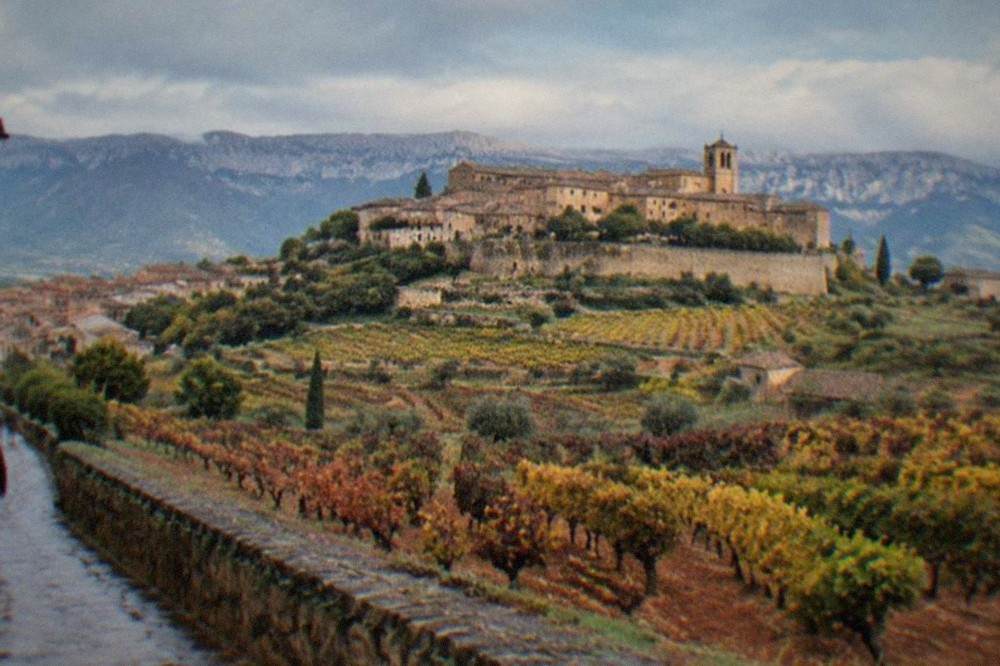
The Rioja day is the one for serious wine. It runs as a small-group full day with winery visits and time in Laguardia, a walled village in the wine region. It is the most substantial wine trip on the roster and the one most likely to sell out, so check availability early.
You can compare the two side by side before committing.
| Wine tour | Region | Style | Group |
|---|---|---|---|
| Getaria txakoli tour | Coastal Gipuzkoa | Half day, fishing town and vineyard, hotel pickup | Small group |
| Coastal winery Camino trail walk | Coast west of the city | Half-day-plus walk with market tasting, three txakoli tastings, train back | Small group |
| La Rioja wines and Laguardia | Rioja Alavesa | Full day, winery visits, walled town | Small group |
| Cider house tour with lunch | Astigarraga countryside | Half-day-plus, orchard, cellar, txotx, lunch | Group |
Coastal Walks And Camino Tours From San Sebastian?
The coastal and Camino tours from San Sebastián use the region's two great walking routes. The Camino de Santiago's northern route crosses the city itself: the tourism board lists the coastal stages as Irun to Pasaia, then Pasaia to Donostia, then Donostia to Orio, continuing west to Zarautz, Getaria, Zumaia and Deba. A guided Camino hike from the city climbs Monte Ulia to the lighthouse. The coastal winery trail walk follows the shoreline west with txakoli stops and a train back to the city.
The Camino is the region's structural walking route, and the city sits on it, which means a Camino hike from San Sebastián is not a themed walk but the real pilgrim path. The guided version goes over Monte Ulia, the headland east of the city, to the Ulia lighthouse. Monte Ulia has its own attraction page alongside Monte Urgull, the hill inside the city, if you are mixing walks.
The other coastal option mixes walking with wine: the winery Camino trail walk, which opens with a market tasting, follows the coastal path, stops at a winery for three txakoli tastings and returns by train. The pack gives no stage distances for the Camino del Norte, so plan the walking itself with the tour or the tourism board rather than from a number printed here.
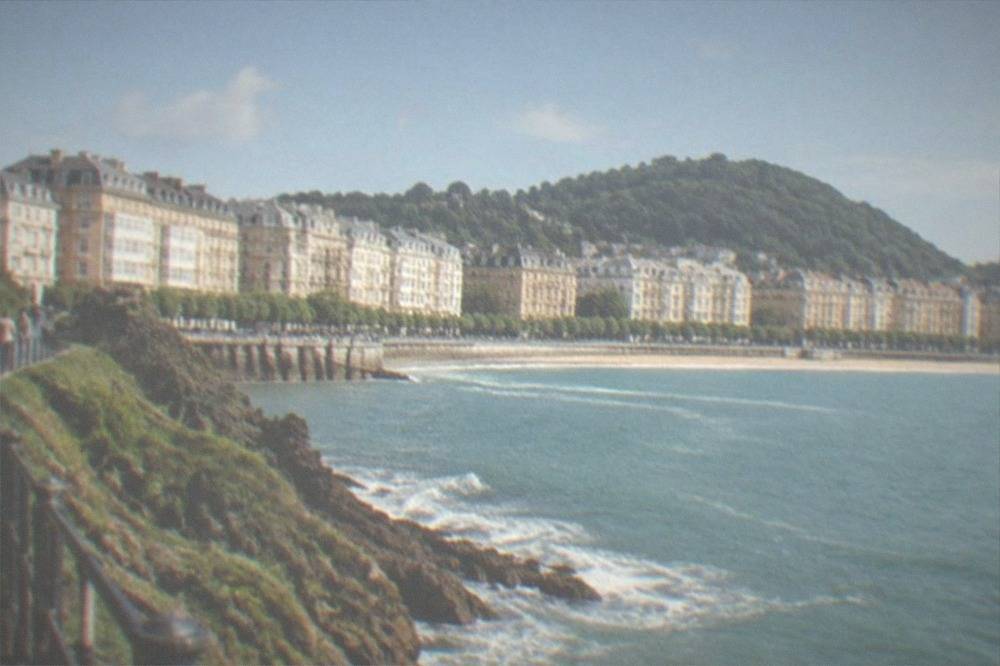
For walkers who want the city's own hills instead, Monte Igueldo and Monte Urgull both give bay views without leaving the municipality, and the surfing and surf lesson trips in the Gros district are covered on their own pages.
How Much Time Do You Need For Basque Country Tours From San Sebastian?
Most Basque Country tours from San Sebastián take either a half day or a full day. The half-days cover Hondarribia and Pasaia, the Gipuzkoa coast drive, Getaria and txakoli, and the cider houses. The full days cover Rioja, Bilbao with Gaztelugatxe, and the French Basque Country. A realistic plan is one Basque Country tour per day of your trip, with the city's own pintxo bars, beaches and Old Town filling the rest, so a three-day stay comfortably fits two tours.
The rhythm matters more than the count. Food and wine tours cluster around lunch, the French and Bilbao days take the whole daylight span, and the coastal walks run to a schedule set by the train back. If your trip is short, the how-many-days question answers itself: on a single day, tour the city and save the region for a return trip.
A sample split across a week looks like this.
| Day shape | Tours that fit | What is left of the day |
|---|---|---|
| Half day | Hondarribia and Pasajes; Zarautz, Getaria, Zumaia; Getaria txakoli | Late afternoon on La Concha or in the Parte Vieja |
| Half day plus | Cider house with lunch; coastal winery walk | An evening pintxo round |
| Full day | Rioja and Laguardia; Bilbao, Guggenheim, Gaztelugatxe | Nothing but dinner |
| Full day | Biarritz, Bayonne, Saint-Jean-de-Luz | Nothing but dinner |
What Does Basque Coast Weather Do To Your Tour Plans?
The Basque coast is wet, and tour planning should assume rain somewhere in any multi-day stay. AEMET's normals for its Igeldo station, on Monte Igueldo above the city, record 1,507 mm of rain a year across 141 days with at least 1 mm, and even July, the driest month, averages 86 mm over about ten rain days. November is the wettest at 169 mm. The practical rule is to book coastal and walking tours with flexibility and keep a museum or food day in reserve.
The monthly picture makes the pattern plain. The table below gives the AEMET normals for the station, which sits at 250 m on Monte Igueldo, so the seafront runs slightly warmer than these values.
| Month | Mean C | Mean max C | Rain mm | Rain days 1 mm+ | Sun hours |
|---|---|---|---|---|---|
| January | 8.5 | 11.0 | 141 | 13.2 | 98 |
| April | 11.3 | 14.5 | 138 | 13.4 | 157 |
| July | 18.9 | 21.8 | 86 | 9.8 | 196 |
| August | 19.5 | 22.5 | 117 | 10.5 | 190 |
| November | 11.3 | 14.0 | 169 | 13.0 | 102 |
August is wetter than June, July or September, which surprises visitors who book an August trip expecting a Mediterranean summer. This is an Atlantic city. The San Sebastián weather page carries the full monthly table, and the best time to visit weighs the seasons against the crowd calendar. One operational note that follows the rain: the Monte Igueldo funicular's own site says rides close on rainy days, and downhill-only tickets are not sold, so do not plan a walk up and ride down.
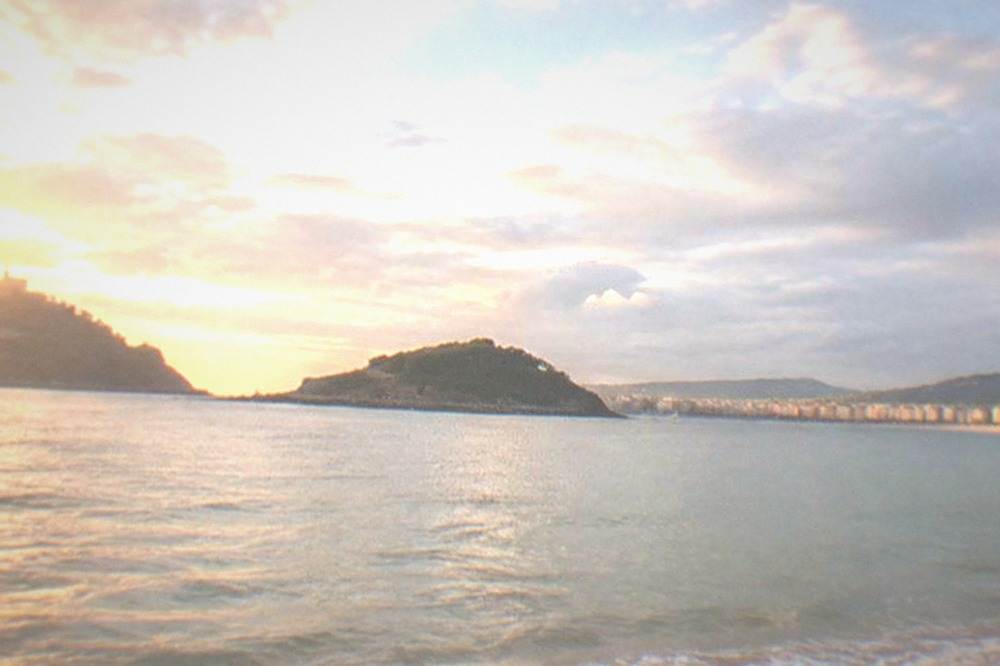
Which Basque Country Tours Fit Food Lovers Best?
For food-centred travellers, the strongest Basque Country tours from San Sebastián are the cider house visit with its txotx ritual and included lunch, the Getaria txakoli tour with its coastal vineyard stop, and the coastal winery walk that adds a market tasting to three txakoli pours. The region's food reputation is not just the city's: the MICHELIN Guide Spain 2026 counts 11 stars across 6 restaurants inside the city, and the province of Gipuzkoa holds 19 stars across 11 restaurants, including Elkano in Getaria and Alameda in Hondarribia.
Those two last names are the detail a first page of search results tends to miss: two of the province's Michelin-starred restaurants sit in the small towns the day trips pass through. Elkano is in Getaria, the txakoli and Balenciaga town on the coast drive, and Alameda is in Hondarribia, the fortified border town on the half-day east. A coast day can legitimately be planned around a lunch reservation. The full star list and the city's own dining scene are on the Michelin restaurants page.
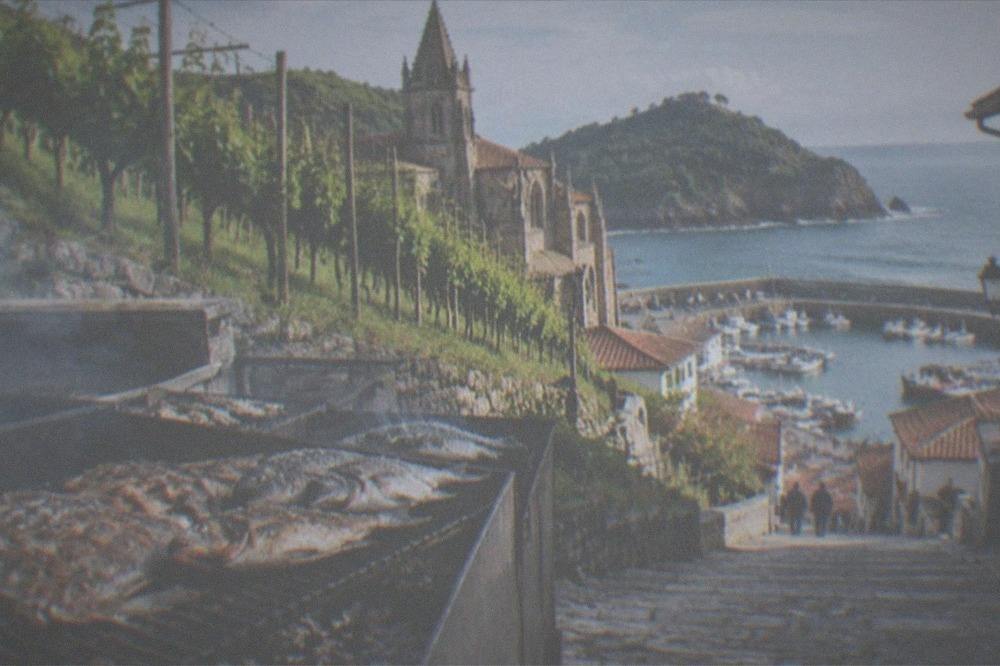
The cider house lunch deserves its own word. The set meal is the traditional sagardotegi menu: salt cod omelette, txuleta, a great rib steak cut from the bone at the table, cheese, quince and walnuts, with cider taken standing at the barrel. It is a meal you eat in a dining room full of long tables, and it is the single most regional food experience available as a booked tour.
Should You Book Basque Country Tours Ahead Or On Arrival?
Book ahead for anything involving food, wine or a small group: the cider house lunch, the txakoli trips, the Rioja day and the coastal winery walk all run with limited seats and sell out first in July and August, the months when the city's hotels record their peak overnight stays. The big coach days to the French Basque Country and Bilbao have more capacity but still fill in festival weeks. The free and cheap walking tours of the city itself can usually be arranged on short notice.
The crowd data backs this up. INE's hotel occupancy survey for the city recorded August as the peak month of 2025, with July close behind, and April to October never dropping below 200,000 hotel overnight stays in any month. The summer is not a spike, it is a long plateau, which is why availability, not price, is the thing that runs out. If cost is the concern, whether San Sebastián is expensive covers the city's price level honestly.
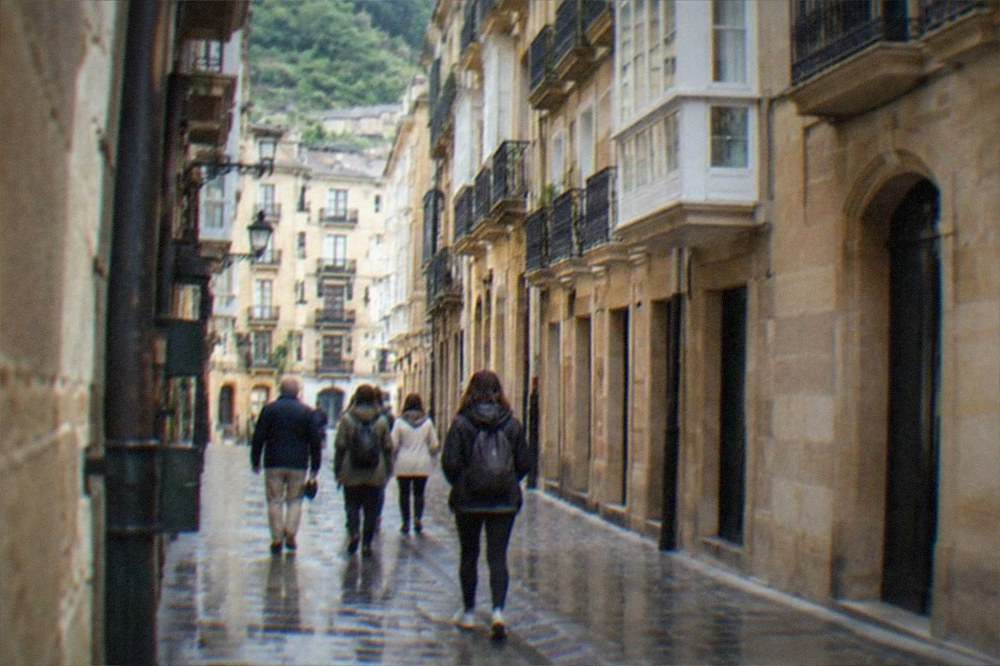
For the tours themselves, live availability is the only thing worth checking against your dates.
What Basque Country Events Should You Plan A Tour Around?
The calendar that should shape a Basque Country trip is the city's own festival calendar plus the txotx season. The txotx cider ritual runs from mid-January to the end of April, which is the only window in which a cider house tour delivers the barrel-opening as it is meant to happen.
The Bandera de La Concha rowing regattas fill the first two Sundays of September, the film festival takes over the city in late September, and Semana Grande runs the week of 15 August each year, always Saturday to Saturday.
The regattas deserve a special mention for tour planners: on regatta days the bay itself is the spectacle, and the island boat operator's own notices show its schedule shifting around the racing. The San Sebastián festivals page carries the full calendar, and the Semana Grande page goes deeper on the biggest week of the year.
| Event | Rule or date | Why it matters for tours |
|---|---|---|
| Txotx cider season | Mid-January to end of April | The only window for the barrel ritual at a cider house |
| Semana Grande | The week of 15 August, Saturday to Saturday | City is at its fullest; book day trips well ahead |
| Bandera de La Concha | First two Sundays of September | Bay events; boat schedules shift around the racing |
| Film festival | Late September | City accommodation tightens around screenings |
| Behobia race | 8 November 2026, 61st edition | Roads and the seafront busy on race day |
Common Questions About Basque Country Tours From San Sebastian
What Is The Best Basque Country Tour From San Sebastian?
For many visitors it is the cider house tour with lunch, because the txotx ritual and the sagardotegi meal are experiences the city itself cannot reproduce. Wine drinkers should choose the Rioja day or the Getaria txakoli trip, and anyone with a free half day should take the Hondarribia and Pasaia excursion.
Can You Visit A Cider House From San Sebastian On A Tour?
Yes. A guided cider house tour with lunch leaves from the city and is run with the Gipuzkoa cider house association, covering the orchard, the cellar, the txotx ritual and a full meal. The txotx season runs from mid-January to the end of April, which is when the ritual itself takes place.
Can You Do A Wine Tour From San Sebastian?
Two kinds. The txakoli tours stay on the Gipuzkoa coast around Getaria, and the full-day Rioja excursion goes inland to wineries and the walled town of Laguardia. Both run as small groups, and the txakoli trip includes hotel pickup.
Is A Day Trip To Biarritz Possible From San Sebastian?
Yes, on a coach excursion that covers Biarritz, Bayonne and Saint-Jean-de-Luz in one day, or a shorter minibus day to Biarritz and Bayonne. Both cross into France, so carry a passport or an accepted ID document for the border.
How Many Days Do You Need For The Basque Country Around San Sebastian?
One tour per day is the realistic pace. A three-day stay fits the city plus two tours; a week fits the city, a cider house, a wine day, a coast day and a French Basque day with room to spare.
Do Basque Country Tours Run In The Rain?
Most coach, cider house and wine tours run regardless of weather. The exceptions are the walking and coastal tours and anything depending on boats, which the operators adjust for sea and trail conditions, and the Monte Igueldo funicular, whose own site says rides close on rainy days.
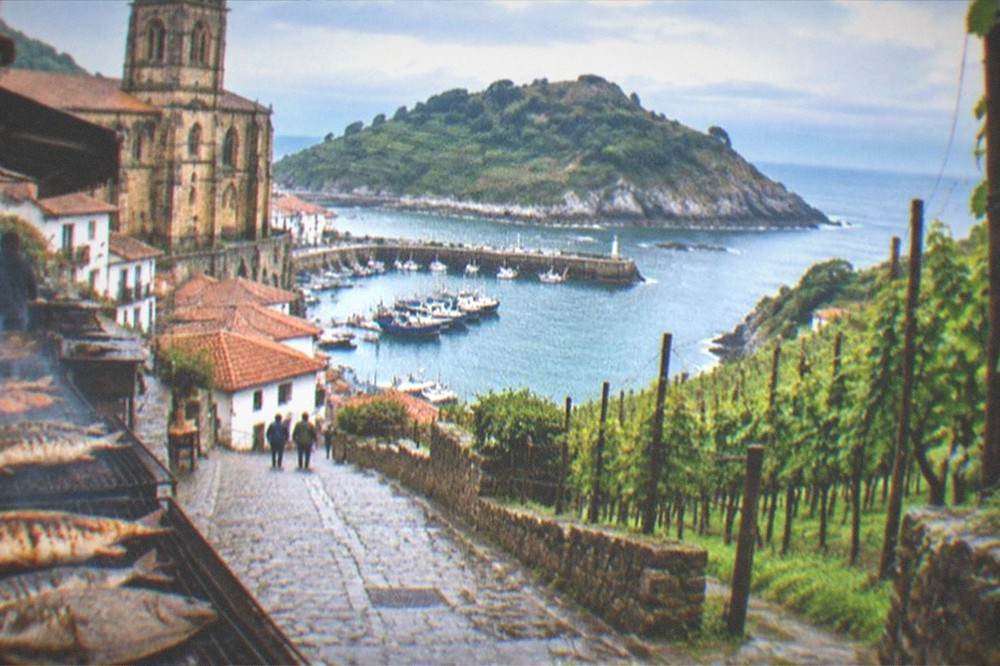
The short version: pick the tour that matches what you actually want from the Basque Country, the cider ritual, the coastal wine, the Rioja cellars, the French border or the art of Bilbao, and book the food and wine ones before you travel, because those are the seats that disappear first.