San Sebastian In January
San Sebastián, in the Basque Country of Spain, is at its quietest and wettest in January, and it is also the month the city throws its biggest party of the winter.
Short answer
January is San Sebastián's quietest month for visitors and one of its coolest, with a mean temperature of 8.5 C and 141 mm of rain at AEMET's Igeldo station. It is also the month of Tamborrada on 20 January and the start of the txotx cider house season, so it rewards visitors who plan around the weather rather than against it.
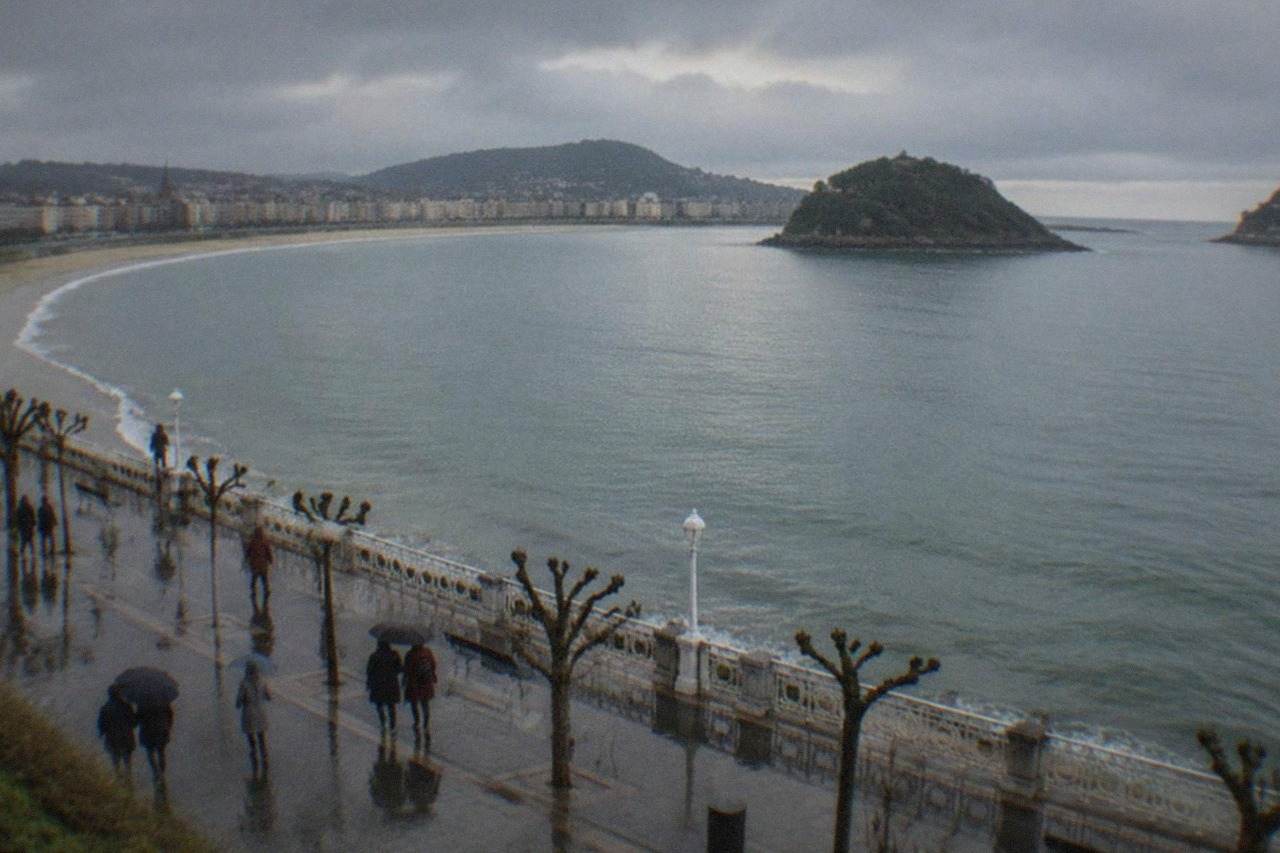
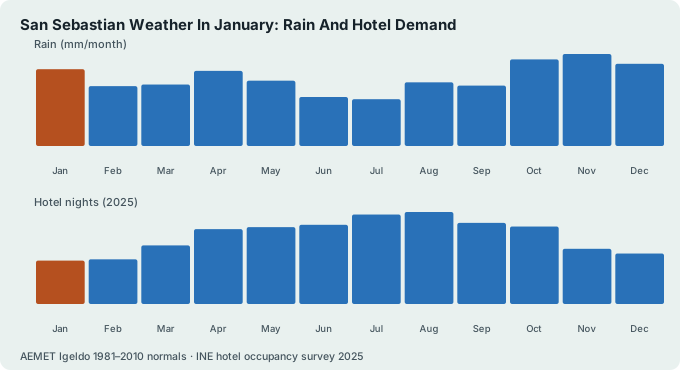
San Sebastián, in the Basque Country of Spain, is at its quietest and wettest in January, and it is also the month the city throws its biggest party of the winter. The city whose official name is Donostia / San Sebastián sits on La Concha bay in the province of Gipuzkoa, and in January it belongs mostly to the people who live here: hotel overnight stays in January 2025 were 115,910 in the INE hotel series, the lowest month of the year and well below the August peak of 245,769. The trade for that quiet is rain. AEMET's normals for its Igeldo station, on the hill 250 m above the seafront, give January 141 mm of rain over 13.2 days with at least 1 mm, and a mean temperature of 8.5 C. The compensation is real: Tamborrada fills the streets with drums on 20 January, the txotx cider season opens in the middle of the month, and the city's museums, pintxo bars and Michelin-starred kitchens run at full pace with short queues. This page lays out the numbers, the events and the plans that work.
What Is The Weather Like In San Sebastian In January?
January is the coolest month of the year in San Sebastián, with a mean temperature of 8.5 C, a mean daily maximum of 11.0 C and a mean nightly minimum of 5.9 C, and it is a wet month, with 141 mm of rain over 13.2 days with at least 1 mm, all from AEMET's normals for its Igeldo station. The station sits 250 m up on Monte Igeldo, so the seafront runs slightly warmer than these values.
AEMET's normals cover the period 1981 to 2010, the period the station page publishes, and they describe a wet Atlantic city rather than anything Mediterranean. Rain in January is not an exception to the climate here, it is the climate. November is the wettest month at 169 mm and July the driest at 86 mm, and January's 141 mm sits close behind November and December's 151 mm. The practical reading is that a January visitor should expect some rain on roughly every third day, and should plan each day with an indoor option ready.
The table below sets January against the months either side of it, from the same AEMET series.
| Month | Mean C | Mean max C | Mean min C | Rain mm | Days with 1 mm or more | Sun hours |
|---|---|---|---|---|---|---|
| November | 11.3 | 14.0 | 8.7 | 169 | 13.0 | 102 |
| December | 9.1 | 11.6 | 6.6 | 151 | 12.4 | 93 |
| January | 8.5 | 11.0 | 5.9 | 141 | 13.2 | 98 |
| February | 8.7 | 11.5 | 5.9 | 110 | 11.6 | 107 |
| March | 10.3 | 13.4 | 7.2 | 113 | 12.4 | 144 |
Two things follow from that table. First, January is only marginally cooler than February, so a visitor comparing winter months is really choosing between rain totals, and February's 110 mm is lower than January's 141 mm. Second, the sun hours are low but not zero: 98 hours across 31 days averages out to just over three hours a day, and clear spells between fronts are often bright rather than grey. For a fuller month-by-month picture, see the site's San Sebastian weather guide.
Is January A Good Time To Visit San Sebastian?
January suits visitors who want the city's food, museums and festivals without the summer crowds, and who accept rain as part of the deal. Hotel overnight stays in January 2025 were 115,910 against an August peak of 245,769 in the INE hotel series, so the city runs at well under half its summer pressure. Tamborrada on 20 January and the opening of the txotx cider season are two of the strongest single experiences the city offers all year.
The honest case against January is the weather and the short days: with 98 sun hours and a mean maximum of 11.0 C, this is not a month for a beach holiday, and the lifeguard season, which runs 1 June to 30 September, is long over. The honest case for it is everything else. The Old Town's pintxo bars operate at their normal intensity with far shorter waits, the MICHELIN Guide Spain 2026 counts 11 stars across 6 restaurants inside the city, and reservations that need booking weeks ahead in August can sometimes be made days ahead in January.
The city's own winter rhythm also gives a visitor things summer does not. The cider houses of Gipuzkoa open the txotx season from the middle of January to the end of April, in the tourism board's wording, and standing in a cellar catching cider straight from the barrel is a cold-weather ritual by design. San Telmo Museoa runs its winter hours from 1 November to 31 March, 10:00 to 19:00, and stays free for everyone every Tuesday. If the timing question matters more than the month, the site's best time to visit guide compares all twelve months.
What Can You Do In San Sebastian In January?
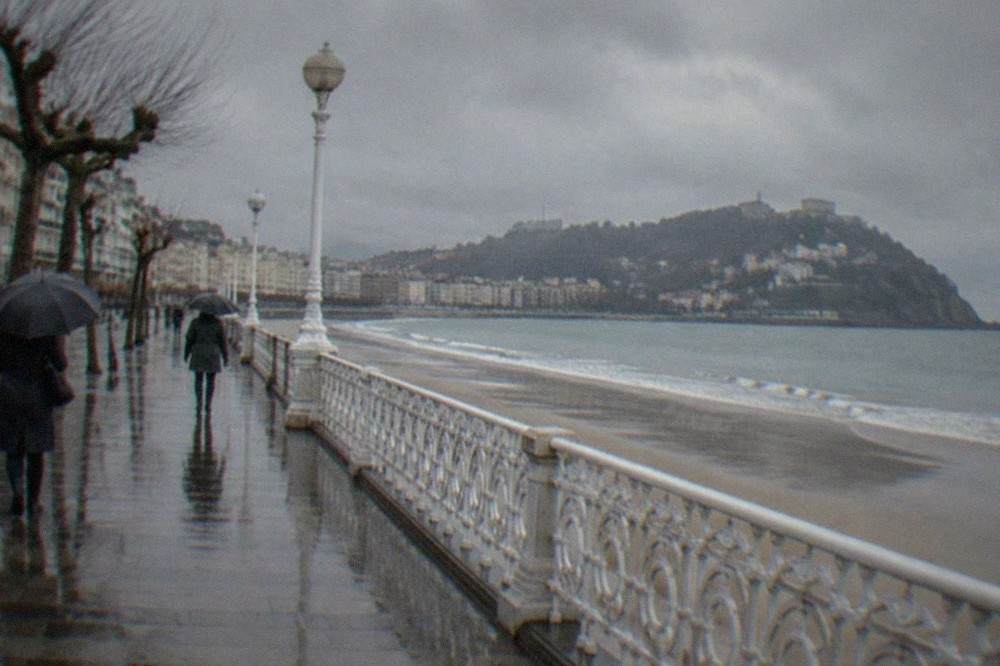
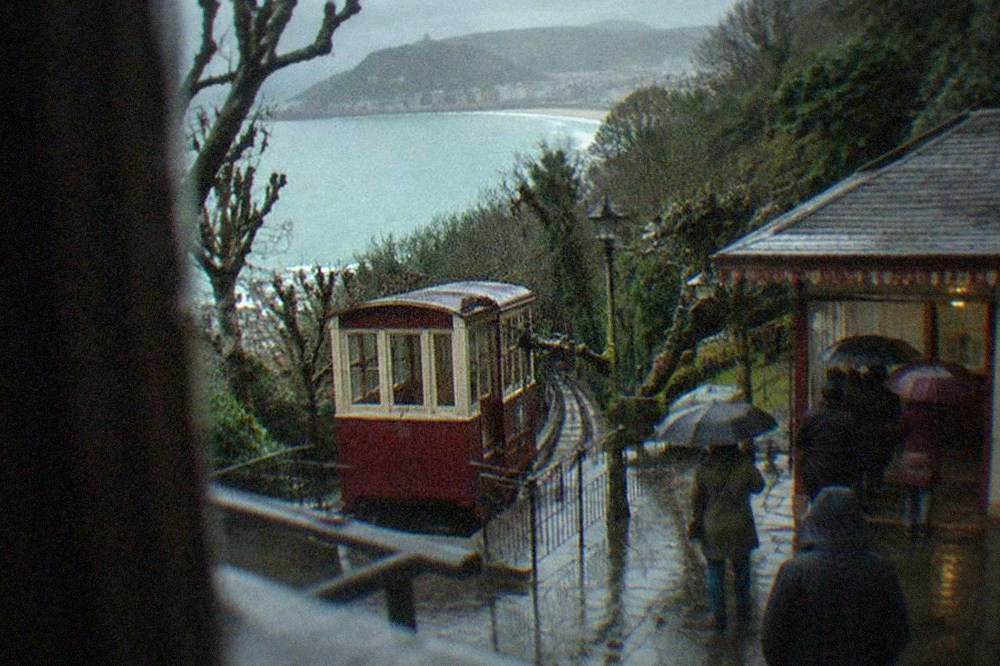
A January day in San Sebastián works best split between the seafront and the Old Town: walk La Concha's 1,350 m promenade between showers, spend the wet hours in San Telmo Museoa or Tabakalera, both of which are free on the right day, ride the 1912 funicular up Monte Igueldo if the weather is clear, and finish in the pintxo bars of the Parte Vieja. The beaches are open all year, but lifeguards are off duty until 1 June and the water is at its coldest.
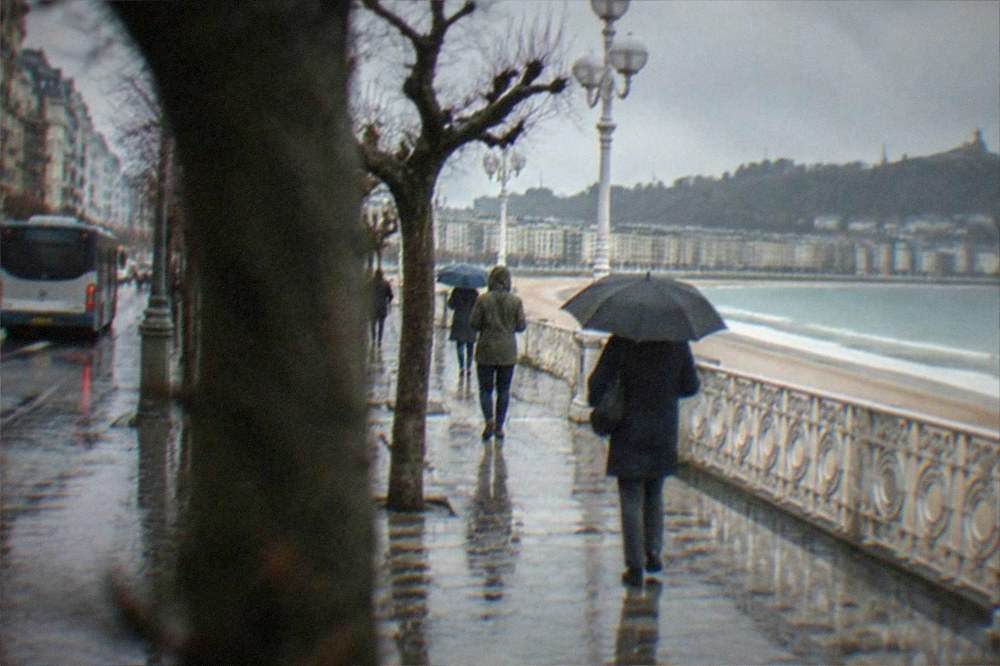
The seafront walk is the city's free centrepiece and it costs nothing but a coat. The city council gives La Concha a mean length of 1,350 m and Ondarreta 600 m, and the two are joined by a continuous promenade that passes Miramar Palace, built in 1893 at the request of Queen María Cristina, with gardens running down to the sea. At the west end of Ondarreta the walk reaches the Peine del Viento, Eduardo Chillida's three steel sculptures, each of more than nine tonnes, anchored to the rocks and completed in 1977 on a pink granite plaza by the architect Luis Peña Ganchegui. In January, with a swell running, the sculptures' holes send spray upward, which is precisely the weather they were built for.
For the wet hours, the city's museums are the answer. San Telmo Museoa, in a converted convent at the edge of the Old Town, charges 10.00 EUR general admission and 4.00 EUR reduced, and is free every Tuesday and for under 25s. Tabakalera, the former tobacco factory turned cultural centre, is free to enter and open Tuesday to Sunday, though it closes on Mondays like San Telmo. The Aquarium is open in January but closes on Mondays outside long weekends, from October to March. The table below gathers the winter opening rules that matter in January.
| Venue | January opening rule | Admission |
|---|---|---|
| San Telmo Museoa | Tuesday to Sunday, 10:00 to 19:00, closed Mondays | 10.00 EUR general, 4.00 EUR reduced, free every Tuesday |
| Tabakalera | Tuesday to Sunday and holidays, 10:00 to 21:00, closed Mondays | Free access |
| Aquarium | Tuesday to Friday 10:00 to 19:00, closed Mondays outside long weekends | Prices are on the venue's own site |
| Monte Urgull | Open 08:00 to 19:30, closed at night | Free to walk up |
| Monte Igueldo funicular | Runs every 15 minutes, rides close on rainy days | 5.50 EUR return adult, 2.50 EUR child up to 7 |
One Monte Igueldo detail matters in January more than in summer: the funicular's own home page states that tickets for the downhill journey only are not on sale, so a visitor should ride up and ride down rather than planning to walk one way. The funicular opened on 25 August 1912 and the return ticket includes entry to the grounds at the top, where the viewpoint looks down the full curve of the bay. On a clear January afternoon the light is low and the view runs to the French coast; on a rainy day the operator closes the rides, so check before setting out.
A guided walk is a good January structure because it keeps moving and ends indoors. The budget walking tour with a pintxo and a drink included is a short city-centre walk that finishes with something warm to eat, which is exactly the shape of a January afternoon, and the site's wider things to do in San Sebastian page collects options for every season. The tour runs whatever the sky is doing, and the operator's live listing shows the next available dates.
Because the walk ends with a pintxo and a drink in a bar, it doubles as a first orientation to the Old Town's food culture, which visitors can then continue exploring on their own. Reserving ahead is sensible in January less because of crowds and more because departures are fewer than in high summer.
What And Where Should You Eat In San Sebastian In January?
January eating in San Sebastián means pintxo bars in the Parte Vieja, the first txotx cider house visits of the season from mid-January, and the city's Michelin-starred kitchens at their least contested: the MICHELIN Guide Spain 2026 counts 11 stars across 6 restaurants inside the city, including three stars each at Akelaŕe and Arzak. The cider houses sit in Astigarraga and the surrounding countryside, a short journey out, and the season's opening is a calendar event in itself.
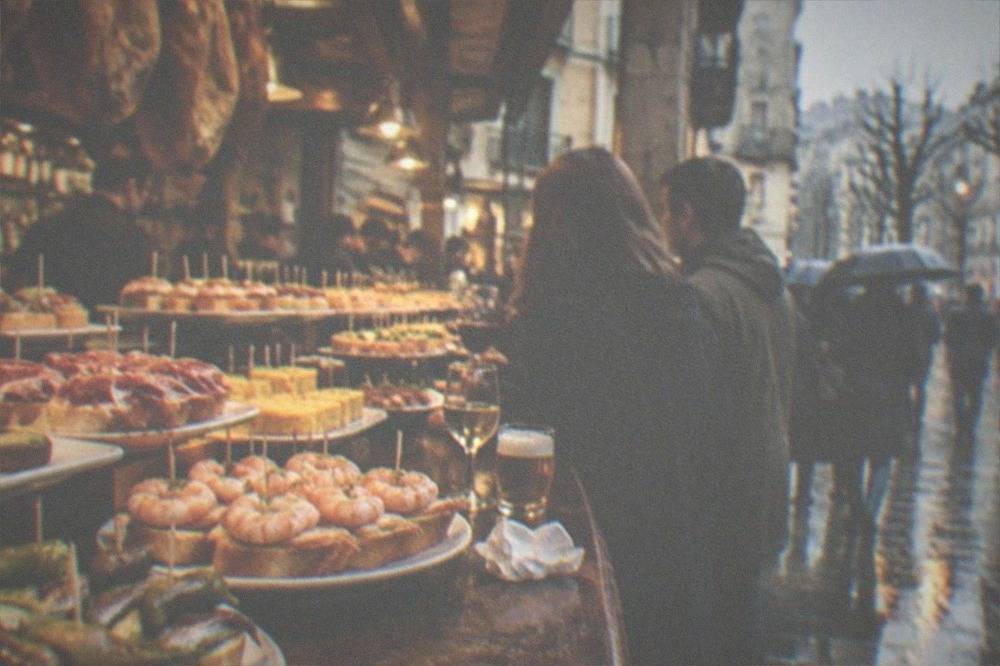
The pintxo bars do not close for winter. The Old Town's bars fill from early evening, and the standing-room culture that makes them feel crowded in August makes them feel lived-in in January. The site's pintxos in San Sebastian guide explains what a pintxo is and how the bars work, and the what to eat in San Sebastian guide covers the dishes worth ordering, from txuleta steak to the baked cheesecake that La Viña made famous, which is at its best when the weather calls for something dense and sweet. Winter is also the season for the warm end of the repertoire: stews, grilled txuleta in the asadores, and thick hot chocolate with churros in the cafés around the Boulevard.
The txotx season is January's food headline. The tourism board describes the season as running from the middle of January to the end of April, and the ritual is fixed: the barrel is opened, the cider is poured from height into your glass, and you drink it standing while the season's menu, built around salt-cod omelette and a big grilled txuleta, comes to the long tables. The cider houses are concentrated in Astigarraga, a separate municipality a short way out of the city, and the Basque Cider Museum there lists a museum visit from 5.00 EUR and a premium visit with tasting at 9.00 EUR. A guided visit removes the need to work out the bus: the operator of the traditional cider house tour with lunch is run with the Gipuzkoa cider house association and includes the orchard, the cellar, the txotx ritual and lunch.
For visitors who want the same depth without leaving the city, a pintxo crawl with a guide turns the Old Town's bars into a structured evening. The pintxo tasting tour paired with wines pairs eight pintxos with five drinks from Denomination of Origin wines, and the site's Michelin restaurants guide covers the starred kitchens for a splurge night.
What Is Tamborrada And Why Is It On 20 January?
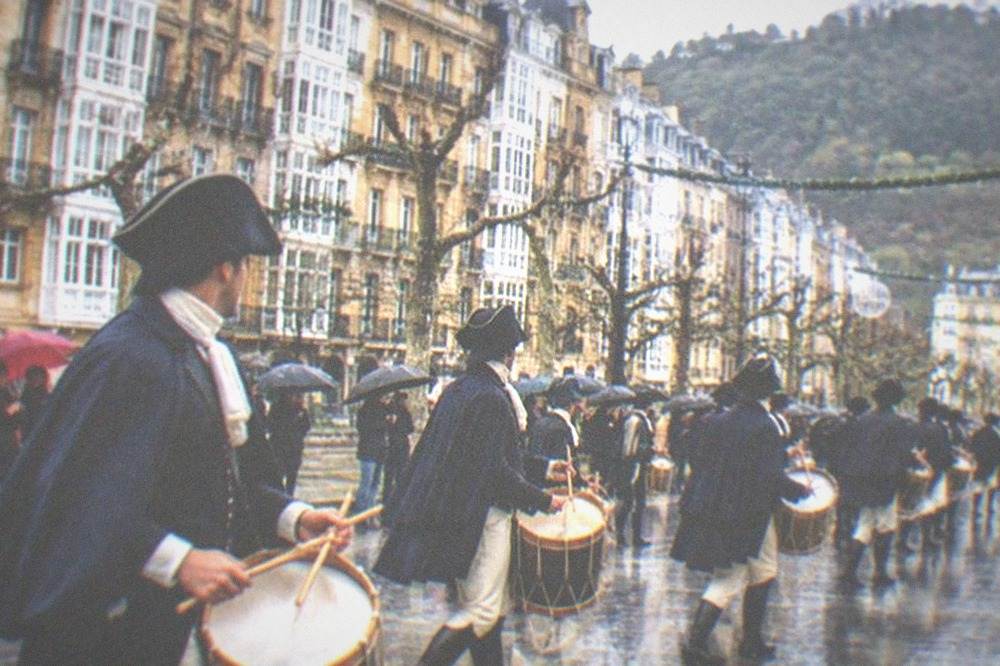
Tamborrada is San Sebastián's drum festival, held on 20 January every year, the city's patron day, when adult companies in 19th-century cook and soldier dress march through the streets drumming from midnight to midnight, and a children's parade takes place later the same day. It is the single loudest and most local event of the winter calendar, and it belongs to this Basque city, not to any other place called San Sebastián anywhere in the world.
The date is fixed by the calendar rather than by announcement: the tourism board lists Tamborrada on 20 January every year, alongside Santo Tomás on 21 December. The festival fills the Old Town and the centre with drums and the smell of food from the societies' headquarters, and the bars stay busy all night. A visitor does not need a ticket to watch, only a place to stand, and the atmosphere is closer to a city celebrating itself than to a staged tourist event. The start and end hours, the number of companies and the children's parade arrangements are set each year by the organisers, so check the city's own channels for the schedule rather than relying on secondhand summaries. The wider set of guides lives on San Sebastian Spain Guide.
Two practical notes for a January visitor. First, the night of 20 January is loud in the centre, so a hotel in the centre will carry the drumming into the small hours, and a room further out will not. Second, the following days are ordinary winter days, so the festival works well as the centrepiece of a longer stay rather than the whole of it. The site's San Sebastian festivals guide places Tamborrada in the year's full sequence.
What Should You Pack For San Sebastian In January?
Pack for a wet Atlantic winter at 8.5 C mean: a proper waterproof coat rather than an umbrella, since the seafront wind breaks umbrellas, layered clothing for days that move between 5.9 C mornings and 11.0 C afternoons, and shoes with grip for wet stone and the hills. Rain falls on 13.2 days with at least 1 mm in an average January, so rainwear is a daily companion, not a contingency.
The city's shape argues for the packing list above. Urgull and Monte Igueldo both involve uphill walking on surfaces that hold water, the promenade is exposed to the bay wind, and the Old Town's stone streets run slick after rain. An umbrella is the wrong tool on the seafront; a hood and a waterproof do the work the umbrella cannot. Layers matter because a clear January afternoon can feel mild on the sheltered promenade while the hilltops stay raw, and because the pintxo bars and cider houses are warm enough that a heavy coat comes off at the door.
The table below matches January's conditions to what to bring.
| Condition | AEMET January figure | What it means for packing |
|---|---|---|
| Mean temperature | 8.5 C | Warm layers under a winter coat |
| Mean daily maximum | 11.0 C | A lighter layer for sheltered afternoons |
| Mean nightly minimum | 5.9 C | Hat and gloves for evenings on the street |
| Rain | 141 mm over the month | Waterproof coat with a hood, not an umbrella |
| Days with 1 mm or more | 13.2 | Shoes with wet-weather grip |
| Sunshine | 98 hours | Sunglasses still earn their place on bright days |
One January-specific item earns its space: earplugs, if the stay includes the night of 20 January in the centre. Tamborrada's drumming does not pause for sleepers.
Which Day Trips Work From San Sebastian In January?
The day trips that work in January are the inland and cultural ones: Rioja wineries around Laguardia, the Chillida Leku museum in Hernani, and the French Basque coast at Biarritz and Bayonne, all of which run through the winter. Coastal walking trips are possible between showers but less reliable, and the flysch geopark coast is at its best on a dry, clear day, which January supplies only occasionally.
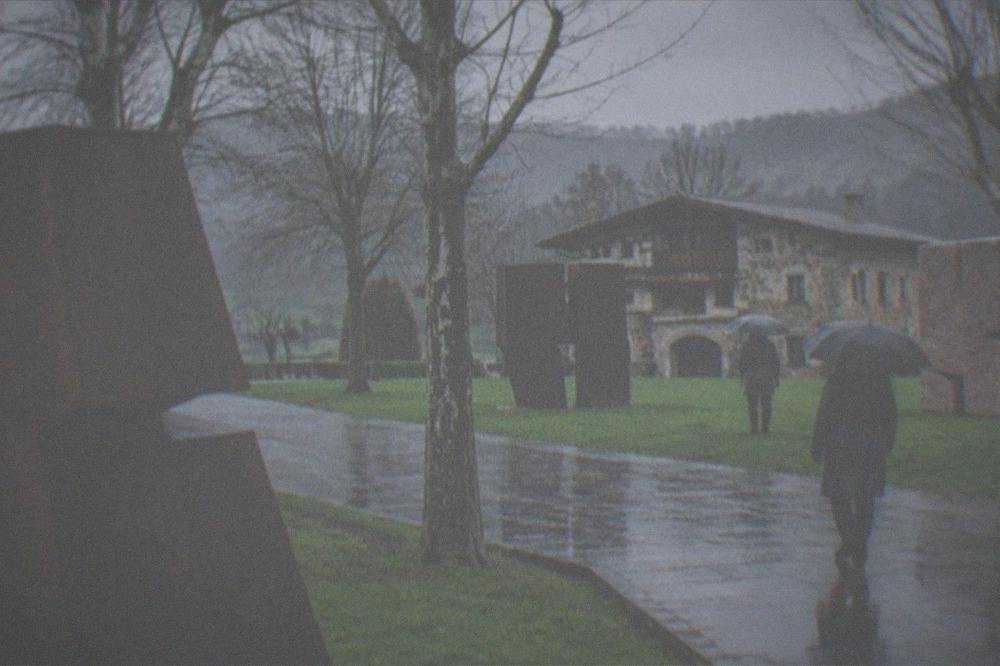
Chillida Leku, the sculpture park in Hernani a short way outside the city, is open every day in winter except Tuesdays and Wednesdays, 10:00 to 19:00, with adult admission at 14 EUR and free parking. Its beech woods and outdoor iron and granite sculptures suit a cold bright afternoon, and the indoor Zabalaga farmhouse gives shelter if a front arrives. A guided visit of the museum is available as a Chillida Leku guided tour, which handles the journey from the city.
The Rioja trip is January-proof because it is indoors. A full-day small-group tour with winery visits and the walled town of Laguardia runs from the city's bus station, and wine country in winter is quiet, with cellar tours at their least crowded. The La Rioja wines and Laguardia tour covers the route. The French Basque Country option crosses the border for Biarritz, Bayonne and Saint-Jean-de-Luz, towns whose museums, covered markets and chocolate shops are winter-friendly; the site's pages on Biarritz and the wider region cover the crossing.
| Day trip | Winter suitability | Why it works in January |
|---|---|---|
| La Rioja and Laguardia | Excellent | Cellars, wineries and a walled town, all indoors or sheltered |
| Chillida Leku, Hernani | Very good | Open daily except Tuesdays and Wednesdays, farmhouse indoors |
| Biarritz, Bayonne, Saint-Jean-de-Luz | Very good | Markets, museums and covered passages |
| Hondarribia and Pasaia | Good | Harbour villages, best on a dry spell |
| Zumaia flysch coast | Weather-dependent | Needs a clear day for the cliff walk and the viewpoint |
The coastal Gipuzkoa towns, Getaria, Zarautz and Zumaia, remain worth the journey on a good day, but January supplies those days unpredictably, so book the inland trips first and keep the coast flexible. The site's day trips overview can help with how much time to give each.
How Do You Get Around San Sebastian In January?
Getting around San Sebastián in January means mostly walking, because the centre is compact and flat along the bay, with dBus city buses at 1.95 EUR for an occasional cash ticket and the MUGI card system cutting fares across buses and the Euskotren Topo railway. The city's new underground Topo stations have no published opening date, so Amara remains the working terminus for the Topo line toward Hendaia.
The MUGI fare system covers Gipuzkoa's buses and trains with fares set by zone jumps, and the tariff gives an occasional urban ticket at 1.95 EUR and a night ticket at 2.65 EUR, with a MUGI anonymous card paying 0.78 EUR for the same urban trip. Cash on dBus does not allow free transfers, the operator states, so a visitor making several journeys saves with a card. For January specifically, buses matter more than in summer because the seafront walk between the beaches and the centre is shorter than it looks but wetter than it looks.
Two current cautions from the operators themselves. Since 1 June 2026, line E21 does not stop at San Sebastián Airport at Hondarribia; the operator lists E20, E23, E25, E27, E28, E29 and E30 as the airport services, with E30 the direct line, and a tourism board page that still names E21 is out of date. And the underground Topo section under the city finished its civil works in June 2026 with no opening date published, so any source naming one is guessing. The site's getting around pages cover transport costs in context.
What Are The Best Free Things To Do In San Sebastian In January?
The best free January activities are walking Monte Urgull between 08:00 and 19:30, its closing time from 1 October to 30 April, the Peine del Viento sculptures at the west end of Ondarreta, the La Concha promenade itself, and San Telmo Museoa on a Tuesday, when entry is free for everyone. Tabakalera's building is free to enter Tuesday to Sunday, and the Old Town's streets and Plaza de la Constitución cost nothing at all.
Monte Urgull is the city's free hill, rising between the Old Town and the mouth of the bay, with the Castillo de la Mota at the top and views over the whole coastline. The tourism board's access hours apply: 08:00 to 19:30 in January, with the hill closed at night. The Casa de la Historia inside the castle is a small museum run by San Telmo, and its hours and price should be checked with the venue before relying on it.
The Peine del Viento is at its most theatrical in exactly the weather January supplies. When the Atlantic swell runs, the waves drive through the sculptures' openings and the compressed air throws spray back over the plaza, which is the effect Chillida and Peña Ganchegui designed into the work in 1977. On a calm day it is a quiet granite terrace; on a rough one it is a performance, and it costs nothing to watch. The site's free things page gathers more options for a low-cost day.
| Free activity | January availability | Notes |
|---|---|---|
| Monte Urgull walk | 08:00 to 19:30 | Closed at night, free to enter |
| Peine del Viento | Open at all hours | Best with a winter swell running |
| La Concha promenade | Open at all hours | 1,350 m of beachfront, council figure |
| San Telmo Museoa | Free every Tuesday | Otherwise 10.00 EUR general |
| Tabakalera | Tuesday to Sunday, 10:00 to 21:00 | Free access, closed Mondays |
Common Questions About San Sebastian In January
What Is The Weather Like In San Sebastian In January?
January is the coolest month, with a mean of 8.5 C, a mean maximum of 11.0 C and a mean minimum of 5.9 C, and it is wet, with 141 mm of rain over 13.2 days with at least 1 mm, per AEMET's Igeldo station normals. Sunshine averages 98 hours for the month.
Is January A Good Time To Visit San Sebastian?
Yes, for visitors focused on food, museums and Tamborrada rather than beaches. January 2025 saw 115,910 hotel overnight stays in the INE series, the quietest month of the year, so bars and restaurants are at their least crowded.
What Is Tamborrada And Why Is It On 20 January?
Tamborrada is the city's drum festival, held on 20 January every year, the patron day of San Sebastián. Adult companies in period dress drum through the streets and a children's parade follows; the exact schedule is set each year by the organisers.
Can You Swim At The Beaches In San Sebastian In January?
The beaches are open to walk all year, but the water is at its coldest and the lifeguard service runs only from 1 June to 30 September. January swimming is for winter bathers with local knowledge, not for a typical visitor.
Is The Cider House Season Open In January?
Yes. The txotx season runs from the middle of January to the end of April in the tourism board's wording, so a late-January visit falls inside it, with cider houses concentrated in Astigarraga.
Are Museums Open In San Sebastian In January?
Mostly, but Monday closures apply: San Telmo Museoa and Tabakalera both close on Mondays, and the Aquarium closes on Mondays from October to March except long weekends. San Telmo is free for everyone every Tuesday.
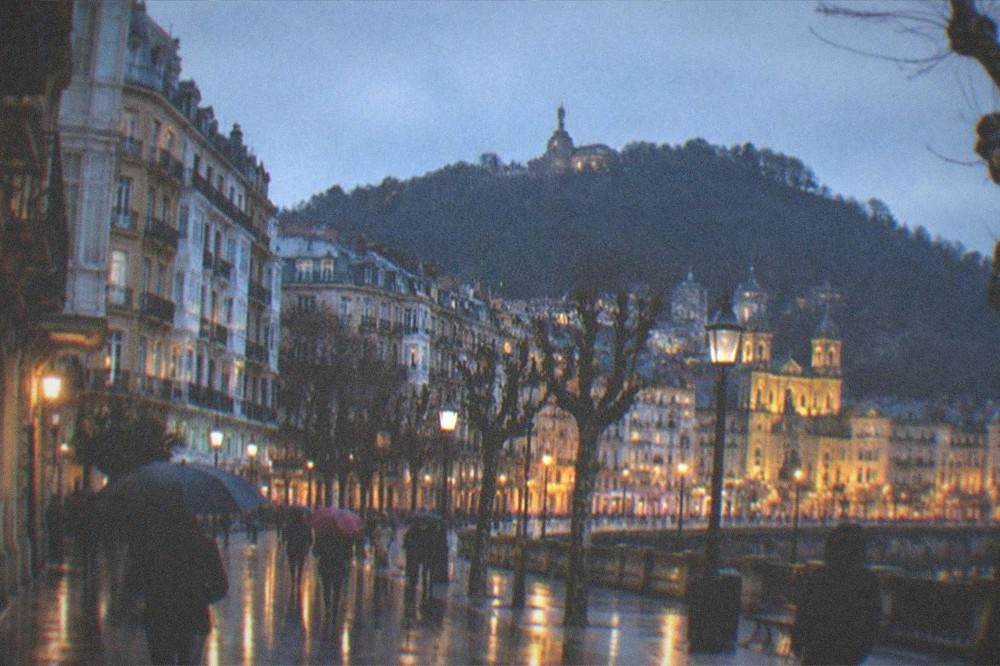
January in San Sebastián is a month for visitors who like their cities out of season and their plans built around weather. The rain is real, 141 mm of it in an average month at AEMET's Igeldo station, but so are the payoffs: a drum festival on 20 January that fills the streets, cider pouring from the barrels in Astigarraga, free Tuesdays at San Telmo, and an Old Town you can actually get a table in. Bring the waterproof, keep the plans flexible, and the quietest month on the calendar becomes one of the fullest.