San Sebastian Film Festival
The San Sebastián Film Festival turns the Basque city of Donostia / San Sebastián into a cinema town every September. This guide covers the festival's dates, its venues, the filming locations in and around the city, and how to plan a visit around it.
Short answer
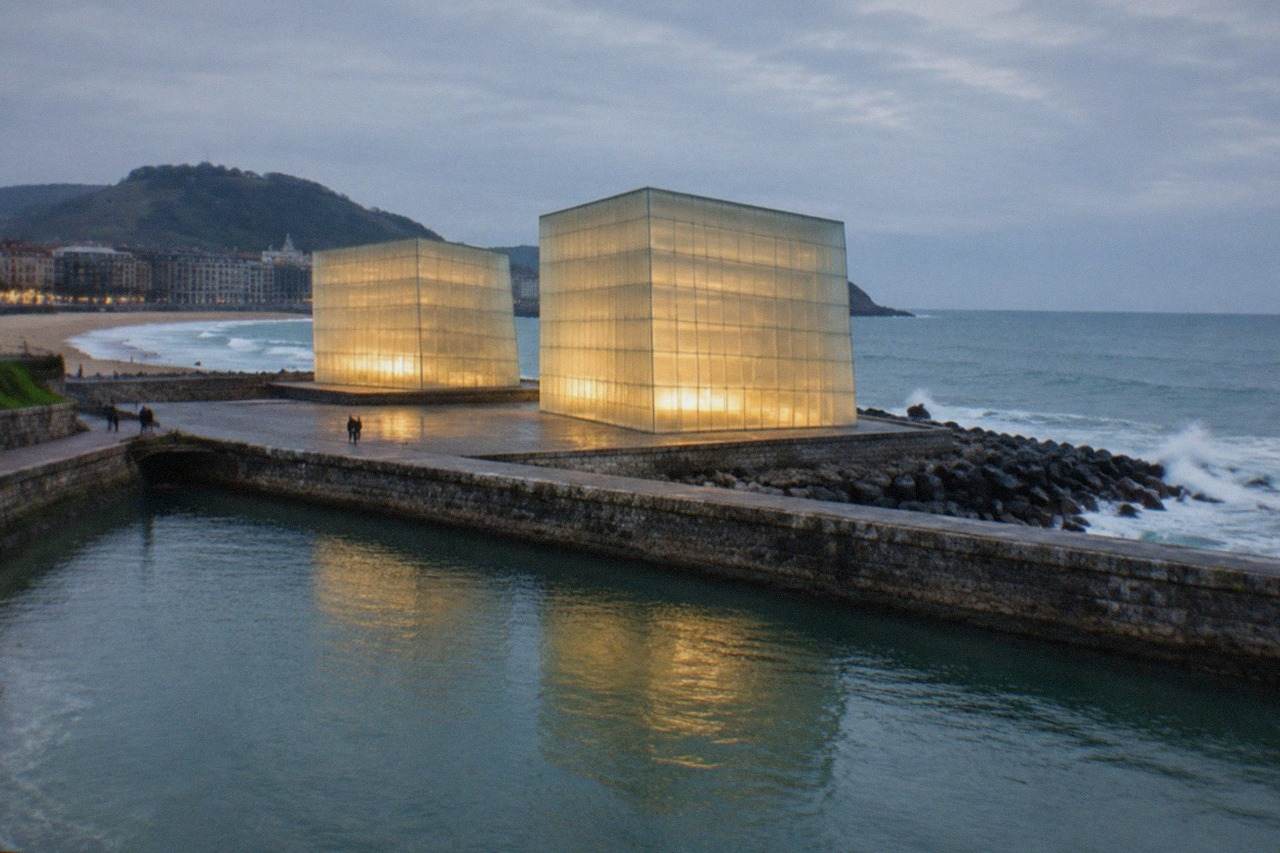
The San Sebastián International Film Festival is held every September in San Sebastián, Basque Country, Spain. Its 74th edition ran from 18 to 26 September 2026, with screenings centred on the Kursaal on the Urumea river and the Victoria Eugenia theatre.
Every September, the city of San Sebastián, in the Basque Country of Spain, stops being only a beach and pintxo town and becomes a cinema city. The San Sebastián International Film Festival, known locally as the Zinemaldia, has run in Donostia, the city's Basque name, for generations, long before its current home was built, and its 74th edition took place from 18 to 26 September 2026. For roughly nine days the seafront, the Old Town and the Kursaal's glass cubes on the Urumea river fill with premieres, red carpets and audiences who queue as seriously as they eat.
This guide covers what the festival is, when it happens, what has actually been filmed in and around the city, and how to plan a trip around it without guessing at anything the organisers have not yet published. Whether the festival is the reason for the trip or just the backdrop to one, September is one of the most interesting weeks of the year to be in San Sebastián.
What Is The San Sebastian Film Festival?
The San Sebastián International Film Festival is an annual A-list film festival held in San Sebastián, Basque Country, Spain, and its 74th edition ran from 18 to 26 September 2026. It is the city's biggest cultural event of September, with screenings and premieres centred on the Kursaal building beside the Urumea river, and it runs alongside the ordinary life of the beaches and the pintxo bars of the Old Town.
The festival is old enough to be an institution. It has kept its home on La Concha bay through decades of editions, and the tourism board lists it among the city's major annual events alongside Semana Grande, Jazzaldia and the La Concha regattas. For the duration of the festival the city's hotels fill with industry guests, press and filmgoers. The 2026 edition, the 74th, closed on 26 September 2026.
The heart of the festival is the Kursaal, the Rafael Moneo building on the east bank of the Urumea. The Kursaal's own history page records that six architects were invited to submit designs, among them Botta, Foster, Isozaki, Moneo, Navarro Baldeweg and Luis Peña Ganchegui, that Moneo's proposal was chosen in 1990, and that activity began in the Chamber Hall on 3 June 1999 before the official inauguration on 23 August 1999. Its two glass cubes have been the festival's principal venue ever since, and the Victoria Eugenia theatre, a few steps inland, is its historic second home.
The festival is not a closed industry event. The public buys tickets to screenings, queues for galas, and rubs shoulders with visiting casts in a city small enough that a premiere crowd and a pintxo crowd share the same streets. For the prestige question, whether the festival ranks among the world's top tier, there is a dedicated answer on how prestigious the San Sebastian festival is.
Here are the festival's verified basics at a glance:
| Fact | Detail |
|---|---|
| Event | San Sebastián International Film Festival (Zinemaldia) |
| City | San Sebastián, Basque Country, Spain (Donostia / San Sebastián) |
| 2026 edition | 74th, held 18 to 26 September 2026 |
| Principal venue | The Kursaal, inaugurated 23 August 1999, designed by Rafael Moneo |
| Second venue | The Victoria Eugenia theatre |
| Season | Every September |
| Local name | Zinemaldia |
When Is The San Sebastian Film Festival Held Each Year?
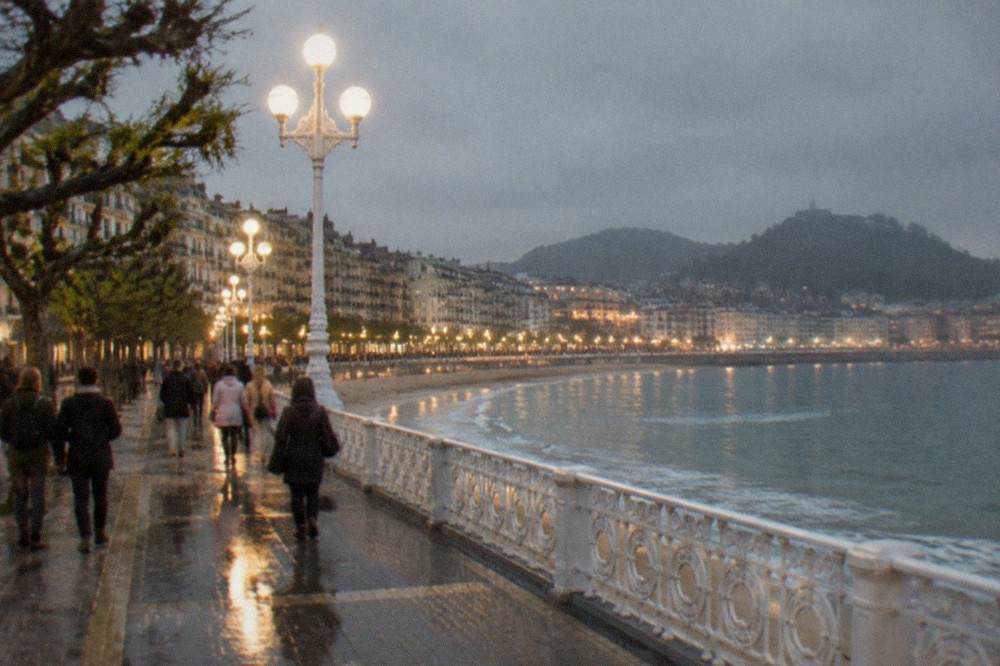
The San Sebastián Film Festival is held every September, and the 74th edition ran from 18 to 26 September 2026. AEMET's normals for its Igeldo station give September a mean of 18 C, a mean maximum of 21.1 C and 111 mm of rain over about 10 rain days. The exact dates for each year are published by the festival itself, so check the organiser for the year you travel.
September suits the festival well. The sea is still at the end of its warm season, the beach lifeguards remain on duty until 30 September, and the La Concha regattas, rowed on the first two Sundays of September, often overlap with the festival's opening days. In 2026 the regattas were held on 6 and 13 September, with the women's race at 11:00 and the men's at 12:00, so a festival visitor that year could watch traineras in the morning and a premiere in the evening.
The weather deserves honesty. San Sebastián is a wet Atlantic city: AEMET's Igeldo station records 1,507 mm of rain a year over 141 rain days, and even July, the driest month, averages 86 mm. September is not the wettest month, that is November with 169 mm, but it is not dry either. A festival trip should pack for rain with the same seriousness as for the beach.
| September in San Sebastián | AEMET normals, Igeldo station, 1981 to 2010 |
|---|---|
| Mean temperature | 18.0 C |
| Mean daily maximum | 21.1 C |
| Mean daily minimum | 14.8 C |
| Rainfall | 111 mm |
| Days with 1 mm or more of rain | 10.1 |
| Sunshine hours | 179 |
The festival's September slot also lands in the shoulder of the beach season, which keeps the city lively without the full August crush. INE's hotel occupancy data for the city's hotels shows August 2025 as the year's peak with 245,769 overnight stays, and September 2025 close behind at 216,759, well above the winter months. Festival week sits inside that second surge, and hotel availability tightens around it, so book rooms early for those dates.
If the festival is the anchor of the trip, the wider question of timing still matters, and the site's best time to visit San Sebastian guide puts September in context against every other month.
What Was Filmed In San Sebastian, Spain?
Most of what reaches the screen from San Sebastián comes through the festival itself, which premieres films in the city each September, rather than through Hollywood productions shot on its streets. The famous screen location near the city is Gaztelugatxe, the hermitage on a rocky islet up the coast. Within the city, the Kursaal, La Concha bay and Monte Igueldo appear as festival backdrops, and the Peine del Viento sculptures are the most photographed coastal set piece.
The honest answer to this question is that the city's screen identity is built on the festival, not on a catalogue of blockbusters. The Zinemaldia brings hundreds of films to San Sebastián every September, and for nine days the city is where those films are first shown. The red carpet runs up the Kursaal's riverside steps, and the films screened inside are the festival's product, not films made in the city.
Around the city, the picture changes. Gaztelugatxe, the stone hermitage reached by a narrow causeway on the Biscay coast, is the region's standout filming location, and this site keeps a full answer on what was filmed at Gaztelugatxe. It is a day trip from San Sebastián rather than a city location, and it can be combined with Bilbao on a single long day out.
Within the municipality, the locations that appear on screen and in photographs are the ones every visitor walks anyway. The Kursaal's twin glass cubes frame the Urumea mouth. La Concha's 1,350 metre crescent, with Santa Clara island floating in the middle, is the classic establishing shot. Monte Igueldo's funicular, running since 25 August 1912 with its wooden rack cars, and the Peine del Viento, Eduardo Chillida's three steel sculptures of more than nine tonnes each, set on the pink granite plaza by Peña Ganchegui and given to the city in 1977, give the west end of the bay its visual signature.
| Location | What it is | Why it appears on screen |
|---|---|---|
| The Kursaal | Rafael Moneo's glass twin cubes, inaugurated 1999 | The festival's main venue and red carpet site |
| La Concha beach | 1,350 m sandy crescent on the bay | The city's defining establishing shot |
| Santa Clara island | Island in the middle of the bay, reachable by boat in season | A recurring backdrop from both beaches |
| Monte Igueldo | Hilltop funicular and viewpoint, funicular opened 1912 | Panorama shots of the whole bay |
| Peine del Viento | Chillida sculptures from 1977 on the rocks at Ondarreta | The city's most filmed coastal set piece |
| Gaztelugatxe | Hermitage islet on the Biscay coast, a day trip away | The region's major external filming location |
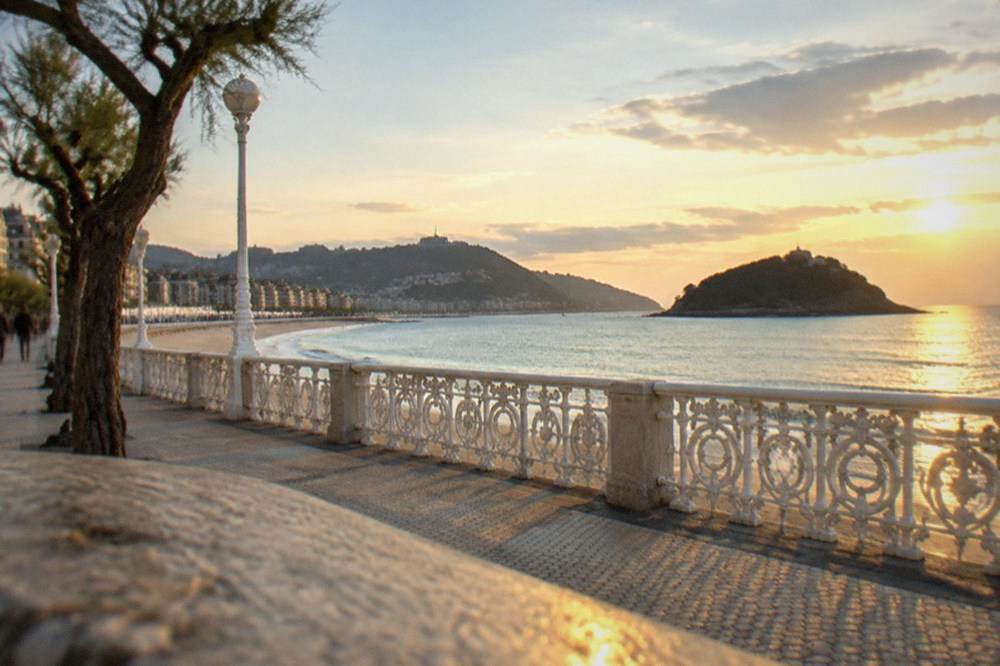
For visitors who want to see the city's film-facing geography properly, a guided walk is an efficient first move. The city highlights walking tour covers the Old Town and the Romantic Area on foot with separate English and Spanish departures, and the full detail is on the guided city walking tour page. The tour roster also includes free GuruWalk walks, where the platform and the individual guru are named on each listing, plus self-guided audio tours played in an app for visitors who prefer their own pace.
What Is Festival Week Like In The City?
Festival week turns San Sebastián into a dense, walkable cinema town: screenings run through the day and evening at the Kursaal and the Victoria Eugenia theatre, red carpets and queues form around the venues, and the city's hotel occupancy runs at its second-highest level of the year, with 216,759 hotel overnight stays recorded in September 2025 against August's 245,769 peak. Everything is within walking distance of everything else.
The city is compact, which is what makes the festival work. The Kursaal sits at the mouth of the Urumea, a ten minute walk from La Concha's eastern end and five from the Old Town's bars. A festival visitor can watch a morning screening, eat pintxos at lunch, swim in the bay in the afternoon, when the lifeguard service is on duty from 10:00 to 20:00 until 15 September, and queue for an evening gala without ever needing a car.
The Old Town, the Parte Vieja, is where festival crowds eat. Its pintxo bars run along the streets behind the harbour, and the evening pintxo rush, which locals treat as a standing appointment, collides happily with cinema crowds. The site's pintxos in San Sebastian guide explains how the culture works, and what are pintxos covers the form itself for newcomers.
| Festival week in practice | What to expect |
|---|---|
| Screenings | Public ticketed sessions at the Kursaal and the Victoria Eugenia theatre |
| Crowds | September 2025 hotel overnight stays were 216,759, second only to August |
| Beaches | Lifeguards on all three beaches until 30 September, 10:00 to 20:00 until 15 September |
| Eating | Old Town pintxo bars, busiest from mid evening |
| Weather | 18 C mean, 111 mm of rain in the month, pack a rain layer |
| Regattas | The La Concha regattas are rowed on the first two Sundays of September |
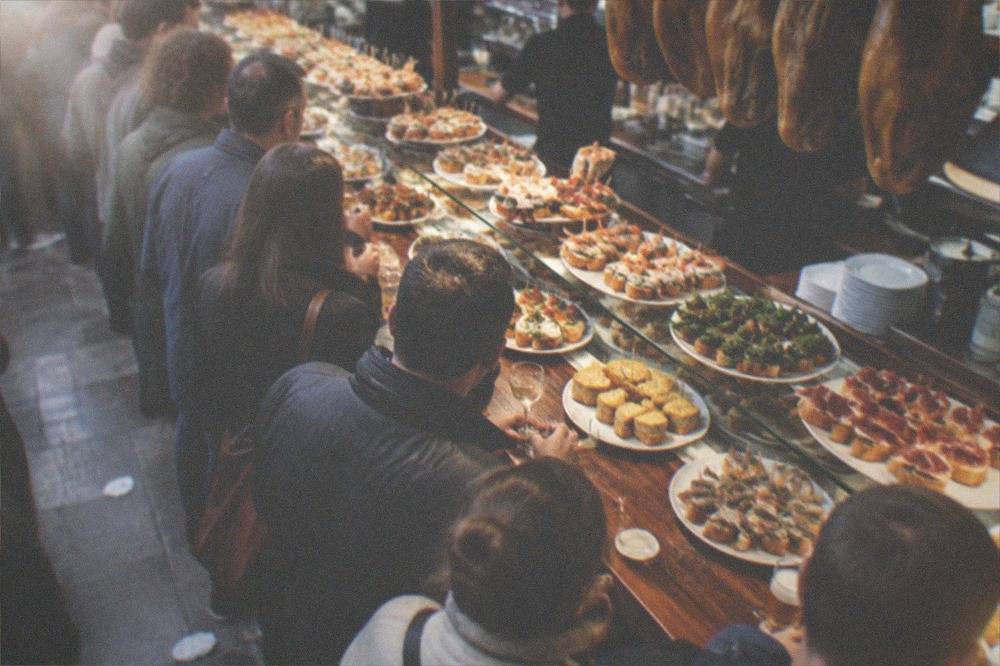
The best way to eat well during festival week, when the best bars are at their busiest, is to let a guide lead. A small-group Old Town crawl through the pintxo bars, restaurants and gourmet shops takes the guesswork out of the evening, and its own page at Old Town pintxos and wine small group tour has the details, or check current dates through Check availability.
How Do You Plan A Trip Around The Festival?
Plan a festival trip to San Sebastián by booking accommodation early, since September is the city's second-busiest hotel month of the year, checking the festival's own site for the edition's exact dates and screening schedule, and building each day around one or two fixed screenings rather than a rigid itinerary. The city is small and walkable, public transport is cheap, with a dBus city ticket at 1.95 EUR, and the beaches, the Old Town and the Kursaal are all within a short walk of one another.
The order of operations matters. Rooms first, because September 2025 saw 216,759 hotel overnight stays in the city's hotels and festival week concentrates demand further. Then the festival programme, which the organiser publishes each year with the schedule of screenings, galas and ticket sales, and which is the only reliable source for the edition you are attending. Then the days around it. More of these guides are collected on San Sebastian Spain Guide.
A sensible festival day leaves room for the city itself. Mornings work for the beach while the weather holds, afternoons for a screening or a museum, evenings for pintxos and a gala. San Telmo Museoa, in the Old Town, is open Tuesday to Sunday and free for everyone on Tuesdays, which makes it a natural free morning for any festival week. The general admission is 10.00 EUR and the reduced ticket 4.00 EUR, and the museum stays closed on Mondays except holidays and long weekends.
Getting around needs almost no planning. The dBus city network charges 1.95 EUR for an occasional cash ticket, and the MUGI card system covers city buses, Lurraldebus and Euskotren across the whole province of Gipuzkoa. Most of the centre is walkable, and for festival week the honest answer is that many visitors never need a bus at all.
| Planning item | Rule of thumb |
|---|---|
| Accommodation | Book early, September is the second-busiest hotel month after August |
| Festival dates | Check the organiser's site for the edition's exact dates |
| Screenings | Buy tickets through the festival's own channels once sales open |
| City transport | dBus occasional ticket 1.95 EUR, most of the centre is walkable |
| Free morning | San Telmo Museoa is free every Tuesday, open Tuesday to Sunday |
| Rain plan | 111 mm of rain falls in an average September, keep an indoor option |
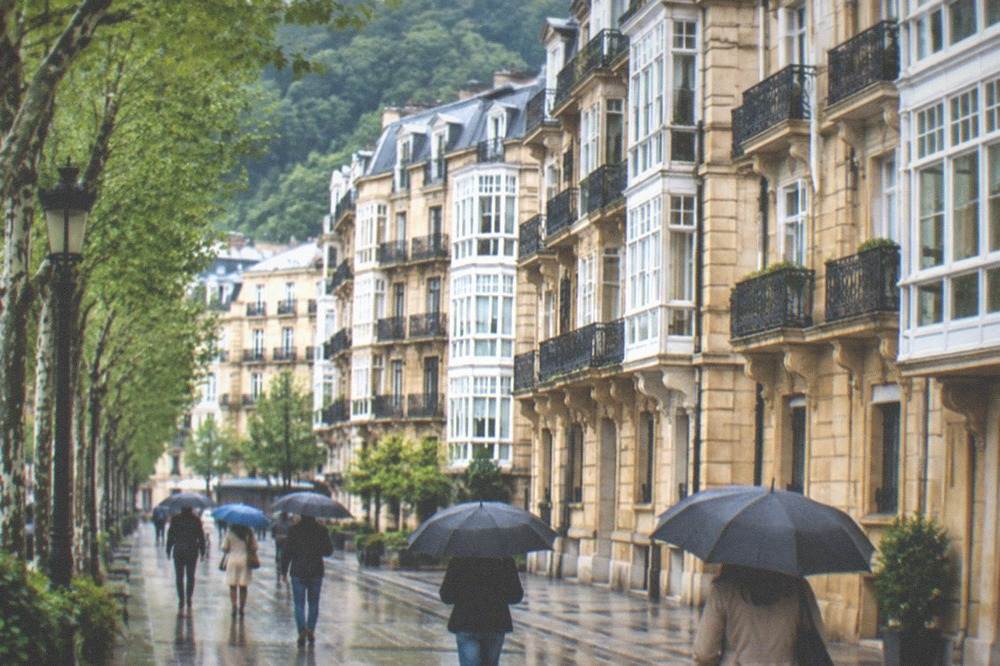
For anyone weighing how long to stay, the site's guide to how many days in San Sebastian works through the trade-offs, and festival week rewards the longer end of the range: the programme spreads across roughly nine days, and the city rewards the empty mornings between screenings.
What Else Is On In San Sebastian Around Festival Season?
Around the film festival, September in San Sebastián also brings the La Concha regattas on the first two Sundays of the month, with the women's race at 11:00 and the men's at 12:00, and the tail end of the beach season, with lifeguards on all three beaches until 30 September and Hondalea, the free Cristina Iglesias installation in the Santa Clara island lighthouse, open until the same date.
Earlier in the summer come Semana Grande in the week of 15 August and the Quincena Musical, whose 87th edition ran 2 to 30 August 2026.
September is a stacked month. The regattas, first held in 1879 and rowed with a women's flag since 2008, fill the bay with traineras and banks of spectators on the first two Sundays, and in 2026 those days were 6 and 13 September, inside the festival's opening week. The boats, the crowds on La Concha's promenade and the festival's evening galas make the first half of the month feel like one continuous event.
The island closes its summer season at the same time the festival ends its run. The Santa Clara island boat runs its high season from 1 June to 30 September, with the red line sailing direct to the island every 30 minutes from 10:00 to 19:00 weather and sea permitting, at 5 EUR return, and Hondalea in the lighthouse is open on the same dates from 11:00 to 18:30, free, in half-hourly sessions with no booking needed for the visit itself. After 30 September the island boats drop to low season and departures must be consulted with the operator.
| Event or season | Rule or 2026 date |
|---|---|
| San Sebastián International Film Festival | Every September, 74th edition 18 to 26 September 2026 |
| La Concha regattas | First two Sundays of September, women 11:00, men 12:00, 2026 dates 6 and 13 September |
| Beach lifeguard service | 1 June to 30 September on all three beaches |
| Hondalea, Santa Clara lighthouse | 1 June to 30 September, 11:00 to 18:30, free |
| Island boat high season | 1 June to 30 September, red line every 30 minutes, 5 EUR return |
| Semana Grande | Always the week of 15 August, Saturday to Saturday |
| Quincena Musical | 87th edition ran 2 to 30 August 2026 |
| Jazzaldia | 2026 was the 61st edition |
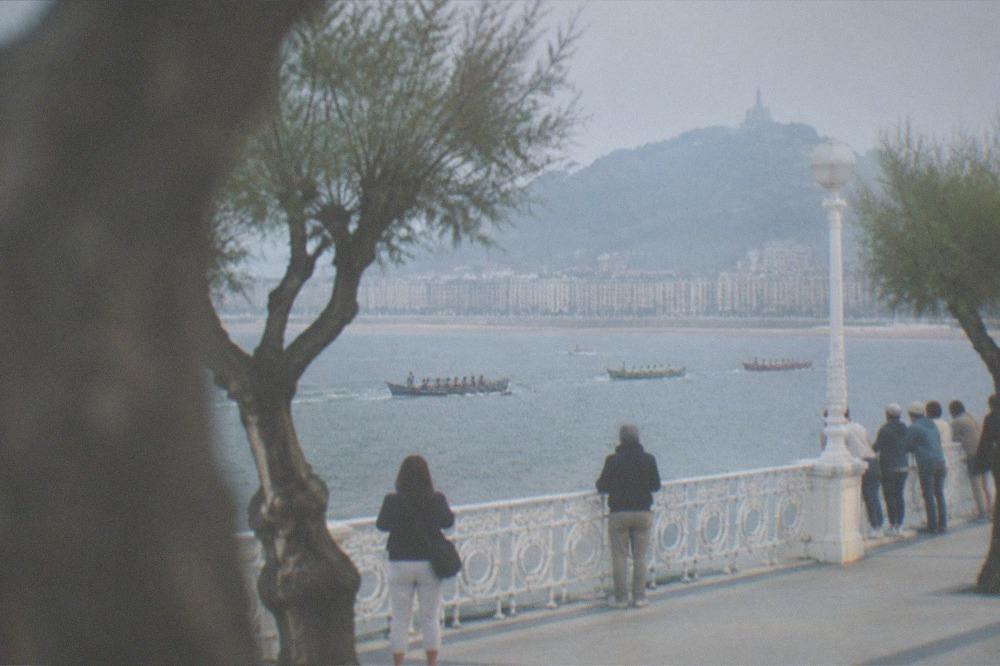
The full calendar of the city's festivals, from Tamborrada on 20 January every year to the Santo Tomás fair on 21 December, is laid out in the site's San Sebastian festivals guide, and the jazz festival has its own page on Jazzaldia. For the broader question of what the city is known for beyond its festivals, what San Sebastian is known for covers the food, the beaches and the architecture in one place.
What Can You Do Between Screenings In San Sebastian?
Between screenings, San Sebastián offers three swimmable beaches, a walkable Old Town of pintxo bars, the Monte Igueldo funicular with its 5.50 EUR adult return ticket, the Peine del Viento sculptures at the west end of Ondarreta, and short trips out to Getaria for txakoli or across the border to the French Basque coast. The city centre is compact enough that a festival morning can include a swim, a museum and a long lunch without rushing.
The bay is the default filler. La Concha's 1,350 metres of sand sit five minutes from the Kursaal, Ondarreta continues west from it for another 600 metres, and Zurriola, on the ocean side, is the surf beach with the strong swell the council's own page warns about. All three keep lifeguards through September, so a festival swim is a normal thing rather than a brave one.
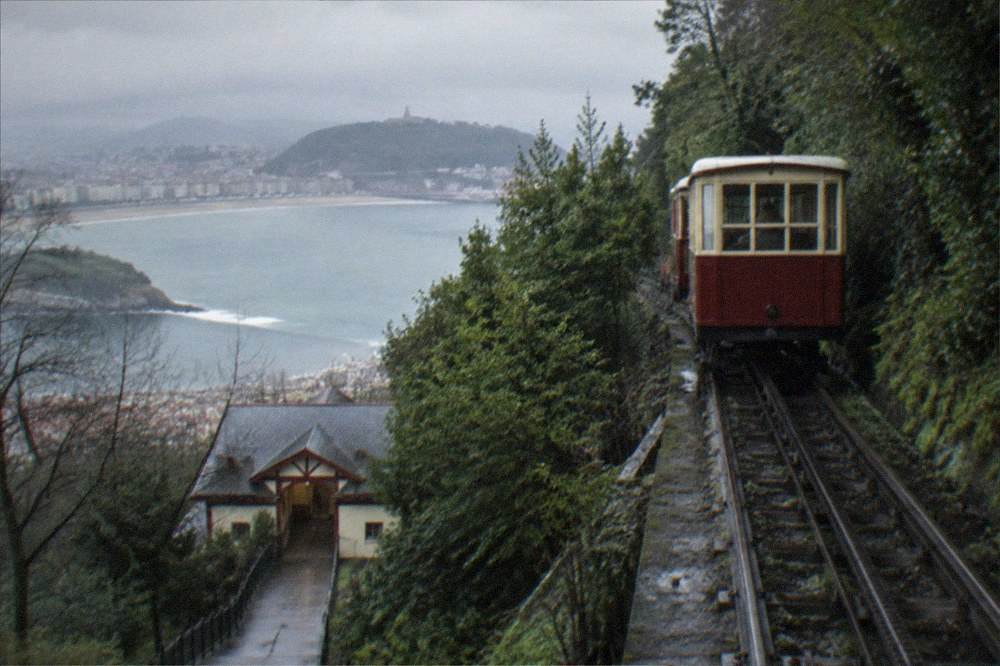
The hills frame the bay on both sides. Monte Urgull, the wooded headland east of the Old Town, is open from 08:00 to 21:00 until 30 September, and its Castillo de la Mota holds the Casa de la Historia, a small museum run by San Telmo. Monte Igueldo, on the west, is reached by the 1912 rack funicular, which the funicular's own site prices at 5.50 EUR adult return and 2.50 EUR for children up to 7, running normally every 15 minutes, with the ticket including entry to the grounds. Note that no downhill-only ticket is sold, so plan to ride both ways or walk both ways.
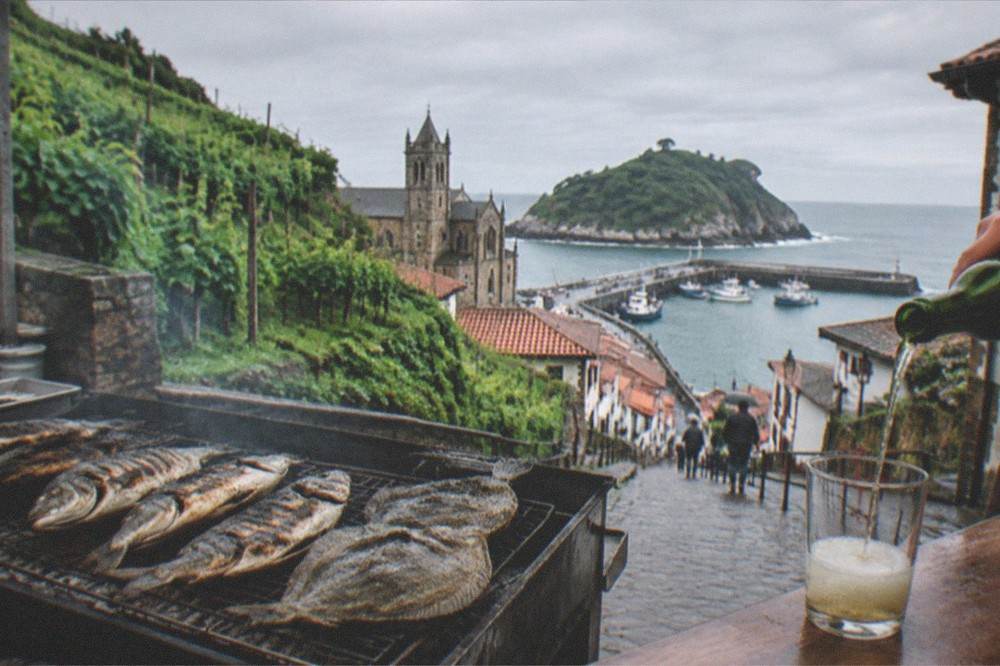
Out of the city, the coast of Gipuzkoa runs west through Zarautz, Getaria and Zumaia, and Getaria is the txakoli town: a small-group half-day trip there with hotel pickup includes the wine and the fishing port, and the full description sits in the tour roster above. The coastal towns each reward a half day, and the festival programme leaves enough gaps in a week to fill one of them comfortably.
Eating is the other half of any festival day. The city holds 11 Michelin stars across 6 restaurants in the MICHELIN Guide Spain 2026, with Akelaŕe and Arzak each carrying three, and the site's Michelin restaurants in San Sebastian guide explains what that count does and does not include, since Martín Berasategui, also a three-star house, sits in Lasarte-Oria, a separate municipality. For everyday eating, the best restaurants in San Sebastian and the guide to what to eat in San Sebastian do the planning work.
Common Questions About The San Sebastian Film Festival
Who Won The San Sebastian Film Festival In 2025?
The festival's own site publishes the full list of winners for every edition, including the 2025 awards, and that list is the record to consult for the year's prizes. The festival's top competitive award has historically gone to films that later circulate widely on the international festival circuit. For the edition you are planning around, check the organiser's published results rather than secondhand summaries.
Can members of the public buy tickets to festival screenings?
Yes, the festival sells tickets to the public for its screenings, and the box office and sales calendar are run through the festival's own channels each year. Sales typically open in stages before and during the festival, so check the organiser's site for the edition's exact on-sale dates. Popular galas and premieres sell out quickly.
Is September a good month to visit San Sebastian even without the festival?
September is one of the city's best months. AEMET's normals for the Igeldo station give it a mean maximum of 21.1 C, the sea is still warm, and the beaches keep their lifeguards until 30 September. The trade-off is rain: the month averages 111 mm over about 10 rain days, so it is warm but not dry.
Does the festival make the city too busy to enjoy?
The festival adds crowds concentrated around the Kursaal and the Victoria Eugenia theatre, but the city absorbs them well because everything is walkable and the beaches spread people out. September 2025 hotel overnight stays were 216,759, below August's 245,769 peak, so the city is busy but not at its maximum. Booking rooms and dinner tables ahead solves most of the friction.
How long does the festival last?
The festival runs for roughly nine days each September, and the 74th edition ran from 18 to 26 September 2026. The exact length and dates vary slightly by edition, so the organiser's announcement for the year you travel is the authority. The site's answer on how long the San Sebastián festival lasts covers the question in full.
Where in the city should I stay for the festival?
The festival's venues sit at the mouth of the Urumea river, so the Centro district and the eastern end of La Concha put you within a short walk of both the Kursaal and the Old Town's bars. The Gros district, across the river from the Kursaal, is the closest residential option and sits beside the Zurriola surf beach. Book early for festival week, since September is the city's second-busiest hotel month.
Where To Go Next
Once the festival question is settled, the rest of the planning is ordinary city planning: where to stay, how many days to give the trip, and what to eat between screenings. The San Sebastian Spain Guide covers all of it, from the beaches and the pintxo bars to the practical questions of getting there and staying, and the pages below are the natural next stops for a festival trip.
For anyone still deciding whether the trip is worth it at all, is San Sebastián worth visiting makes the case in plain terms, and where San Sebastián is pins the city on the map for anyone whose geography of northern Spain is still fuzzy. Whether you come for the films or only for the bay they are screened beside, September in San Sebastián gives you both at once.