Where Is The San Sebastian Film Festival Held?
The San Sebastián International Film Festival is held in San Sebastián, Basque Country, Spain, with its main venue the Kursaal on the mouth of the Urumea river.
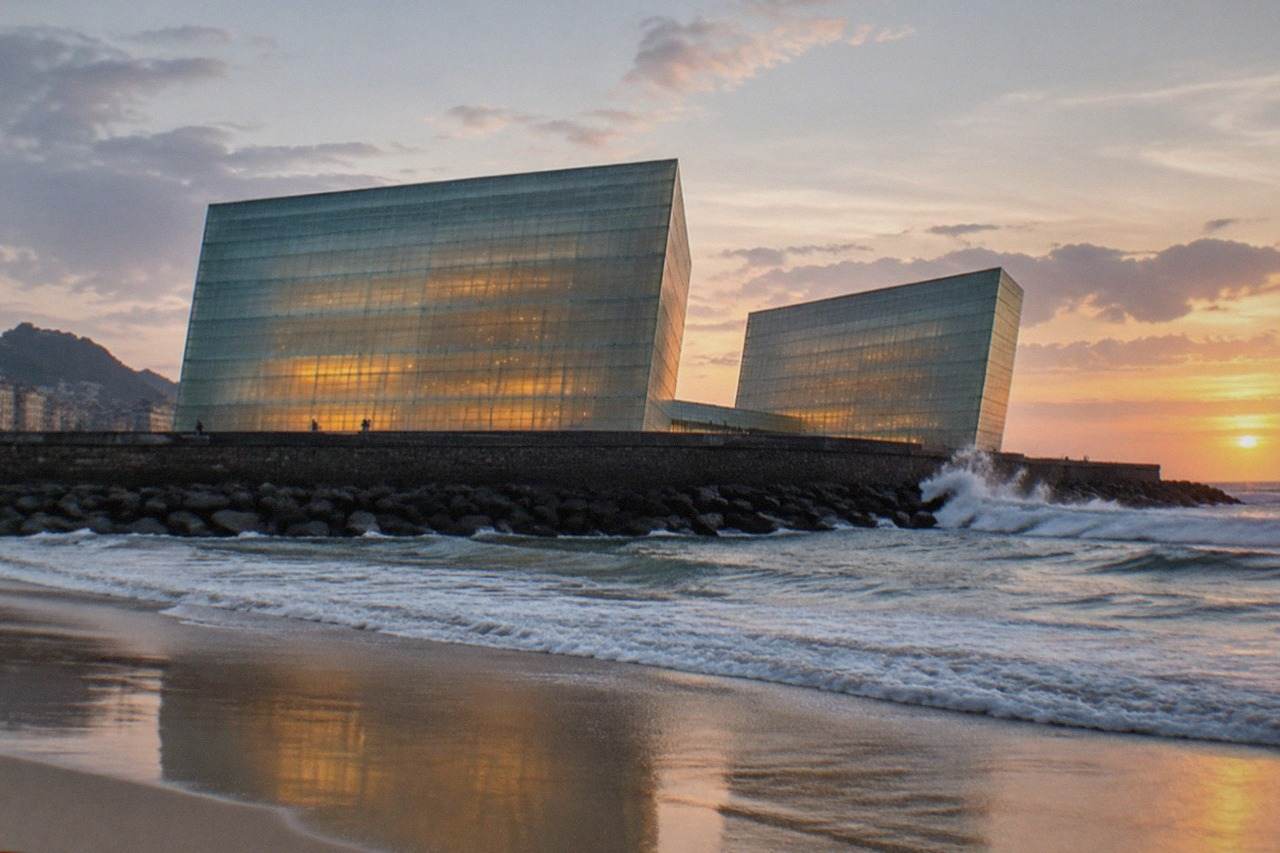
The San Sebastián International Film Festival is held in San Sebastián, the Basque Country city on La Concha bay in the province of Gipuzkoa, Spain, whose official name is Donostia / San Sebastián and whose Basque name, Donostia, is used alone in the local language. Every September the festival turns the whole seafront into a cinema campus, but its headquarters, its red carpet and its biggest premieres all happen in one building at the mouth of the Urumea river. That building is the Kursaal, and if you are planning a trip around the festival, knowing where it stands and how the city is laid out around it decides where you book.
Where Is The San Sebastian Film Festival Held?
The San Sebastián International Film Festival is held in San Sebastián, Basque Country, Spain, and its main venue is the Kursaal Congress Centre and Auditorium, which stands on the right bank of the Urumea river where it meets La Concha bay, beside Zurriola beach. Screenings, galas and the red carpet centre on the Kursaal, while further screenings and events take place at venues across the city centre during the festival's run.
The Kursaal is not tucked away in a cultural district. It sits directly on the seafront at the eastern end of the bay, a two-minute walk from the sand of Zurriola and the Gros neighbourhood, and the walk from the Old Town, the Parte Vieja, crosses the river over the Zurriola bridge. During the festival the area around the building fills with photographers' risers, barriers and big screens, and the sea itself becomes part of the backdrop. The tourism board's festival pages treat the Kursaal as the festival's home, and the festival's 74th edition ran from 18 to 26 September 2026 on that pattern.
The building is easy to find even without an address: from anywhere on La Concha's promenade, look for two translucent glass cubes on the far side of the river mouth. That pair of cubes is the Kursaal, and everything else the festival does fans out from there. The city is compact and walkable, so festival visitors rarely need transport between their hotel, the screenings and dinner, a point covered in more detail on is San Sebastian a walkable city.
What Is The Kursaal And Who Designed It?
The Kursaal is a congress centre and auditorium made of two glass cubes, designed by the Spanish architect Rafael Moneo, whose proposal was chosen in 1990 after six architects were invited to compete. Activity in the building began in the Chamber Hall on 3 June 1999, and the building was officially inaugurated on 23 August 1999. It hosts the film festival, concerts and congresses year round.
The six architects invited to the competition were Botta, Foster, Isozaki, Moneo, Navarro Baldeweg and Luis Peña Ganchegui, and Moneo's scheme won. His design replaced the old Kursaal casino that previously stood on the site, and the two cubes, one holding the main auditorium, now read as one of the city's landmarks. Locals debated the building loudly when it went up, and it is now as much a part of the skyline as Monte Urgull or Santa Clara island. During the festival the main auditorium hosts the galas and the biggest competition screenings.
The Kursaal's own history page records those dates, and the building's position matters as much as its architecture: it faces the open sea, which means the festival's red carpet runs with the Atlantic behind the photographers. For a fuller account of the festival itself, its competitions and its standing, see is the San Sebastian film festival prestigious.
If you want a structured introduction to the city before festival week, these are the tours worth considering:
A guided walk of the centre is the most efficient way to learn the geography that the festival spreads across, and a pintxo crawl in the evening doubles as dinner in the Parte Vieja.
When Does The San Sebastian Film Festival Take Place?
The San Sebastián International Film Festival runs every September. Its 74th edition was held from 18 to 26 September 2026. The festival does not publish next year's dates in advance on the pages this site relies on, so the rule to plan by is simple: expect the festival in the second half of September, and check the festival's own site for the exact dates of the year you travel.
September is a deliberate choice. The weather is still warm, with AEMET's normals for its Igeldo station showing a September mean of 18.0 C and 179 sun hours, and the summer crowds have thinned once the school holidays end. It rains somewhere in the month on about ten days on average, which matters less for a festival than for a beach trip, since most of the programme happens indoors. The La Concha regattas are rowed on the first two Sundays of September, so in some years the bay has oars in the morning and film crews in the evening. The full index of guides sits on San Sebastian Spain Guide.
The dates also sit inside the city's wider cultural calendar. Quincena Musical's 87th edition ran from 2 to 30 August 2026, so the classical festival finishes just before the film festival begins, and the Behobia-San Sebastián race, its 61st edition on 8 November 2026, comes after it. If you are weighing a September trip against other months, the month-by-month breakdown in how long does the San Sebastian festival last and the general guide to San Sebastian festivals cover the rest of the year.
Can You Attend The Festival As A Visitor?
Yes, the San Sebastián International Film Festival is open to the public, not only to industry guests. Tickets for individual screenings go on sale to the public during the festival, and many events, including open-air screenings and appearances on the seafront around the Kursaal, can be watched without a ticket at all. Visitors book the same hotels and eat in the same pintxo bars as the film crews.
Festival accreditation exists for press and industry, but the ordinary visitor simply buys screening tickets or enjoys the free spectacle. The red carpet arrivals at the Kursaal draw crowds on the seafront, and star-spotting around the city is part of the fun, a subject explored in where do celebrities stay in San Sebastian. The festival also programmes events beyond the main building, so even visitors without a single ticket see the city change for nine days.
The practical advice is to book accommodation early. September is already a strong month for the city's hotels, and festival week adds industry visitors on top of the usual tourists. The question of how many days to give the city, festival or not, is answered in is 4 days in San Sebastian too much.
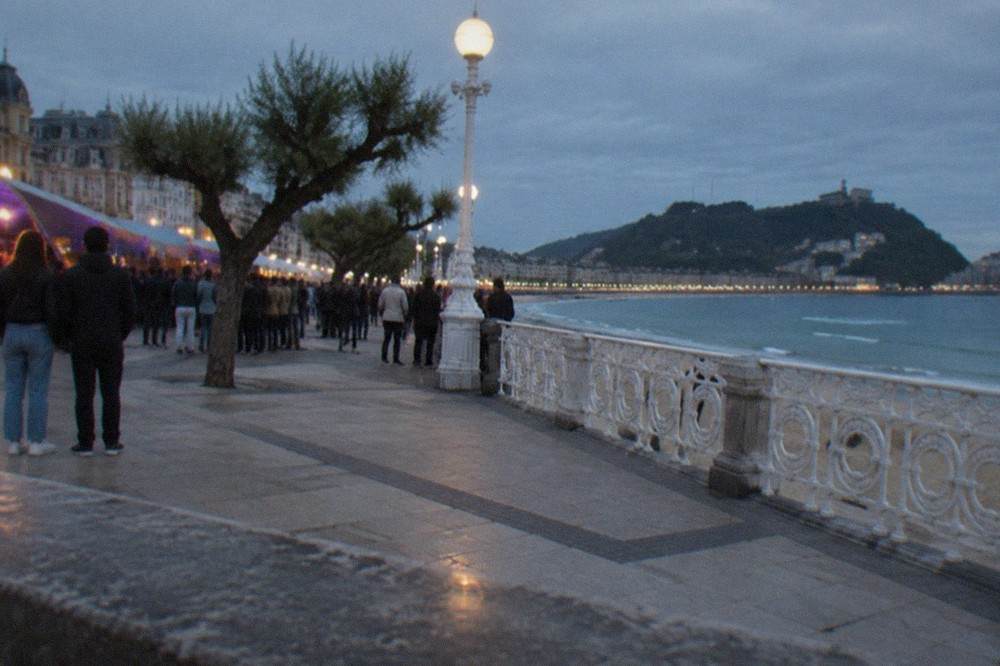
Between screenings, the Old Town is a short walk from the Kursaal, and an evening pintxo crawl is a popular way to end the day after the last session. One option that fits festival week well:
You can also Check availability directly with the operator's live listing.
What Else Is On In San Sebastian Around Festival Time?
The film festival shares the city's calendar with several fixed events. Tamborrada falls on 20 January every year, the Santo Tomás fair on 21 December, Semana Grande always runs the week of 15 August, Saturday to Saturday, and the La Concha regattas are rowed on the first two Sundays of September, first held in 1879. Jazzaldia held its 61st edition in 2026.
The table below shows the annual rules that let you place the film festival inside the city's year. The dates that repeat on a fixed rule are safe to plan around; anything that changes each year needs the organiser's own site.
| Event | Rule or 2026 edition | When it happens |
|---|---|---|
| Tamborrada | 20 January every year | Midwinter drumming festival across the city |
| Quincena Musical | 87th edition, 2 to 30 August 2026 | Classical music festival |
| Semana Grande (Aste Nagusia) | Always the week of 15 August, Saturday to Saturday | Includes the International Fireworks Competition |
| La Concha regattas | First two Sundays of September, women 11:00, men 12:00 | Rowing on the bay, first held 1879 |
| Film festival | 74th edition, 18 to 26 September 2026 | Headquarters at the Kursaal |
| Behobia-San Sebastián race | 61st edition, 8 November 2026 | Running race from the French border |
| Santo Tomás fair | 21 December every year | Basque rural fair and street stalls |
September visitors therefore get the regattas and the film festival in the same fortnight, with the bay's rowing tradition finishing on the water while the festival runs on the shore. The full story of the festival's history and programme is in the San Sebastian film festival guide, and the wider calendar, including Jazzaldia and Carnival, is in the festivals guide linked above.
For trips built around food rather than film, the same week works well: the txotx cider season runs from the middle of January to the end of April, so it is finished by September, but the cider houses of Astigarraga still serve their house menus year round. These are the tours that fit a September stay:
Common Questions About The San Sebastian Film Festival
Where is the San Sebastián film festival held?
Its main venue is the Kursaal Congress Centre and Auditorium, on the right bank of the Urumea river beside Zurriola beach in San Sebastián, with further screenings and events at venues across the city centre.
Who designed the Kursaal building?
Rafael Moneo, whose proposal was chosen in 1990 from six invited architects: Botta, Foster, Isozaki, Moneo, Navarro Baldeweg and Peña Ganchegui. The building was inaugurated on 23 August 1999.
When does the festival take place each year?
Every September. The 74th edition ran from 18 to 26 September 2026. Check the festival's own site for the exact dates of the year you travel.
Can you buy tickets as an ordinary visitor?
Yes. Individual screening tickets go on sale to the public during the festival, and the seafront events around the Kursaal, including red carpet arrivals, can be watched without a ticket.
Is the festival the only big event in September?
No. The La Concha regattas are rowed on the first two Sundays of September, women at 11:00 and men at 12:00, a tradition first held in 1879, so the bay is busy before the festival even opens.
How far is the Kursaal from the Old Town?
The Kursaal stands at the mouth of the Urumea river, and the Old Town, the Parte Vieja, lies just across the water on the other bank, a short walk over the Zurriola bridge.
Whether you come for the premieres or just for the atmosphere the festival brings to the bay, the city makes it easy: one building, one bridge, and the whole programme within walking distance.