Is The San Sebastian Film Festival Prestigious?
Yes: the San Sebastián International Film Festival is one of Europe's longest-running and most respected film festivals. Here is what the record shows, and what it means for a visit.
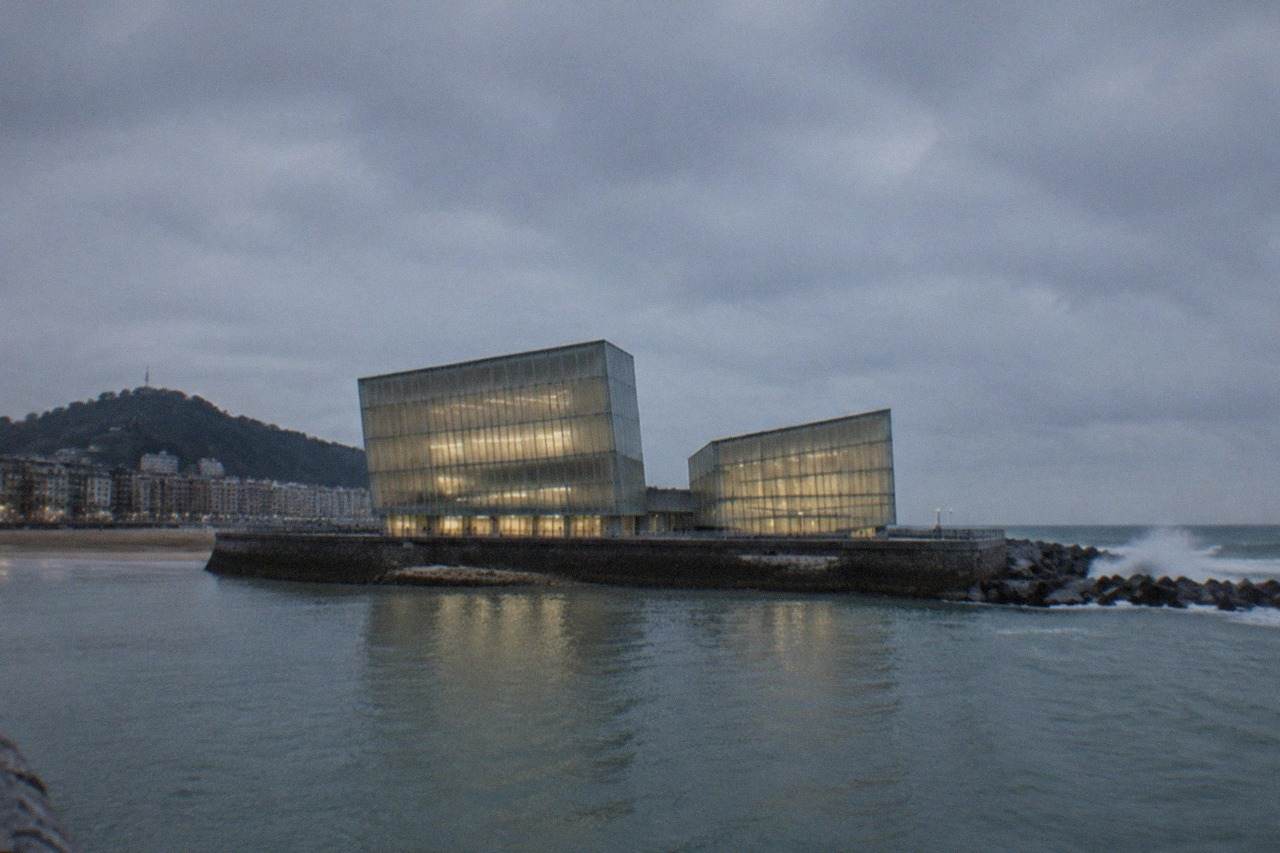
The San Sebastián International Film Festival, held each September in San Sebastián, the Basque city on La Concha bay whose official name is Donostia / San Sebastián, is one of the oldest and most respected film festivals in Europe. Its 74th edition ran from 18 to 26 September 2026, and its main venue, the Kursaal, sits directly beside the river mouth between the Gros and Centro districts. Prestige is a word that gets used loosely in travel writing, so this page sticks to what the record shows: the festival's age, its competitive status, the venue built for it, and what the week actually does to the city a visitor walks around.
Is The San Sebastian Film Festival Prestigious?
Yes, the San Sebastián International Film Festival is genuinely prestigious: it is one of Europe's longest-running competitive film festivals, it awards one of the continent's oldest top prizes, the Golden Shell, and its 74th edition was held from 18 to 26 September 2026. The festival has run in the city for more than seventy consecutive editions, and its main competition screenings take place in the Kursaal, a building designed by Rafael Moneo and inaugurated in 1999.
The festival's standing rests on longevity and continuity rather than on glamour alone. It has reached a 74th edition, which makes it one of the oldest festivals in Europe still running, and it has kept its competitive structure, with a jury awarding the Golden Shell, the Concha de Oro, to the best film in the official selection. The 74th edition in 2026 is the number the festival's own site publishes, and the arithmetic behind that number is itself the argument: an event does not reach a 74th edition without an unbroken institutional base.
The city it happens in reinforces the point. San Sebastián was a European Capital of Culture in 2016, shared with Wrocław, and the film festival is the largest single cultural event on its annual calendar. The festival's centre of gravity is the Kursaal, whose history the venue's own site records in detail: six architects were invited to propose designs, among them Botta, Foster, Isozaki, Moneo, Navarro Baldeweg and Luis Peña Ganchegui, Rafael Moneo's proposal was chosen in 1990, activity began in the Chamber Hall on 3 June 1999, and the building was officially inaugurated on 23 August 1999. A purpose-built festival palace by a Pritzker-winning architect is not a vanity project; it is a permanent statement that the city treats cinema as civic infrastructure.
For a fuller treatment of the event itself, the site's San Sebastian film festival guide covers the programme, the venues and the practicalities of festival week, and the question of where the San Sebastian film festival is held is answered in detail on its own page.
What Kind Of Festival Is It, And Who Comes?
The San Sebastián film festival is a competitive international festival, not a trade show or a fan convention: its core is the official selection, from which a jury awards the Golden Shell, and its 74th edition in 2026 ran for nine days, from 18 to 26 September. The festival's own site and the official tourism board both publish the edition and the dates, and the city's hotel statistics show the effect, with September 2025 recording 216,759 hotel overnight stays in the city.
That September figure comes from the INE hotel occupancy series for the tourist point Donostia-San Sebastián, which covers hotels only, and it places September among the busiest months of the year, above May and just below the July and August peak. A festival that fills hotel rooms nine days after the beach season ends is, by any measure the city's statisticians use, a major event.
The table below gathers the festival's key facts as the primary sources state them.
| Fact | Detail | Source basis |
|---|---|---|
| Full name | San Sebastián International Film Festival (Zinemaldia) | Festival's own site |
| 2026 edition | 74th, held 18 to 26 September 2026 | Festival's own site |
| Top prize | Golden Shell (Concha de Oro), awarded by jury to the official selection | Festival's own site |
| Main venue | Kursaal, beside the Urumea river mouth | Kursaal's own history page |
| Venue architect | Rafael Moneo, chosen in 1990 from six invited proposals | Kursaal's own history page |
| Venue inaugurated | 23 August 1999, first activity 3 June 1999 | Kursaal's own history page |
| City context | European Capital of Culture 2016, shared with Wrocław | European Commission list |
The festival sits inside a city that already carries serious cultural weight. The MICHELIN Guide Spain 2026 counts 11 stars across 6 restaurants inside San Sebastián, and the wider cultural calendar includes Jazzaldia, whose 2026 edition was its 61st, and the Quincena Musical, whose 87th edition ran from 2 to 30 August 2026. Visitors during festival week are arriving in a place with a full autumn season around it, not a resort town out of season.
If the trip lands in September and the festival is the reason, it is worth pairing the screenings with the food the city is known for. A guided way in is a shared pintxo tour with a local, and the question of where locals actually eat is answered on the site's page about the city's most famous food.
Where Is The San Sebastian Film Festival Held?
The festival's main venue is the Kursaal, Rafael Moneo's glass complex beside the Urumea river mouth, officially inaugurated on 23 August 1999, with activity in the building starting on 3 June 1999 in the Chamber Hall. Screenings and events also spread across the city centre, but the Kursaal is the festival's home and its image: two translucent cubes on the seafront that the venue's own history page describes as the result of a 1990 competition between six invited architects.
The Kursaal's location matters more than its architecture for a visitor planning a trip. It stands at the eastern end of La Concha bay, a short walk from the Gros district and Zurriola beach, and directly across the river mouth from the old centre. A festival-goer can walk from a morning screening to the beach, to the Parte Vieja's pintxo bars, and back to an evening premiere without transport. The city's compactness is a real part of the festival's character, and the question of whether San Sebastian is a walkable city is answered on its own page.
The venue's own history page records that Moneo's proposal was chosen in 1990 over designs by Botta, Foster, Isozaki, Navarro Baldeweg and Peña Ganchegui. That competition line is worth repeating because it says something about the city's ambitions at the time: San Sebastián did not commission a shed for screenings, it commissioned a landmark, and it invited the most prominent architects working in Europe to compete for it. Everything else covered here is indexed on San Sebastian Spain Guide.
Does The Festival Change The City For Visitors?
Yes, festival week changes San Sebastián noticeably: hotel demand rises in late September after the summer peak has passed, the city's September 2025 hotel overnight stays stood at 216,759, and the streets around the Kursaal and the Parte Vieja fill with festival-goers, accreditation desks and red-carpet infrastructure. The city's population on the municipal register was 189,866 at 1 January 2025, so a festival audience arriving on top of that base is visible on the pavement, in the bars and in hotel availability.
The practical effects cut both ways. The atmosphere is the reason many people come: premieres, queues of film fans outside the Kursaal, and a city that feels busy in a month when many Spanish coastal destinations empty out. The costs are equally real. Hotel rooms are harder to find in the festival's dates, the most famous pintxo bars in the Parte Vieja are fuller in the evenings, and restaurant tables need more planning than usual. The question of where celebrities stay in San Sebastian gets its own answer elsewhere on this site.
The weather in late September is worth knowing when packing for screenings. AEMET's climate normals for its Igeldo station, the series covering 1981 to 2010, show September averaging 18.0 C with a mean maximum of 21.1 C, 111 mm of rain over about 10 rain days, and 179 sun hours. The station sits at 250 m on Monte Igeldo, so the seafront runs slightly warmer than these values. This is an Atlantic city: it rains in every month, and September is no exception.
| Late-September planning figure | Value | Source |
|---|---|---|
| September mean temperature | 18.0 C | AEMET normals, Igeldo station, 1981 to 2010 |
| September mean maximum | 21.1 C | AEMET normals, Igeldo station |
| September rainfall | 111 mm over about 10 rain days | AEMET normals, Igeldo station |
| September sun hours | 179 | AEMET normals, Igeldo station |
| City population, 1 January 2025 | 189,866 | INE municipal register |
| September 2025 hotel overnight stays | 216,759 | INE hotel occupancy, hotels only |
One seasonal detail matters for anyone extending a festival trip into early October: the beach lifeguard service on all three city beaches runs 1 June to 30 September, and from 16 to 30 September its hours are already cut to 13:30 to 19:30. Santa Clara island's boat service also runs its high season to 30 September. A festival week visit sits at the very end of the beach season, not in the middle of it.
When Does The San Sebastian Film Festival Take Place?
The festival takes place in late September every year: the 74th edition ran from 18 to 26 September 2026, and the event has kept its September slot as a fixed part of the city's calendar. The tourism board lists the festival among the city's annual events alongside Semana Grande, which is always the week of 15 August, Saturday to Saturday, and the La Concha regattas, rowed on the first two Sundays of September. For the dates of any given year, the festival's own site is the place to check.
The September slot is not accidental. It follows the beach season, it precedes the October drop in hotel stays, and it gives the city a headline event in a month when the weather is still warm by northern Spanish standards. The 2026 edition's dates, 18 to 26 September, overlapped with the first of the two La Concha regatta Sundays, 6 and 13 September 2026, only loosely, but the two events together make early-to-mid September the city's densest cultural stretch.
The festival also anchors a wider autumn calendar that a visitor can build a trip around. The Quincena Musical's 87th edition ran from 2 to 30 August 2026, Jazzaldia's 2026 edition was its 61st, and the Behobia-San Sebastián road race holds its 61st edition on 8 November 2026. The site's guide to San Sebastian's festivals puts the whole year in one place, and the broader question of what the festival in San Sebastian Spain 2026 was has its own answer page.
For anyone weighing the festival against the city's other big week, the comparison is between two different animals: Semana Grande is a public street festival with fireworks, held in August, while the film festival is a ticketed international event with an industry audience, held in September. Both fill the city, and how long the San Sebastian festival lasts is answered separately.
Common Questions About The San Sebastian Film Festival
Is the San Sebastian film festival prestigious?
Yes. It is one of Europe's longest-running competitive film festivals, and its 74th edition was held from 18 to 26 September 2026. Its top prize, the Golden Shell, is one of the continent's oldest film awards, and its main venue is the Kursaal, a Rafael Moneo building inaugurated in 1999.
Where is the San Sebastian Film Festival held?
The festival's main venue is the Kursaal, beside the Urumea river mouth at the eastern end of La Concha bay, with screenings and events also spread across the city centre. The building was designed by Rafael Moneo and officially inaugurated on 23 August 1999.
When does the San Sebastian Film Festival take place?
In late September. The 74th edition ran from 18 to 26 September 2026. The festival keeps a September slot each year; check the festival's own site for the dates of the year you plan to visit.
Does the city get busy during the festival?
Yes. September 2025 recorded 216,759 hotel overnight stays in the city, per the INE hotel occupancy series, which counts hotels only. Hotel availability and the busiest Old Town pintxo bars both feel the festival week, so book ahead.
What else is on in San Sebastian around festival time?
The La Concha regattas are rowed on the first two Sundays of September, and the Behobia-San Sebastián race holds its 61st edition on 8 November 2026. The city's broader festival calendar, including Semana Grande in August, is covered in the site's festivals guide.
Is the festival the same event as Semana Grande?
No. Semana Grande, or Aste Nagusia, is a public street festival held in the week of 15 August, Saturday to Saturday, and includes the International Fireworks Competition. The film festival is a separate, ticketed international event held in late September.
The honest summary: the San Sebastián International Film Festival has earned its prestige over more than seventy editions, the city built it a landmark to prove it, and a September visit during festival week pairs a serious cinema programme with a city that is, in the same month, still warm enough for the beach.