Akelarre
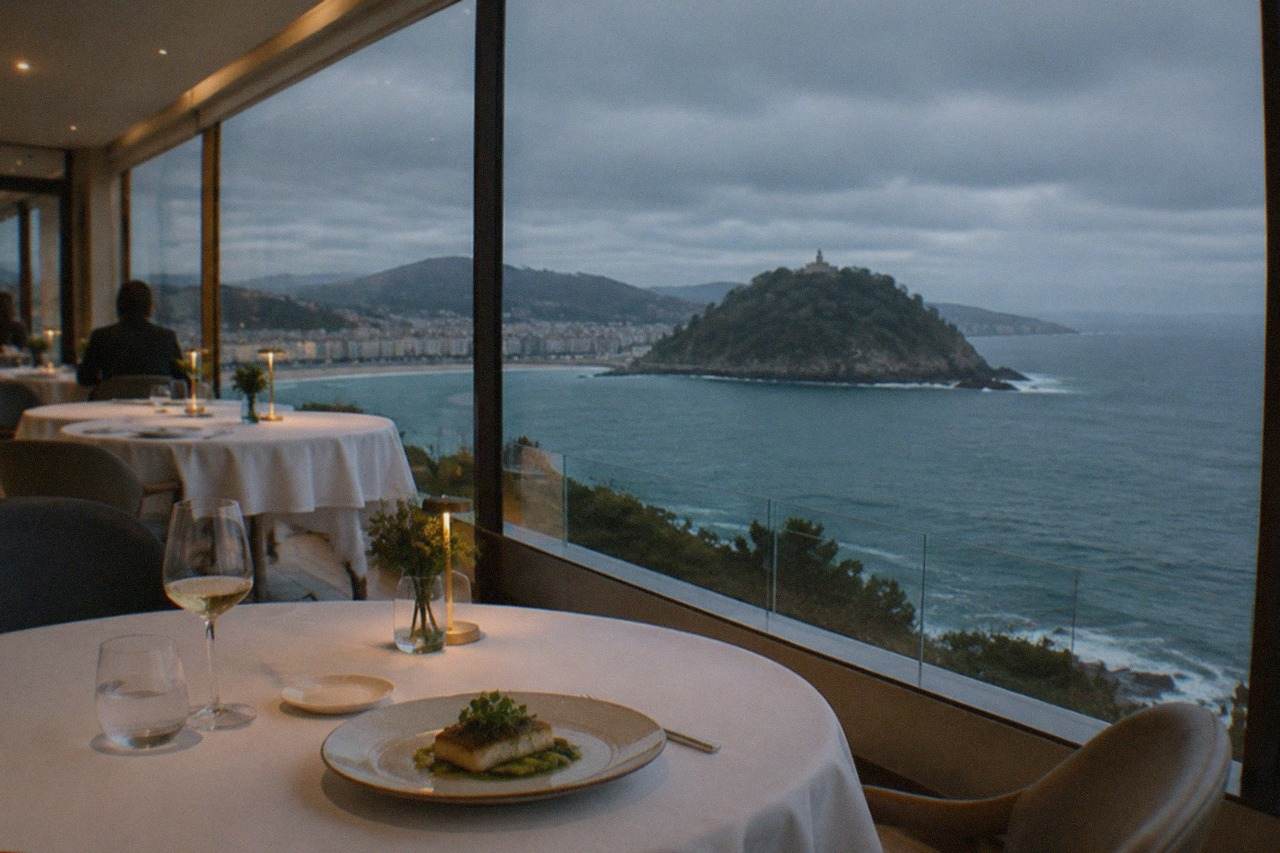
Akelarre holds three Michelin stars inside the city of San Sebastián in the Basque Country, Spain, one of only two three-star houses with a San Sebastián address in the MICHELIN Guide Spain 2026.
Short answer
Akelarre is a three-Michelin-star restaurant in San Sebastián (Donostia), Basque Country, Spain. In the MICHELIN Guide Spain 2026 it is one of six starred restaurants inside the municipality, which together hold 11 stars, and one of only two of those holding three.
Akelarre is a restaurant in San Sebastián, in the Basque Country of Spain, and in the MICHELIN Guide Spain 2026 it holds three stars, one of only two three-star houses whose address is inside the municipality of Donostia / San Sebastián, the city's official name, which locals call Donostia in Basque. That single fact places it at the top of a dining city with few rivals anywhere in Europe. The guide prints the name as Akelaŕe, with the accented r, and this page uses that spelling when it refers to the restaurant in prose.
The city around it explains much of the restaurant's standing. San Sebastián is a city of roughly 189,866 registered residents on La Concha bay, and its food culture runs from counters piled with pintxos, the Basque take on small plates, to a constellation of starred kitchens. If you are planning a trip around a table at Akelaŕe, the practical questions are how the restaurant fits the wider scene, what the Michelin counts actually say, when to go, and what to do with the rest of your days here. This guide works through each of them, and points to the city's other food pages, starting with the San Sebastian Michelin restaurants guide, which covers every starred table in the municipality.
What Is Akelarre And Why Does It Matter?
Akelarre is a three-star restaurant in the MICHELIN Guide Spain 2026, seated inside the municipality of San Sebastián, Basque Country, Spain, and it is one of only two three-star houses in the entire guide that carry a San Sebastián address, the other being Arzak. Inside the city the guide lists six starred restaurants holding 11 stars between them, so Akelaŕe alone accounts for nearly a third of the city's stars.
Three stars in the MICHELIN Guide mean, in the guide's own vocabulary, exceptional cuisine worth a special journey. That is the highest rating the guide gives, and the city of San Sebastián holds two of Spain's three-star tables within its municipal boundaries, an unusually high concentration for a city of well under 200,000 people. The third Basque three-star often mentioned alongside them, Martín Berasategui, is in Lasarte-Oria, a separate municipality in the province of Gipuzkoa, and must not be counted as a San Sebastián restaurant no matter how often lists blur the line.
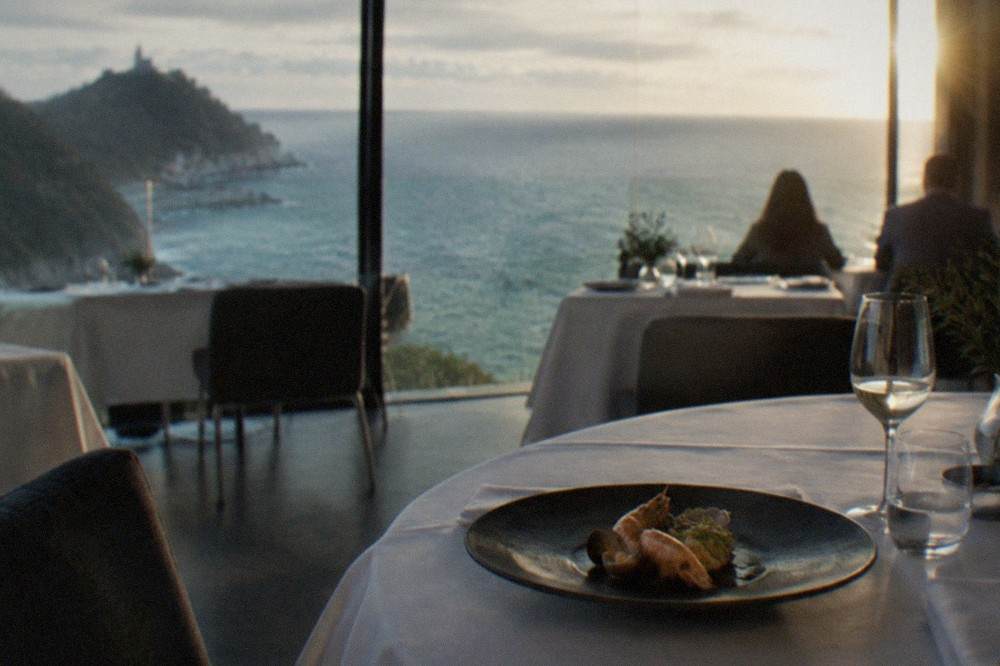
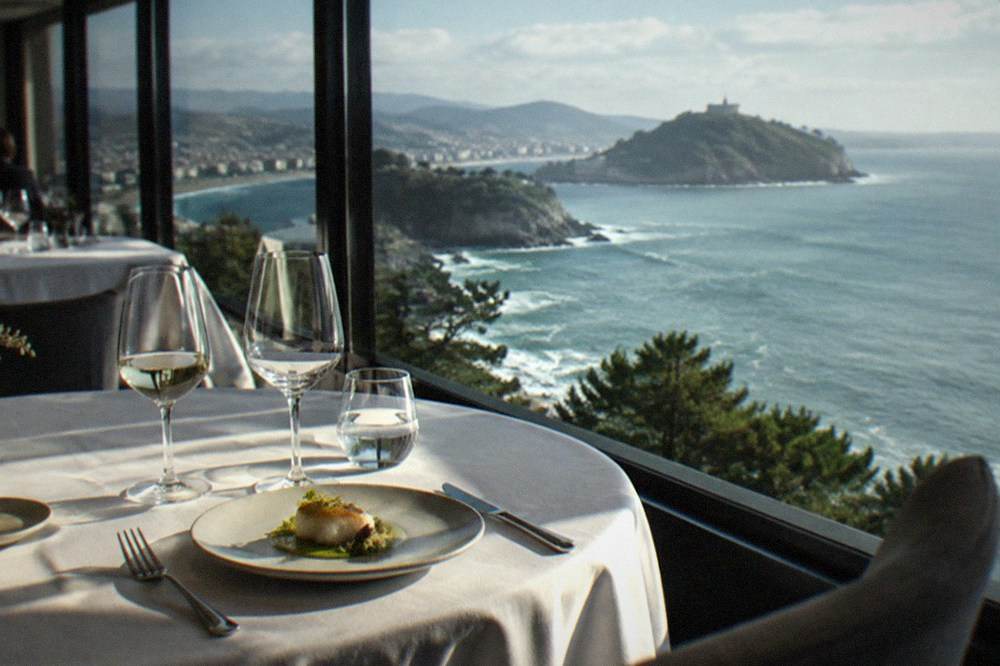
The restaurant's cooking belongs to the Basque tradition of produce-first fine dining: fish and shellfish from the Bay of Biscay, vegetables from the region's market gardens, and techniques drawn from both classic French training and Basque home cooking. The name itself is Basque, and the guide's own list prints it with the accented r, Akelaŕe, the spelling this site follows. What a visitor books is a tasting-menu kitchen at the summit of a city whose food reputation is the main reason many people come here at all, a reputation covered in detail in what San Sebastian is known for.
If you want the full picture of the city's starred dining before committing to one reservation, the table below shows every starred restaurant inside the municipality in the MICHELIN Guide Spain 2026.
| Stars | Restaurant | Address in the guide |
|---|---|---|
| 3 | Akelaŕe | Donostia / San Sebastián |
| 3 | Arzak | Donostia / San Sebastián |
| 2 | Amelia by Paulo Airaudo | Donostia / San Sebastián |
| 1 | iBAi by Paulo Airaudo | Donostia / San Sebastián |
| 1 | Itzuli (new in the 2026 guide) | Donostia / San Sebastián |
| 1 | Kokotxa | Donostia / San Sebastián |
Six restaurants, eleven stars, all inside one municipality. Itzuli is the newest arrival, added in the 2026 edition. The 2027 edition will be announced at a gala on 24 November 2026, so treat every count here as belonging to the 2026 edition by name.
A starred dinner is usually a late-evening affair in Spain, which leaves a whole day to fill beforehand. A guided walk of the historic centre is one of the better ways to use it, and the city's walking options are covered on the San Sebastian walking tours page.
How Many Michelin Stars Does San Sebastian Have?
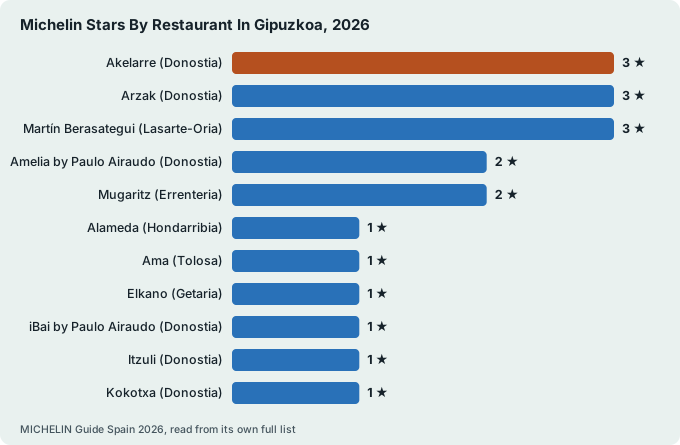
Inside the municipality, the MICHELIN Guide Spain 2026 lists six starred restaurants holding 11 stars: two three-star houses (Akelaŕe and Arzak), one two-star (Amelia by Paulo Airaudo) and three one-stars (iBAi by Paulo Airaudo, Itzuli and Kokotxa). The wider province of Gipuzkoa holds 19 stars across 11 restaurants, a figure that includes tables in Lasarte-Oria, Errenteria, Getaria, Hondarribia and Tolosa.
The distinction between city and province matters more here than almost anywhere else in Spain, because the region's starred tables cluster in small towns around the city and lazy write-ups constantly promote them into San Sebastián. Martín Berasategui's three stars sit in Lasarte-Oria. Mugaritz's two sit in Errenteria. Elkano's single star is in Getaria, the fishing town on the coast, and Alameda's is in Hondarribia, by the airport. Ama, also one star, is in Tolosa. None of those addresses is inside the municipality, however close they feel on a map.
Here is the province-level table, so the city list above and the provincial list below never blur into each other.
| Stars | Restaurant | Town |
|---|---|---|
| 3 | Akelaŕe | Donostia / San Sebastián |
| 3 | Arzak | Donostia / San Sebastián |
| 3 | Martín Berasategui | Lasarte-Oria |
| 2 | Amelia by Paulo Airaudo | Donostia / San Sebastián |
| 2 | Mugaritz | Errenteria |
| 1 | iBAi by Paulo Airaudo | Donostia / San Sebastián |
| 1 | Itzuli | Donostia / San Sebastián |
| 1 | Kokotxa | Donostia / San Sebastián |
| 1 | Elkano | Getaria |
| 1 | Alameda | Hondarribia |
| 1 | Ama | Tolosa |
The tourism board publishes the same provincial totals, 19 stars across 11 restaurants, which is a useful cross-check. For a diner based in the city, the practical reading is this: you can eat at a starred table inside San Sebastián every night of a week without repeating a kitchen, and you can reach several more, including two of the world's most discussed restaurants, by short trips out. The best restaurants in San Sebastian guide covers the non-starred end of that spectrum, which in this city is not a consolation prize.
When Is The Best Time To Visit San Sebastian For A Booked Dinner?
The sweet spot for combining a reservation like Akelaŕe with usable beach weather is June or September: AEMET's normals for its Igeldo station show June at a mean of 16.9 C with 90 mm of rain and September at 18.0 C with 111 mm, both quieter than the August peak. August is the warmest month at 19.5 C mean but also the busiest, with 245,769 hotel overnight stays recorded in the city in August 2025, the year's peak.
That August figure comes from the INE hotel occupancy survey for the tourist point Donostia-San Sebastián, and it covers hotels only. August holds a little over twice January's overnight stays, and July and August together account for 22 percent of the year's hotel nights. Anyone booking a starred table in high summer is competing with the Semana Grande festival crowd, since the festival always runs the week of 15 August, Saturday to Saturday, and in 2026 it ran 8 to 15 August.
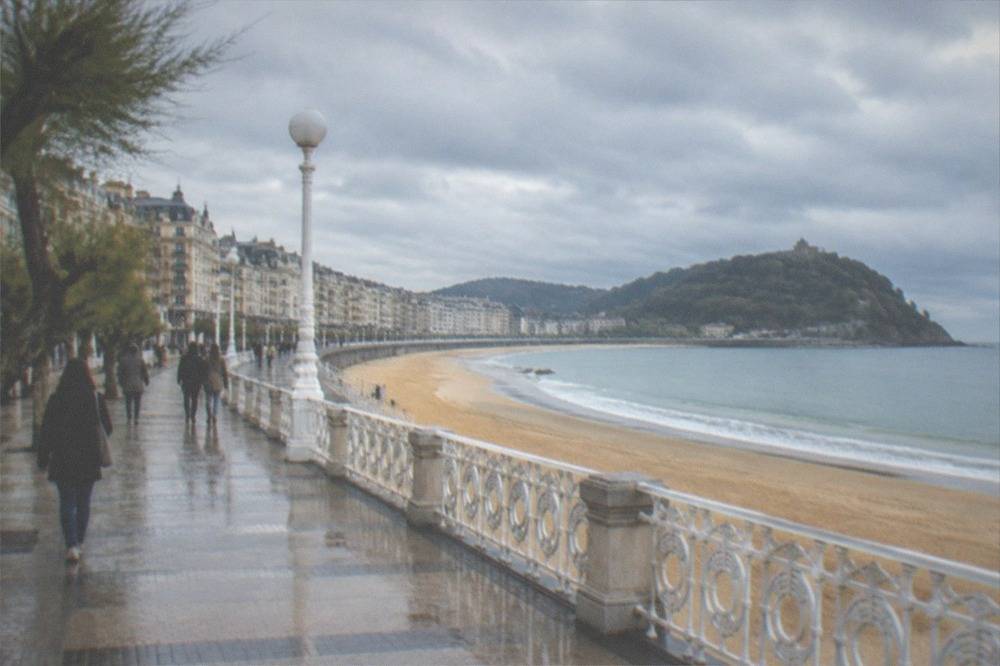
The climate table deserves an honest reading before anyone packs for a celebration trip. This is a wet Atlantic city: AEMET's Igeldo station records 1,507 mm of rain a year over 141 rain days, and even July, the driest month, averages 86 mm over about 10 days with rain. No month averages under 86 mm. November is the wettest at 169 mm. The station sits 250 m up on Monte Igueldo, so the seafront runs slightly warmer than these values, but the pattern holds.
| Month | Mean C | Rain mm | Rain days 1 mm+ | Sun hours |
|---|---|---|---|---|
| May | 14.4 | 120 | 12.2 | 181 |
| Jun | 16.9 | 90 | 10.6 | 189 |
| Jul | 18.9 | 86 | 9.8 | 196 |
| Aug | 19.5 | 117 | 10.5 | 190 |
| Sep | 18.0 | 111 | 10.1 | 179 |
| Oct | 15.5 | 159 | 11.8 | 140 |
Note the detail most guides miss: August (117 mm) is wetter than June (90 mm), July (86 mm) or September (111 mm). Warmest does not mean driest here. The month-by-month trade-off between crowds, rain and temperature is worked through in the best time to visit San Sebastian guide, and the fuller weather picture, including the winter months, sits on San Sebastian weather.
A booked dinner is one evening of a trip, and the city's everyday eating is the reason many travellers come in the first place. The pintxo counters of the Old Town are covered in pintxos in San Sebastian, and the small-plate format itself is explained in what are pintxos.
How Expensive Is A Trip Built Around A Starred Dinner?
Akelarre sits at the top of a city that is genuinely expensive by Spanish standards, but the cost of a trip around it is highly variable because the city's everyday eating is cheap by fine-dining standards: pintxo bars, market produce and cider houses let a visitor eat extremely well for a fraction of a tasting menu. No menu price for any starred restaurant in the city is published on this site, so check the restaurant's own channel for the current menu and booking terms.
The honest budget picture for the rest of the trip is easier to state. A dBus city journey costs 1.95 EUR paid in cash to the driver, with a 2.65 EUR night ticket, and cash payment does not allow free transfers. The MUGI card system covers city buses, regional buses and Euskotren with fares set by zone jumps, and the MUGI tariff gives 0.78 EUR for an urban trip on an anonymous card against the 1.95 EUR occasional fare. The Monte Igueldo funicular, a separate outing, lists a 5.50 EUR adult return ticket that includes entry to the grounds. Other pages covering the same trip are gathered on San Sebastian Spain Guide.
One cost that does not exist yet is the tourist tax. Norma Foral 3/2026 of Gipuzkoa takes effect on 1 January 2027, and before that date no visitor pays anything. When it does apply, the law sets bands per person per night, with at most 6 nights charged per stay and under 18s exempt, and each council picks its own rate inside the bands. The city of San Sebastián's own rate is not published on any official page this site could verify, so never trust a number printed for it elsewhere. Until the law is live, your hotel bill carries no tourist tax at all.
| Everyday cost in the city | Figure | Source of the figure |
|---|---|---|
| dBus city bus, cash occasional ticket | 1.95 EUR | dBus fare page |
| dBus night ticket | 2.65 EUR | dBus fare page |
| MUGI anonymous card, urban trip | 0.78 EUR | MUGI tariff table |
| Monte Igueldo funicular, adult return | 5.50 EUR | Monte Igueldo's own site |
| Monte Igueldo grounds entry on foot or by vehicle | 3.00 EUR | Monte Igueldo's own site |
| Tourist tax before 1 January 2027 | Not charged | Norma Foral 3/2026, Gipuzkoa |
The wider cost question, accommodation especially, is handled in is San Sebastian expensive. What can be said here is structural: the city lets you spend at the very top for one evening and very little for the days around it, which is not true of every fine-dining destination.
What Should You Do With The Rest Of Your Days In San Sebastian?
A trip built around a starred dinner fills easily: the city has La Concha beach at 1,350 m of sand, Monte Urgull's walled hill between the old port and the sea, Monte Igueldo's 1912 funicular above the bay, and Santa Clara Island a short boat ride from the harbour, with the island boat's high season running 1 June to 30 September. Three days is a comfortable minimum, and the standard advice is to keep the Old Town walkable from wherever you stay.
The three beaches are the city's free daily pleasure. La Concha runs 1,350 m with a mean width of 40 m, and the council notes the tide often limits its usable area. Ondarreta, at the west end, runs 600 m by 100 m, and the walk to the Peine del Viento, Eduardo Chillida's three steel sculptures on the rocks, starts from its west end. Zurriola, facing the open sea, runs 800 m by 110 m and the council describes a strong swell, which is why the surf schools sit there rather than in the bay. Lifeguards cover all three beaches from 1 June to 30 September only.
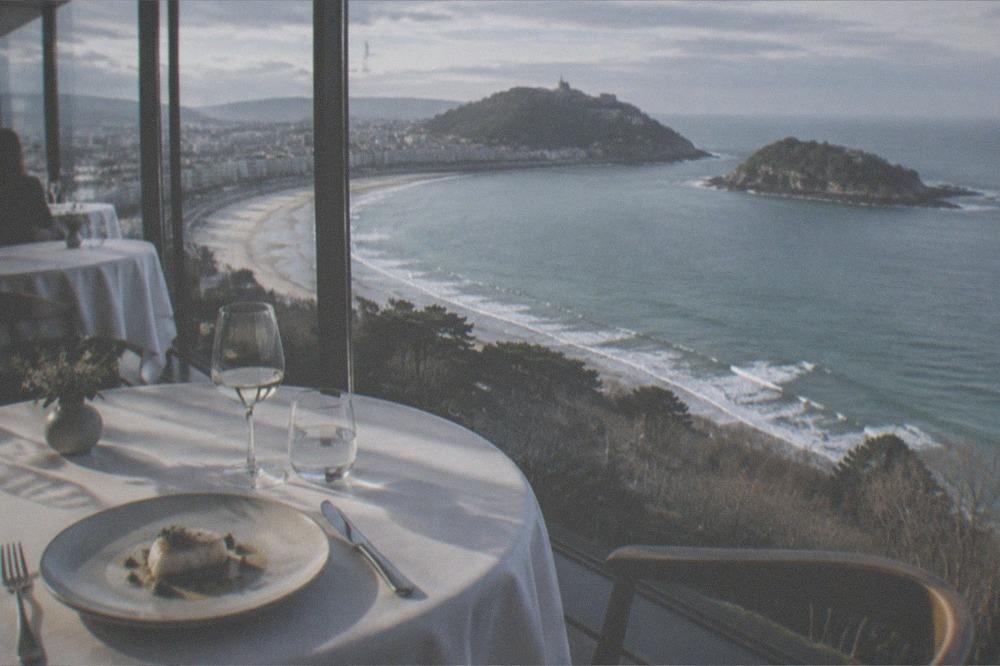
The hills frame the bay on both sides. Monte Urgull keeps access hours because it closes at night: 08:00 to 21:00 from 1 May to 30 September, and 08:00 to 19:30 from 1 October to 30 April, with the Casa de la Historia in the Castillo de la Mota at its summit. Monte Igueldo's funicular opened on 25 August 1912 and normally runs every 15 minutes, but note the operator's own home page states that downhill-only tickets are not on sale, so ride up and down or walk both ways. The island boat, run by Motoras de la Isla, sails its red line direct to Santa Clara every 30 minutes in high season, weather permitting, with a 5 EUR return fare, and Hondalea, the Cristina Iglesias work in the island's lighthouse, is free to visit in half-hour sessions from 1 June to 30 September, no booking needed for the visit itself.
For a fuller plan, how many days in San Sebastian works through the pacing, and the full list of options lives on things to do in San Sebastian.
A guided walk of the historic centre pairs naturally with a dinner reservation: it fills the afternoon, teaches the layout of the Parte Vieja, and ends with hours to spare before Spanish dinner service. If you would rather move faster, the San Sebastian bike tours guide covers the flat bay-side rides.
What Wine Should You Drink Around A Basque Tasting Menu?
The local answer is txakoli, the lightly sparkling white wine of the Basque coast, poured traditionally from a height so the stream hits the glass and aerates, and it is the wine most tied to the region's fish cooking. Beyond it, a starred cellar in San Sebastián reaches across Rioja and beyond, and a wine-focused day trip to the Rioja region or the txakoli bodegas of Getaria is a common companion to a food-centred stay.
Txakoli is a young, high-acidity white made mostly from the Hondarribia Zuri grape along this coast, and the fishing town of Getaria, a short trip west, is its heartland. The cider tradition is the other local pillar: the txotx season, when cider houses throw open their barrels, runs from the middle of January to the end of April by the tourism board's rule, with a ritual pour straight from the barrel and a fixed menu built around a thick grilled txuleta steak. Both traditions are covered on this site in txakoli and in the cider house guide.
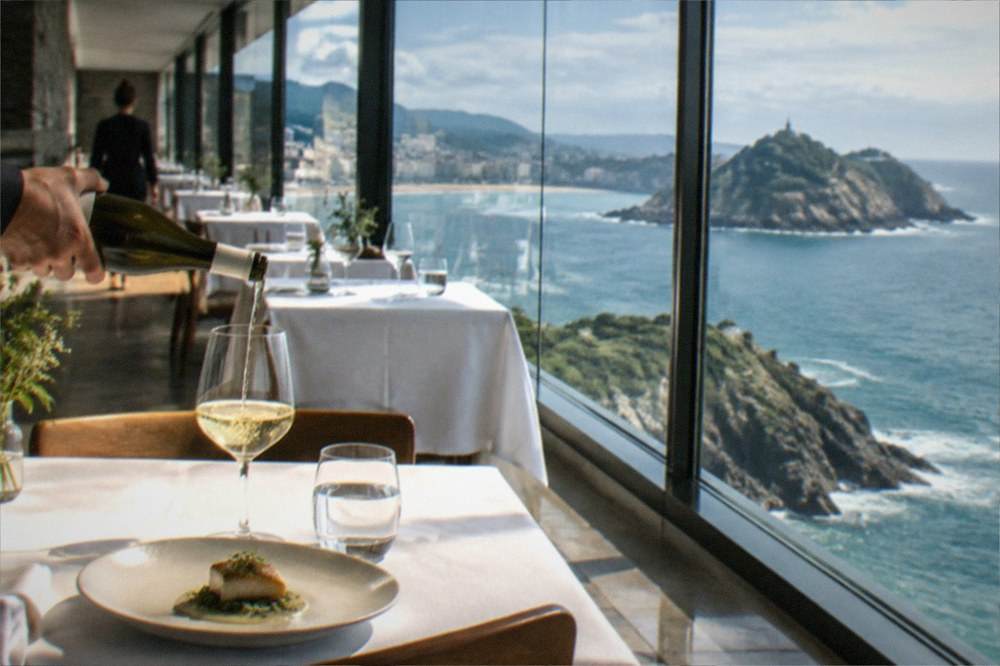
For travellers who want the wine country as a day of its own, two options stand out from the tour roster. A full-day Rioja trip with winery visits and the walled town of Laguardia runs from the city's bus station, and a half-day txakoli trip to Getaria includes hotel pickup. Both are listed below with the historic-centre walk.
The pairing question at a starred table is best answered by the restaurant's own sommelier team, and this site publishes no menu or pairing price for any of the city's starred kitchens. What can be said is regional: the Basque Country's cellars are deep in Rioja, in old whites from the coast, and in the cider that the region treats as a serious drink rather than a novelty.
Is Akelarre Worth Building A Trip Around?
For travellers who care about food, yes: a three-star table inside a city that also holds Arzak's three stars, a two-star, three one-stars and the densest pintxo culture in Spain justifies the journey on its own, and the city around it, beaches, hills, island and Old Town, carries the rest of a week. The honest caveats are the rain, which falls on roughly 10 days even in the driest month, the August crowds, and the planning discipline a starred booking demands.
The comparison the city invites is with the other two Basque three-star destinations, and the geography is the thing to hold on to: Martín Berasategui is a short trip out to Lasarte-Oria, Mugaritz in Errenteria is another, and Elkano in Getaria does whole roast turbot in a fishing port. A food-focused itinerary can thread several of these into one stay, using the city as the base, which is exactly what most serious food travellers do here. The day trips from San Sebastian guide lays out the routes.
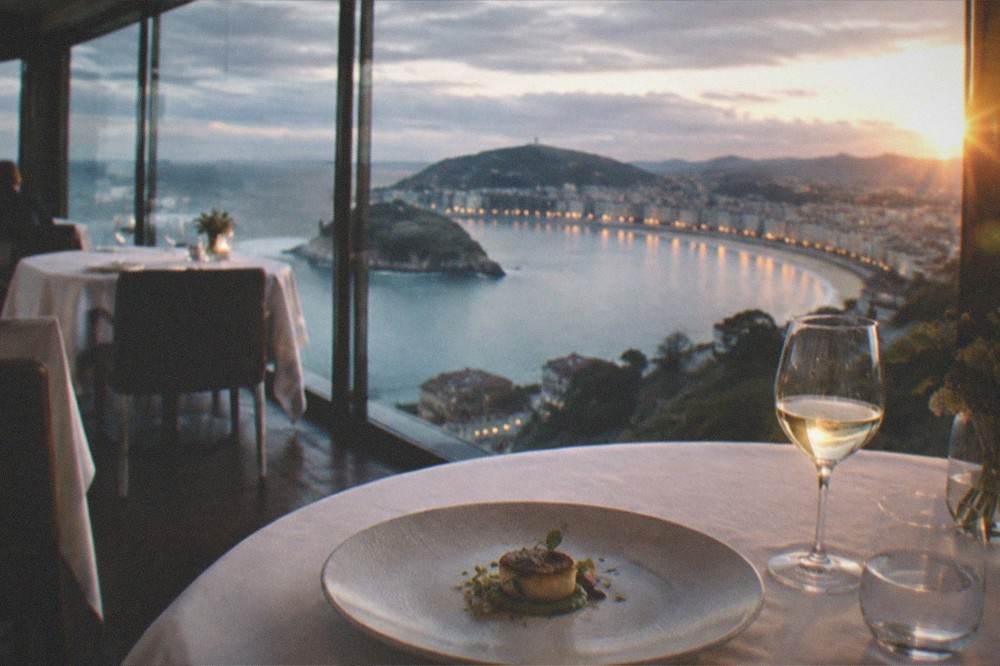
The planning rules that matter are simple. Book the starred table first and build the trip around it, because the city's hotel supply tightens badly in August, when the INE survey shows hotel overnight stays peaking at 245,769 for the month. Expect rain on some days whatever the month, and pack so that a wet afternoon does not ruin the trip, a topic with its own page in the rainy day guide to San Sebastian. And leave room in the budget and the evenings for the counters, because a week of pintxos in the Parte Vieja is the other half of what this city does at world level, as the Anthony Bourdain guide to San Sebastián records through the visits that made the city famous far beyond Spain.
Common Questions About Akelarre In San Sebastian
How many Michelin stars does Akelarre have?
Akelarre holds three stars in the MICHELIN Guide Spain 2026, making it one of only two three-star restaurants with an address inside the municipality of San Sebastián, the other being Arzak.
Is Akelarre in San Sebastian or outside it?
The MICHELIN Guide Spain 2026 lists Akelaŕe with a Donostia / San Sebastián address, so it counts among the six starred restaurants inside the municipality. Martín Berasategui, by contrast, is in Lasarte-Oria and Mugaritz is in Errenteria, both separate municipalities in Gipuzkoa.
How many Michelin-starred restaurants are there in San Sebastian?
Inside the municipality the MICHELIN Guide Spain 2026 lists six starred restaurants holding 11 stars: Akelaŕe with three, Arzak with three, Amelia by Paulo Airaudo with two, and iBAi by Paulo Airaudo, Itzuli and Kokotxa with one each. The province of Gipuzkoa holds 19 stars across 11 restaurants.
What is the best month to visit San Sebastian for a booked dinner?
June and September balance weather and crowds best: AEMET's Igeldo normals show June at a 16.9 C mean with 90 mm of rain and September at 18.0 C with 111 mm, while August, the warmest month at 19.5 C, is also the busiest, with 245,769 hotel overnight stays recorded in August 2025.
Does it rain a lot in San Sebastian?
Yes. AEMET's Igeldo station records 1,507 mm of rain a year over 141 rain days, and even July, the driest month, averages 86 mm. November is the wettest at 169 mm. No month averages under 86 mm.
Is there a tourist tax in San Sebastian?
Not before 1 January 2027. Norma Foral 3/2026 of Gipuzkoa takes effect on that date and sets per-night bands by accommodation type, with at most 6 nights charged per stay and under 18s exempt. The city council's own rate inside those bands is not yet published on an official page, so no figure for it can be trusted yet.
A booked table at Akelaŕe is the anchor of a trip, not the whole of it, and the city around it, from La Concha's 1,350 m of sand to the pintxo counters of the Parte Vieja, is what turns one dinner into a week worth taking.