San Sebastian Bike And E-Bike Tours
San Sebastián, whose Basque name is Donostia, is a compact bayside city where a bike tour covers the whole waterfront in a single flat ride, and this guide compares every guided, small-group and e-bike option.
Short answer
The best bike tour in San Sebastián for most visitors is the small-group electric bike tour: it covers the bike-lane network in a small group, the terrain is flat end to end, and the bay, both main beaches and the Peine del Viento all sit on one continuous seafront path.
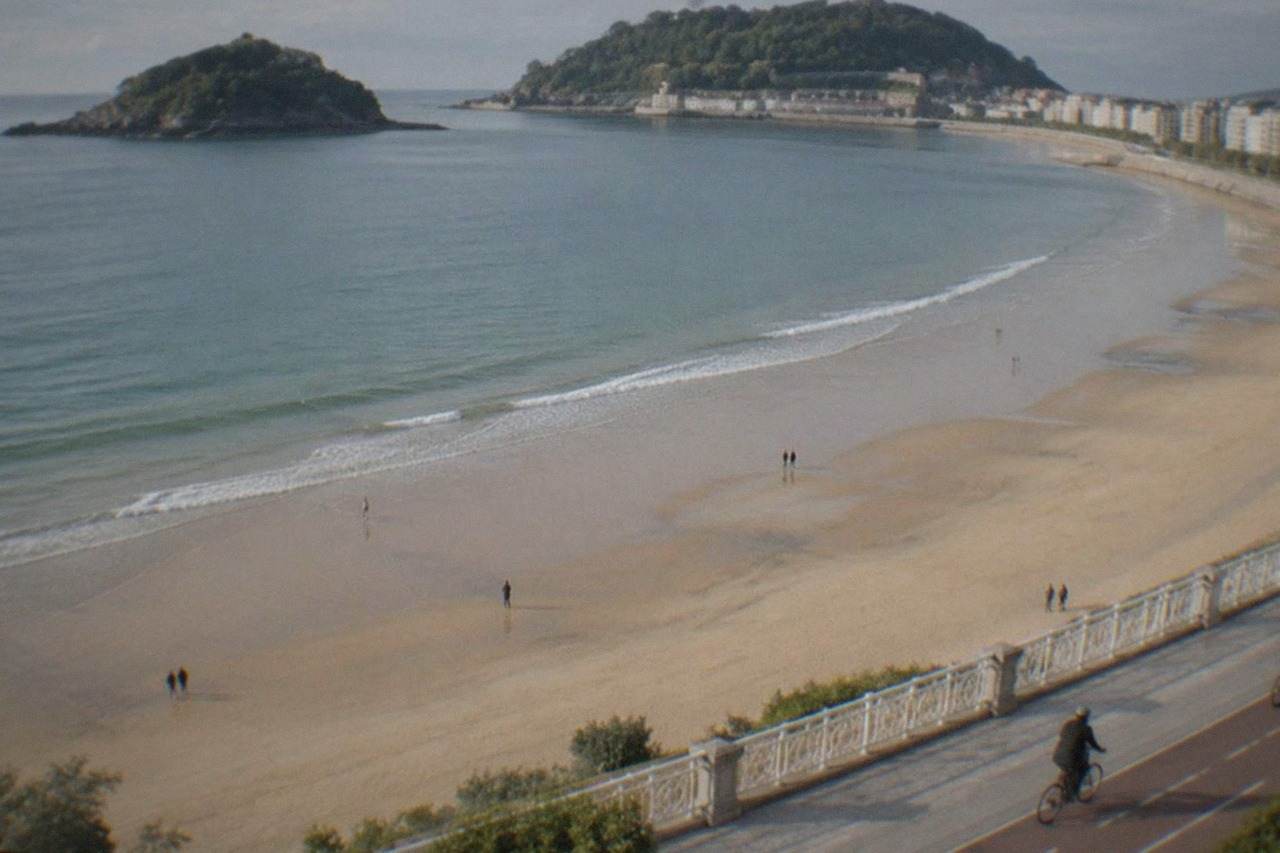
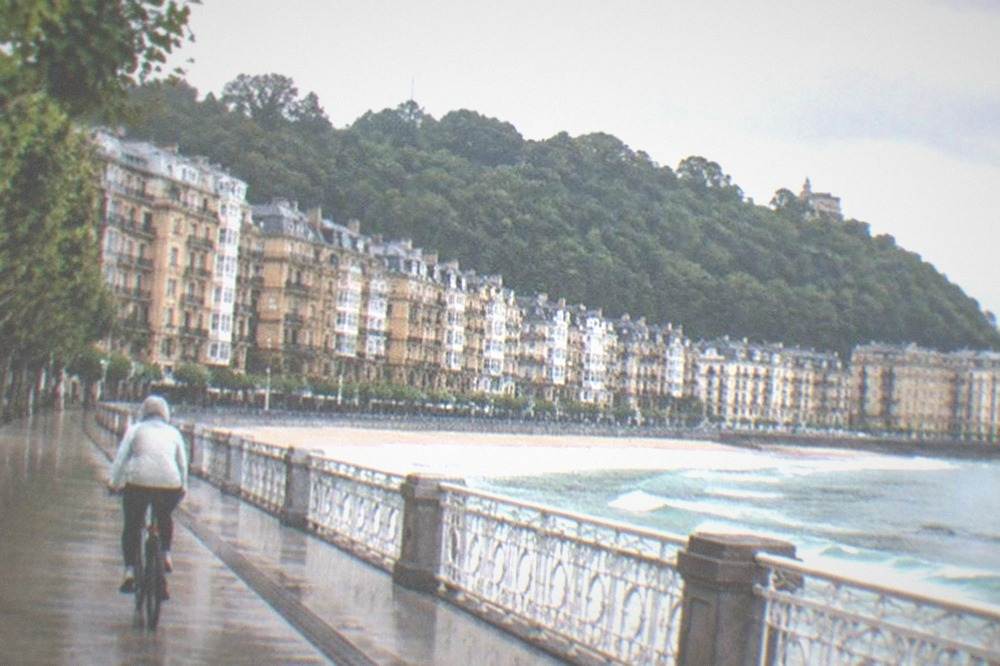
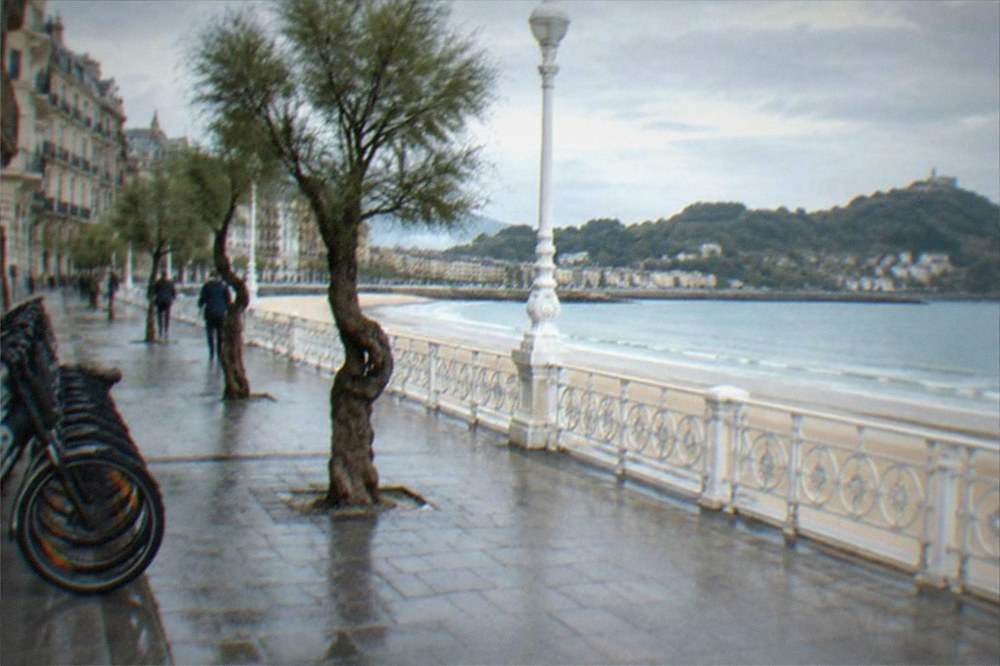
San Sebastián, known in Basque as Donostia, is one of the easiest cycling cities in Spain, and a San Sebastián bike tour is the fastest way to understand why. The city holds its whole seafront on one continuous flat line: La Concha at 1,350 metres, Ondarreta at 600 metres and Zurriola at 800 metres, all three linked by promenade and bike lane, with Monte Urgull and the Peine del Viento at either end. The council's own beach pages describe the bay as sandy and shallow and Zurriola as open with a strong swell, and the flat ground between them means a bicycle is not a novelty here, it is a genuine way to get around.
This guide compares the bike and e-bike tours you can actually book, explains what the weather does to a ride at different times of year, and sets out the routes a saddle gives you that walking does not. The short version: the small-group electric bike tour is the pick to start with, the regular guided bay ride suits confident cyclists who want a lower price, and a bike of any kind is the only way to see the whole seafront between lunch and dinner.
Why Is A San Sebastian Bike Tour A Good Idea?
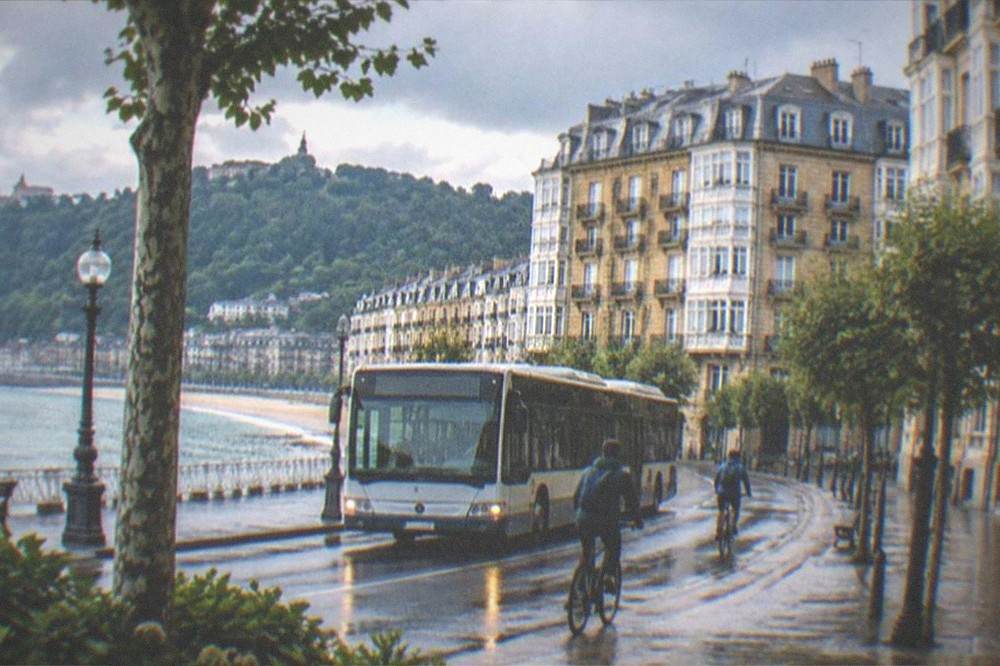
A bike tour works in San Sebastián because the city is small, flat and built around one continuous bay: La Concha runs 1,350 metres, Ondarreta 600 and Zurriola 800, and a bike lane links all three, so a guided ride reaches the Peine del Viento, Monte Urgull's slopes, the Gros surf quarter and the Kursaal in a single loop that would take most of a day on foot. The council's beach pages give those exact lengths, and they matter for a cyclist more than for anyone else, because the difference between a walking plan and a riding plan is the difference between seeing one beach and seeing all of them.
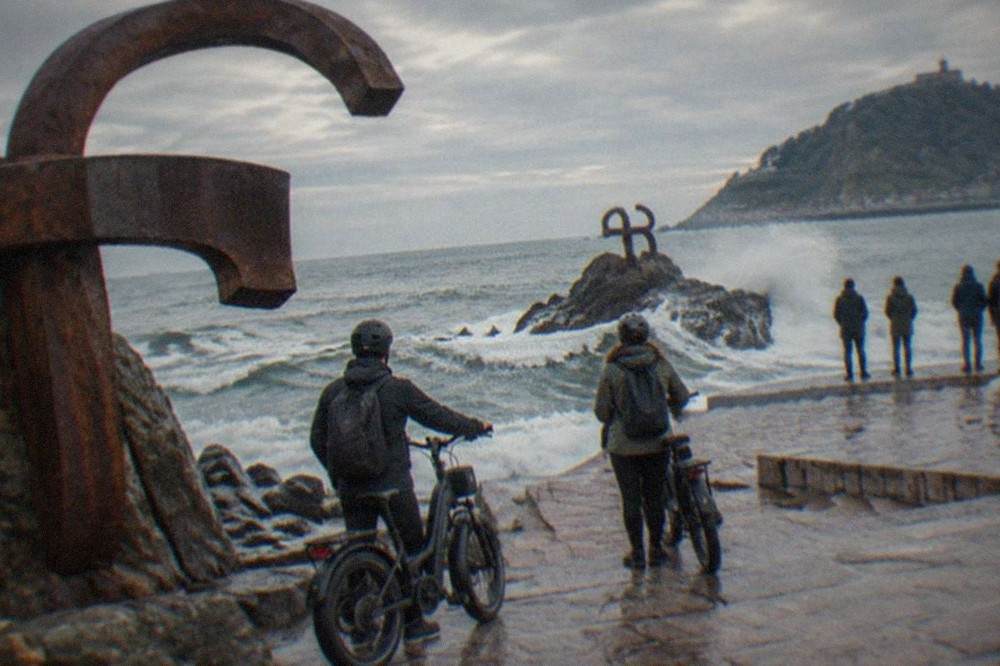
The bay itself is the draw. La Concha's council page describes a sandy, shallow beach where the tide often limits the usable area, and Ondarreta's page notes that the walk to the Peine del Viento, Eduardo Chillida's three steel sculptures of more than nine tonnes each, starts at its west end. On a bike that whole stretch is minutes, and the sculpture plaza, by the architect Luis Peña Ganchegui, sits at the exact point where a ride turns around. Chillida gave the definitive 1977 work to the city, and it is the single most photographed stop on every bay ride.
The other reason is the rain. AEMET's normals for its Igeldo station, at 250 metres on Monte Igeldo, record 1,507 mm across 141 rain days in an average year, so any outdoor plan here needs a time budget, and a bike tour compresses the sightseeing into a window that fits between showers. A guided ride with a local also means someone else is watching the sky and the route, which matters in a city where even July averages 86 mm of rain.
Which Bike Tour In San Sebastian Should You Book?
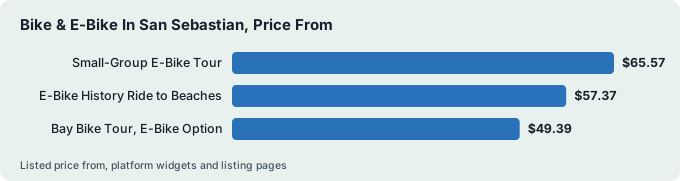
For most visitors the small-group electric bike tour is the right pick: it runs in small groups over the city's bike-lane network, the e-bike removes the only real climbs, at Monte Urgull and the river mouth, and the itinerary covers the full bay. Confident cyclists who want a simpler, cheaper ride can take the regular guided bay tour on a standard bike, and riders who want history rather than distance should look at the Basque history and culture e-bike ride, which follows the bike trails out to the beaches with the story of the city along the way.
The table below compares the three city rides side by side. All prices, ratings and durations render from the live listings, so treat the figures as what the operator publishes rather than a promise, and check the listing for the departure point before booking.
| Ride | Style | Best for | Meeting area |
|---|---|---|---|
| Small-group electric bike tour | E-bike, small group | The full bay without effort | Old Town |
| Guided city bike tour | Regular bike or e-bike option | Confident cyclists on a budget | City Centre |
| Basque history and culture e-bike ride | E-bike, themed | History and the beach trails | Calle Reyes Catolicos |
The small-group format is worth paying for in this city specifically. San Sebastián's seafront is flat, but the connections between the beaches run through busy sections around the Parte Vieja and the river mouth, where a guide who knows the lane network saves a rider from guessing. The small-group electric bike tour exists precisely for that: its listing describes a small group riding the city's bike-lane network, which is the infrastructure a first-time visitor cannot see on a map.
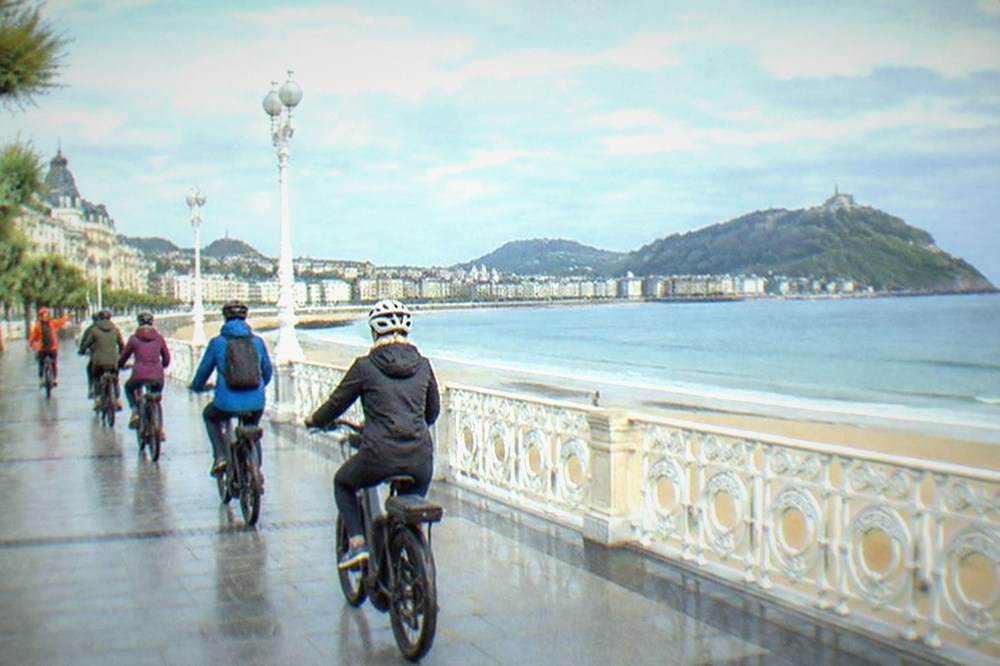
The regular guided bay ride is the honest alternative. Its listing calls it a flat end-to-end ride along the bay, on a regular bike or with an e-bike option, and for a visitor who cycles every week that is all that is needed. The themed history ride is the third choice, aimed at riders who want the Basque story, and its listing says it follows the bike trails out to the beaches. If a two-wheeled day is only part of your plan, the Bilbao, Guggenheim and Gaztelugatxe day trip is the natural pairing for the rest of your stay.
What Does A Bike Tour Of San Sebastian Actually Cover?
A typical bay loop covers La Concha promenade, Ondarreta and the Peine del Viento at the west end, the mouth of the Urumea, the Gros quarter and Zurriola beach at the east end, and the Kursaal, with Monte Urgull's lower paths and the harbour often folded in, all on flat or gently rolling ground. That is the whole visible city in one ride, and it is the shape almost every guided route takes, because the geography leaves no other sensible loop.
The Peine del Viento is the classic western turn-around. The tourism board's page on the work records that Chillida first made pieces under that title in 1952 and created the definitive work in 1977, giving it to the city, with the pink granite plaza by Peña Ganchegui. Riders stop here because the sculptures are anchored to the rocks where the Atlantic hits hardest, and because from the plaza the whole bay opens up behind you.
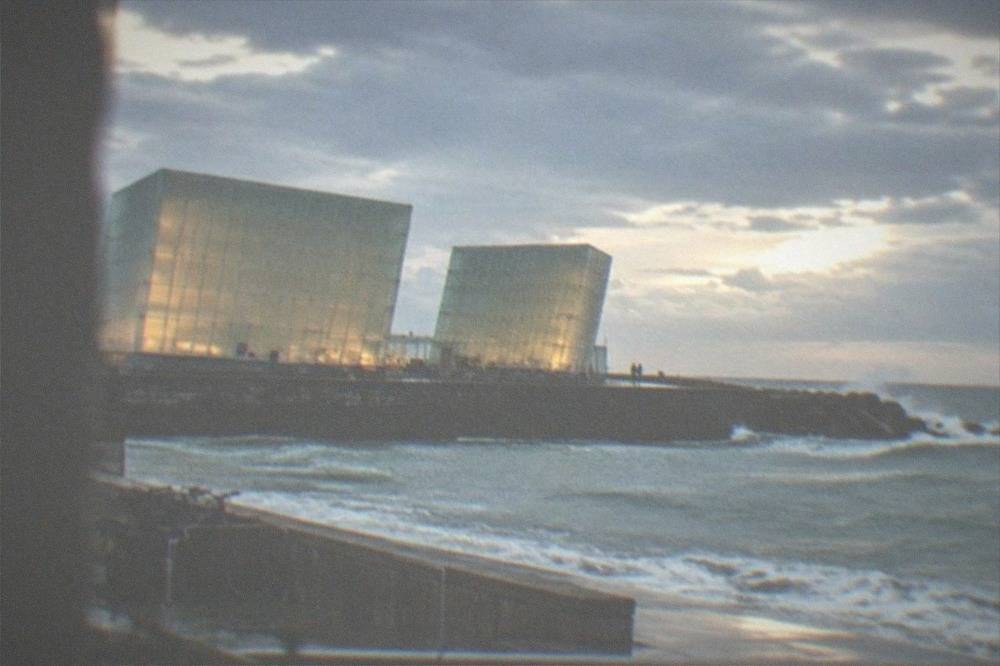
At the east end the ride changes character completely. Zurriola is the surf beach: the council's page calls it sandy, fairly open and subject to strong swell, remodelled in 1994, and the Gros quarter around it is where the city's younger bar life sits. The Kursaal, Rafael Moneo's building, chosen in 1990 from six invited architects and inaugurated on 23 August 1999, marks the eastern corner, and beyond it the Camino de Santiago's coastal route climbs over Monte Ulia, which is a hike rather than a ride.
Between the two ends sits Monte Urgull, and a bike tour usually touches only its base. The hill's own access hours are 08:00 to 21:00 from 1 May to 30 September and 08:00 to 19:30 from 1 October to 30 April, so it closes at night, and the climb to the Castillo de la Mota is done on foot once the bikes are parked. The harbour below it is where the bay boats leave, and the bay boat with a Santa Clara island stop covers the sea-level version of the same bay.
When Is The Best Season For Cycling In San Sebastian?
The best cycling months in San Sebastián are June and September: AEMET's Igeldo normals show June averaging 16.9 C with 90 mm of rain and September 18.0 C with 111 mm, both drier than August's 117 mm, and both sit inside the 1 June to 30 September window when the beaches are fully serviced with lifeguards. July is the driest single month at 86 mm over about 10 rain days, but it is also the busiest, and August, the peak hotel month, is wetter than June, July or September.
The table below is the full AEMET series for the Igeldo station, period 1981 to 2010. The station sits 250 metres up on Monte Igeldo, so the seafront where you actually ride runs slightly warmer than these figures.
| Month | Mean C | Mean max C | Rain mm | Rain days | Sun hours |
|---|---|---|---|---|---|
| Jan | 8.5 | 11.0 | 141 | 13.2 | 98 |
| Feb | 8.7 | 11.5 | 110 | 11.6 | 107 |
| Mar | 10.3 | 13.4 | 113 | 12.4 | 144 |
| Apr | 11.3 | 14.5 | 138 | 13.4 | 157 |
| May | 14.4 | 17.7 | 120 | 12.2 | 181 |
| Jun | 16.9 | 20.0 | 90 | 10.6 | 189 |
| Jul | 18.9 | 21.8 | 86 | 9.8 | 196 |
| Aug | 19.5 | 22.5 | 117 | 10.5 | 190 |
| Sep | 18.0 | 21.1 | 111 | 10.1 | 179 |
| Oct | 15.5 | 18.5 | 159 | 11.8 | 140 |
| Nov | 11.3 | 14.0 | 169 | 13.0 | 102 |
| Dec | 9.1 | 11.6 | 151 | 12.4 | 93 |
Read that honestly: this is a wet Atlantic city, and no month averages under 86 mm. November is the wettest at 169 mm, and October's 159 mm makes autumn the season a bike tour is most likely to be rained off. The practical advice is not "come in summer and it will be dry", it is "book the ride early in your stay, so a washout leaves you a spare day to rebook". The San Sebastian weather guide unpacks the climate in more detail.
Seasonal closures matter to a rider too. The lifeguard service on all three beaches runs 1 June to 30 September, with hours of 10:00 to 20:00 from 15 June to 15 September and 13:30 to 19:30 for the rest of September, and Monte Urgull's gates shorten to a 19:30 close from 1 October. If your ride is in October or later, the evening light on the hill is gone before dinner, so plan the Urgull stop for the morning.
Can You Ride To Monte Igueldo Or Monte Urgull?
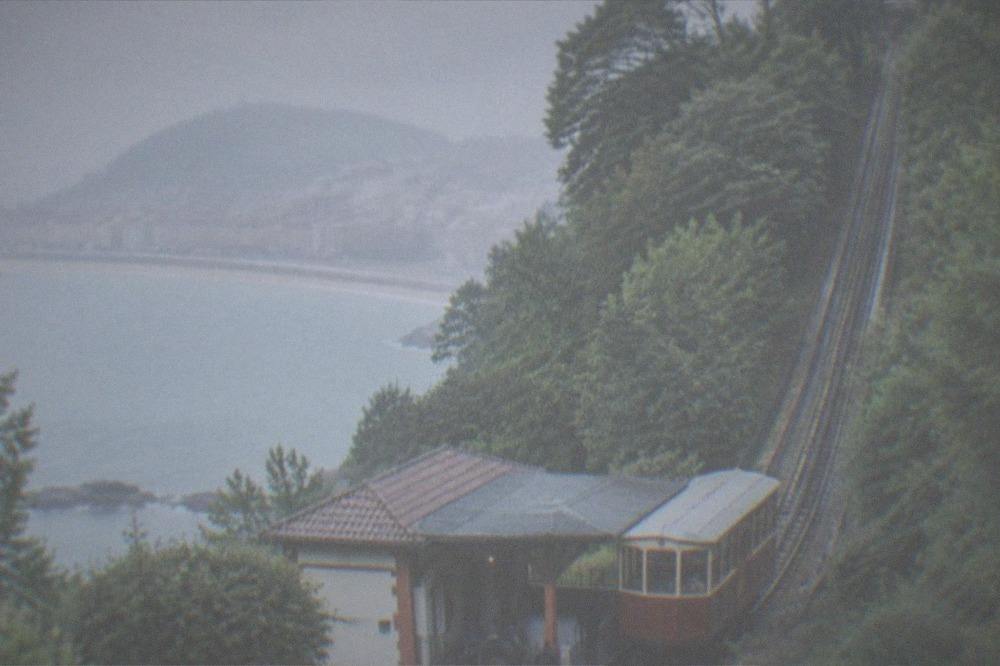
You can ride to the base of both hills but not up them as part of a normal tour: Monte Urgull is a pedestrian park with access hours, and Monte Igueldo is served by a rack funicular that opened on 25 August 1912 and sells no downhill-only ticket, so the standard pattern is to cycle to the bottom and either walk Urgull or ride the funicular up Igueldo and back down. The funicular's own site lists a return adult ticket at 5.50 EUR and a child return at 2.50 EUR, and the ticket includes entry to the grounds.
The funicular normally runs every 15 minutes, on the hour, quarter past, half past and quarter to, more often when busy, according to its FAQ page. Its home page also carries a notice worth knowing before you plan a "walk up, ride down" day: tickets for the downhill funicular journey are not on sale, and rides close on rainy days. In a city with 141 rain days a year, that last detail is not small print. Other pages covering the same trip are gathered on San Sebastian Spain Guide.
Monte Urgull is the opposite: free, on foot, and closed at night. The tourism board gives the hours above, and the top holds the Castillo de la Mota with the Casa de la Historia, a small museum run by San Telmo. A bike tour will typically park at the base and give you the option of the climb, because the paths are not rideable tour terrain.
The Igueldo side has one more cycling-adjacent stop: the Peine del Viento sits at the foot of the hill at the end of Ondarreta, so a ride west naturally ends there. The Monte Igueldo guide covers the hill, the park and the funicular fares in full, and the Monte Urgull guide does the same for the eastern headland.
E-Bike Or Regular Bike For San Sebastian?
An e-bike is the better choice for most visitors because San Sebastián's sightseeing is flat but its two headlands, Urgull and the river mouth around Zurriola, involve short climbs, and an e-bike turns a tour into a loop for everyone in a mixed group; a regular bike is fine for the bay itself, which is flat end to end, and the guided bay tour offers both. The decision is really about who is riding with you, not about the terrain.
The practical differences are straightforward. An e-bike removes the question of fitness entirely, which matters if the group spans generations or if anyone rides rarely. A regular bike is lighter, simpler and needs no battery management, and on the flat promenade between La Concha and Ondarreta there is genuinely nothing to pedal against. The one thing a regular bike cannot fix is the wind: the Atlantic here is constant, and riding west into it along Ondarreta is real work even on flat ground.
| Factor | Regular bike | E-bike |
|---|---|---|
| Bay promenade | Flat, easy | Flat, effortless |
| Zurriola and Gros loop | Short climbs at the river mouth | Climbs vanish |
| Mixed fitness group | Pace set by the slowest | Everyone rides together |
| Weather buffer | A headwind costs time | Battery absorbs the wind |
| Who it suits | Regular cyclists | Most first-time visitors |
Both the small-group electric bike tour and the Basque history ride use e-bikes, and the guided city bike tour offers a regular bike or an e-bike option, so the choice of hardware and the choice of tour are really one decision. If in doubt, take the e-bike: the listing prices render in the cards above, and the difference is smaller than the cost of a tour half the group could not finish.
What Beyond-The-City Rides Start From San Sebastian?
The serious cycling day trips from San Sebastián are not bike tours but coach and vehicle excursions, and the two that pair naturally with a bay ride are the Biarritz and French Coast day and the Bilbao, Guggenheim and Gaztelugatxe day; for riders who want to stay on two wheels beyond the city, the Camino de Santiago coastal route leaves San Sebastián east and west on foot, and the coast road towards Zarautz and Getaria is the classic ride. The tourism board lists the Camino stages through the city as Pasaia to Donostia and Donostia to Orio, though it gives no distances.
The two coach days below appear in the second picks band, and they are the right answer for a visitor whose legs have already done the bay loop. Gaztelugatxe is the hermitage on the rocky islet reached by a footpath, Bilbao adds the Guggenheim, and the French day crosses to Biarritz and Bayonne. Both leave from the city's bus station area, and both are small-group or bilingual operations.
For riders who want a longer pedal under their own power, the honest options are the coast road west and the Ulia path east. The Camino de Santiago hike over Mount Ulia to the lighthouse is a guided walking product, not a ride, and the coastal walk with txakoli tastings is likewise on foot with a train ticket back, so a cyclist heading east should treat Ulia as a hike to do another day. The hiking guide covers the on-foot versions.
The Basque history e-bike ride is the middle path: its listing says it follows the bike trails out to the beaches, so it extends the city loop without committing to a full day in a saddle.
How Do You Get Around San Sebastian Without A Tour Bike?
Without a tour bike, the city runs on foot, on dBus city buses and on the Euskotren Topo: a dBus ticket paid in cash to the driver is 1.95 EUR, the night ticket is 2.65 EUR, cash does not allow free transfers, and an anonymous MUGI card drops the urban trip to 0.78 EUR, with one zone jump at 2.90 EUR occasional or 1.16 EUR on the card. The MUGI system covers dBus, Lurraldebus and Euskotren across Gipuzkoa, and the Pasaia harbour motor boat sits inside the urban fare zone.
For a visitor staying in Centro or the Parte Vieja, none of this matters much, because the whole bay is walkable and that is what most people do. The buses earn their keep for the climbs: Ondarreta to the funicular base, or Egia and Amara if your hotel is out of the centre. The getting around guide has the full picture.
One transport fact belongs on a bike page: the new underground Topo section through the city has finished its civil works, with the La Concha-area station completed in June 2026, but no opening date has been published and Amara remains the working terminus. Anyone planning a ride that ends with a train leg, like the coastal walk products do, should assume Amara for now.
What Should You Combine With A Bike Tour Day?
The natural pairing is a morning ride and an evening of pintxos: the bay loop finishes in the Parte Vieja, where the city's pintxo bars are concentrated, and the two together make the classic San Sebastián day, with a food tour in the evening if you want the bars explained rather than discovered. The Old Town is small enough that a bike is a hindrance inside it and a blessing getting to it, which is exactly why the tours park at its edge.
The food side of the city is the other half of its reputation. The MICHELIN Guide Spain 2026 counts 6 restaurants holding 11 stars inside the city, including the three-star Akelaŕe and Arzak, and the province of Gipuzkoa holds 19 stars across 11 restaurants, though Martín Berasategui sits in Lasarte-Oria and Mugaritz in Errenteria, both separate municipalities. A bike tour and a booked dinner are the two anchors of a good day here, and the Old Town pintxos and wine small-group tour handles the evening half.
If the weather turns, the swap list is short but real: San Telmo Museoa, free every Tuesday, general admission 10.00 EUR, the Aquarium on the harbour, and Tabakalera, free to enter and open Tuesday to Sunday. The rainy day guide expands that list. A bike tour cancelled by rain is not a lost day in a city with that much indoors.
| Time of day | Plan | Why it works |
|---|---|---|
| Morning | Bay loop by bike | Light on the promenade, cooler on the climbs |
| Midday | Monte Urgull on foot or the funicular up Igueldo | Bikes parked, hills walked |
| Afternoon | La Concha or Zurriola | Lifeguards on duty 1 June to 30 September |
| Evening | Pintxos in the Parte Vieja | The ride ends at its edge |
The guided bay ride on a regular bike is the budget version of the same day, and its listing shows the current price and departure point.
Common Questions About San Sebastian Bike Tours
Is San Sebastian good for cycling?
Yes. The seafront is flat and continuous, with bike lanes linking La Concha, Ondarreta and Zurriola, and the whole visible city fits one loop. The hills, Monte Urgull and Monte Igueldo, are walked or ridden by funicular rather than cycled.
Do I need an e-bike for a San Sebastian bike tour?
Not for the bay itself, which is flat end to end, but an e-bike removes the short climbs around the river mouth and Gros and keeps a mixed group together. Most first-time visitors are better off with one.
What happens if it rains on my bike tour?
Check the operator's cancellation terms on the listing before booking. The city averages 141 rain days a year at AEMET's Igeldo station, so tour operators here are used to rebooking, and the funicular on Monte Igueldo closes its rides on rainy days.
Can a bike tour include Monte Igueldo?
Only its base. The funicular, opened in 1912, carries visitors up the hill every 15 minutes, and its ticket includes entry to the grounds, but there is no downhill-only ticket, so the ride up and back is a return journey.
Are the San Sebastian bike tours suitable for children?
It depends on the tour and the child, and the listings state the minimum ages. The bay is flat and lane-protected, which is the easy case, but the group size and pace of a small-group e-bike tour is usually the safer pick for a family.
How long does a San Sebastian bike tour take?
The city rides run from about an hour and a half to about three hours depending on the tour, which is enough to cover the full bay with stops. The durations render from each operator's live listing in the cards above, so check the one you are booking.
A San Sebastián bike tour is the one activity that turns the whole bay into a single experience, and the small-group e-bike version does it without asking anything of your legs. Pick your month with the rain table open, book the ride for the start of your stay, and keep the evening free for the Old Town, which is exactly where the loop ends.