Luggage Storage In San Sebastian
A guide to luggage storage in San Sebastián, in the Basque Country, Spain: what the city's stations and venues offer, what is verified, and how to spend a bag-free day between checkout and departure.
Short answer
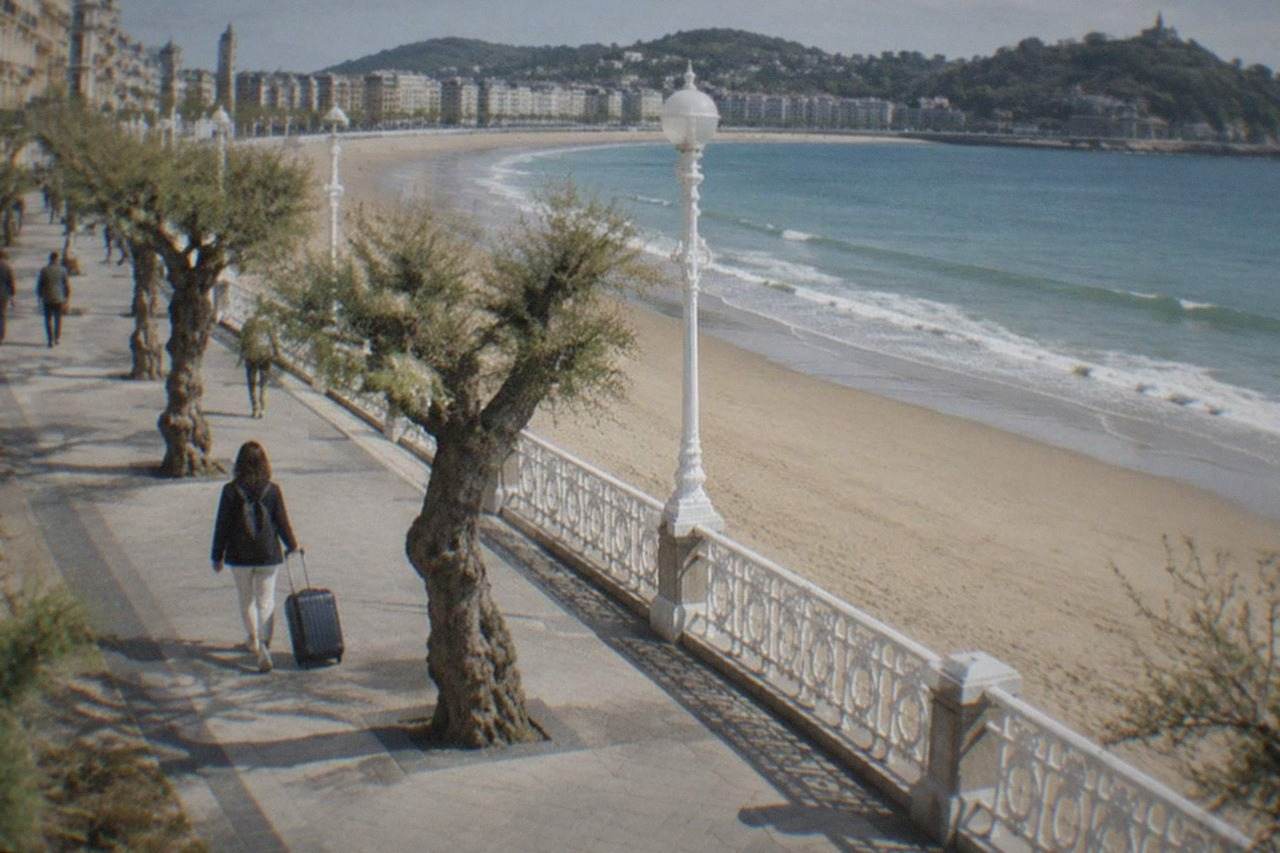
San Sebastián has no single official luggage-storage service, so most visitors use left-luggage facilities at the city's rail and bus stations or a bookable storage point near the Old Town, then plan the day around what is easy to carry-free.
San Sebastián, in the Basque Country of Spain, is a city built around a bay, and its official name, Donostia / San Sebastián, sits on every municipal sign. The city's shape is the reason luggage matters here: the Old Town, the beaches and the station sit close together, but the visit itself is a walking one, on promenades and steep hills, and a suitcase turns every one of those walks into a negotiation. This page lays out what is verified about leaving bags in the city, what cannot be stated because no official source confirms it, and how to structure a day, from a morning checkout to an evening train, without carrying more than a daypack.
The honest starting point is this: no luggage-storage point, tourist information desk, car park or pharmacy in San Sebastián had its address, hours, price or phone number confirmed for this page, so none is published here. What the available information does give is the transport framework around the city, the venue rules that shape a bag-free day, and the seasonal limits that decide what is open when a bag needs collecting. Where a detail is not in the record, this page says what a visitor can do and points to the operator or venue for the specifics, rather than inventing a number.
Where Can You Store Luggage In San Sebastian?
The reliable options for leaving luggage in San Sebastián are left-luggage facilities at the city's rail and bus stations, bookable storage points in the centre run by storage networks, and, for some visitors, holding a bag at the hotel after checkout. No single official city service exists, so check the station and the booking listing directly before relying on one.
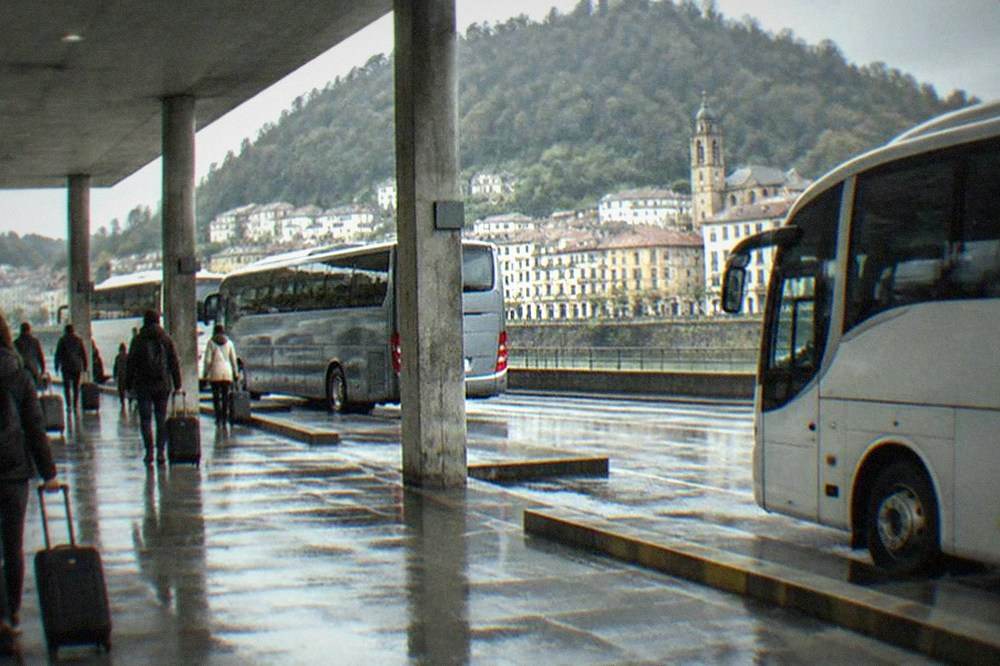
The station option is the one many travellers reach first. San Sebastián's train and bus stations sit next to each other on the eastern edge of the centre, which puts a stored bag within a short walk of the Old Town, the Kursaal and the Zurriola beach in the Gros district. The trade-off is simple: station facilities fill in August, the peak hotel month of the year, when INE's hotel occupancy survey records 245,769 overnight stays in the city, the highest of any month of 2025. A traveller arriving into that peak with a late train should not assume a locker will be waiting.
The second route is a bookable storage point. These are shops and kiosks that take bags by the hour or by the day, booked ahead, and they cluster where visitors cluster: near the station, near the Old Town and along the boulevard. This page does not publish prices, hours or addresses for any of them, because a storage point's details change often enough that a printed address would age badly. The booking listing is the source that matters, and it carries the current price and the opening hours for the specific point.
The third option costs nothing and is the one frequent travellers forget: ask at the hotel front desk. Many hotels in the city hold bags after checkout as a courtesy, and a hotel near the centre puts the bag within a few minutes' walk of most of the visit. The catch is that a hotel-stored bag ties the day to one end of the city, which matters if the plan is a day trip or an evening departure from the station on the other side of the centre.
How Much Does Luggage Storage In San Sebastian Cost?
No price for any luggage-storage point, locker or left-luggage counter in San Sebastián is published on this page, because a guessed price is worse than no price. Storage networks price by the hour or by the day and publish the current figure on their own listings, and station facilities post their tariffs at the counter, so the cost is whatever the specific listing or counter says on the day.
What can be said is how the cost sits against the rest of a day in the city, because the surrounding figures are verified. A dBus city bus occasional ticket costs 1.95 EUR, and the special night ticket 2.65 EUR, per the operator's own fare page. The MUGI card system, which covers city buses, regional buses and the Euskotren Topo, prices an urban trip at 0.78 EUR on an anonymous card. Against fares of that size, a day of storage is a real line in a budget, not a rounding error, and it is worth checking whether the hotel can hold the bag for nothing first.
For context, here is what official sources say about the small costs that surround a day in the city.
| Service | Verified price | Source level |
|---|---|---|
| dBus city bus, occasional ticket | 1.95 EUR | Operator fare page |
| dBus city bus, special night ticket | 2.65 EUR | Operator fare page |
| MUGI anonymous card, urban trip (0 jumps) | 0.78 EUR | MUGI tariff system |
| Monte Igueldo funicular, return adult | 5.50 EUR | Funicular's own site |
| Santa Clara island boat, direct return | 5 EUR | Operator tariff page |
| San Telmo Museoa, general admission | 10.00 EUR | Museum's own site |
The pattern in that table is that the city's small official costs are low and published, and storage is the one line that is not. That is not a reason to skip storage; it is a reason to check the listing rather than budget from a figure read on a forum.
What Should You Do With Bags Between Checkout And A Late Train?
The cleanest plan for a bag-free gap day is to store the luggage at the station on the arrival side of the day, spend the morning on the flat promenade and beaches, eat pintxos in the Old Town in the early afternoon, and collect the bag an hour before departure, because the station, the Old Town and La Concha sit within a compact walk of each other. The exact left-luggage provision at the station should be confirmed with the operator first.
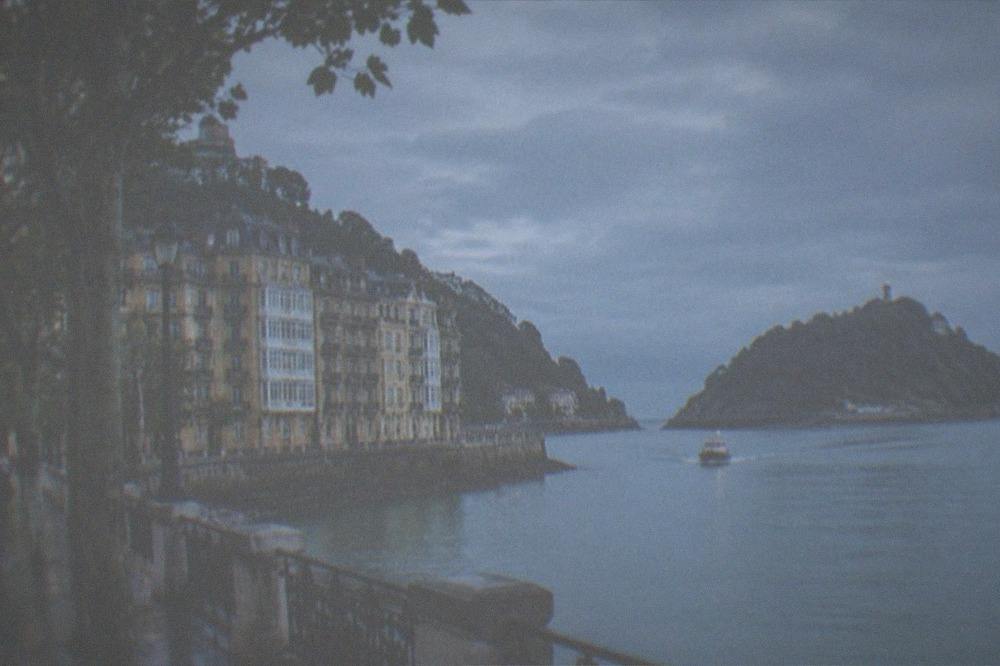
The geography makes this plan work. The city's three beaches sit along one bay: La Concha at 1,350 metres mean length, Ondarreta at 600 and Zurriola at 800, per the city council's own beach pages. The Old Town sits between La Concha and the station. A bag stored near the station leaves the whole bay open, from Zurriola in the east, past the Parte Vieja, along La Concha to the Peine del Viento at Ondarreta's west end, without ever needing to double back more than once.
The one thing a bag-free day should not carry is a plan that depends on a venue being open. The seasonal rules matter here. Lifeguards are on all three beaches from 1 June to 30 September, with hours of 10:00 to 20:00 from 15 June to 15 September and 13:30 to 19:30 for the rest of September. The Santa Clara island boat runs its high season over the same window, 1 June to 30 September. Monte Urgull keeps access hours of 08:00 to 21:00 from 1 May to 30 September and 08:00 to 19:30 the rest of the year. A late-September visitor and a July visitor are in different cities operationally, even though both are on the same beach.
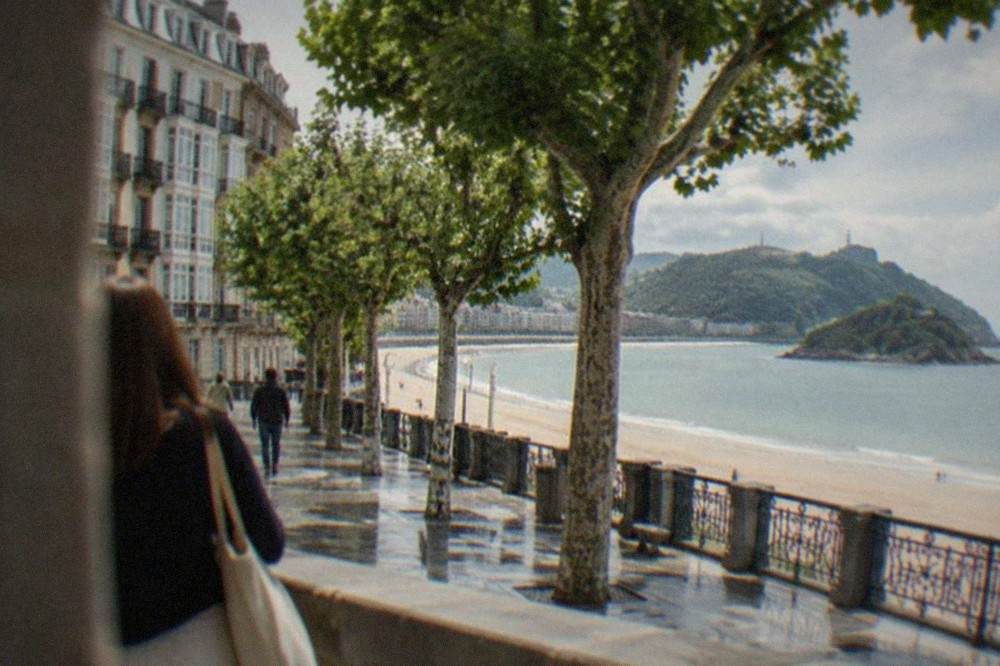
Here is the seasonal framework a bag-free day is built on, all from the venues' own pages.
| What | Season rule | Hours where stated |
|---|---|---|
| Beach lifeguards, all three beaches | 1 June to 30 September | 10:00 to 20:00 from 15 Jun to 15 Sep; 13:30 to 19:30 to 30 Sep |
| Santa Clara island boat, high season | 1 June to 30 September | Red line 10:00 to 19:00, every 30 minutes |
| Monte Urgull access | 1 May to 30 September | 08:00 to 21:00 |
| Monte Urgull access, rest of year | 1 October to 30 April | 08:00 to 19:30 |
| Hondalea, island lighthouse installation | 1 June to 30 September | 11:00 to 18:30, free, no booking needed |
A morning bag-drop also unlocks the guided options. The must-see attractions walking tour covers the historic centre on foot, and a walking tour with a suitcase in tow is a different experience from one without. The same logic applies to a food tour: pintxo bars in the Parte Vieja are tight, busy rooms, and a wheeled bag does not improve them. Check availability on the operator's live listing for a departure time that fits between the bag drop and the train.
Can You Visit San Sebastian's Attractions With A Suitcase?
Most of the city's main attractions are workable with a small bag and miserable with a suitcase: the beaches and promenades are open public space, the museums are conventional indoor venues where a large bag is an obstacle, and the two hill parks, Monte Urgull and Monte Igueldo, are the two places where a suitcase is genuinely impractical, since both involve steep paths and the funicular's own site sells no downhill-only ticket.
Start with the hills, because they are the hard cases. Monte Urgull is a wooded hill between the Old Town and the sea, closed at night, with the access hours in the table above. Its paths are footpaths. Monte Igueldo, on the west side of the bay, is served by the rack funicular that opened on 25 August 1912, which the tourism board calls the oldest in the Basque Country. The funicular's own site lists a return adult ticket at 5.50 EUR, a single at 4.00 EUR, and a notice that downhill-only tickets are not on sale, which means the walk-up-and-ride-down plan does not exist: a visitor either rides both ways with the bag or walks both ways with it, and the hill is not a hill for a suitcase.
The museums are the easy cases, with one caveat. San Telmo Museoa, in the Old Town, charges 10.00 EUR general admission, is free every Tuesday, and keeps summer hours of 10:00 to 20:00 from 1 April to 31 October and winter hours of 10:00 to 19:00 from 1 November to 31 March, closed Mondays. Tabakalera, the former tobacco factory turned culture centre, has free access to the building Tuesday to Sunday, 10:00 to 21:00, closed Mondays. The caveat is that no venue's luggage or cloakroom policy could be verified, and museum cloakrooms everywhere fill and close, so a bag stored at a museum is a bonus, not a plan.
The verified venue facts a bag-free day can be built on:
| Venue | Admission | Days and hours |
|---|---|---|
| San Telmo Museoa | 10.00 EUR general, 4.00 EUR reduced, free Tuesdays | Tuesday to Sunday; summer 10:00 to 20:00, winter 10:00 to 19:00 |
| Tabakalera | Free access to the building | Tuesday to Sunday 10:00 to 21:00, closed Mondays |
| Chillida Leku, Hernani | 14 EUR adults | Daily 10:00 to 19:00 except Tuesday and Wednesday |
| Monte Igueldo grounds and viewpoint | 3.00 EUR per person on foot or by vehicle | Funicular ticket includes grounds entry |
| Aquarium | Not published on this page | Daily except 25 Dec, 1 Jan, 20 Jan; Mondays closed October to March unless a long weekend |
The beaches need no ticket at all. The council's own pages describe La Concha as sandy and shallow with the tide often limiting usable area, Ondarreta as sandy with the walk to the Peine del Viento starting at its west end, and Zurriola as fairly open with a strong swell. None of the three charges entry, and none has a verified bag rule, but a suitcase on a beach is its own argument against itself.
Is San Sebastian Walkable With Bags?
Yes, the core of San Sebastián is genuinely walkable, and that is exactly why luggage storage is worth arranging: the Old Town, the station area and the whole bay sit within a compact flat stretch, so a visitor carrying bags can cover the essentials, but a visitor without them can add the two hills, the island boat and the far end of the bay without thinking twice, and the city's buses at 1.95 EUR a cash ticket exist as a fallback rather than a necessity for the centre.
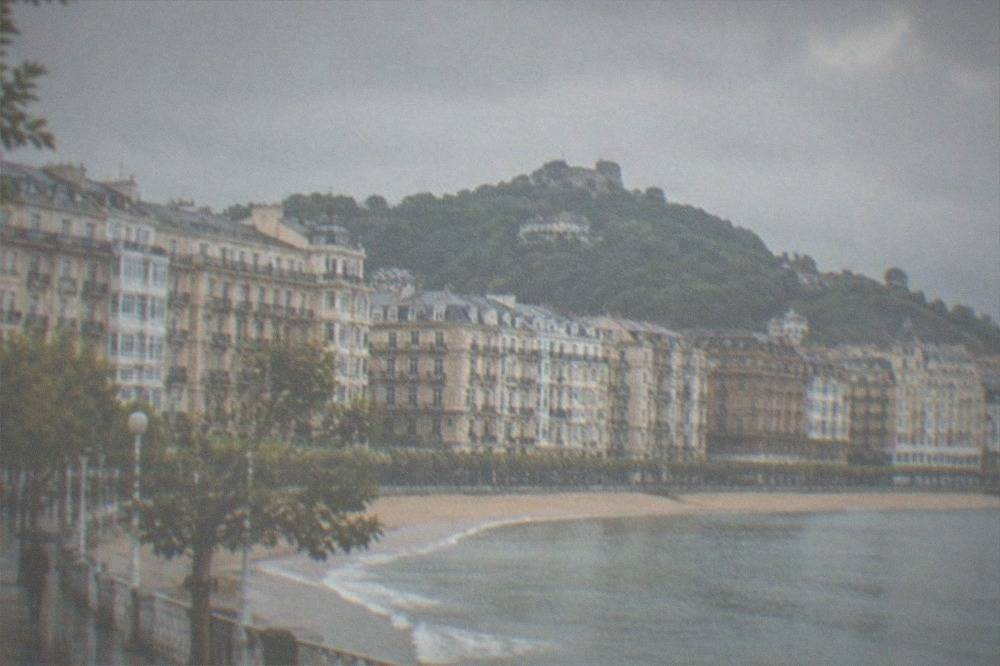
The walkability is structural. The city's population is 189,866 on the municipal register at 1 January 2025, per INE, and the visitable core is a fraction of that footprint: the Parte Vieja, the Centro, the Gros district across the river, and the beach arc. La Concha runs 1,350 metres, Ondarreta 600 and Zurriola 800, and the promenade connects them. This is a city where the standard advice, found on the San Sebastian map guide and the getting around guide, is to walk, and the standard exception is the weather.
The weather is the part that surprises visitors. AEMET's normals for its Igeldo station, on the hill at 250 metres altitude, record 1,507 mm of rain a year over 141 rain days, and even July, the driest month, averages 86 mm over about 10 rain days. November is the wettest at 169 mm. This is a wet Atlantic city, and a suitcase dragged along a flooded promenade in November rain is a different trip from the same walk in July. The San Sebastian weather guide carries the full picture.
The monthly shape of the rain, from AEMET's 1981 to 2010 normals for the Igeldo station:
| Month | Mean temperature C | Rain mm | Days with 1 mm or more |
|---|---|---|---|
| January | 8.5 | 141 | 13.2 |
| April | 11.3 | 138 | 13.4 |
| July | 18.9 | 86 | 9.8 |
| August | 19.5 | 117 | 10.5 |
| November | 11.3 | 169 | 13.0 |
Read that table as a planning tool, not a forecast. August, the busiest hotel month of the year, is wetter than June, July or September, and a peak-August visitor with a bag and a rain shower has the strongest case for storage of anyone in the city. The wider set of guides lives on San Sebastian Spain Guide.
What About Luggage On Day Trips From San Sebastian?
Day trips out of the city are the strongest argument for station-side storage, because the main departures, the bus station's coach tours and the Euskotren Topo from Amara, all work better without a suitcase, and the Topo's own timetable data shows a 37 to 38 minute run from Amara-Donostia to Hendaia with a busiest-day frequency of every 30 minutes, so a bag stored in the morning is a bag that does not cross a border or ride a small boat.
The Topo is the line that matters for the French border. The fare from the Amara zone to the Hendaia zone is 2.90 EUR occasional, which matches the MUGI one-jump tariff, and the frequency on the busiest service day in the current feed is every 30 minutes. One caution: the new underground Topo section through the city centre has finished its civil works, per a Basque Government note dated 8 June 2026, but no opening date is published and Amara remains the working terminus. A visitor planning a Topo departure should plan it from Amara.
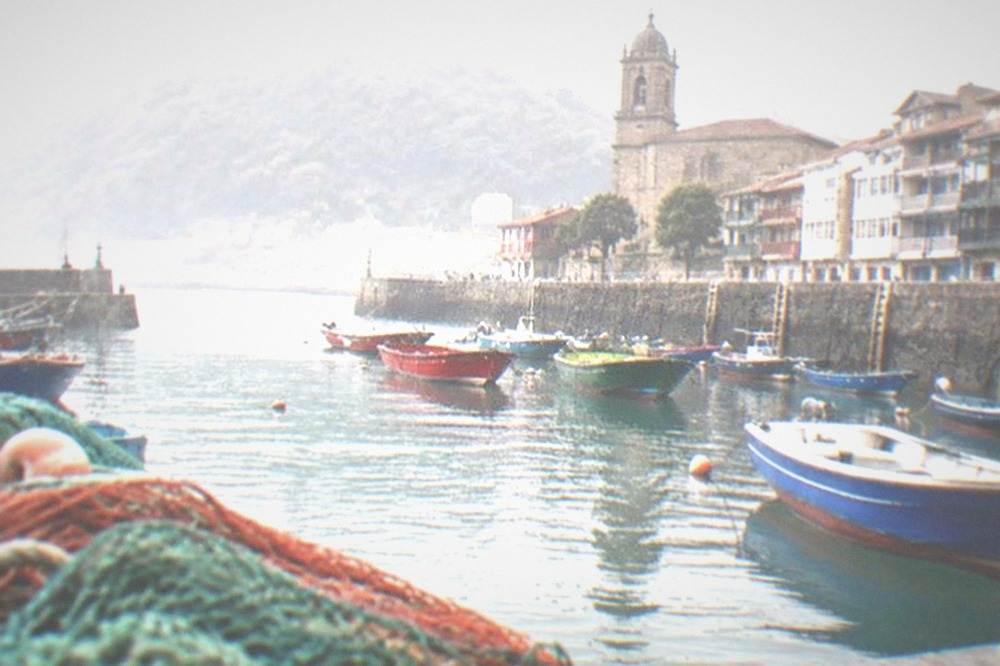
Coach day trips leave from the bus station. The roster of verified day trips from the city includes the French Basque Country run to Biarritz, Bayonne and Saint-Jean-de-Luz, the Bilbao and Guggenheim day with the Gaztelugatxe hermitage, the half-day to Hondarribia and the Pasajes, and the coast drive to Zarautz, Getaria and Zumaia. None of these is a trip for a suitcase: the Gaztelugatxe walk alone is a walk, and a coach's luggage hold is for the coach operator's luggage, not a day-tripper's.
The day-trip options that pair with a stored bag:
| Day trip | Direction | Character |
|---|---|---|
| Biarritz, Bayonne, Saint-Jean-de-Luz | West into France | Three French Basque towns by coach |
| Hondarribia and Pasajes | East along the coast | Half-day fishing town and harbour |
| Zarautz, Getaria, Zumaia | West along the Gipuzkoa coast | Coast drive with a txakoli town |
| Bilbao, Guggenheim, Gaztelugatxe | West, full day | Hermitage rock plus the Guggenheim |
| Chillida Leku, Hernani | South, short | Sculpture museum in a farmhouse grounds |
The Getaria txakoli tour, with hotel pickup, and the coastal winery trail walk, from Amara station, are the two wine-side options, and both involve walking. The day trips guide carries the full set.
A few facts sharpen the day-trip picture. August 2025 was the city's peak hotel month at 245,769 overnight stays, per INE's occupancy survey, and August averages 117 mm of rain at the Igeldo station, more than June, July or September. The Gipuzkoa tourist tax, Norma Foral 3/2026, takes effect on 1 January 2027, and no visitor pays it before that date, and the city council's own rate inside the bands is not published. The MICHELIN Guide Spain 2026 counts 6 restaurants holding 11 stars inside the city, with Akelaŕe and Arzak both at three stars. Line E21 has not stopped at the city's airport since 1 June 2026; the operator lists E20, E23, E25, E27, E28, E29 and E30 as the airport services, with E30 the direct line.
Do You Need To Plan Around Cruise Port Luggage In San Sebastian?
Cruise passengers arriving in San Sebastián face the tightest luggage window of any visitor, because a port call gives a fixed number of hours and the city's highlights, the bay, the Old Town, the two hills, are all reachable on foot from the centre, so the decision is binary: either the ship or the coach holds the bags and the visit is a walking one, or the bags come along and the visit shrinks to the flat promenade.
The cruise-port guide covers the port logistics in detail, and the San Sebastian cruise port guide is the page for that arrival type. What belongs here is the luggage half of the question. A cruise day visitor has the same city as everyone else, with the same seasonal rules: the island boat in high season, the lifeguard window on the beaches, Urgull's access hours. What differs is the clock, and a clock measured in single hours is the argument for walking light. No verified storage point near the port is published here, because none was confirmed.
The cruise visitor's shortcut is the bay boat. The operator Motoras de la Isla runs a direct red line to Santa Clara island at 5 EUR return in high season, every 30 minutes from 10:00 to 19:00, weather and sea permitting, with the last boat back from the island at 20:00 from June to September. A 30-minute bay tour with an island stop is also bookable as a tour product, with a ticket valid for one day, which suits a port call precisely.
What Is The Best Bag-Free Day Plan In San Sebastian?
A workable bag-free day runs: store the luggage at the station or a storage point on arrival, walk the Old Town and the bay promenade in the morning, take the island boat or a hill in the early afternoon if the season allows, eat pintxos in the Parte Vieja from late afternoon, and collect the bag an hour before departure.
It fits the city's verified geography, its seasonal venue rules and its eating timetable, and it survives rain because the museums and the pintxo bars are the wet-weather half of the city.
The eating timetable matters to the plan because it is the one thing in the city that runs on its own clock. Pintxo bars in the Old Town fill in the early evening, and the city's gastronomic weight is real: the MICHELIN Guide Spain 2026 counts 6 restaurants holding 11 stars inside the municipality, with Akelaŕe and Arzak both at three stars, and the wider province of Gipuzkoa at 19 stars across 11 restaurants. A day built around a bag drop, a walk, a boat and a bar crawl uses the city as it is laid out.
The rain plan is the same plan with the outdoor half swapped. San Telmo is free on Tuesdays and closed on Mondays. Tabakalera's building is free, Tuesday to Sunday. The aquarium keeps its published hours year-round except 25 December, 1 January and 20 January, though the official shop renders its prices client-side and no figure was read. The rainy day guide carries the full wet-weather set.
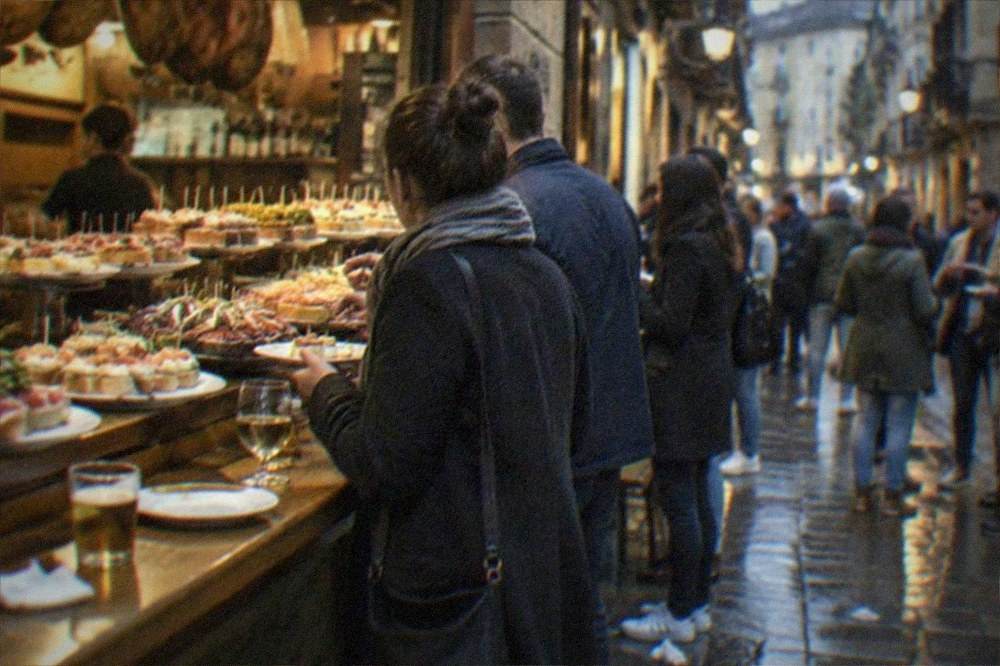
For a visitor who wants the day guided rather than self-planned, the food side of the city has the deepest roster. The premium pintxo and market tour pairs reserved seating at each bar with a guided visit to the Mercado de la Bretxa, and the small-group Old Town pintxo crawl runs through the bars and gourmet shops by City Hall. Both are walks, and both are better without a suitcase for the same reason every bar in the Parte Vieja is.
Common Questions About Luggage Storage In San Sebastian
Does San Sebastian have lockers at the train station?
The city's rail and bus stations sit together on the eastern edge of the centre, and left-luggage provision there is often the first thing checked on arrival. No specific locker count, price or hours at the station is published on this page, so confirm with the station operator before building a plan on it.
How much does luggage storage cost in San Sebastian?
No price for any storage point in the city is published here. Storage networks list their current hourly or daily price on their own booking listings, and station counters post their tariffs on site, and those are the figures to check before handing over a bag.
Can you walk around San Sebastian with a suitcase?
The core is flat and compact: the Old Town, the Centro and the beach arc from Zurriola to Ondarreta are all within a walkable stretch. The two hills, Monte Urgull and Monte Igueldo, are the exceptions, and the funicular's own site sells no downhill-only ticket, so a visitor who rides up must ride down with everything they brought.
Do hotels in San Sebastian hold luggage after checkout?
Many hotels hold bags after checkout as a courtesy, and a hotel-stored bag keeps the day free of storage costs. The front desk is the source for any individual hotel's policy, and a hotel near the centre keeps the bag within a short walk of most of the visit.
Where do you leave bags when visiting Monte Igueldo or Monte Urgull?
Both hills are footpath and funicular territory, and neither suits a suitcase. Monte Urgull keeps access hours of 08:00 to 21:00 from 1 May to 30 September and 08:00 to 19:30 the rest of the year, and Monte Igueldo's grounds cost 3.00 EUR per person on foot, with the funicular return at 5.50 EUR including grounds entry. Store the bag first.
Is luggage storage worth it for a half-day visit?
For a half day, yes, because the alternative is a visit halved by a bag. The bay boat to Santa Clara runs every 30 minutes in high season at 5 EUR return, the Old Town's pintxo bars are standing rooms, and both are better without a suitcase, and the station sits within a short walk of both.
The short version of all of it: San Sebastián rewards travellers who arrive light, the city's own figures, from the 1.95 EUR bus ticket to the 5 EUR island boat, describe a place where the essentials are cheap and close together, and the bag is the one thing standing between a visitor and the whole bay. Check the station's left-luggage provision and the storage listings on the day, ask the hotel first, and spend the saved hours on the promenade instead of the pavement.