Is Monte Igueldo Worth Visiting?
Is Monte Igueldo worth visiting? An honest look at the funicular, the views over La Concha bay and the costs, for San Sebastián in the Basque Country, Spain.
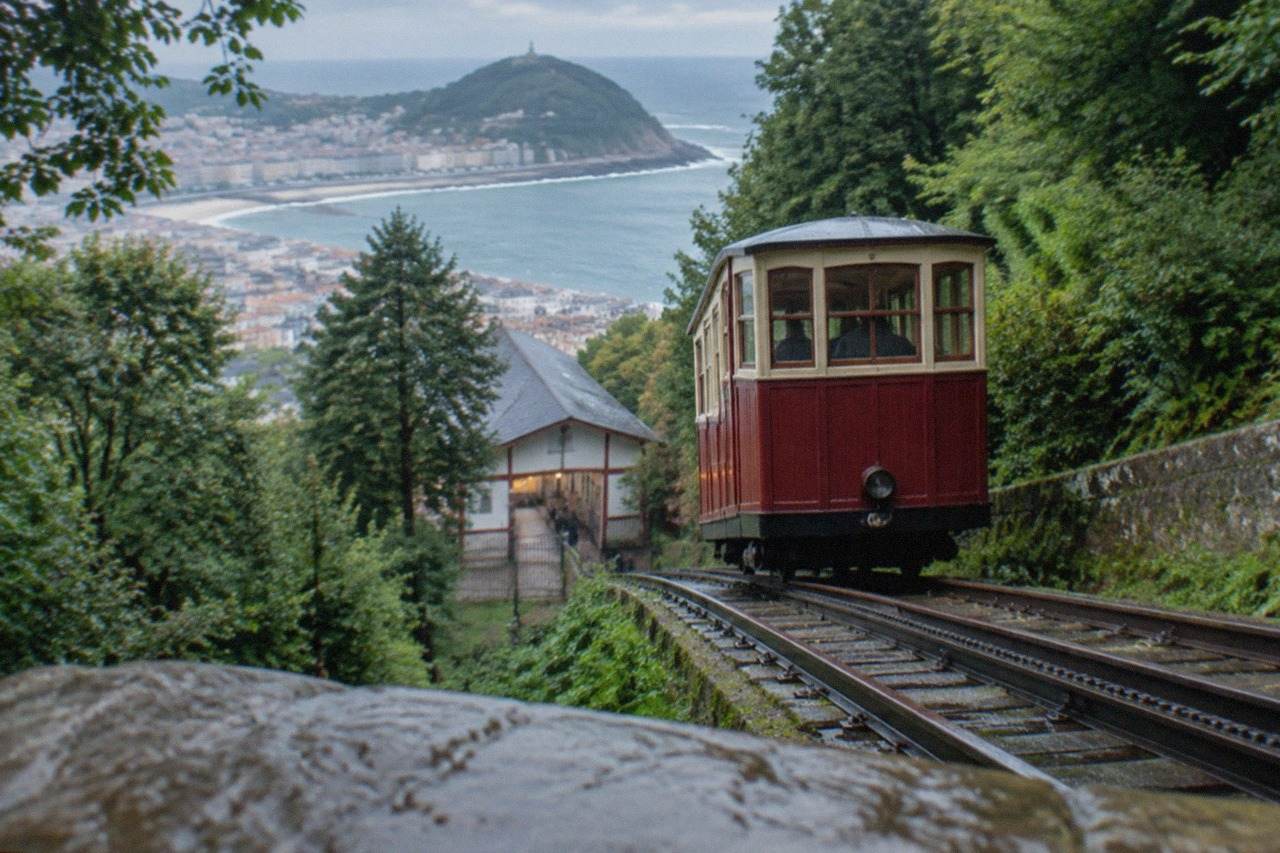
Monte Igueldo is the hill that closes the west end of La Concha bay in San Sebastián, the Basque Country city whose official name is Donostia / San Sebastián, and its wooden funicular has been carrying visitors up the slope since 25 August 1912. The tourism board calls it the oldest funicular in the Basque Country, a rack railway with wooden cars that climbs from the Ondarreta end of the bay to a summit park above the city. The question of whether the hill deserves a slot in a short trip has a real answer, and it depends mostly on the weather, the fare and what a visitor expects to find at the top.
Is Monte Igueldo Worth Visiting?
Yes, for the funicular ride and the viewpoint over La Concha bay, and those two things justify the fare. The hill's own site prices the return funicular at 5.50 EUR for an adult, the ticket includes entry to the summit grounds, and the ride itself, a 1912 wooden car on a rack railway, is part of the attraction rather than just transport. What it is not is a full day out: the summit is a small park, and the view is the product.
The honest framing is that Monte Igueldo sells two things and bundles them in one ticket. The first is the panorama: from the top, the whole shell of La Concha opens out below, with Ondarreta at the hill's foot, Santa Clara island in the middle of the water and Monte Urgull closing the bay's east end. The second is the ride up, which the funicular's own history makes genuinely distinct. A visitor who cares about either one gets value from the trip. A visitor hoping for a major attraction at the summit, on the scale of the city's museums or its pintxo bars, will find the amusement park a modest affair.
There is also a practical reason the hill works for most itineraries: it sits at the end of a walkable stretch of the city. The council's beach page notes that the walk to the Peine del Viento, Eduardo Chillida's sculptures at the hill's seaward base, starts at the west end of Ondarreta. That means a visitor can cover Ondarreta, the sculptures and the funicular in one connected outing, and the Monte Igueldo attraction page lays out that route in full.
The one thing that genuinely spoils the visit is rain, and this is a wet Atlantic city. AEMET's normals for its Igeldo station, the station that sits 250 m up on this very hill, record 1,507 mm of rain a year over 141 rain days, and even July, the driest month, averages 86 mm. The funicular's own FAQ states that the rides close on rainy days, so a wet-weather plan should send a visitor to indoor options instead.
What Does The Monte Igueldo Funicular Cost?
A return funicular ticket costs 5.50 EUR for an adult and 2.50 EUR for a child up to 7 years, and that ticket includes entry to the summit grounds, according to the fares page on the hill's own site. A single adult ride is 4.00 EUR, a single child ride 1.50 EUR, and a visitor who arrives by road or on foot pays 3.00 EUR per person to enter the grounds and viewpoint.
Groups of 20 or more and card holders pay 4.50 EUR return.
The fare structure rewards one decision pattern and punishes another. The return ticket is the sensible default: the funicular normally runs every 15 minutes, on the hour, quarter past, half past and quarter to, so waiting at the top costs little time. The single fare exists, but the hill's own home page states plainly that tickets for the downhill funicular journey are not on sale, which closes off the idea of walking up and riding down. Anyone planning that combination should read can you walk up to Monte Igueldo before committing to it.
The table below gathers the published fares in one place.
| Ticket | Adult | Child (up to 7) |
|---|---|---|
| Funicular return, grounds included | 5.50 EUR | 2.50 EUR |
| Funicular single | 4.00 EUR | 1.50 EUR |
| Grounds and viewpoint entry, on foot or by vehicle | 3.00 EUR per person | 3.00 EUR per person |
| Special ticket, animals or packages | 2.50 EUR | 2.50 EUR |
| Groups of 20+, disabled card, San Sebastián Card | 4.50 EUR return | 4.50 EUR return |
Two small print details from the hill's own pages are worth carrying. Group discounts do not apply on weekends, holidays or long weekends, so a visitor arriving on a Saturday pays the standard return fare. And parking at the top is free during the visit for those who come by road, which makes the 3.00 EUR grounds entry the only charge for a driver who skips the funicular, though that driver misses the 1912 wooden cars, which are a fair part of what the 5.50 EUR ticket buys. The full cost picture, including what the funicular actually is, is broken down in what is the Monte Igueldo funicular.
What Can You See From The Top Of Monte Igueldo?
The summit viewpoint looks over the full curve of La Concha bay, with the 1,350 m beach the council measures along the water below, Ondarreta's 600 m stretch at the hill's own foot, Santa Clara island in the bay and Monte Urgull opposite, and on clear days the coastline runs west towards the Gipuzkoa coast. The hill's own site includes entry to the grounds and viewpoint in every funicular ticket, so nothing at the top costs extra once the fare is paid.
The view is the kind that rewards timing. Late afternoon light comes across the bay from the open sea and lights the city side of the water, and the funicular's 15-minute frequency makes a second ride down easy to schedule. The summit park itself is a modest amusement area, and the hill's own pages keep quiet about its daily calendar, so a visitor should treat the rides as a fair-weather extra rather than a planned feature. The reliable content of a visit is the platform, the old funicular machinery and the walk among the trees. More of these guides are collected on San Sebastian Spain Guide.
Below the summit, at the seaward base of the hill, sits the Peine del Viento, the work Eduardo Chillida created in 1977 and gave to the city: three steel sculptures, each of more than nine tonnes, anchored to the rocks, with a pink granite plaza by the Basque architect Luis Peña Ganchegui. The council's Ondarreta page marks the sculptures as the start of the walk towards the hill, and they are free to stand beside at any hour the sea allows. The Peine del Viento pairs naturally with the summit park on the same outing.
How Does Monte Igueldo Compare With Monte Urgull?
Monte Igueldo and Monte Urgull are the two hills that close the ends of La Concha bay, and they suit different visitors: Igueldo is the paid, mechanical ascent with the wide panorama and the 1912 funicular, while Urgull is the free, walkable hill at the east end with the Castillo de la Mota at its summit. Urgull's access hours are 08:00 to 21:00 from 1 May to 30 September and 08:00 to 19:30 from 1 October to 30 April, and it closes at night.
The comparison matters because many itineraries have room for one hill, not two, and the two hills answer different questions. Urgull asks for legs and gives history: the tourism board notes the Castillo de la Mota on its summit holds the Casa de la Historia, a small museum run by San Telmo. Igueldo asks for a fare and gives the single best wide view of the bay, because it stands outside the bay looking back in, while Urgull stands inside it looking along. A visitor choosing between them on a first trip usually picks Igueldo for the photograph and Urgull for the free hour between museum stops. The Monte Urgull page covers the east hill's paths and opening hours in detail.
| Monte Igueldo | Monte Urgull | |
|---|---|---|
| Position on the bay | West end | East end |
| Ascent | Rack funicular, opened 25 August 1912 | Paths on foot |
| Cost | 5.50 EUR adult return, grounds included | Free to enter |
| Summit | Amusement park and viewpoint | Castillo de la Mota and Casa de la Historia |
| Hours | Funicular normally every 15 minutes, rides close in rain | 08:00 to 21:00 in summer, 08:00 to 19:30 in winter |
One honest note on the comparison: the figures in that table are this city's, from the hill's own site, the tourism board and the council. That does not weaken the comparison, because both hills are in San Sebastián, but a reader comparing them with, say, the hills above another coastal city should not carry these numbers across.
When Is The Best Time To Visit Monte Igueldo?
The best time is a dry day between late spring and early autumn, because the funicular's own FAQ says the rides close on rainy days and the viewpoint is the whole point of the fare. July is the driest month in AEMET's Igeldo record and still averages 86 mm of rain over about 10 rain days, so even summer visitors should hold the hill for a clear morning. The funicular normally runs every 15 minutes, so no great timing discipline is needed once the weather is settled.
The climate record for this city argues for flexibility rather than a fixed plan. AEMET's normals for the Igeldo station, the one on this hill at 250 m altitude, show November as the wettest month at 169 mm and July as the driest at 86 mm, with rain days ranging from 9.8 in July to 13.4 in April. The seafront runs slightly warmer than those hilltop values, but the rain pattern is the same down below. In practice this means a summer visitor has good odds and an October or November visitor should watch the sky and go on the first clear window, not the first free afternoon.
Timing within the day matters less than timing within the trip. The funicular's frequency makes the visit short to schedule, and the Peine del Viento at the base is tide and weather dependent rather than clock dependent. A sensible pattern is the west-end walk in the morning, Ondarreta and the sculptures first, then the funicular, then the descent back into the city for lunch, and the question of how much it costs to visit Monte Igueldo is settled before the day starts.
A guided walk is one way to see the flat city before the hill takes over the afternoon, and the short walking option below pairs a city-centre circuit with a pintxo and a drink at the end.
Common Questions About Monte Igueldo In San Sebastian
Is Monte Igueldo worth visiting?
Yes, for the funicular ride and the viewpoint over La Concha bay. The return fare of 5.50 EUR includes entry to the grounds, the 1912 wooden cars are an attraction in themselves, and the summit view takes in the full bay. The amusement park at the top is secondary, and the rides close on rainy days.
Can you buy a downhill-only funicular ticket?
No. The hill's own home page states that tickets for the downhill funicular journey are not on sale, so the walk-up, ride-down plan does not work with a ticket. A return ticket, or the 3.00 EUR grounds entry for those arriving by road or on foot, are the published options.
Does the funicular ticket include the park at the top?
Yes. The hill's own site states that the funicular ticket includes entry to the grounds, so once the return fare is paid there is no separate charge for the viewpoint or the summit area. The amusement rides at the top are a separate matter and their calendar is not published in the site's page text.
What is at the bottom of Monte Igueldo?
The west end of Ondarreta beach, and the Peine del Viento, Eduardo Chillida's 1977 work of three steel sculptures anchored to the rocks, with a plaza by Peña Ganchegui. The council's beach page marks the sculptures as the start of the walk towards the hill, and they are free to visit.
Is Monte Igueldo open in the rain?
The viewpoint grounds can be entered in any weather the visitor is willing to stand in, but the funicular's own FAQ says the rides close on rainy days. Given that this city averages 1,507 mm of rain a year at the Igeldo station, a wet-day plan should point somewhere indoors.
How often does the funicular run?
The hill's own FAQ says it normally runs every 15 minutes, on the hour, quarter past, half past and quarter to, with more frequent service when it is busy. No advance booking is needed for the standard ride.
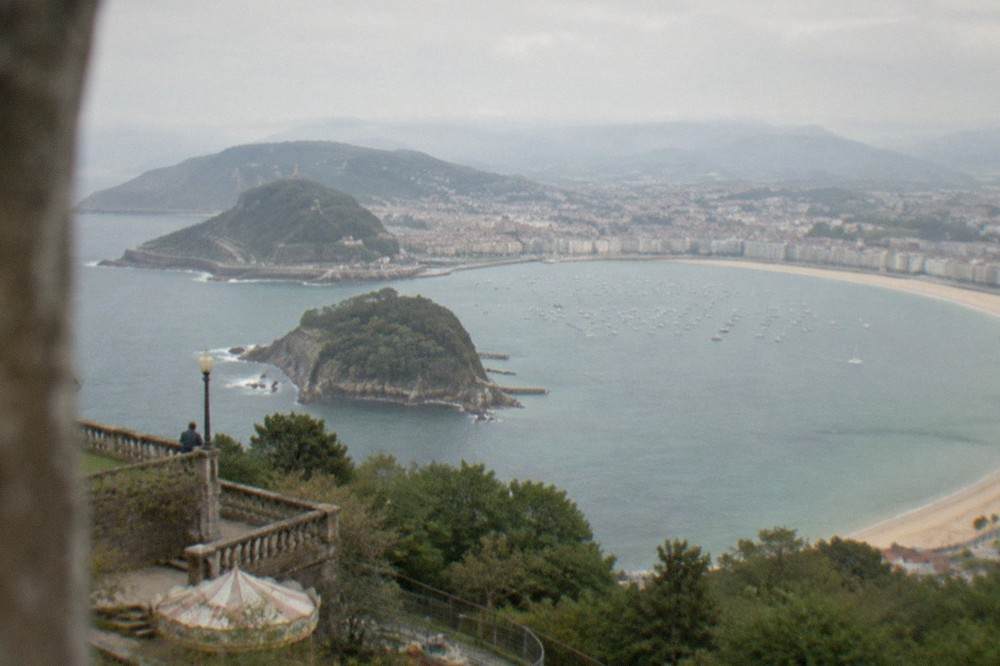
The verdict, then, is a qualified yes that in most cases becomes an unqualified one: the fare is small, the ride is historic, the view is the best single panorama of La Concha available anywhere, and the only real failure mode is arriving on a day the funicular's own rules shut it down. Check the sky, buy the return ticket, and give the hill a clear morning; the rest of San Sebastián, from the full things to do in San Sebastian roundup to the pintxo bars of the Old Town, will absorb whatever hours the summit does not.