San Sebastian Tourist Cards And Passes
San Sebastián, in the Basque Country of Spain, sells a city card, runs a single regional transport card and charges no tourist tax before 2027. Here is what each pass covers and which one a visitor actually needs.
Short answer
Most short-stay visitors to San Sebastián do not need the San Sebastián Card. A MUGI card covers buses and trains cheaply, several headline sights are free or nearly free, and the Gipuzkoa tourist tax does not begin until 1 January 2027.
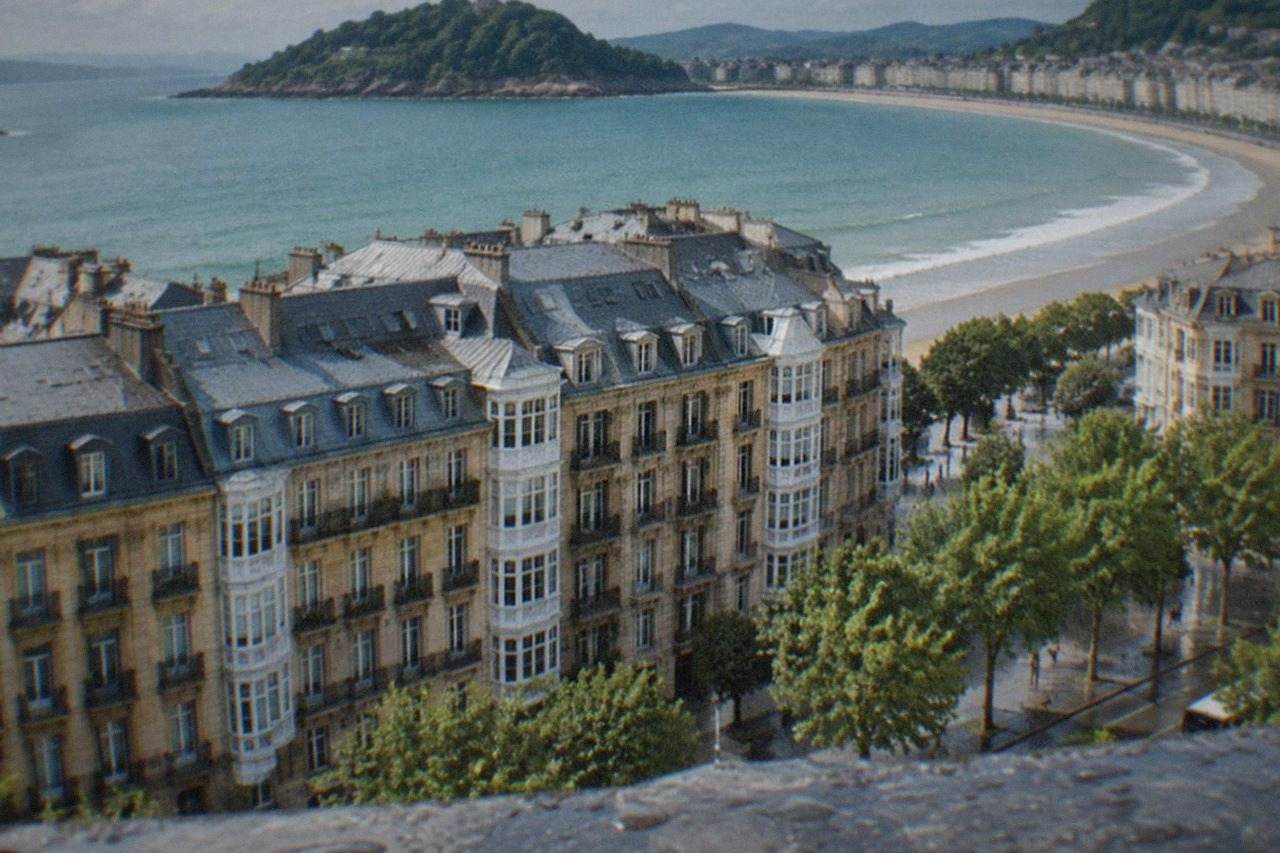
San Sebastián, the Basque city on La Concha bay whose official name is Donostia / San Sebastián, sits in the province of Gipuzkoa in northern Spain, and it sells fewer passes than its reputation suggests. There is a city sightseeing card, there is a regional transport card called MUGI, and there is a tourist tax that has been passed into law but that no visitor pays before 1 January 2027. Working out which of these applies to a given trip is mostly a matter of knowing what the city already gives away, and quite a lot of it is free.
This page lays out the passes one by one: what the San Sebastián Card is, what MUGI does and costs, what the museums and the funicular charge on their own, and how the coming Gipuzkoa tourist tax fits in. The honest headline is that a first-time visitor on a two or three day stay often spends less by paying directly, with a MUGI card in a pocket for the buses, than by buying a bundled pass. For a wider picture of the city before the money questions, start with where San Sebastian actually is.
What Is The San Sebastian Card?
The San Sebastián Card is the official tourist pass sold by the city's tourism board, a bundled product that packages local transport with discounts at museums, tours and other participating sights for the duration you choose, typically sold in day lengths. The tourism board publishes the current inclusions, prices and purchase points on its own site, and the pass is optional, no visitor needs one to enter the city, its beaches or its old town.
The card is a convenience product, not a requirement. It exists because the city is compact enough that a visitor can walk almost everything, yet scattered enough, with Monte Igueldo on one side and the Parte Vieja on the other, that a bus ride or two saves real time. The tourism board's own materials describe it as covering public transport plus a discount scheme across participating attractions and businesses.
What the card does not do is bypass anything. San Sebastián has no attraction where a pass skips a queue, and its headline sights, the beaches, Monte Urgull, the Peine del Viento, are open public spaces with no gate and no ticket at all. The card's value therefore rests entirely on how many of its discounted, paid sights a visitor intends to see, which is a shorter list in this city than in most Spanish destinations.
The current price is not printed here because the tourism board changes it, and the figure that matters is the one on its own site on the day you buy. Treat the card as something to price against your own plan rather than a default purchase.
What Does A San Sebastian Card Include?
A San Sebastián Card bundles the city's public transport, dBus city buses and the wider regional network, with a discount scheme across participating museums, guided tours, restaurants and shops, valid for the number of days purchased. The exact participating list changes with the seasons, so the tourism board's own product page is the only reliable source for what is inside the current edition, and several of the city's best sights are outside any pass because they are free or public spaces.
The structure matters more than the list. The transport element mirrors what a MUGI card already does, described in the next section, and the discount element behaves like a coupon book: a percentage off at sights that charge, nothing off at sights that do not. Since La Concha, Ondarreta, Zurriola, Monte Urgull and the Peine del Viento charge nothing, the discount element only earns its keep at the paid museums, the funicular and the boat.
For a visitor planning a museum-heavy couple of days, that arithmetic can work. For a visitor whose plan is beaches, pintxos and one viewpoint, it usually does not, and the same money is better spent on a pintxo crawl in the Parte Vieja.
The table below shows the paid sights a pass has to work against, with each venue's own published price. These are the numbers to check any card's discount against.
| Sight | Own published price | Notes |
|---|---|---|
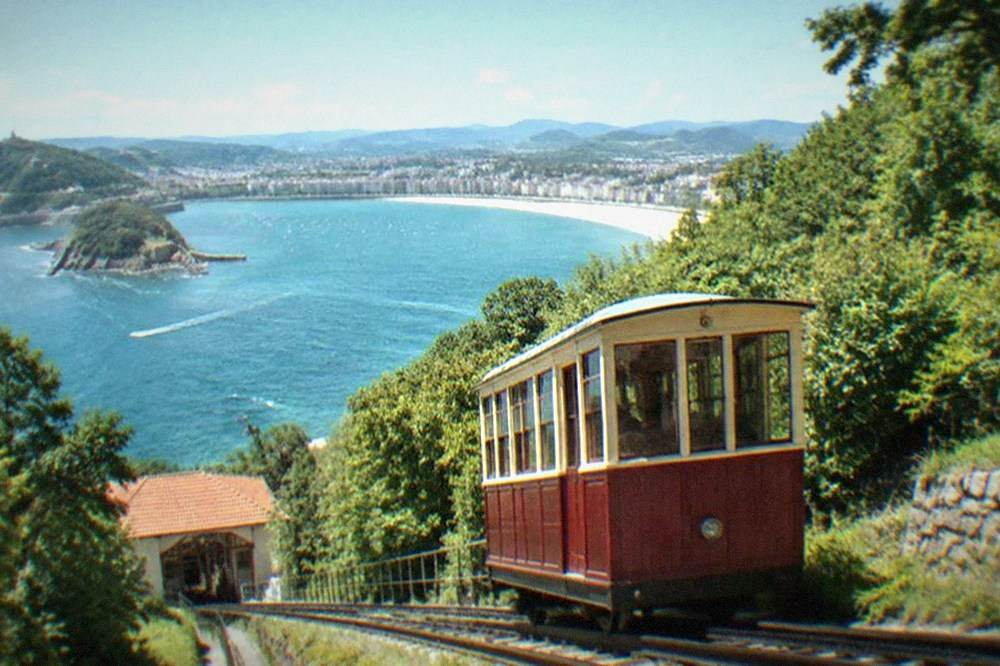
| Monte Igueldo funicular, return | 5.50 EUR adult, 2.50 EUR child | Ticket includes entry to the grounds |
| Monte Igueldo grounds and viewpoint, on foot or by vehicle | 3.00 EUR per person | For visitors not using the funicular |
| San Telmo Museoa | 10.00 EUR general, 4.00 EUR reduced | Free every Tuesday for everyone |
| Chillida Leku, Hernani | 14.00 EUR adult | Open daily except Tuesday and Wednesday |
| Eureka! Zientzia Museoa | 10.00 EUR museum, 12.50 EUR with planetarium | Separate planetarium tariff |
| Santa Clara island boat, red line | 5.00 EUR return | High season 1 June to 30 September |
| Santa Clara island boat, blue line | 8.00 EUR | Bay tour plus island, last sailing no landing |
Two things in that table change the card arithmetic immediately. San Telmo is free every Tuesday, and Hondalea, the Cristina Iglesias installation in the island lighthouse, is free too, with no booking needed for the short visit, only the boat. A Tuesday visitor sees the city's main museum and its most talked-about contemporary work for the price of a boat ticket.
Is The San Sebastian Card Worth It?
For a stay of three days or fewer, the San Sebastián Card is not worth buying, because the city's headline sights are free, its compact centre needs no transport, and the paid sights a card discounts are few enough that direct tickets cost less unless the plan is unusually museum-heavy. The card earns its price for longer stays, for visitors riding buses daily, or for a packed itinerary that hits several paid attractions inside the pass window.
The reason is the shape of the city. The Parte Vieja, the Centro, La Concha and Gros sit within a flat walk of each other, and the two hills that bookend the bay, Urgull and Igueldo, are each a single journey. A visitor who walks, and this is one of the most walkable cities in Spain, may ride a bus twice in three days.
The rain changes that, and it rains here: AEMET's normals for its Igeldo station record 1,507 mm a year over 141 rain days, and even July, the driest month, averages 86 mm. On a wet afternoon a bus pass and a museum list earn their keep, which is why the rainy day guide and the card question overlap. The trade-off, in plain terms:
| Visitor type | Best pass choice | Why |
|---|---|---|
| Two or three days, mostly walking | No card, or a MUGI card only | Direct tickets for one or two paid sights cost less |
| Museum-heavy short stay | Price the San Sebastián Card first | Multiple paid sights inside the window can clear the cost |
| A week or longer, buses daily | MUGI card, then price the city card | Transport savings are certain, sight discounts are not |
| Beach-focused summer stay | No card | Beaches, Urgull and the Peine del Viento are free |
| Tuesday visitor | No card | San Telmo is free for everyone on Tuesdays |
A guided walk on the first morning is a reasonable alternative to any pass, because it does the thing a card cannot: it explains the city. The Old Town walking tour is the one this site rates for that job, and it pairs a local's insight into the pintxo bars with the sort of orientation that makes every later decision, including the pass decision, easier to make.
If that walk sells you on the city, the box below is the quickest way to lock in a date before the rest of the planning continues.
Which Transport Passes Work In San Sebastian?
The transport pass that matters in San Sebastián is the MUGI card, the single fare system for the whole province of Gipuzkoa, covering dBus city buses, Lurraldebus regional buses and Euskotren trains, with an urban trip costing 0.78 EUR against 1.95 EUR paid in cash to the driver, and the card working across every operator in the system. A cash dBus ticket does not allow free transfers, while the card does.
MUGI is not a tourist product, it is what locals carry, and that is exactly why it is the one pass worth having. It is charged by zone jumps: one jump, roughly the step out to the next fare zone, costs 2.90 EUR as an occasional ticket or 1.16 EUR with the anonymous card. The Pasaia harbour motor boat, a useful little crossing on the far side of the bay, sits inside the urban fare zone, so the card covers it too.
| Ticket | Urban, 1 and 0 jumps | 1 jump | 2 jumps | 3 jumps |
|---|---|---|---|---|
| Occasional, cash | 1.95 EUR | 2.90 EUR | 5.40 EUR | 7.90 EUR |
| Night ticket | 2.65 EUR | 3.70 EUR | 6.45 EUR | 8.95 EUR |
| MUGI anonymous card | 0.78 EUR | 1.16 EUR | 2.16 EUR | 3.16 EUR |
| MUGI personalised, trips 1 to 20 in the month | 0.59 EUR | 0.88 EUR | 1.64 EUR | 2.41 EUR |
The Euskotren Topo, the coastal rail line that runs from the Amara terminus towards Hendaia across the French border, is inside the same system, and the occasional fare from Amara to Hendaia is the 1-jump price of 2.90 EUR. Trains run on the busiest days at roughly every 30 minutes. What the pack does not give, and this page therefore does not state, is what a MUGI card itself costs to buy, or how a visitor obtains one: the operator's own pages carry that.
One thing to ignore when reading older transport advice: the airport. Line E21 has not stopped at San Sebastián Airport since 1 June 2026, whatever a stale tourism page may still say. The operator lists E20, E23, E25, E27, E28, E29 and E30 as the airport lines, and E30 is the direct run from the city. Check the operator's timetable rather than any second-hand summary.
What Is Free In San Sebastian Without Any Card?
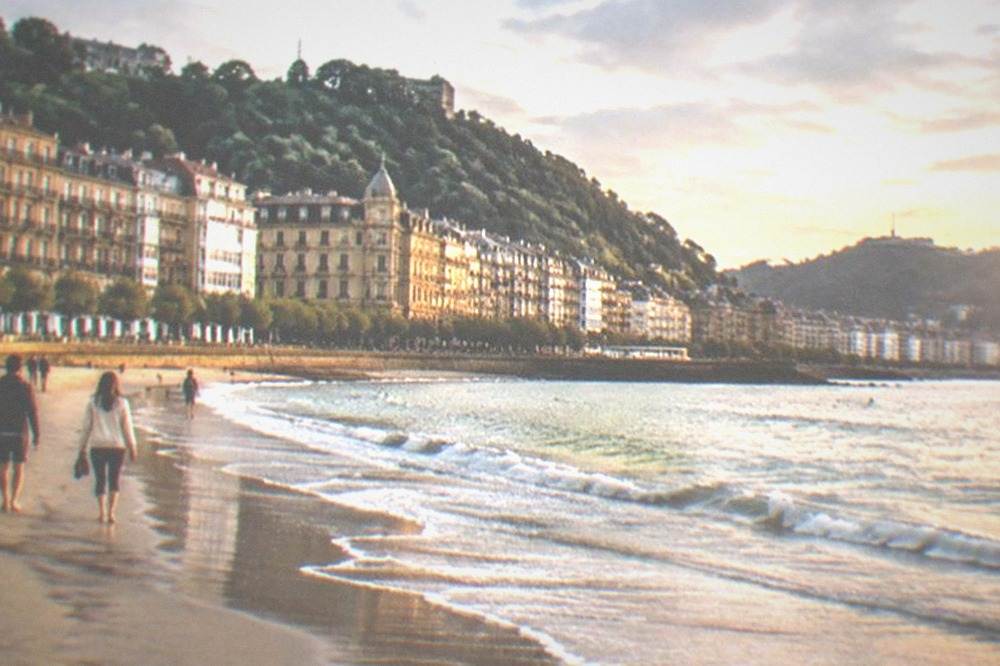
A large share of San Sebastián's best sights cost nothing at all: all three beaches, the whole of Monte Urgull with its access hours, the Peine del Viento sculptures at the end of Ondarreta, Tabakalera's building and its exhibition halls, Hondalea on Santa Clara island apart from the boat, and San Telmo Museoa every Tuesday, none of which requires a pass of any kind.
This is the fact that quietly decides the card question. A visitor can spend two full days on the city's signature experiences, La Concha, the Urgull hill, the Parte Vieja bars, the Peine del Viento at sunset, and spend nothing on entry fees at all. The lifeguard season on all three beaches runs 1 June to 30 September, with hours of 10:00 to 20:00 from mid-June to mid-September, and the beaches themselves are public at every hour of the year. Other pages covering the same trip are gathered on San Sebastian Spain Guide.
| Free sight | What it is | Any limit |
|---|---|---|
| La Concha, Ondarreta, Zurriola | The city's three sandy beaches | Lifeguards 1 June to 30 September only |
| Monte Urgull | Wooded hill, Castillo de la Mota, city views | Access 08:00 to 21:00 summer, to 19:30 from 1 October |
| Peine del Viento | Chillida's three steel sculptures on the rocks | Open public space, no gate |
| Tabakalera | Contemporary culture centre, free access | Closed Mondays; halls open limited hours |
| Hondalea, island lighthouse | Cristina Iglesias installation, inaugurated 2021 | 1 June to 30 September, boat fare applies |
| San Telmo Museoa | Basque society and history museum | Free Tuesdays; otherwise 10.00 EUR |
| Camino del Norte through the city | The coastal Santiago route crosses San Sebastián | Free, a walking route |
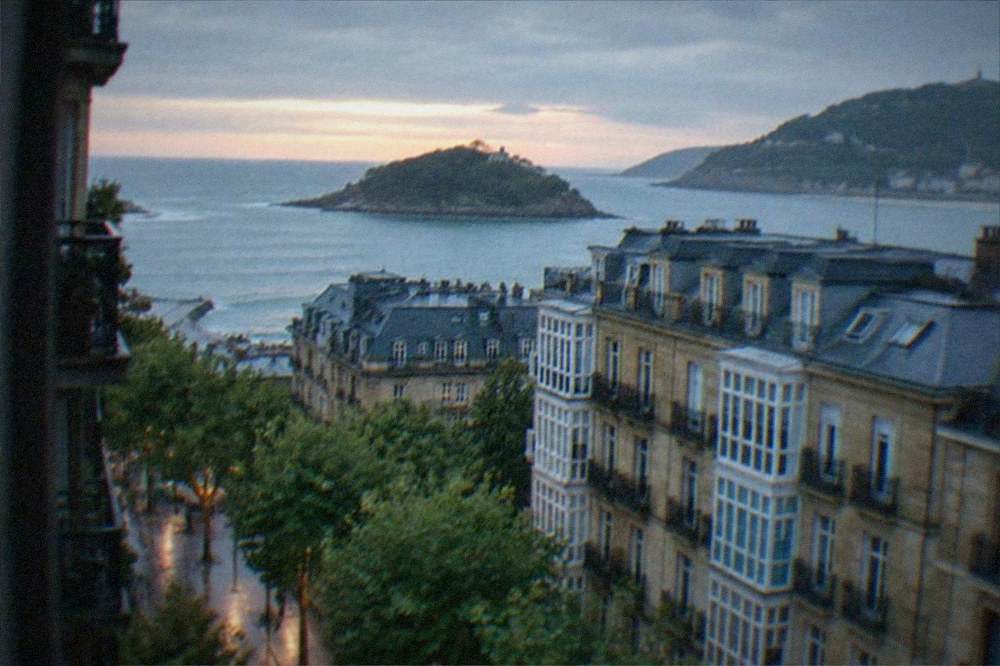
Hondalea deserves its own sentence because it is the one free sight with a paid dependency: the visit itself is free, sessions run every half hour from 11:00 to 18:30 in the summer season, and no booking is needed for the installation, but the island boat must be paid for and the crossing depends on weather and sea. After 30 September the installation closes for the season and the boat service drops out of its high-season timetable.
Do Museums And Attractions Need A Card?
No museum or attraction in San Sebastián requires a tourist card, every one sells its own ticket at its own desk, and the paid sights are few enough to list: San Telmo Museoa, the Monte Igueldo funicular and grounds, the Aquarium, the Eureka science museum and the island boats, with Chillida Leku outside the city in Hernani. Each sets its own hours and its own reductions, and each is cheaper to enter directly than through a pass unless several are stacked into one short window.
The reductions matter as much as the headline prices. San Telmo's 4.00 EUR reduced ticket covers students, visitors over 65 and large families, and entry is free for under 25s on any open day. Chillida Leku charges 10 EUR for groups of ten or more, students and over 65s, 7 EUR for under 18s and visitors with disabilities, and admits children up to 8 free. The Monte Igueldo funicular gives a 4.50 EUR return to groups of 20 or more, disabled card holders and San Sebastián Card holders, one of the few places where the city card shows up as a named discount, though group rates do not apply on weekends, holidays or long weekends.
Opening rhythm is the other trap. San Telmo is closed Mondays except holidays and long weekends. Tabakalera is closed Mondays too. Chillida Leku closes Tuesday and Wednesday, the reverse of almost everywhere else, which catches visitors who assume a universal Monday closure. The Aquarium closes on Mondays from October to March unless a long weekend intervenes. A card cannot fix a closed door, so the calendar matters more than the pass.
Where Does The Tourist Tax Fit In?
No visitor pays a tourist tax in San Sebastián before 1 January 2027, when Norma Foral 3/2026 of Gipuzkoa takes effect, a provincial law that sets maximum charges of up to 6.50 EUR per person per night in five-star hotels and up to 3.50 EUR in tourist apartments, with at most six nights charged per stay and under 18s exempt, while each council, including this one, chooses its own rate inside those bands.
The law is real and passed, published in the Basque Official Gazette on 25 June 2026, but it is not yet a charge on any bill. The city council's own rate has not appeared in an official publication this page can rely on, so the honest statement is the band, attributed to the Gipuzkoa law, and nothing more specific. A stay booked before 5 February 2026 is not charged under the law's own transitional provision.
| Accommodation type | Band minimum | Band maximum |
|---|---|---|
| Hotel 5 stars | 4.50 EUR | 6.50 EUR |
| Hotel 4 stars | 3.50 EUR | 5.50 EUR |
| Hotel 3 stars | 1.50 EUR | 3.50 EUR |
| Tourist apartments | 1.50 EUR | 3.50 EUR |
| Campsites, rural houses, hostels | 0.75 EUR | 1.75 EUR |
| Tourist-use dwellings | 4.50 EUR | 6.50 EUR |
For a visitor budgeting a 2027 trip, the working assumption is up to the band maximum for the accommodation type, multiplied by the people over 18 and capped at six nights. For any trip in 2026, the line item is zero, and no pass, card or booking changes that. The cost side of a San Sebastián trip is covered in more detail in is San Sebastian expensive.
Which Pass Should A First-Time Visitor Actually Buy?
A first-time visitor on a short stay should buy a MUGI card for the buses and trains and nothing else, because the city's walkable centre and its free headline sights leave little for a bundled pass to discount, while the MUGI card cuts the urban bus fare from 1.95 EUR in cash to 0.78 EUR and works on the regional buses and the Topo train too. Add the San Sebastián Card only if the confirmed plan includes three or more paid sights inside its window.
The decision is arithmetic, not taste. Count the paid sights on the itinerary, price them from the table above, and compare with the card's current price on the tourism board's own page. Two paid sights, say the funicular and San Telmo on a non-Tuesday, rarely clear the bar. Four, including a boat and a museum, can.
The other passes and cards floating around the region deserve a sentence each. The Basque Card is a wider regional product whose current price this page does not state. The dBizi bike share is the city's public bicycle scheme, and its terms for visitors are not published in a form this page can rely on, so ask at a kiosk. None of these is needed for a standard first visit, and the money saved is better spent on the things San Sebastián is actually famous for, which the what the city is known for guide sets out.
For a day outside the city, the Chillida Leku guided visit is the one paid sight that pairs naturally with a pass-free plan, since the museum is in Hernani and is visited on its own ticket, with a guide who walks the sculpture park with the group.
Back in the centre, two cheap individual tickets fill the gaps a pass would claim to fill. The short guided walk that ends with a pintxo and a drink is the budget option, and it needs no card of any kind.
The other gap is the bay itself, and the boat with its island stop covers it on a one-day ticket bought directly at the harbour.
Common Questions About San Sebastian Tourist Cards
Is There A Tourist Tax In San Sebastian?
Not yet. Norma Foral 3/2026 of Gipuzkoa takes effect on 1 January 2027 and sets bands of up to 6.50 EUR per person per night at the top of the hotel scale, with at most six nights charged and under 18s exempt. No visitor pays a tourist tax in the city before that date, and the council's own rate has not been published.
Does The San Sebastian Card Include Transport?
Yes, the card packages the city's public transport with a discount scheme at participating sights and businesses. The current inclusions and price are published by the tourism board on its own product page, and the transport element overlaps with what a MUGI card does on its own.
What Is The MUGI Card In San Sebastian?
MUGI is the single fare system for the province of Gipuzkoa, covering dBus city buses, Lurraldebus regional buses and Euskotren trains. An urban trip costs 0.78 EUR with the anonymous card against 1.95 EUR paid in cash, and the card covers the Pasaia harbour boat too.
Is The San Sebastian Card Worth It?
Usually not on a short stay. The beaches, Monte Urgull, the Peine del Viento and Tabakalera are free, the centre is walkable, and the paid sights are few. The card can pay off on a museum-heavy itinerary that stacks three or more paid sights inside its validity window.
Is San Telmo Museum Free In San Sebastian?
Yes, every Tuesday, for everyone. On other days general admission is 10.00 EUR and the reduced ticket is 4.00 EUR, with free entry for under 25s among other groups. The museum is closed Mondays except holidays and long weekends.
Can You Visit San Sebastian Without Buying Any Pass?
Completely. A visitor can walk the old town, all three beaches, Monte Urgull and the Peine del Viento, ride a bus with cash or a MUGI card, and pay only for the one or two paid sights actually chosen, such as the funicular or an island boat ticket.
The short version of this whole page: carry a MUGI card, walk everywhere the legs allow, pay the funicular and the boat directly, and check the tourism board's own page for the San Sebastián Card's current price before deciding it is worth more than the sum of those parts.