Car Rental In San Sebastian
San Sebastián, the Basque city on La Concha bay whose official name is Donostia / San Sebastián, is compact, walkable and served by trains and buses, so a rental car is a choice rather than a necessity. This guide covers when hiring one pays off, where to pick it up, what the verified local fares are, and which day trips justify the wheel.
Short answer
You do not need a car inside San Sebastián: the centre is walkable, dBus rides cost 1.95 EUR cash and the E30 bus links the airport directly to the city. A rental car earns its keep for day trips along the Gipuzkoa coast, to Rioja or into the French Basque Country, and Monte Igueldo offers free parking during a visit.
San Sebastián, in the Basque Country of northern Spain, is a city built around a bay, and its official name, Donostia / San Sebastián, says something about how the place works: two languages, one compact municipality of 189,866 people on the INE municipal register, and a centre you can cross on foot in half an hour. That compactness is the reason this page exists. Visitors tend to ask not "where do I rent a car" but "should I rent one at all", and the honest answer, drawn from the council's own transport pages and the operator sites, is that a car is a day-trip tool here, not a city tool.
Do You Actually Need A Car In San Sebastian?
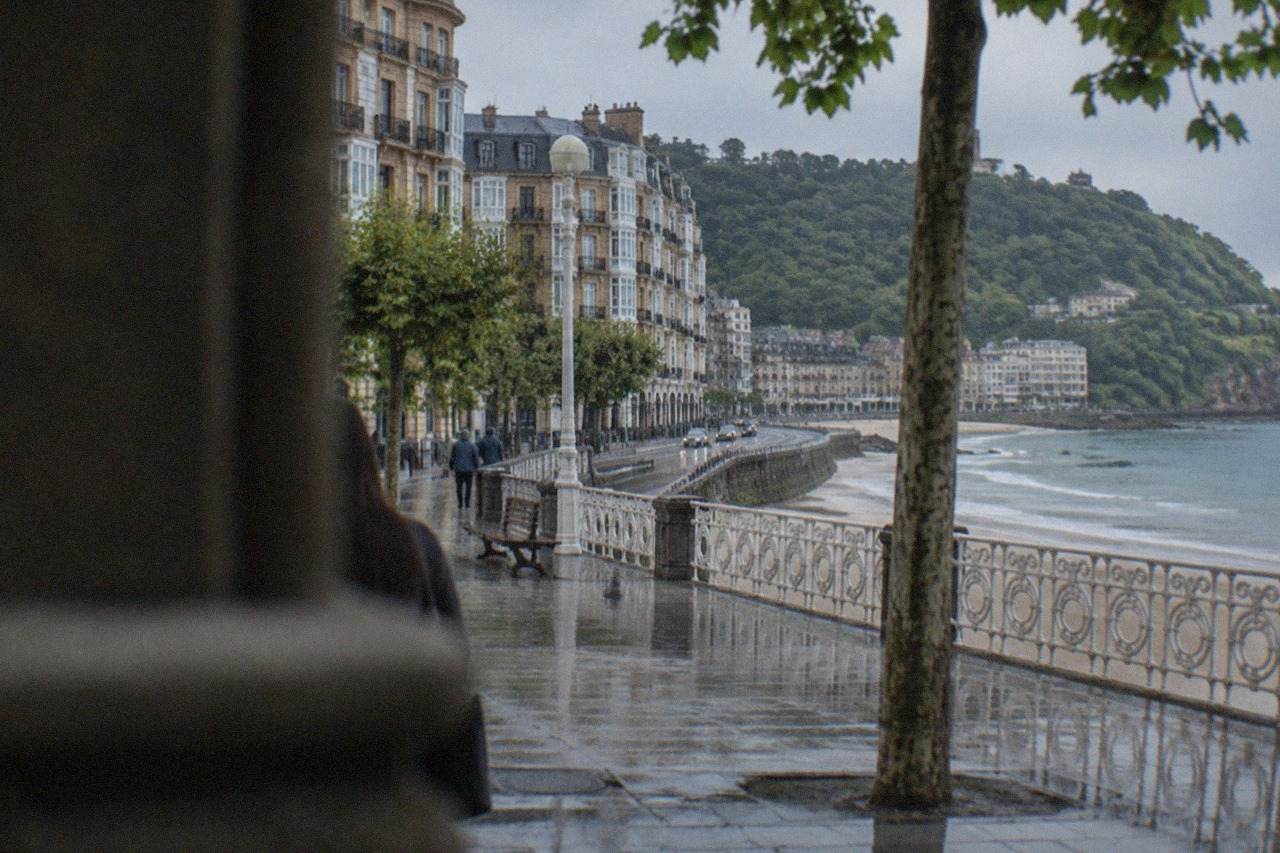
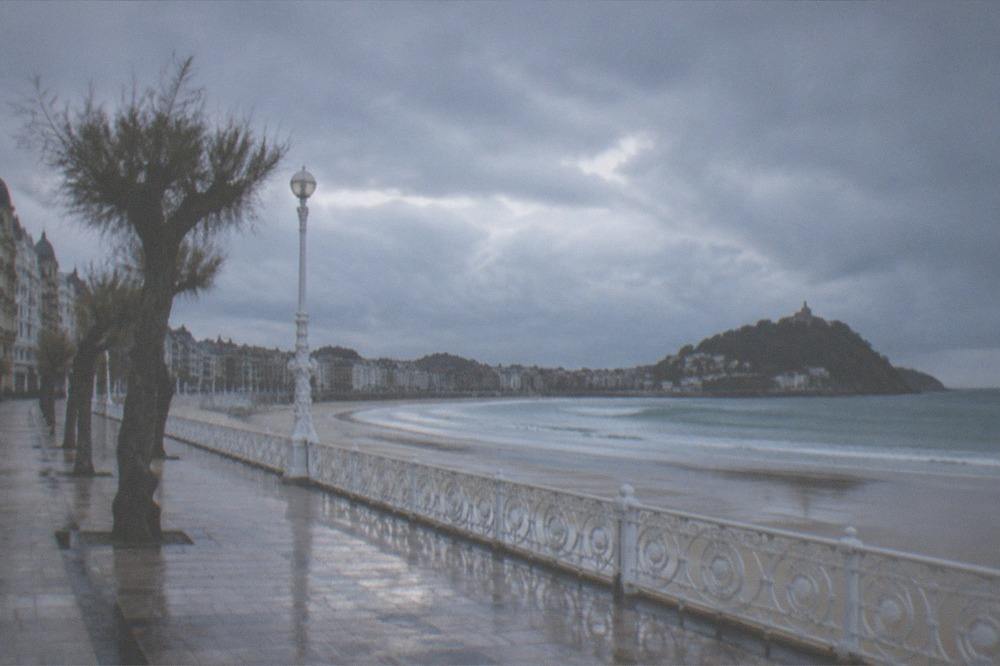
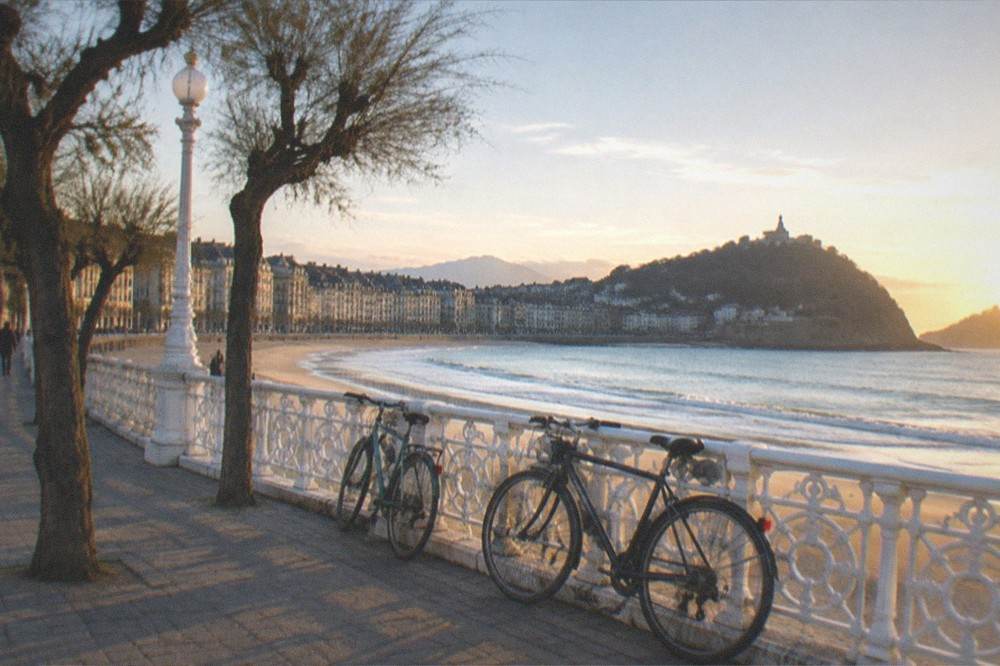
For the city itself you do not need a car: the centre, the three beaches and the Old Town sit within walking distance of each other, dBus covers anything beyond foot range for a 1.95 EUR cash fare, and the council describes La Concha, Ondarreta and Zurriola as one continuous sandy shoreline around the bay. A rental car becomes useful the moment you leave the municipality, for the Gipuzkoa coast, Rioja, or the French Basque Country across the border.
The geometry of the place does most of the work. La Concha runs 1,350 metres, Ondarreta 600 and Zurriola 800, and the tourism board's own pages treat the two bays as a single stroll. Monte Urgull, the headland between them, has published access hours rather than a road: 08:00 to 21:00 from 1 May to 30 September, closing at 19:30 the rest of the year. You cannot drive onto it, so a car adds nothing there.
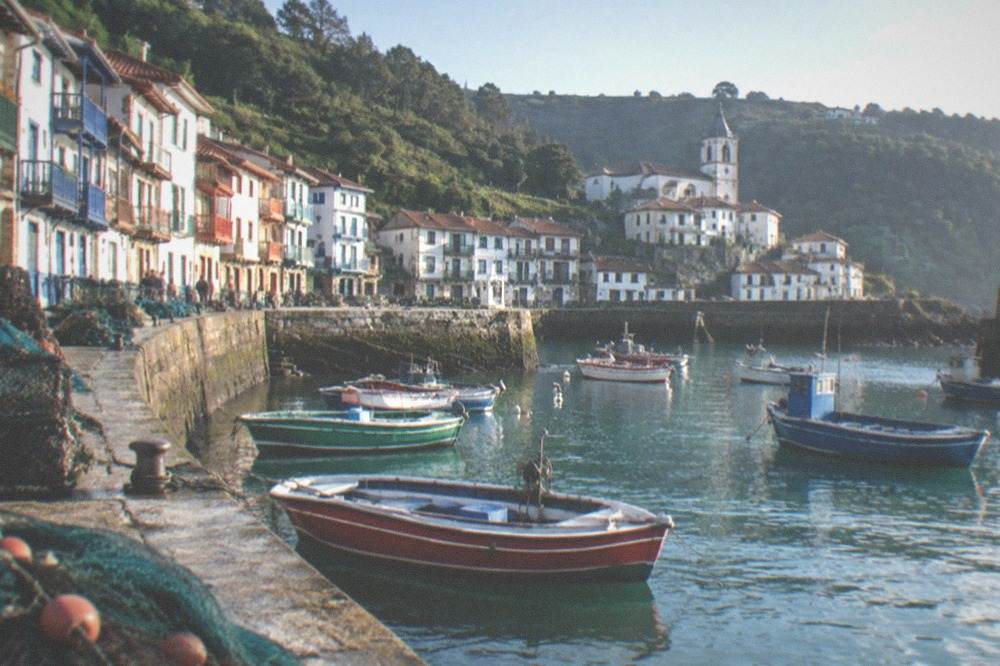
What a car does add is reach. The Basque Coast UNESCO Global Geopark at Zumaia, the txakoli town of Getaria, the walled village of Laguardia in Rioja and the French beaches at Biarritz are all outside the city, and public transport to some of them is thin or indirect. That is the real decision on this page, and the sections below work through it: pickup points, the fares you would otherwise pay, the one hill with a funicular, and the trips that justify the hire.
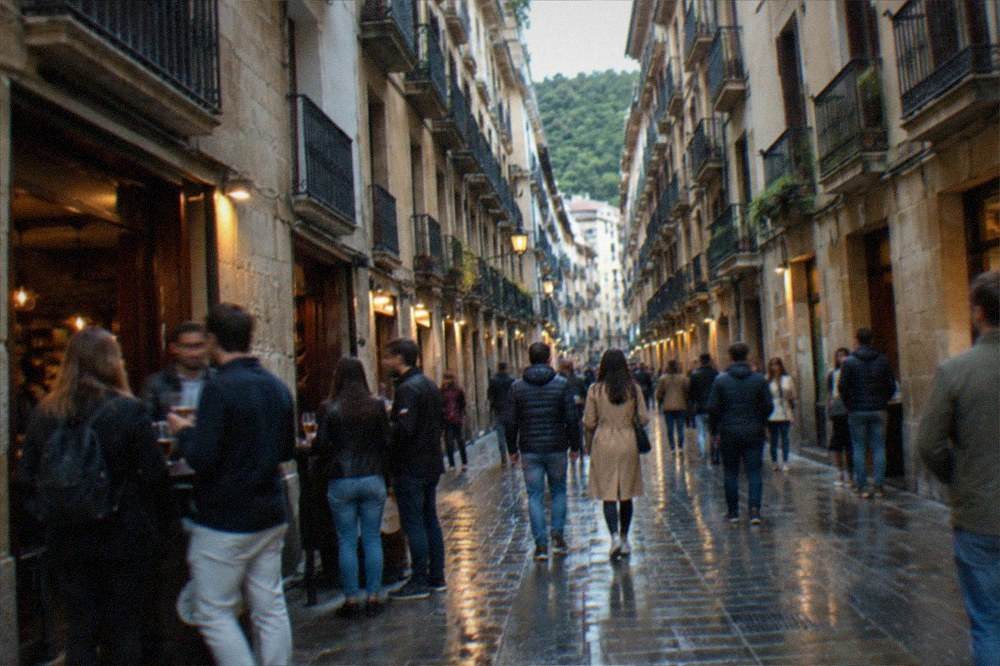
If the plan is mostly city, a bike or a pair of walking shoes beats a steering wheel. The two and three day itineraries assume no car at all, and a small-group ride such as this one covers the ground a car would, without parking:
Where Do You Pick Up A Rental Car For San Sebastian?
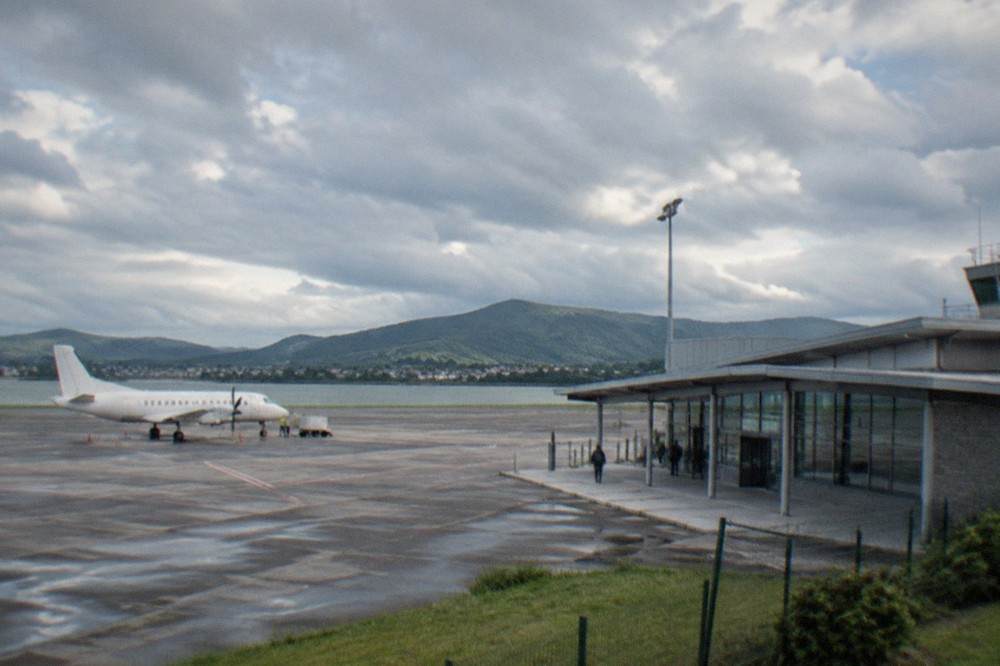
Most renters pick up at San Sebastián Airport, 20 km away at Hondarribia, or fly into Bilbao, 105 km away, where the Basque Government's airport page lists a direct PESA coach to the city. Biarritz in France is 45 km away, and the tourism board lists direct services from both Bilbao and Biarritz toward the city. The airport bus to reach a downtown rental desk is the E30, the direct Donostia to airport line.
One detail matters more than any other, because a stale page still gets it wrong. Since 1 June 2026, line E21 no longer stops at San Sebastián Airport at all: the operator's own notice says boarding and alighting are both suppressed at the terminal stops. The lines the operator currently lists as serving the airport are E20, E23, E25, E27, E28, E29 and E30, and E30 is the direct one. A tourism board page still naming E21 is out of date, so trust the operator.
The tourism board summarises the airport picture this way: three airports within a little over 100 km, two of them international. Vitoria-Gasteiz sits 100 km away but has no direct service listed, which makes it the weakest pickup option of the four.
| Airport | Code | Distance listed by the tourism board | Direct service to the city |
|---|---|---|---|
| San Sebastián, at Hondarribia | EAS | 20 km | E30 airport bus, direct line |
| Biarritz, France | BIQ | 45 km | Listed as direct service |
| Bilbao | BIO | 105 km | Listed as direct service, PESA coach |
| Vitoria-Gasteiz | VIT | 100 km | No direct service listed |
For arrivals through Bilbao, the Basque Government's page gives the PESA Lurraldebus coach at 17.10 EUR to San Sebastián with a journey of roughly 75 minutes, running hourly from the airport on working days between 07:45 and 23:45, and every 30 minutes in July and August. That page carries no date, so re-check the operator before relying on the fare. Renting at the airport and driving the rest is a reasonable alternative, and the Bilbao to San Sebastian guide compares the two approaches in detail.
What Does Getting Around Without A Car Cost In San Sebastian?
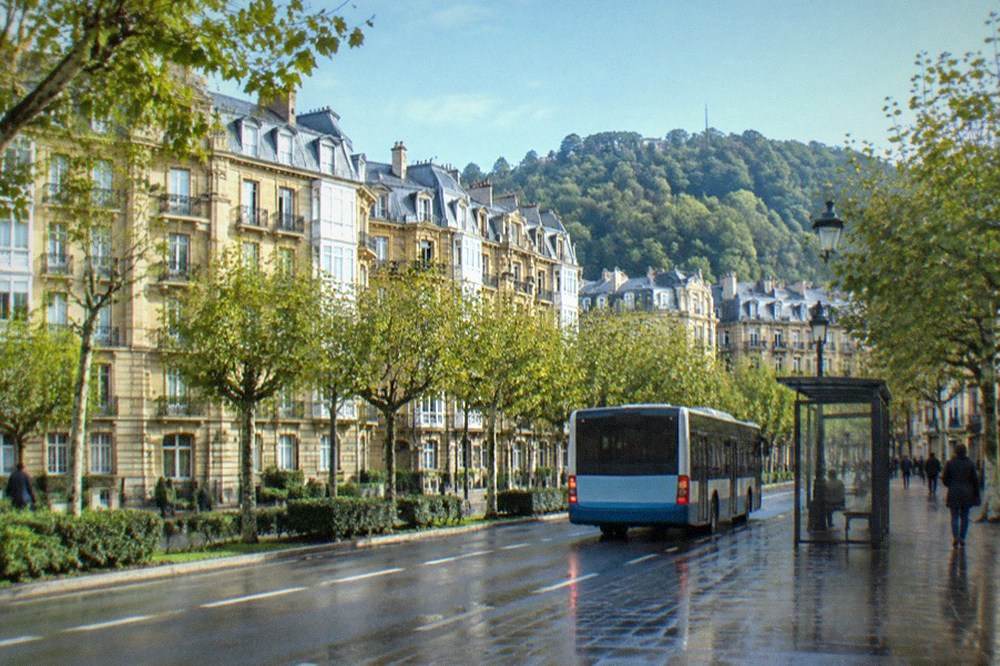
A single dBus city ride paid in cash to the driver is 1.95 EUR, the night ticket is 2.65 EUR, and cash does not allow free transfers. With a MUGI card the same urban trip drops to 0.78 EUR anonymous or 0.59 EUR personalised for the first twenty trips of the month, and the MUGI tariff table covers Lurraldebus and Euskotren across the whole province of Gipuzkoa.
Those figures come from the fare pages themselves, and they are the strongest argument against a city car. The dBus network's own published data runs to 50 routes and 541 stops, and the fare page confirms exactly two cash prices, 1.95 and 2.65. The MUGI system is the single fare scheme for Gipuzkoa, so the same card works on city buses, regional buses and the Euskotren Topo rail line.
| Ticket | Urban 1, zero jumps | 1 jump | 2 jumps | 3 jumps |
|---|---|---|---|---|
| Occasional, cash | 1.95 EUR | 2.90 EUR | 5.40 EUR | 7.90 EUR |
| Night ticket | 2.65 EUR | 3.70 EUR | 6.45 EUR | 8.95 EUR |
| MUGI anonymous card | 0.78 EUR | 1.16 EUR | 2.16 EUR | 3.16 EUR |
| MUGI personalised, trips 1 to 20 | 0.59 EUR | 0.88 EUR | 1.64 EUR | 2.41 EUR |
The Topo rail line is the sleeper option for border trips. Computed from the operator's own timetable data, the run from Amara station in the city to Hendaia in France takes 37 to 38 minutes, with departures every 30 minutes on the busiest service day, and the occasional fare is 2.90 EUR, exactly the MUGI one-jump price. A new underground section through the city centre has finished its civil works, but no opening date has been published, and Amara remains the working terminus, so plan around it.
For seeing the city itself rather than leaving it, a self-guided option fills the gap a hire car cannot:
Between the bus network, the Topo train and a bike, the only thing a car still does better inside the municipality is carry luggage on arrival day, and a taxi or the airport bus handles that. Where the car question really opens up is the region beyond the city, and the three options below bracket the choice: a guided coach across the border, a self-guided audio walk of the centre, and an e-bike history ride out to the beaches.
If the French Basque Country is the part of that list that pulls hardest, there is a dedicated way to test the no-car plan before committing to a hire desk.
Can You Drive Up Monte Igueldo Instead Of Taking The Funicular?
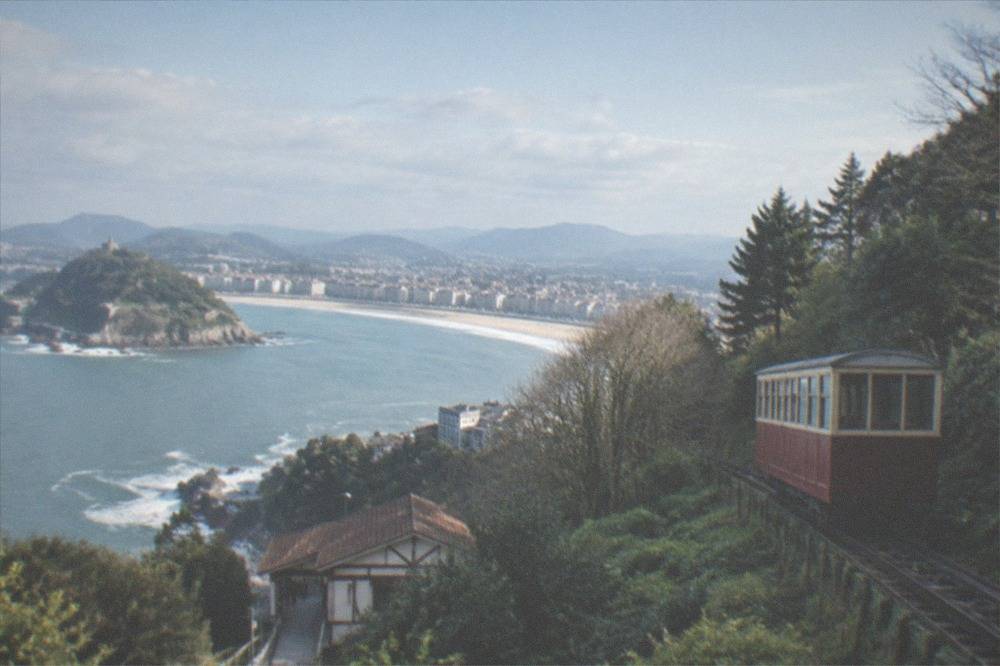
Yes, you can reach Monte Igueldo by road, and the site's own home page offers free parking during your visit, but entry to the grounds and viewpoint by any vehicle or on foot is 3.00 EUR per person. The 1912 funicular costs 5.50 EUR return for an adult, includes grounds entry, and there is no downhill-only ticket: the home page states that downhill funicular tickets are not on sale.
That last sentence kills a plan many visitors arrive with. Walking up and riding down is not an option the site sells, so choose your direction before you commit. The funicular, which the tourism board calls the oldest in the Basque Country, normally runs every 15 minutes on the hour, quarter past, half past and quarter to, and more often when busy. Its own FAQ notes rides close on rainy days, which in this city is a real consideration: AEMET's Igeldo station records rain on 141 days a year.
| Monte Igueldo ticket | Adult | Child up to 7 |
|---|---|---|
| Funicular return, grounds entry included | 5.50 EUR | 2.50 EUR |
| Funicular single | 4.00 EUR | 1.50 EUR |
| Grounds and viewpoint by vehicle or on foot | 3.00 EUR per person | 3.00 EUR per person |
| Special ticket, animals or packages | 2.50 EUR | 2.50 EUR |
Group discounts exist for twenty or more, disability card holders and San Sebastián Card holders at 4.50 EUR return, but the site states they do not apply on weekends, holidays or long weekends. Daily opening hours sit behind a date selector on the site, so check the calendar there before driving out. The hilltop is one of the city's signature views, and the Monte Igueldo guide covers the park and the funicular's history in full.
Which Day Trips From San Sebastian Are Worth A Car?
The trips that justify a rental car are the ones public transport serves thinly: the Gipuzkoa coast through Zarautz, Getaria and Zumaia, the Rioja wine country around Laguardia, Gaztelugatxe north of Bilbao, and the French Basque Country beyond Biarritz. Inside the province the Topo train already reaches Hendaia in under 40 minutes, and guided coach and minibus day trips cover the French towns, Bilbao and Pamplona without a hire.
This is where the car question flips. The coastal route the tourism board lists as Camino de Santiago stages, Pasaia to Donostia and Donostia to Orio among them, strings together fishing towns and txakoli country that a train line does not follow. Getaria, home of the Balenciaga museum at 14 EUR entry and the txakoli bodegas, is a short drive but a slow bus ride. Zumaia's flysch cliffs belong to the UNESCO Global Geopark, a designation the area has held since 2015. Other pages covering the same trip are gathered on San Sebastian Spain Guide.
The French side is the special case. Border crossings by car are routine, but a guided day removes the paperwork question entirely, and this is the one trip on this page where a coach genuinely competes with driving:
For renters, the practical split looks like this:
| Destination | Region | Why a car helps | Without a car |
|---|---|---|---|
| Getaria and Zarautz | Gipuzkoa coast | Bodegas and coastal stops between towns | Guided coast day trip by vehicle |
| Zumaia flysch | Basque Coast Geopark | Cliffs and viewing points away from stations | Guided coast day trip |
| Laguardia, Rioja | Rioja Alavesa | Winery visits across scattered villages | Full-day Rioja tour from the bus station |
| Gaztelugatxe and Bilbao | Biscay | Hermitage access plus city driving | Small-group day from the bus station |
| Biarritz and Bayonne | French Basque Country | Border flexibility | Coach excursion, or Topo to Hendaia |
Pamplona and Hondarribia both run as guided days from the city as well, so the car's real monopoly is the coastal string and the Rioja villages. The day trips guide and the Basque Country itinerary lay out the same choice over more days.
What Is The Weather Like For Driving Around San Sebastian?
AEMET's climate normals for the Donostia / San Sebastián Igeldo station, period 1981 to 2010, show 1,507 mm of rain a year over 141 rain days, and no month averages under 86 mm: July is the driest at 86 mm and November the wettest at 169 mm. Mean temperatures range from 8.5 C in January to 19.5 C in August, so wet-road driving is a year-round reality here, not a winter special.
The station sits 250 m up on Monte Igeldo, so the seafront runs slightly warmer than these values, but the pattern holds everywhere in the region: this is a wet Atlantic city, and any driving plan should assume rain somewhere in the week. August, at 117 mm, is actually wetter than June, July or September, which surprises visitors who book a beach month expecting a dry one.
| Month | Mean C | Rain mm | Days with 1 mm or more | Sun hours |
|---|---|---|---|---|
| January | 8.5 | 141 | 13.2 | 98 |
| April | 11.3 | 138 | 13.4 | 157 |
| July | 18.9 | 86 | 9.8 | 196 |
| August | 19.5 | 117 | 10.5 | 190 |
| November | 11.3 | 169 | 13.0 | 102 |
| December | 9.1 | 151 | 12.4 | 93 |
The practical reading for a renter: coastal roads stay open in rain but the views do not, and the funicular closes on rainy days. The weather guide and the best time to visit guide carry the full monthly table, and the rainy day guide is the plan B that keeps a wet week full.
What Rules Should A Visitor Driving In San Sebastian Know?
Spain is in the Schengen area of 29 countries, the currency is the euro, and the emergency number is 112, with the local police at 092 and the Ertzaintza listed by the tourism board at 088. A Gipuzkoa law, Norma Foral 3/2026, creates a tourist tax from 1 January 2027 of up to the band maximums, at most 6 nights charged per person and under 18s exempt, but no visitor pays it before that date.
The tax detail matters to anyone booking accommodation for a driving trip, because the law sets bands per person per night and each council picks its own rate inside them: up to 6.50 EUR for five-star hotels and tourist-use dwellings, down to 0.50 EUR for agroturismos. The city of San Sebastián's own rate has not been published in a sourced municipal ordinance, so treat the band maximum as the ceiling and expect the accommodation to collect it from 2027. Stays booked before 5 February 2026 are not charged under the law's transitional provision.
For the border runs, ETIAS is not in operation: the EU's own page states plainly that no applications are being collected, so there is nothing to apply for. A French day trip by rental car needs only the normal documents. And if the trip is more city than coast, the things to do overview covers everything reachable without a wheel.
Car Or No Car: How To Decide For Your Trip
Rent a car if your itinerary is built on the Gipuzkoa coast, Rioja or multiple French towns; skip it if your days are the bay, the Old Town and one or two guided excursions. The verified numbers behind that rule: a city bus ride is 1.95 EUR, the Topo reaches France in 37 to 38 minutes for 2.90 EUR, and the direct airport bus is the E30 from a station 20 km from downtown.
The middle cases are where the trio below earns its place. A guided coach handles the French Basque Country, an e-bike covers the city's own bike-lane network out to the beaches, and a self-guided audio tour fills a spare afternoon at a lower cost than a day's hire. Between them they replace most of what a car does inside the municipality.
The pattern across this whole page is consistent: the city rewards feet, bikes and boats, and the region rewards a steering wheel. Decide on the ratio before you book, because a car parked at a hotel for four days of pintxo bars and beach walks is a cost with no return, while a car hired for two coast days pays for itself in reach. Check the operator's live listing for any tour before booking, and re-check the airport bus line before you fly: the E21 that older pages still print has not stopped at the terminal since 1 June 2026.
Common Questions About Car Rental In San Sebastian
Do I need a car to enjoy San Sebastian?
No. The centre, the three beaches and the Old Town are walkable, dBus covers the rest of the city for a 1.95 EUR cash fare, and the bay boat, the funicular and the Topo train handle the classic excursions. A car only becomes useful for day trips beyond the municipality.
Which airport should I fly into to rent a car for San Sebastian?
San Sebastián Airport at Hondarribia is closest at 20 km, and the E30 bus runs directly between the airport and the city. Bilbao is 105 km away with a listed direct coach service, and Biarritz in France is 45 km away. Vitoria-Gasteiz has no direct service listed.
Does the E21 bus still serve San Sebastian Airport?
No. Since 1 June 2026 line E21 no longer stops at the airport in either direction, according to the operator's own notice. The lines currently serving the airport are E20, E23, E25, E27, E28, E29 and E30, with E30 the direct line.
Is parking free anywhere in San Sebastian?
The one verified free parking fact is at Monte Igueldo, where the site's own home page offers free parking during your visit. No city car park's prices were confirmed here, so check each one directly before relying on a rate.
Can I drive to Monte Igueldo instead of taking the funicular?
Yes, and parking during the visit is free, but entry to the grounds and viewpoint by any vehicle or on foot is 3.00 EUR per person. The funicular return at 5.50 EUR includes grounds entry, and there is no downhill-only ticket.
Is it worth renting a car for day trips from San Sebastian?
For the Gipuzkoa coast, Rioja and multiple French towns, yes, because public transport between them is thin. For Biarritz, Bilbao or Pamplona alone, a guided day trip from the city covers the same ground without the drive or the parking.