Onati And Arantzazu
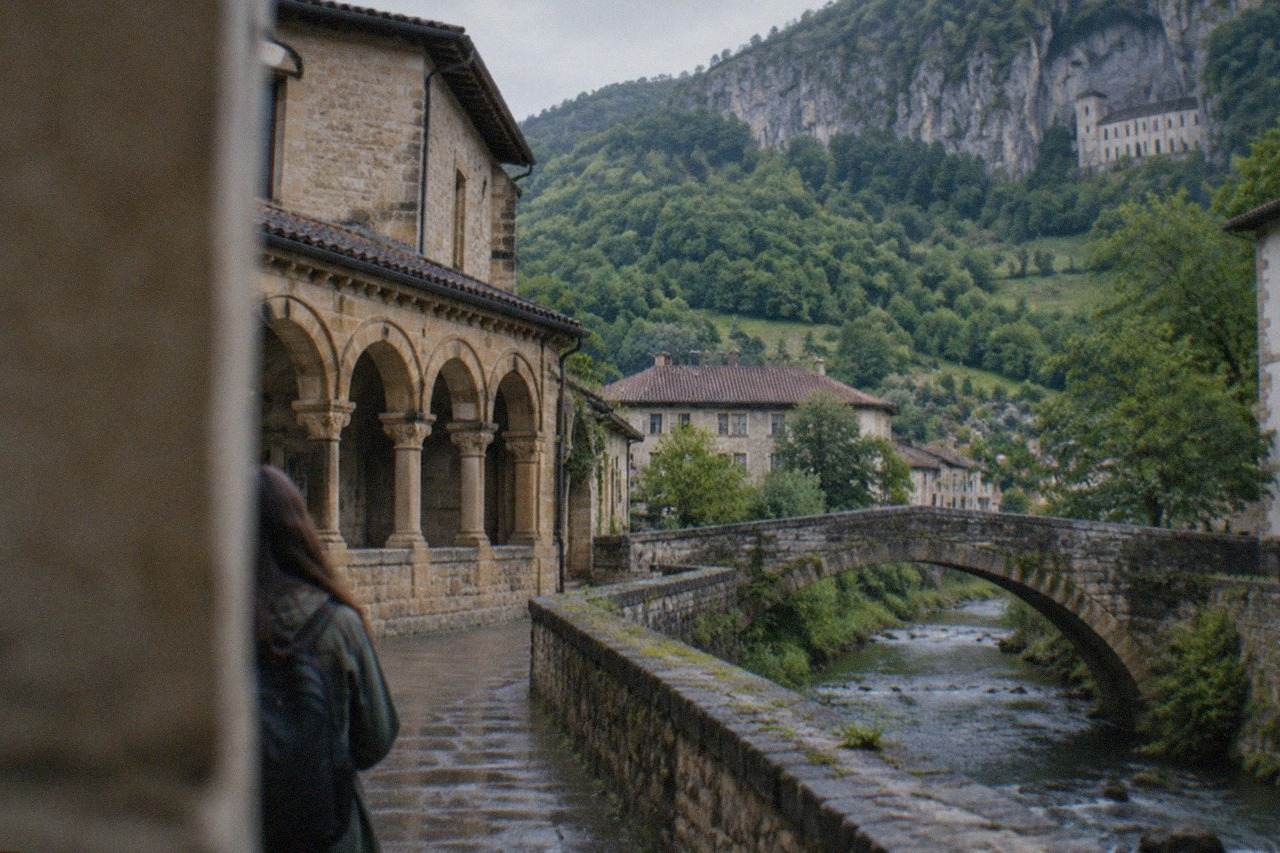
Oñati is one of the most historic small towns in Gipuzkoa, and the sanctuary of Arantzazu sits in the hills above it, both reachable as an inland day trip from San Sebastián in the Basque Country, Spain.
Short answer
Oñati is a small town in the interior of Gipuzkoa, the same Basque province as San Sebastián, known for its old university building and its stone old quarter, with the sanctuary of Arantzazu in the hills above. There is no direct tour from the city, so a visit means a self-planned trip or a private guide.
Oñati sits inland in Gipuzkoa, the same Basque province as San Sebastián, the city on La Concha bay whose official name is Donostia / San Sebastián, and it makes one of the region's most rewarding inland day trips. The town is small, built of stone around a historic main square, and it carries a distinction no other town in the province can claim: it held the Basque Country's first university, whose original building still stands in the centre. Above the town, the sanctuary of Arantzazu leans against a limestone cliff in a landscape of karst hills that feels entirely different from the bay and beaches two provinces of guidebooks usually describe. This page lays out what the trip involves, how to plan it, and how it compares with the other excursions you can take from the city.
Where Is Onati, And Why Does It Pair Well With A San Sebastian Day Trip?
Oñati is a town in the interior of Gipuzkoa, the Basque province whose capital is San Sebastián, lying inland among limestone hills rather than on the coast. It is best known for the original building of the Basque Country's first university and for the sanctuary of Arantzazu in the hills above the town. The two sit close enough to each other to be combined in a single day, which is why they are usually visited together.
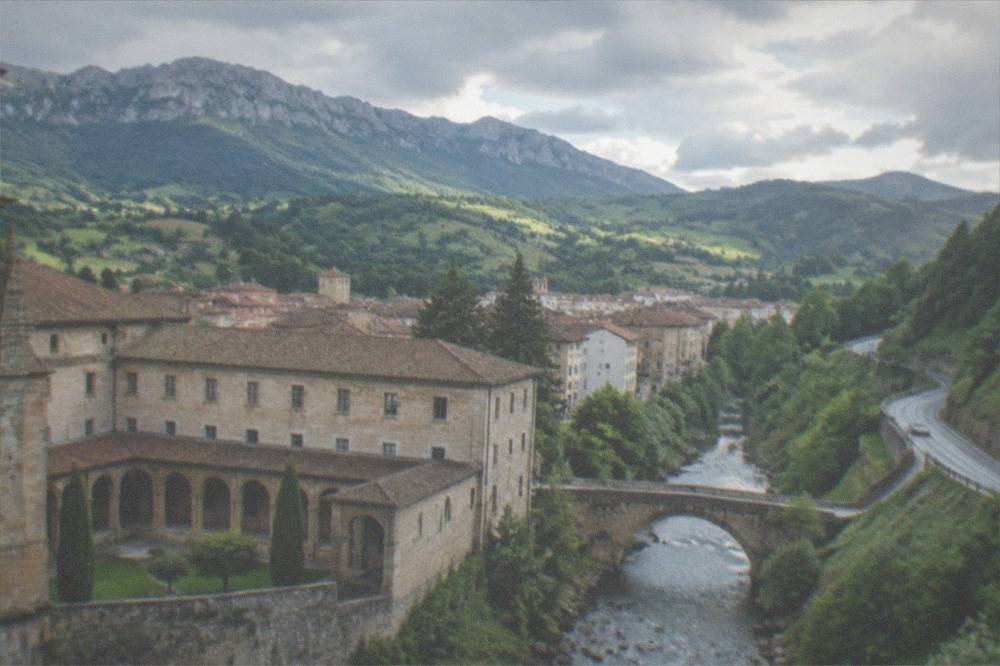
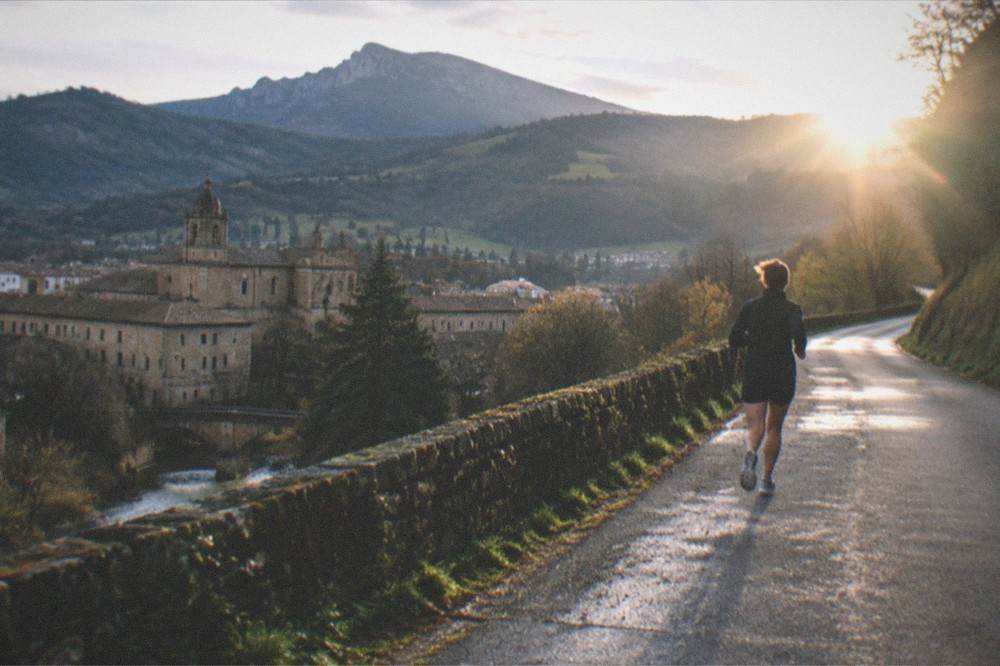
San Sebastián, or Donostia as it is called in Basque, is a coastal city, and most of its famous day trips follow the water: Getaria and Zumaia along the coast, Hondarribia at the mouth of the Bidasoa, Biarritz across the French border. Oñati belongs to a second, quieter family of excursions, the inland ones, alongside places like the Loyola sanctuary and the provincial town of Tolosa. The landscape changes fast once you leave the coast. The bay gives way to green valleys, and the karst uplands above Oñati are a different Basque Country again, all rock, pasture and shrine.
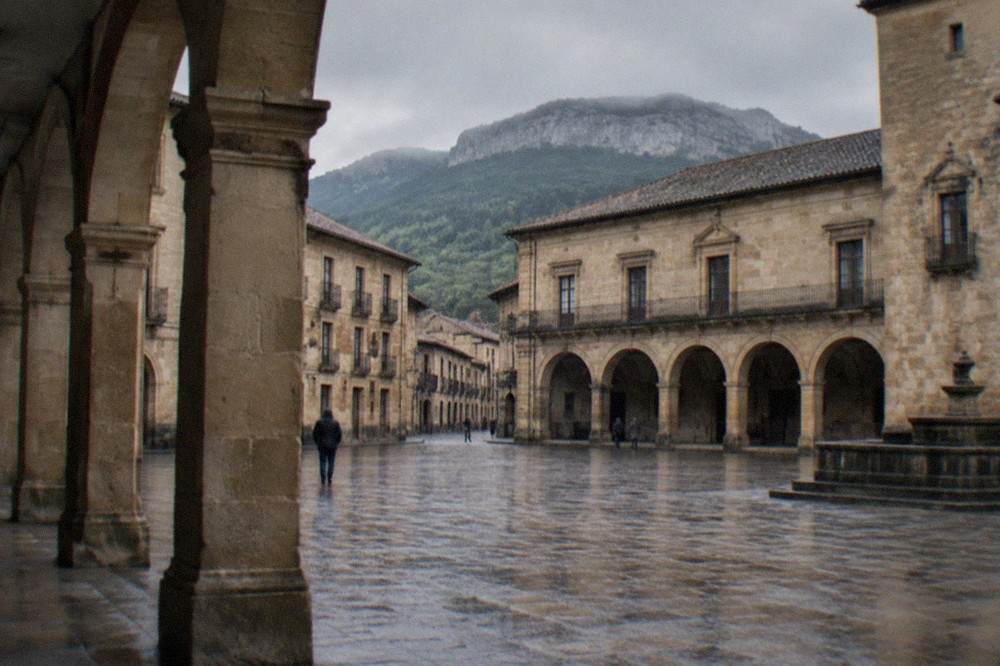
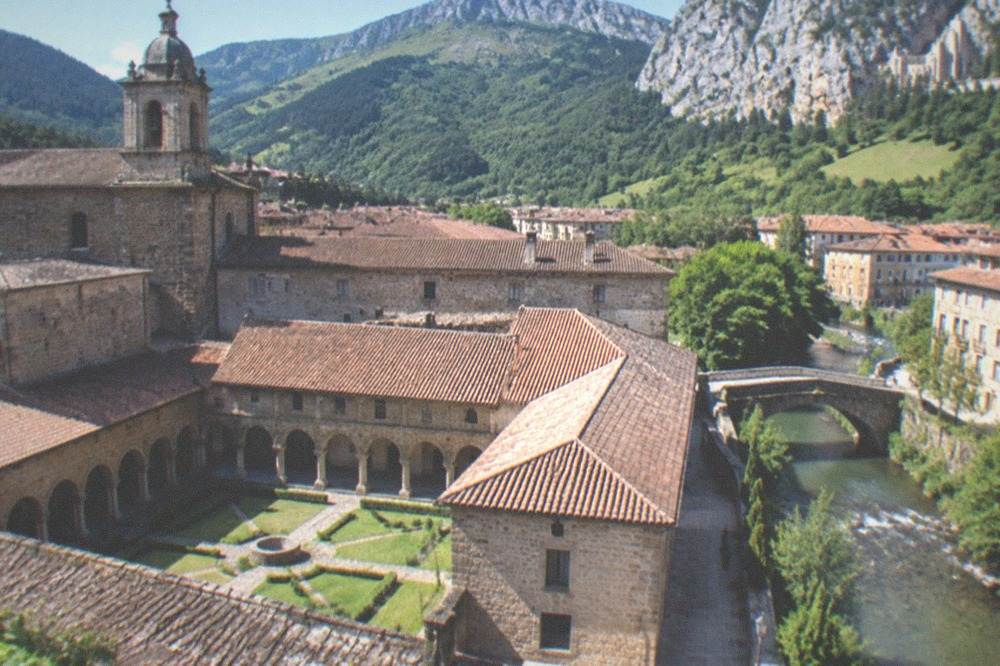
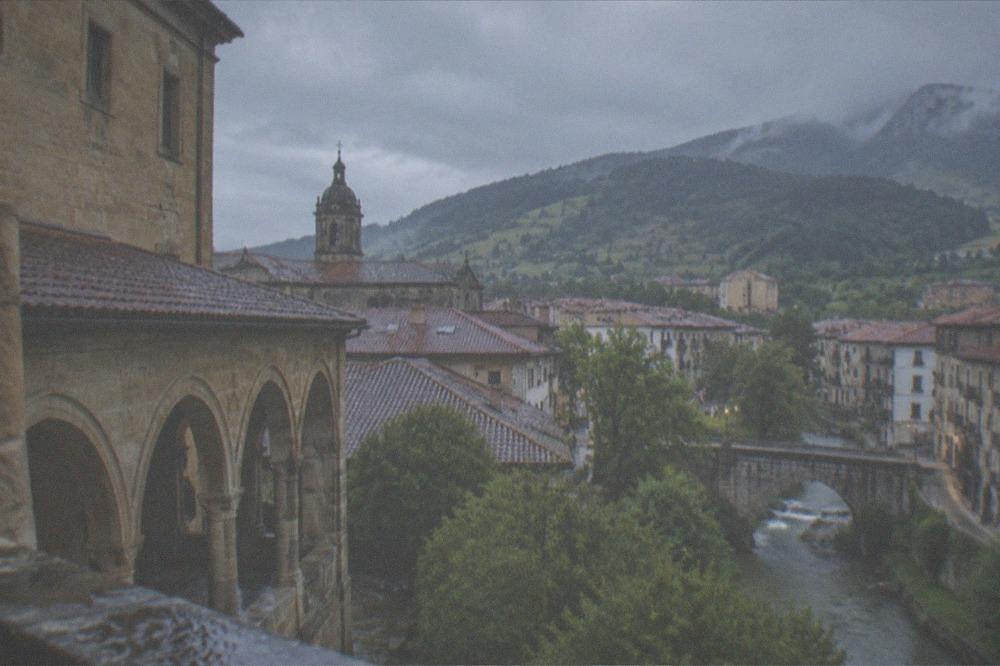
The pairing works because the town and the sanctuary complement each other. Oñati gives you a compact old quarter you can walk in a couple of hours, with a plateresque university building, a Gothic parish church and a main square with arcades. Arantzazu gives you the drama: a modernist basilica built against a cliff, with work by some of the leading Basque artists, in a setting that is the point of the visit as much as the building itself. A morning in town and an afternoon in the hills is the natural shape of the day.
For orientation before you go, the guide to where San Sebastian sits in the region explains how Gipuzkoa's geography divides between coast and interior, and the full day trips from San Sebastian page puts Oñati in context beside the coastal options.
What Can You See In Onati On A Day Trip From San Sebastian?
The essentials are the old quarter around the main square, the original University of Oñati building, one of the earliest Renaissance buildings in the Basque Country, and the parish church of San Miguel, plus the sanctuary of Arantzazu above the town. The town is compact enough to see on foot, and the sanctuary is a short drive or taxi ride up into the hills. Together they fill a full day at an unhurried pace.
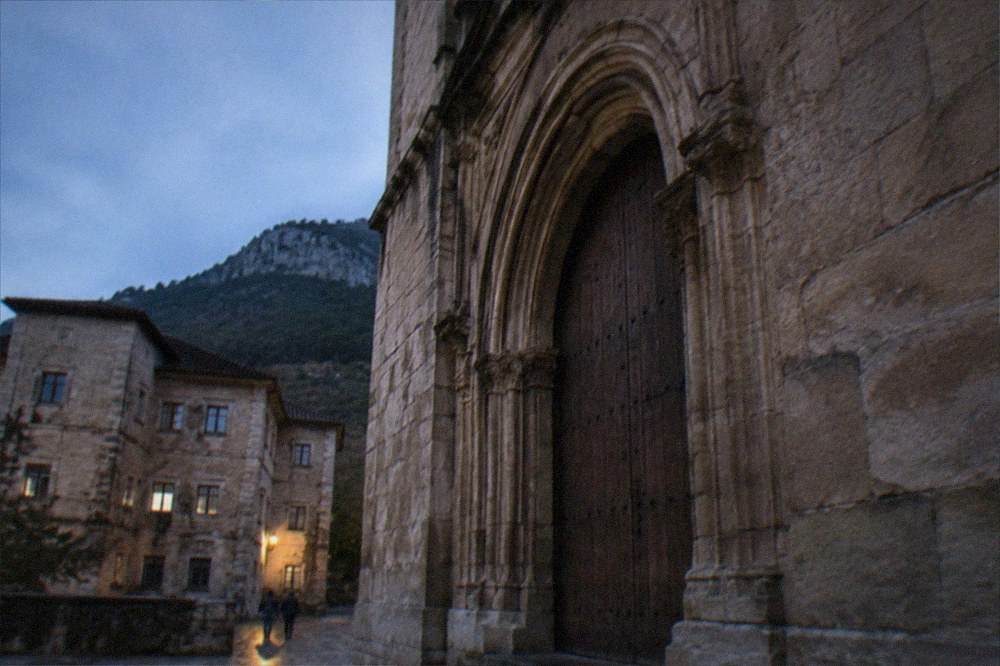
The university building is the town's headline sight. Oñati's institution was the first university in the Basque Country, and the building that housed it, with an ornate plateresque facade around its courtyard, survives in the centre of town. The old quarter around it is small and dense: arcaded squares, narrow streets, stone houses with coats of arms. The parish church of San Miguel is the main religious building in town, a large Gothic structure that reflects how wealthy Oñati was in the centuries when the university and the local iron industry made it one of the most important towns in the province.
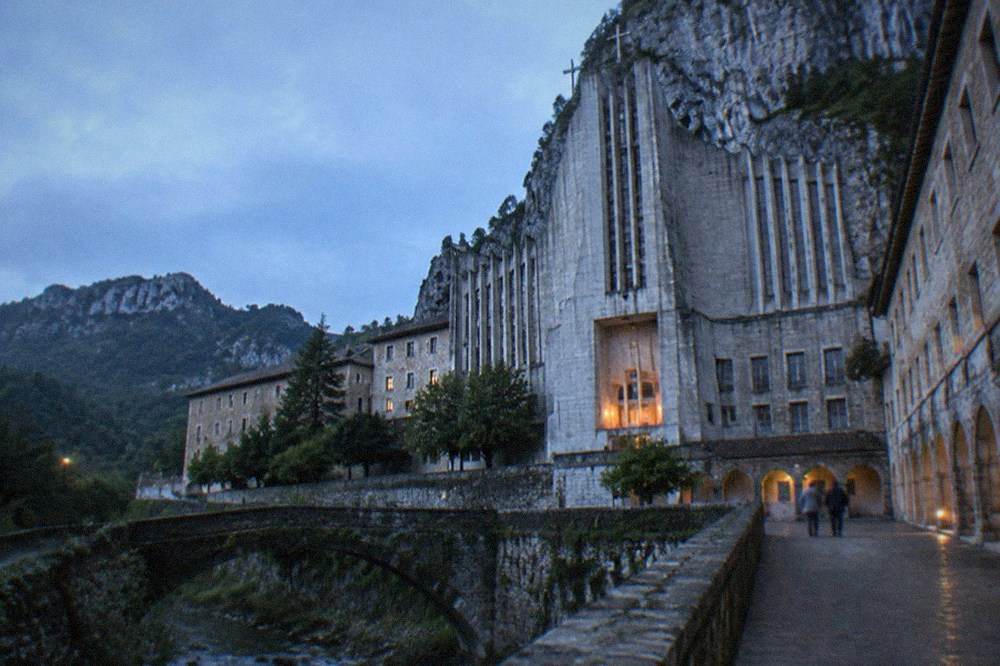
Arantzazu is the reason many visitors make the trip at all. The sanctuary stands in a cliffside setting above the town, and the present basilica is a striking modernist building that replaced an earlier church on the site. Its sculptures and interior work were commissioned from major Basque artists, so the sanctuary doubles as a piece of religious art in a landscape setting. The name is tied to a local legend of the Virgin appearing in a thornbush, arantza being the Basque word for thorn, and the site has been a pilgrimage destination for centuries. The setting, high among limestone crags with views back over the uplands, is what stays with visitors.
A sensible order is town first, sanctuary second. The old quarter is at its calmest in the morning, and the hills above are a good place to spend the warmer afternoon hours. If you are travelling without a car, plan the sanctuary leg carefully, because public transport up the hill is limited and the sanctuary is usually reached by vehicle. The Loyola sanctuary day trip covers a comparable inland shrine in the Urola valley, and some visitors combine the two valleys over two days rather than rushing both into one.
If a self-planned inland day sounds like more logistics than you want, the city's guided excursions cover other inland and coastal corners of the province with transport and a guide included. These are the current options that fit a day-trip plan:
How Do You Get From San Sebastian To Onati?
There is no tour from San Sebastián that goes to Oñati, and no train line serves the town, so the trip is made by road: either a self-drive hire car, which is the most flexible option, or regional bus services from the city's bus station, with a taxi or local transport for the climb up to Arantzazu. Allow a full day for the round trip and the two sights.
The drive is the straightforward case. Oñati is inland in Gipuzkoa, reached by road from the city without crossing any other province, and the route leaves the coast and climbs into the interior. A hire car gives you the freedom to time the sanctuary visit around the weather, which matters in a province where the hills catch more rain than the bay. The car rental in San Sebastian notes aside, the practical point is that Arantzazu sits above the town, and the road up is part of the visit; walking it is a serious undertaking on country lanes with no pavement.
Public transport exists but needs planning. Regional buses from the city serve the towns of inland Gipuzkoa, and Oñati is on the network, but the frequency is built around local needs rather than visitor schedules, and the sanctuary is above the town rather than in it. Check the current timetable at the bus station before committing, and expect the onward leg to Arantzazu to be by taxi. This is one of the few popular day trips from the city where a car genuinely changes the day.
One planning note that applies to every inland excursion in this province: the weather. AEMET's normals for its Igeldo station, which sits 250 metres up on Monte Igeldo above San Sebastián, record 1,507 mm of rain a year over 141 rain days, and the hills inland are wetter still. The table below shows what the city itself averages, and it is the honest baseline for a day in the Gipuzkoa interior.
| Month | Mean C | Rain mm | Days with 1 mm+ rain | Sun hours |
|---|---|---|---|---|
| Jan | 8.5 | 141 | 13.2 | 98 |
| Apr | 11.3 | 138 | 13.4 | 157 |
| Jul | 18.9 | 86 | 9.8 | 196 |
| Oct | 15.5 | 159 | 11.8 | 140 |
| Nov | 11.3 | 169 | 13.0 | 102 |
The reading matters: even July, the driest month, averages 86 mm of rain over about ten rain days, and November, the wettest, averages 169 mm. Pack a layer and a rain jacket for the hills whatever the season, and build flexibility into the day so the sanctuary visit can move if the cloud is down.
Is Arantzazu Worth The Detour From San Sebastian?
For many visitors, yes: Arantzazu is one of the most distinctive buildings in the Basque Country, a modernist basilica set into a limestone cliff with major commissioned artworks inside and out, and the landscape around it is part of the experience. If your interest is strictly coastal, or you have only one day in the region, the bay and the fishing towns will serve you better, but for a second or third day inland it is a strong choice.
The case for the detour is the combination. Religious architecture in this region is usually Gothic or Baroque, and Arantzazu breaks the pattern completely: it is a modern building, angular and austere, fitted into a rock face, with sculpture and statuary that were made for the site by named Basque artists. The surrounding karst upland, crags and open heath, gives the sanctuary a setting that photographs badly and impresses in person, because the scale of the cliff does not fit a frame.
The case against is logistics. The sanctuary is not on a rail line, the walk up from town is long, and a wet day in the hills, which the climate table above makes a real possibility, takes some of the shine off the crags. Visitors who want a guaranteed-good inland day with everything arranged sometimes do better with a guided excursion, and the farmhouse and cider house trip below is the closest bookable equivalent, pairing inland Gipuzkoa scenery with the province's cider tradition, which the tourism board describes as running from the middle of January to the end of April for the txotx season.
The cider house season is worth timing a trip around if your dates are flexible. Txotx is the ritual of drinking cider straight from the barrel in a cider house meal, and the season's heartland is the area around Astigarraga and the inland valleys, with the full story on the cider houses of the region page.
What Is The Best Time Of Year To Visit Onati From San Sebastian?
Late spring through early autumn is the best window, with May, June and September the sweet spot: the hills are at their greenest, the sanctuary's outdoor setting is at its best, and the city's hotel demand is lower than in the August peak. Winter visits are possible and quiet, but the upland weather is at its wettest and the days are short.
The climate data explains the shape of the year. The city's averages run from 8.5 C in January to 19.5 C in August, and the interior hills run cooler. April and May bring 138 and 120 mm of rain respectively, so spring is green but showery. June drops to 90 mm, July to 86, and September sits at 111 mm over about ten rain days, which is why early autumn is a favourite with visitors who know the region: warm sea, quieter town, and the regattas on La Concha on the first two Sundays of September to come back to. Everything else covered here is indexed on San Sebastian Spain Guide.
The demand data points the same way. INE's hotel occupancy series for the city, which covers hotels only, recorded 245,769 overnight stays in August 2025, the year's peak, against 115,910 in January. April to October never dropped below 200,000. If you want the town and the sanctuary more to yourself, travel in the shoulder months rather than the August band, when the coast absorbs most of the crowds anyway and the interior is comparatively calm.
| Season | What it means for an Oñati day | Trade-off |
|---|---|---|
| Spring, March to May | Green hills, flowing streams, quiet sanctuary | Showers likely, pack rain gear |
| Summer, June to August | Warmest days, best light on the crags | Coastal crowds, book nothing needed inland |
| Early autumn, September and October | Warm sea back in the city, quieter hills | First autumn rains return in October |
| Winter, November to February | Very quiet, dramatic skies over the karst | Wettest months, short days, reduced services |
Which Other Day Trips From San Sebastian Compare To Onati?
The closest comparisons are the other inland excursions: the Loyola sanctuary in the next valley, the town of Tolosa with its market tradition, and the Rioja wine country further afield. On the coast, Getaria, Zumaia and Hondarribia are the standard alternatives. Oñati suits visitors on a second or third day who have already seen the bay and want the interior.
Each of the province's day trips has a distinct character, and the table below groups them by what they offer rather than by distance. The coastal set is the obvious first choice for a first visit; the inland set, where Oñati belongs, rewards a slower pace and an interest in landscape and religious architecture.
| Day trip | Character | Best for |
|---|---|---|
| Oñati and Arantzazu | Inland town and cliffside modernist sanctuary | Art, architecture, upland scenery |
| Loyola sanctuary | Baroque shrine complex in a river valley | Religious heritage, easy inland drive |
| Tolosa | Provincial market town on the Oria | Food shopping, unhurried wandering |
| Getaria | Fishing village, txakoli, Balenciaga museum | Coast, wine, lunch by the harbour |
| Zumaia | Flysch cliffs and the Geopark coast | Coastal walking, geology |
| Hondarribia | Walled port town by the Bidasoa | History, border atmosphere, seafood |
The Getaria day trip and the Zumaia flysch coast pages cover the coastal pair in detail, and the Tolosa and Loyola sanctuary pages cover the inland neighbours. Oñati's advantage over all of them is Arantzazu: nowhere else in the province puts a building of that kind in a landscape of that kind.
Should You Take A Tour Or Visit Onati On Your Own?
Visit Oñati on your own if you have a car and a free day, because no scheduled tour from the city covers the town and the sanctuary, and the trip is simple once you are driving. Take a bookable excursion instead if you are carless, short on time, or want the inland experience with a guide, in which case the farmhouse and cider house trip, or a private driver-guide arrangement, are the practical routes to the same landscape.
The honest summary is that Oñati is a self-guided destination. The town needs no ticket and no booking, and the sanctuary is an open site. What it needs is transport, and that is the one thing you must arrange yourself. By contrast, the city's bookable day trips concentrate on the coast and the border, where shared coaches make economic sense, and on food and drink experiences, where the guide is the product. The trip below is the strongest of the coastal-and-culture options, pairing the Gaztelugatxe hermitage with Bilbao and the Guggenheim, and it suits visitors who decide the interior is better done independently while the headline sights deserve a guide.
You can also check its availability directly: Check availability. The Bilbao day trip page covers the same corridor in depth if you are weighing the two directions.
For visitors whose day trip budget is going to one big experience rather than two small ones, the surf-and-pintxos combination below is the coastal counterpart: a lesson on Zurriola, the city's open-ocean beach which the council describes as having strong swell, followed by the Old Town's pintxo bars. It is a different day from Oñati in every way, which is exactly why some travellers do both.
What Should You Know Before You Plan An Onati Day Trip?
Plan for a full day, go by road, keep the sanctuary leg flexible around the weather, and treat the town and the shrine as one combined visit rather than two. There is no rail link, no scheduled tour and no need to book either sight in advance, so the only real decisions are the season, the transport and how much of the surrounding upland you want to walk.
A few practical points settle most of the questions the trip raises. The province's emergency number is 112, and the local police number in the city is 092, though a day trip like this rarely needs either. The currency is the euro throughout, and the city's bus and rail fares run on the MUGI system, whose occasional urban ticket is 1.95 EUR, although Oñati's bus services are regional and priced separately, so confirm fares at the bus station when you buy. Spain is in the Schengen area of 29 countries, so for most European visitors there is no border to think about on an inland trip, and ETIAS is not in operation, so there is no travel authorisation to apply for.
Food is easy. Oñati has the restaurants a working Basque town has, and the day does not depend on any single booking. If the weather turns, the fallback is to spend more time in the town's indoor sights and save the crags for a clearer hour, or to redirect the day toward one of the coastal alternatives in the table above, which hold up better in rain. The city itself has a full set of rainy-day options, and the rainy day in San Sebastian guide lists them.
Common Questions About Onati Day Trips From San Sebastian
Is Oñati worth visiting from San Sebastian?
Yes, if you have a second or third day and an interest in inland Basque Country. The town's historic core and the cliffside sanctuary of Arantzazu make a genuinely different day from the coast, and the trip is simple with a car.
Can you get to Oñati by public transport from San Sebastian?
Regional buses from the city's bus station serve the inland towns of Gipuzkoa, including Oñati, but frequencies are built around local schedules and the sanctuary sits above the town, so plan the last leg by taxi. There is no train line to Oñati.
What is Arantzazu famous for?
Arantzazu is a Marian sanctuary in the hills above Oñati, rebuilt as a striking modernist basilica set against a limestone cliff, with commissioned work by leading Basque artists. The name comes from the Basque word for thorn, tied to the local legend of the Virgin appearing in a thornbush.
How long do you need for Oñati and Arantzazu?
A full day at an unhurried pace: a morning for the old quarter, the university building and the parish church in town, and an afternoon in the hills at the sanctuary. Rushing both into half a day is possible by car but misses the point of the landscape.
Can you walk from Oñati up to the sanctuary of Arantzazu?
You can, but it is a long climb on country lanes with no pavement, and many people go up by car or taxi. If you want serious walking in the area, plan it as its own activity with proper gear and a weather window.
Is there a guided tour from San Sebastian to Oñati?
No scheduled shared tour from the city covers Oñati and Arantzazu. The trip is self-planned, or arranged privately with a driver-guide; the city's bookable shared excursions run to the coast, the border country and the food experiences instead.
Oñati and Arantzazu reward exactly the kind of traveller who has already fallen for the bay and wants to see the province behind it: stone, hills, one extraordinary building, and a day that runs at the pace of the interior. Plan the transport, watch the sky, and the inland Gipuzkoa half of the region opens up.