Sanctuary Of Loyola
The Sanctuary of Loyola stands in the green interior of Gipuzkoa, the province whose capital city is San Sebastián (Donostia / San Sebastián) on La Concha bay, in the Basque Country, Spain. This page explains what the complex is, what a visitor actually sees there, and how it fits into a day away from the coast.
Short answer
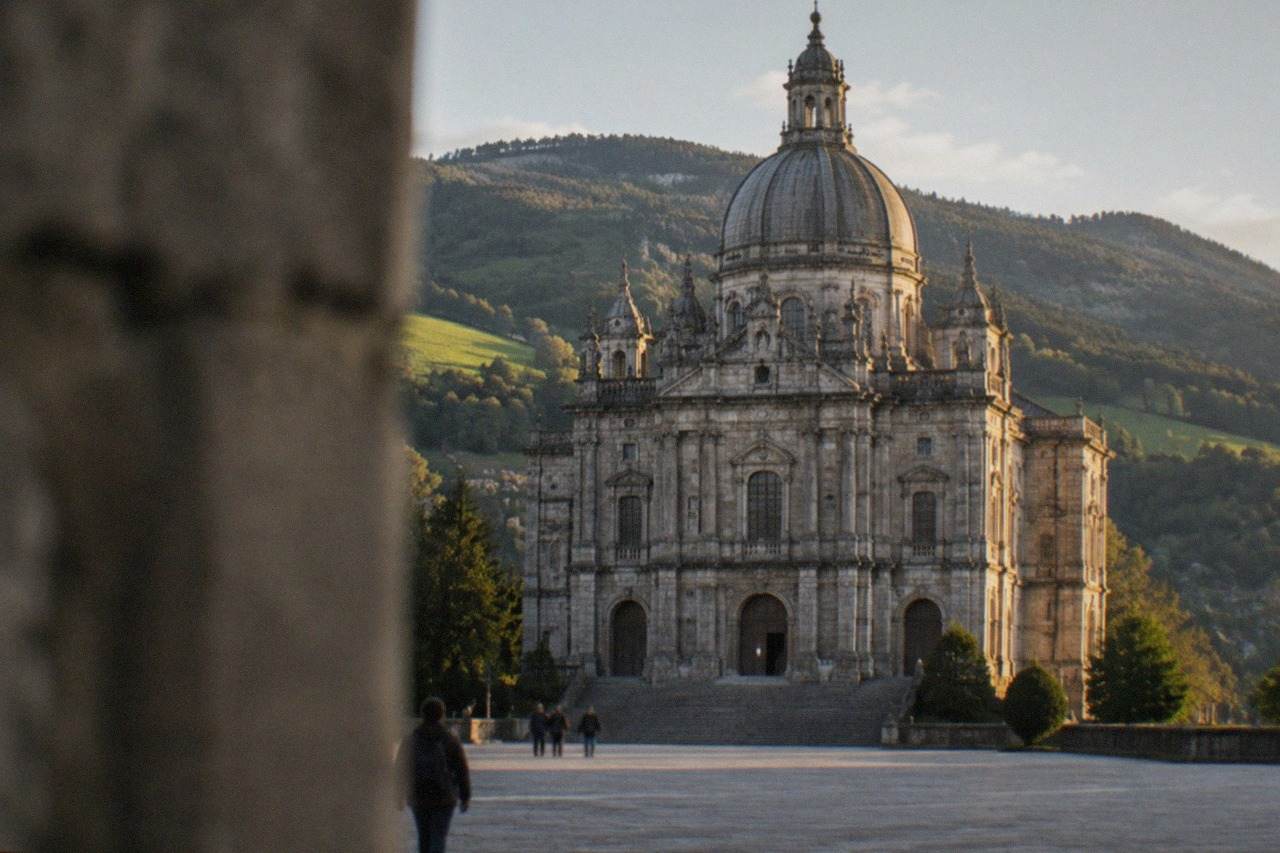
The Sanctuary of Loyola is a pilgrimage site in inland Gipuzkoa, built around the tower house where Ignatius of Loyola, founder of the Jesuit order, was born. It pairs a baroque basilica with the original family residence, and it works as a half-day or full-day trip from San Sebastián, combined with inland towns such as Tolosa or Oñati.
The Sanctuary of Loyola is the great pilgrimage complex of inland Gipuzkoa, the Basque province whose capital is San Sebastián (Donostia / San Sebastián), the city on La Concha bay in the Basque Country, Spain. It was built around the tower house where Ignatius of Loyola was born, and it grew into one of the most imposing religious buildings in northern Spain. For a visitor based in San Sebastián it is the natural inland counterweight to the coastal day trips along the Bay of Biscay: instead of fishing ports and flysch cliffs, you get a monumental basilica, a restored medieval residence, and the deep green valleys of the Basque interior. This page explains what the sanctuary is, what you actually see there, how the journey works, and how to fold it into a wider day in Gipuzkoa.
What Is The Sanctuary Of Loyola?
The Sanctuary of Loyola is a pilgrimage complex in inland Gipuzkoa, built on the site of the tower house where Ignatius of Loyola was born. It combines the original family residence, a chapel placed over the room of his birth, and a vast baroque basilica, all set in the Urola valley a short drive into the hills from the coast. It is the most significant religious monument in the province.
The story the site tells is the reason it exists. Ignatius of Loyola began life as a Basque nobleman and soldier, and after a battlefield wound ended his military career he underwent a religious conversion in his family home. From that conversion came the Spiritual Exercises, the text and practice that would define his later work, and the founding of the Society of Jesus, the order known as the Jesuits. Loyola, the small settlement that gave the family its name, became a destination in its own right once the order grew, and the complex that stands there today was raised to honour the birthplace.
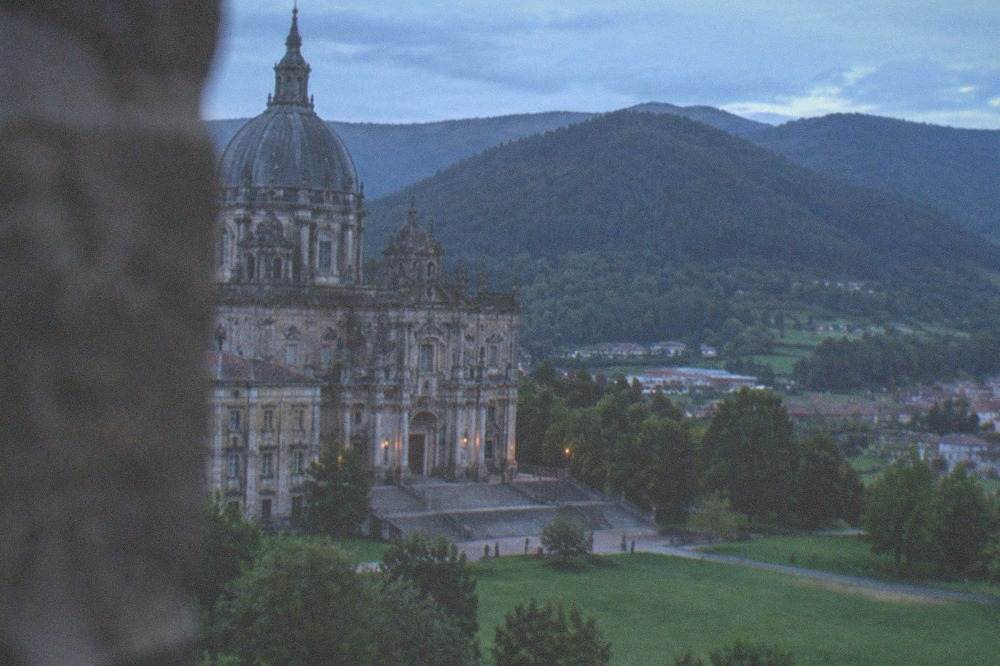
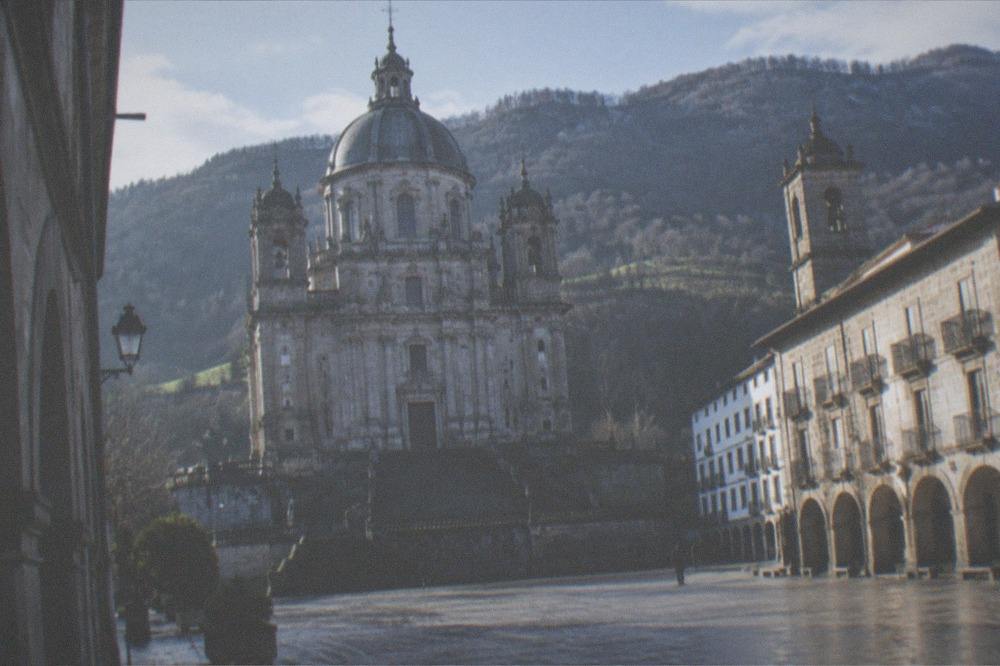
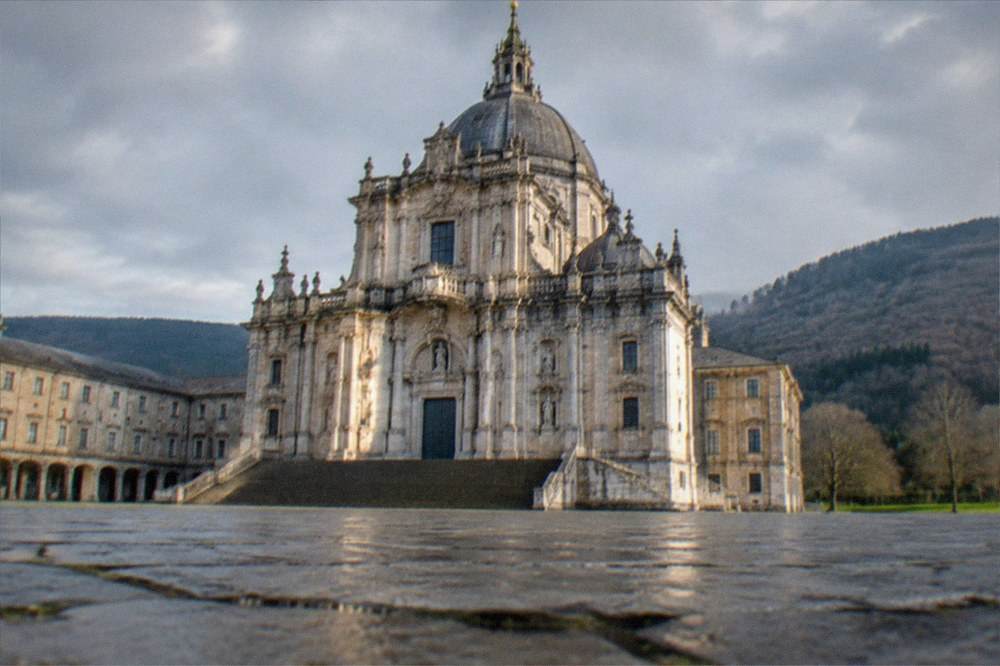
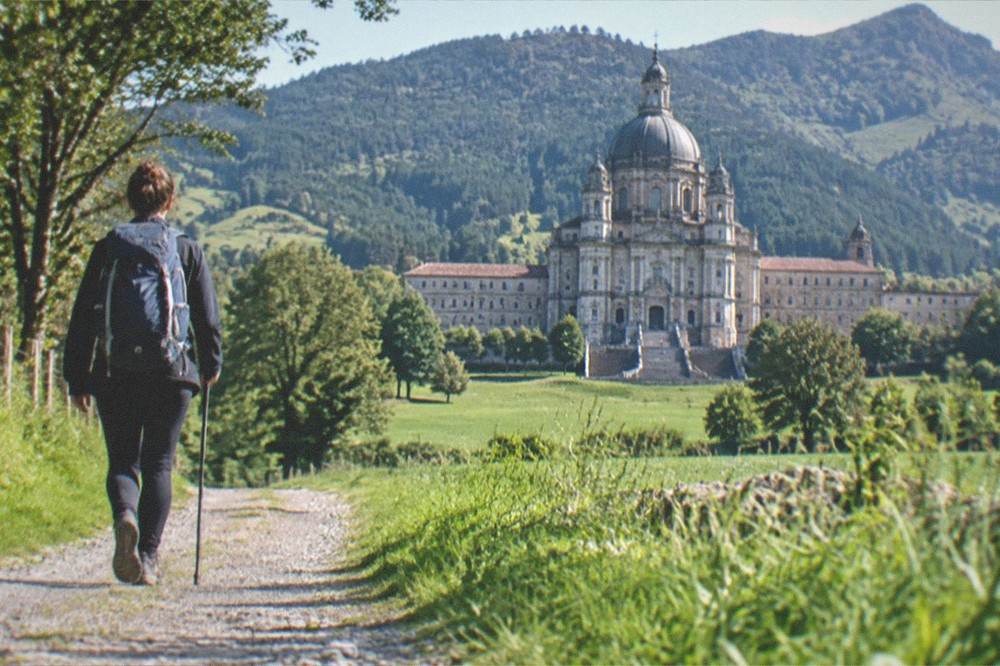
What strikes most first-time visitors is the scale of the contrast. The birthplace itself is a defensive tower house, thick-walled and dark, the kind of stone residence the Basque nobility built in the late Middle Ages. Wrapped around and beside it is the basilica, a huge domed baroque building with a circular plan, a broad esplanade, and a facade that reads more like a royal palace than a parish church. The builders deliberately preserved the old tower inside the new ensemble, so the two eras sit within a few steps of each other.
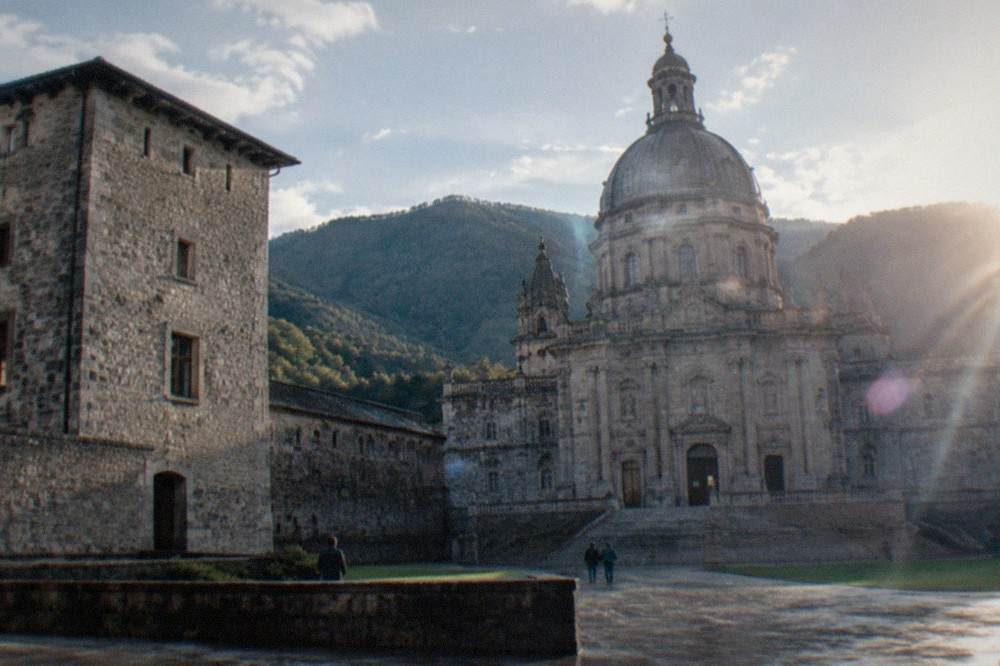
The complex is not a museum piece in the empty sense. It functions as an active pilgrimage and retreat centre, with the basilica holding services and the surrounding buildings supporting visitors who come for anything from an hour's look to a multi-day stay. For a day-tripper from San Sebastián, that means the site has the practical infrastructure of a working religious centre: parking, a shop, and spaces built to receive coach loads of people, which is worth knowing before you set out, because the esplanade fills and empties in waves.
How Do You Get To The Sanctuary Of Loyola From San Sebastian?
The Sanctuary of Loyola is reached from San Sebastián by road, inland into Gipuzkoa, with the journey made by private car, by taxi or private transfer, or by public transport with a connection en route. There is no rail line to the sanctuary itself, so every option ends with a road leg. Visitors who drive typically treat it as a half-day visit or combine it with another inland town such as Tolosa or Oñati, and the site has its own parking area serving the basilica and residence.
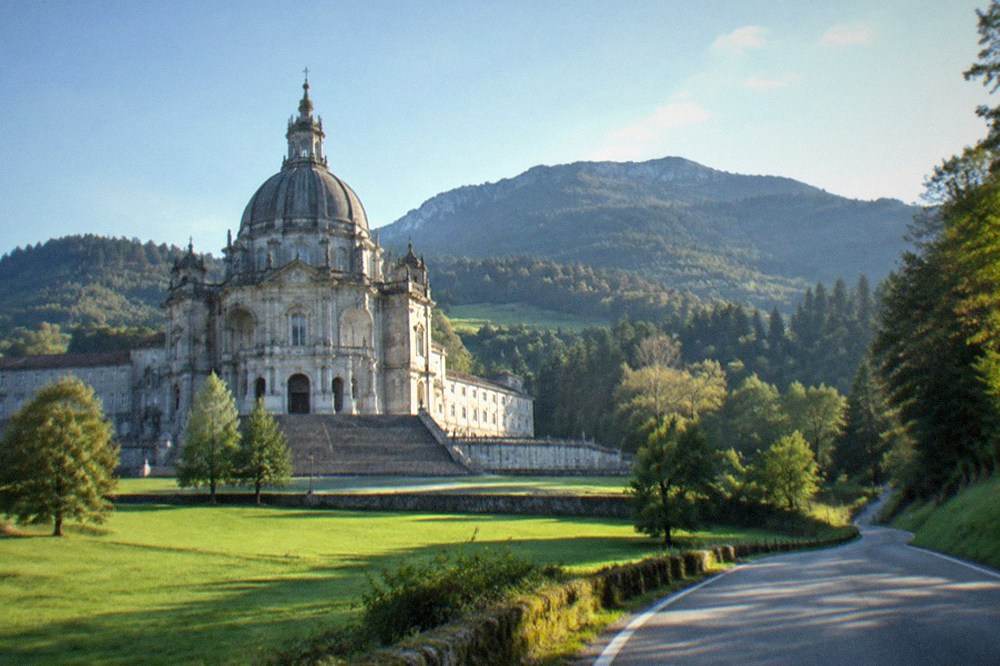
The practical starting point is that Loyola sits inland, away from the coast and away from the Renfe and Euskotren corridors that most San Sebastián visitors use. Driving is the most flexible choice: the route leaves the city and heads into the Urola valley, and once you are there the sanctuary's own parking makes arrival simple. A private transfer or taxi removes the parking question entirely and suits a one-way plan where you continue to another town afterwards.
Public transport is possible but needs planning, because the sanctuary is not on a direct line from the city. The regional bus network that covers Gipuzkoa, the same Lurraldebus system whose fares run on the MUGI card, connects the inland towns, and journeys of this kind generally involve a change at one of the valley towns rather than a single seat all the way. Check current timetables before committing, because rural frequencies in the Basque interior are built around local needs, not visitor schedules.
For a sense of the wider day-trip landscape around San Sebastián, the day trips from San Sebastian page maps the full set of options, coastal and inland. If your instinct is to let someone else handle the driving, there are guided day trips that leave from the city, and the selection below shows three of the strongest, from a coastal wine trip to a full-day excursion across the French border.
One planning note that matters for inland Gipuzkoa generally: the weather in the hills is not the weather on the bay. AEMET's climate normals for its Igeldo station above San Sebastián record 1,507 mm of rain a year across 141 rain days, and no month averages under 86 mm. Inland valleys sit in the same Atlantic system, so a rain layer belongs in the bag on any season's visit, and the sanctuary's indoor spaces are a genuine advantage on a wet afternoon.
What Can You See At The Sanctuary Of Loyola?
Visitors to the Sanctuary of Loyola can see the original Loyola tower house with its chapel over the birth room, the domed baroque basilica with its circular interior, the broad esplanade that frames the whole ensemble, and the surrounding grounds and visitor buildings. The visit works as a walk through one family's medieval fortress and the monumental church raised beside it four centuries later, with the two connected so you pass from one to the other without leaving the complex.
The tower house is the emotional core. Inside, the route passes through rooms of the old family residence, and the highlight is the chapel built directly over the room where Ignatius was said to have been born and where his conversion took place during his recovery. The decoration of this space is rich by design, because the order wanted the birthplace treated as a shrine, and the contrast between the plain stone shell of the building and the ornamented chapel inside is the whole point of the visit.
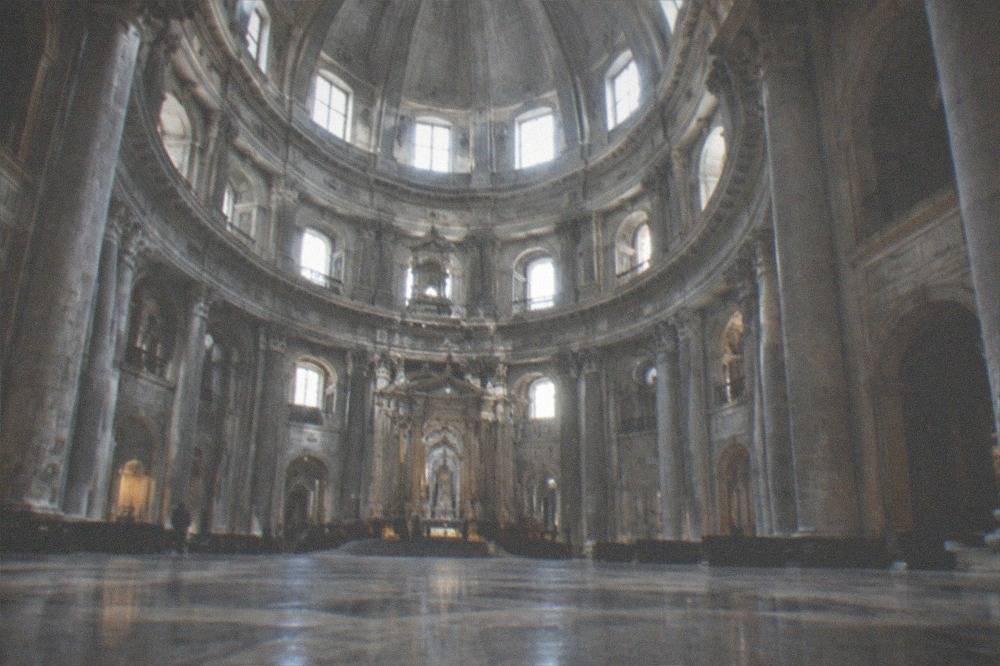
The basilica is the other half. Its circular plan, dome, and scale make it unlike almost any other church in the Basque Country, and the interior is arranged around a central space rather than a long nave. Visitors can usually climb to a upper level, from which the geometry of the building reads best and the view down into the nave gives the strongest single impression of the design. The esplanade outside, with the facade rising at the end of it, is where most photographs are taken.
The table below summarises the parts of the complex and what each one offers a visitor.
| Part of the complex | What it is | What a visitor does there |
|---|---|---|
| The tower house | The original stone residence of the Loyola family, with defensive walls | Walks through the historic rooms of the birthplace |
| The birth-room chapel | A decorated chapel placed over the room of Ignatius's birth and recovery | Stops at the devotional centre of the whole site |
| The basilica | A large domed baroque church with a circular plan | Views the interior, attends services, climbs to the upper level |
| The esplanade | A broad paved forecourt framing the basilica facade | Takes in the full facade and photographs the ensemble |
| The grounds and visitor buildings | Gardens, a shop and support buildings of the active sanctuary complex | Pauses between the tower house and the basilica, buys souvenirs |
Allow a relaxed half-day for the site itself. Visitors who rush it see a big church and an old house; visitors who take their time notice how deliberately the complex stages the story, from fortress to shrine. There is no published admission structure in the site facts available to this page, so check the sanctuary's own information before you go, and treat any fee as something to confirm rather than assume.
If a self-guided inland visit sounds like more logistics than you want, a guided day trip out of San Sebastián handles the transport and timing for you. The option below runs to the French coast, and it is the operator's live listing that carries the current details.
Is The Sanctuary Of Loyola Worth The Trip From San Sebastian?
The Sanctuary of Loyola is worth the trip for visitors with an interest in religious architecture, Basque history or the story of Ignatius of Loyola, and it is the strongest inland sight in Gipuzkoa for a day away from the coast. It is less compelling for visitors whose main interest is food, beaches or pintxo bars. As a half of a day paired with an inland town, or as a rainy-day alternative to the coast, it earns its place on most itineraries of four days or more.
The honest case for going is the case for inland Gipuzkoa itself. San Sebastián's day trips are dominated by the coast, and rightly so, but the province's interior has a character of its own: wooded valleys, small industrial towns with surprising food traditions, and monuments like Loyola that no coastal visit substitutes for. If your trip is a long weekend built around the Old Town and the bay, skip it. If you have a fourth or fifth day, or a wet afternoon, it is the best inland option.
The case against is mainly logistical. Without a car, the journey requires planning, and the site is a single-purpose destination in a way that Getaria or Hondarribia are not, where the town itself is half the pleasure. The strongest version of the trip pairs the sanctuary with something else inland, which turns the travel time into a loop rather than an out-and-back.
For visitors weighing it against the coastal classics, this comparison of the main day-trip directions from the city may help. It uses the tour roster's own descriptions of each kind of trip, without prices, because product figures belong to the live listings.
| Day-trip direction | Character of the trip | Best for |
|---|---|---|
| Sanctuary of Loyola, inland | Monumental religious architecture and Basque history | Architecture, history, rainy days |
| Getaria and the txakoli coast | Fishing town, grill restaurants and white wine | Food and wine visitors |
| Biarritz and the French Basque coast | Grand seaside resort across the border | A change of country, coastal glamour |
| Hondarribia and Pasaia | Harbour villages and the bay's east side | Half-days, quiet corners |
| Bilbao and the Guggenheim | Big-city art and architecture | A full urban day out |
For the wine-led version of a Gipuzkoa day, the Getaria txakoli trip below is the coastal counterpart to an inland morning, with hotel pickup included. Check availability on the operator's live listing.
What Else Can You Combine With Loyola On A Day Trip From San Sebastian?
The best pairings with the Sanctuary of Loyola are the inland towns of Gipuzkoa, above all Tolosa and Oñati, which sit on workable loops from San Sebastián and give the day a second stop with food or architecture. A coastal add-on works less well because it doubles the driving, so the strongest plans keep the whole day inland.
Visitors who prefer not to drive can take a guided excursion instead, though most scheduled tours from the city run to the coast or across the border rather than to Loyola itself.
Tolosa, to the east of the sanctuary's valley, is the province's former capital and a genuine food town, with a grill tradition that draws Basque diners on weekends. The Tolosa page covers what to do there. Oñati, deeper into the hills, is one of the prettiest small towns in the Basque interior, built around a Renaissance university building and a plazas-and-stone-bridges centre; the Oñati page has the detail. Either one turns the sanctuary visit into a full and varied day.
The table below lays out the main combination options and what each adds.
| Combination | What the second stop adds | Kind of day it makes |
|---|---|---|
| Loyola plus Tolosa | A food town with grill restaurants and market tradition | History in the morning, long lunch after |
| Loyola plus Oñati | A historic town with a Renaissance university building | Two architecture stops, quiet and unhurried |
| Loyola alone | Nothing else, a shorter loop | A half-day with an easy return to the city |
| Loyola plus the coastal towns | A long drive east then back out to the coast | Not recommended, too much road for one day |
Visitors planning a wider tour of the region may also want the Rioja day trip, which runs inland in the other direction, toward the wine country of the Ebro valley, or the overview of where San Sebastian is for the geography of the province and its neighbours.
For a guided inland-and-wine alternative, the full-day Rioja excursion below is the most complete wine day on the roster from the city, with winery visits and the walled town of Laguardia.
And the trio below is worth a second look at the planning stage: the French coast excursion, the Getaria txakoli half-day and the Camino hike over Mount Ulia, three very different ways to spend a day out of the city.
When Is The Best Time Of Year To Visit The Sanctuary Of Loyola?
The best time to visit the Sanctuary of Loyola from San Sebastián is late spring through early autumn, with May, June and September the strongest months, because the inland valleys are at their greenest and the weather is most settled without the peak-season crowds of August. The basilica and tower house are covered, so the site also works in the rain that reaches this coast and interior on roughly ten days a month even in summer.
The climate numbers behind that advice come from AEMET's normals for its Igeldo station above San Sebastián, and they describe the Atlantic system the whole province shares. July is the driest month and still averages 86 mm of rain over about ten rain days. November is the wettest at 169 mm. The sanctuary's indoor character means a wet month costs you the esplanade photographs but not the visit.
| Month | Mean temperature | Rain days (1 mm or more) | Sun hours | Suitability for the visit |
|---|---|---|---|---|
| March | 10.3 C | 12.4 | 144 | Fine indoors, cool outside |
| May | 14.4 C | 12.2 | 181 | Excellent, green valleys |
| July | 18.9 C | 9.8 | 196 | Peak sun, peak crowds |
| September | 18.0 C | 10.1 | 179 | Excellent, quieter than August |
| November | 11.3 C | 13.0 | 102 | Wet, but the interior is covered |
Religious calendar dates change the character of a visit. The sanctuary's biggest days are its feast days, when pilgrim groups arrive in numbers and the basilica fills for services, and the July feast of Saint Ignatius is the most significant of them. The site facts available to this page do not carry the sanctuary's event calendar, so check the sanctuary's own information for the dates of any year's celebrations before planning around them.
How Does The Sanctuary Of Loyola Compare With The Other Great Day Trips From San Sebastian?
The Sanctuary of Loyola is the only major religious-monument day trip in Gipuzkoa's interior, which makes it unique rather than better or worse than the coastal options. Getaria, Hondarribia and Zumaia deliver food, harbours and geology; Bilbao delivers the Guggenheim; Biarritz delivers a different country. Loyola delivers architecture and history of a kind nothing else in the region matches, so the choice is really about what kind of day you want, and a five-day stay has room for both an inland day and a coastal one.
A useful way to decide is by what you would regret missing. If your trip is short and food-centred, the pintxo and txakoli towns win every time, and the Getaria and Hondarribia pages cover those. If your trip is longer, or architecture is your thing, or the forecast is wet, Loyola is the day that fits. Some visitors also come for the Ignatian connection specifically, following the Ignatian Way, the pilgrimage route that begins at the sanctuary and runs toward Navarre and beyond, which gives the site a Camino-like significance of its own.
The final comparison table sets the inland day against the main coastal alternatives on the roster.
| Day trip from San Sebastián | Direction | Trip type on the roster | Strongest season |
|---|---|---|---|
| Sanctuary of Loyola | Inland, Urola valley | Self-planned monument visit | May to September, or any wet day |
| Getaria txakoli tour | West along the coast | Small-group wine trip, hotel pickup | Spring to autumn |
| Biarritz and the French coast | East across the border | Minibus day trip, bilingual option | Late spring to early autumn |
| Camino hike over Mount Ulia | East from the Kursaal | Guided hike to the Ulia lighthouse | Dry days, spring to autumn |
| Rioja and Laguardia | South to the Ebro valley | Full-day small-group wine trip | Spring and autumn |
Whichever day you choose, book the guided options on the operator's live listing rather than on price remembered from anywhere else, because product details change and this page prints none of them. For the wider picture of the city these trips radiate from, the San Sebastian Spain Guide homepage collects the full set of guides, and the sanctuary itself will confirm its own hours and any admission arrangements before you travel.
Common Questions About The Sanctuary Of Loyola
What is the Sanctuary of Loyola?
It is a pilgrimage complex in inland Gipuzkoa, in the Basque Country, Spain, built around the tower house where Ignatius of Loyola was born. It combines the family residence, a chapel over the birth room, and a large domed baroque basilica, and it functions as an active pilgrimage and retreat centre.
How far is the Sanctuary of Loyola from San Sebastian?
The sanctuary lies inland in the Urola valley, in the same province as San Sebastián, reached by road with no direct rail line. This page does not print a distance or journey time, because the verified site facts do not carry one for this exact journey; check a current route planner or the sanctuary's own visitor information before setting out.
Can you visit the Sanctuary of Loyola by public transport from San Sebastian?
Yes, with planning. The regional bus network that covers Gipuzkoa connects the inland towns, and a journey of this kind generally involves a connection rather than a single seat. Rural frequencies are built around local needs, so check current timetables before committing to the day.
Is the Sanctuary of Loyola worth visiting if you are not religious?
For many visitors, yes. The tower house is a rare surviving medieval Basque noble residence, the basilica is one of the most striking baroque buildings in northern Spain, and the story of the site is central to Basque and Spanish history. Visitors whose interests are mainly food, beaches or nightlife get more from the coastal day trips.
What can you see inside the Sanctuary of Loyola?
The visit covers the historic rooms of the Loyola family tower house, the decorated chapel built over the birth room, and the circular domed interior of the basilica, usually with access to an upper level. The esplanade outside frames the facade and is where the full ensemble reads best.
What is the best time of year to visit the Sanctuary of Loyola?
May, June and September are the strongest months, with green valleys and settled weather away from the August crowds. Because the basilica and tower house are covered, the site also works well on wet days, which matters in a province whose driest month still averages 86 mm of rain.