Eureka Science Museum
Eureka! Zientzia Museoa is San Sebastián's hands-on science museum, with a planetarium and ticket prices that make it one of the city's clearest family options.
Short answer
Eureka! Zientzia Museoa is San Sebastián's interactive science museum. General admission is 10 EUR, the reduced ticket is 7 EUR, and a combined museum plus planetarium ticket costs 12.50 EUR general or 9.50 EUR reduced. Opening hours are not published on the museum's own tariff page, so check the venue before you travel.
San Sebastián, the Basque city on La Concha bay whose official name is Donostia / San Sebastián, is known mostly for its beaches and its food, but it also has a science museum built for visitors who want to push buttons rather than look at cases. Eureka! Zientzia Museoa is that museum: an interactive science centre with a planetarium, aimed squarely at families and curious travellers, and priced in a way that makes the combined ticket the obvious choice for most people. This page lays out what the museum's own tariff page states about tickets, what the visit involves, how it compares with the city's other museums, and how to fold it into a day in San Sebastián.
What Is Eureka! Zientzia Museoa?
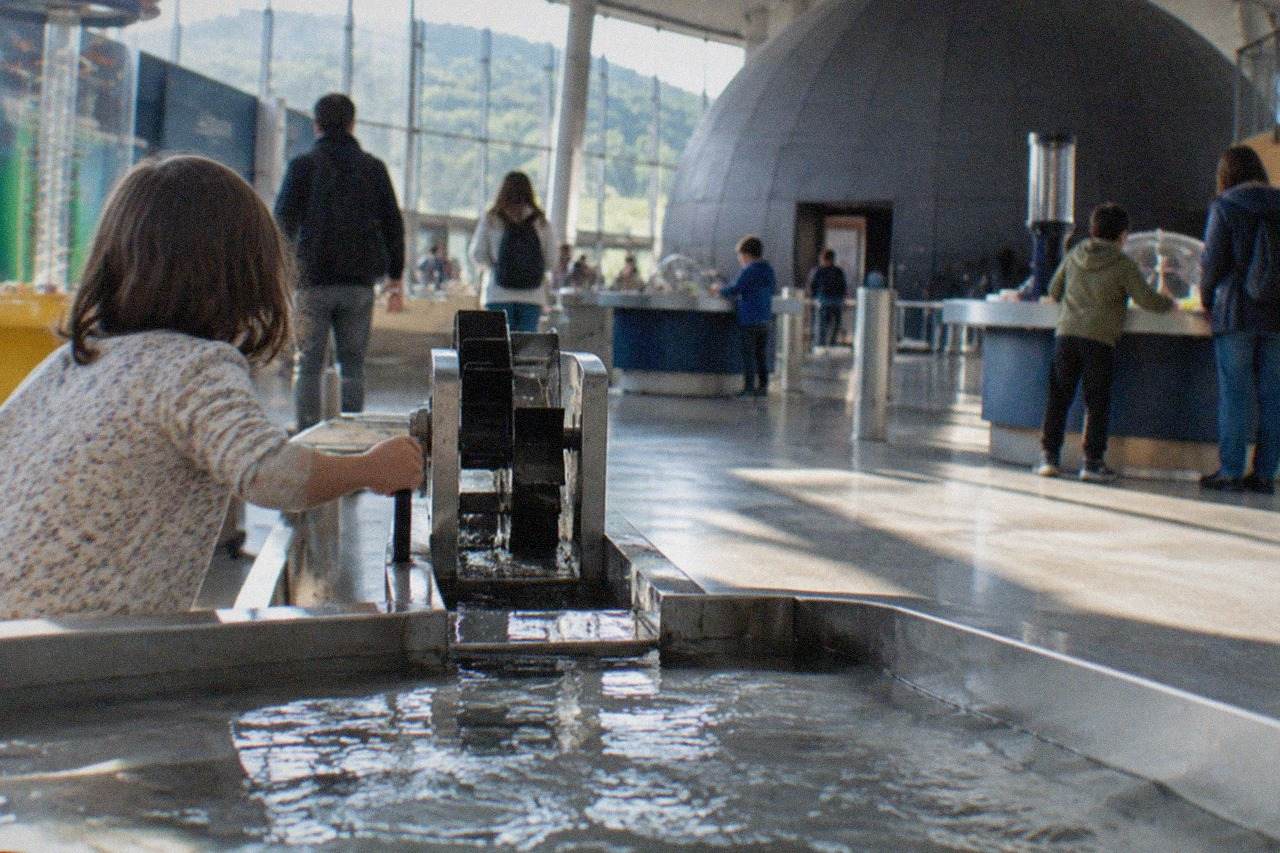
Eureka! Zientzia Museoa is San Sebastián's hands-on science museum, an interactive centre in the Basque Country, Spain, built around exhibits visitors operate themselves rather than objects they look at, with a planetarium on site as its second main attraction. The museum's own tariff page splits what it sells into three layers: the museum visit, the planetarium show, and combinations that add a guided Animalia session on top. It is the kind of museum where the plan is participation, which is why it lands on so many family itineraries for the city.
The museum's name is Basque: "Zientzia Museoa" simply means science museum, and the exclamation mark is part of the official styling. The venue publishes its tariffs in euros, like every cultural institution in the city, and it prices children and concession visitors separately from general admission, which matters if you are budgeting for a family of four.
What the museum's own page does not publish is its opening hours, which sit behind information this page cannot verify. Treat the hours as something to confirm with the venue directly before you set out, the same way you would confirm a planetarium show time for the day you want.
How Much Do Tickets To Eureka! Zientzia Museoa Cost?
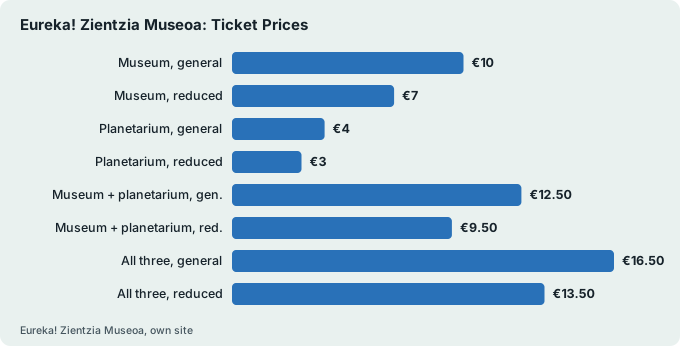
General admission to the museum is 10 EUR and the reduced ticket is 7 EUR, a planetarium show on its own costs 4 EUR general or 3 EUR reduced, and the combined museum plus planetarium ticket is 12.50 EUR general and 9.50 EUR reduced. Those figures come from the museum's own tariff page. Adding the guided Animalia session takes the full combination to 16.50 EUR general and 13.50 EUR reduced. Children aged 18 months to 3 years pay 3 EUR for the planetarium.
Here is the full tariff structure as the museum publishes it.
| Ticket | General (EUR) | Reduced (EUR) |
|---|---|---|
| Museum only | 10.00 | 7.00 |
| Planetarium only | 4.00 | 3.00 |
| Museum plus planetarium | 12.50 | 9.50 |
| Museum plus guided Animalia | 15.00 | 12.00 |
| Museum, planetarium and Animalia | 16.50 | 13.50 |
| Planetarium, ages 18 months to 3 years | 3.00 | 3.00 |
The arithmetic is the interesting part. Moving from a museum-only ticket to the museum plus planetarium combination costs 2.50 EUR more at the general rate, which is less than the 4 EUR a planetarium show costs on its own. The museum's own pricing therefore rewards the combined ticket, and the same logic applies one step up: the full three-part ticket adds the Animalia session for 4 EUR over the two-part price at the general rate.
A family of two adults and two reduced-rate children can work out the day from this table directly. Two combined tickets at the general rate and two at the reduced rate come to 44 EUR for the museum and the planetarium together, against 34 EUR for the museum floor alone, so the planetarium adds 10 EUR to the family total. Whether that is worth it depends on the show schedule, which is exactly why confirming the day's planetarium times with the venue matters before you buy anything.
If you are planning a wider trip around the city, a guided walk is one of the cheapest ways to get your bearings before you head indoors, and the options below cover the most popular starting points.
Is Eureka! Zientzia Museoa Good For Kids?
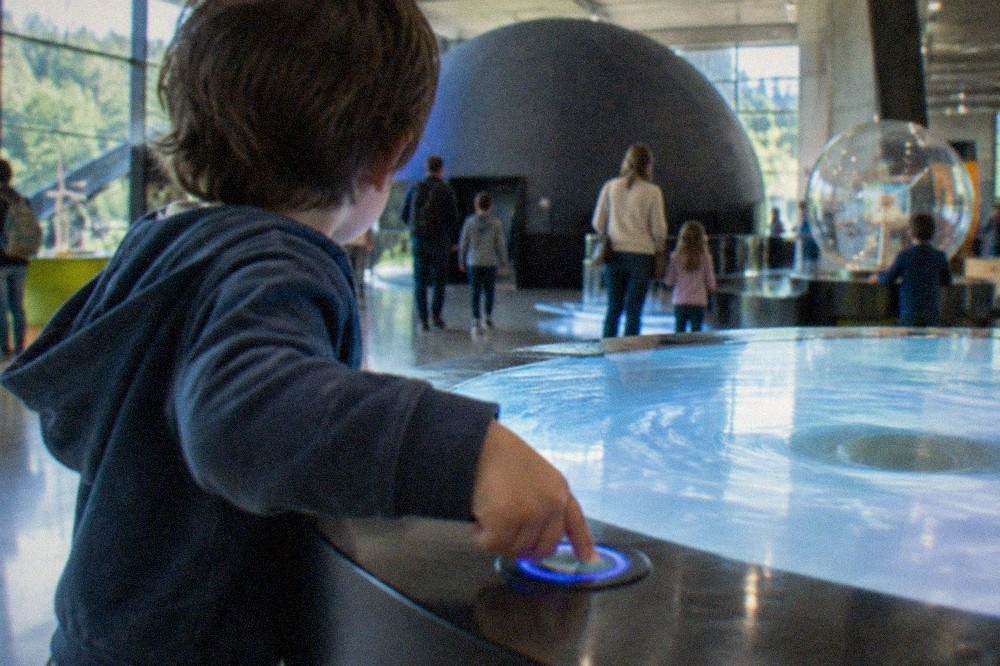
Eureka! Zientzia Museoa is built for children first: the museum's tariff page prices the planetarium separately for visitors as young as 18 months to 3 years at 3 EUR, and the reduced ticket at 7 EUR covers the age groups most science centres treat as their core audience. A museum that sells a ticket category for toddlers is telling you who its floor is designed for. The interactive format means children are expected to touch, press, wind and experiment, which is the opposite of a glass-case museum where the main instruction is quiet.
The planetarium is the second half of the family case. A show costs 4 EUR general or 3 EUR reduced on its own, so adding it to a child's museum visit is a small increment on the day's budget. The museum's own tariff page is the source for every figure in this paragraph, and the combined ticket at 9.50 EUR reduced is the one most families will actually buy.
One honest caveat belongs here. This page cannot publish the museum's opening hours, because the venue's own tariff page does not state them, and a family plan lives or dies on timing. Confirm the day's hours and the planetarium's show schedule with the museum before you promise a visit to anyone under ten.
What Can You See Inside The Museum?
The museum's own tariff page names three things a ticket can cover: the interactive museum floor, the planetarium, and a guided Animalia session, and the price ladder runs from 10 EUR for the floor alone to 16.50 EUR for all three together at the general rate. The page prices the visit rather than describing the exhibits, so what follows is what the tariff structure itself tells you, plus what the format of an interactive science centre means in practice.
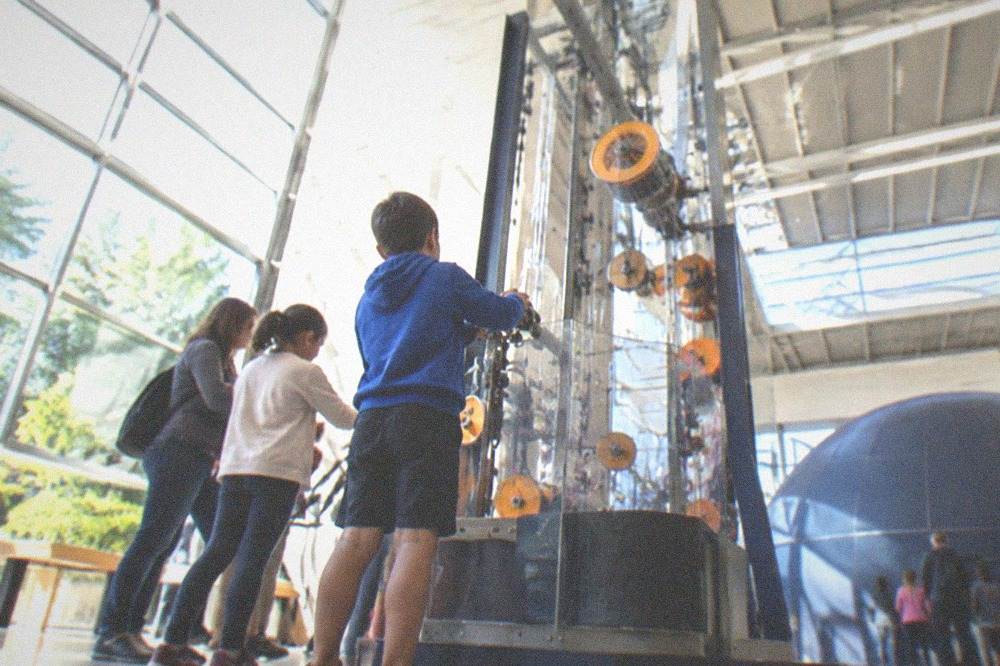
The museum floor is the base layer. In a science centre of this type the exhibits are machines, mirrors, sound installations and physical demonstrations that visitors operate themselves, and the museum's pricing of a plain 10 EUR museum ticket tells you that floor is the main product, with the planetarium and the guided session as add-ons.
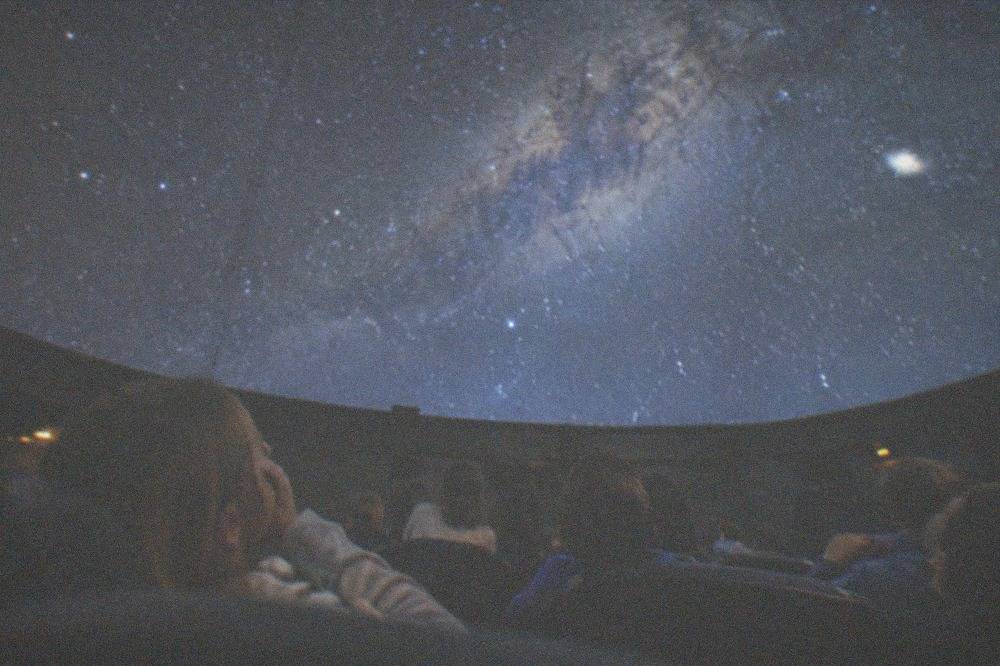
The planetarium is the second layer. The museum prices it at 4 EUR general and 3 EUR reduced as a standalone, and 12.50 EUR and 9.50 EUR combined with the museum, which means a domed projection show is a normal, scheduled part of the visit rather than a special event.
The Animalia session is the third layer, a guided addition that the museum prices at 15 EUR and 12 EUR combined with the museum, or 16.50 EUR and 13.50 EUR with the planetarium as well. A guided session priced into the tariff is a structured activity, not a wandering look-around, so it suits visitors who want a led experience inside the building.
How Does Eureka Compare To San Sebastian's Other Museums?
Eureka! Zientzia Museoa charges 10 EUR general and 7 EUR reduced, which sits between free-entry Tabakalera and the 10.00 EUR general ticket at San Telmo Museoa, while Chillida Leku outside the city charges 14 EUR for adults, so the science museum is mid-priced for San Sebastián's cultural offer. Every figure in that sentence comes from the venue's own published pages. What separates Eureka from the others is format: it is the city's participation museum, where the others are collections, art or contemporary culture.
The comparison table below pulls together the admission figures each venue publishes itself.
| Museum | General admission | Reduced ticket | Free entry rule |
|---|---|---|---|
| Eureka! Zientzia Museoa | 10 EUR | 7 EUR | None published |
| San Telmo Museoa | 10.00 EUR | 4.00 EUR | Free every Tuesday for everyone |
| Tabakalera | Free access | Free access | Free access to the building |
| Chillida Leku (Hernani) | 14 EUR | 10 EUR | Free for children up to 8 |
San Telmo Museoa is the city's history museum, in the old town near Plaza de la Constitución, and its own page gives it the same 10.00 EUR general price as Eureka but a much lower reduced ticket at 4.00 EUR. Its free-Tuesday rule is the strongest value lever in the city's museum scene: entry costs nothing for everyone every Tuesday, and the museum runs Tuesday to Sunday, closed Mondays except holidays and long weekends. Its hours shift with the seasons, 10:00 to 19:00 from 1 November to 31 March and 10:00 to 20:00 from 1 April to 31 October, and it also closes on 1 and 20 January and 25 December.
Tabakalera, the contemporary culture centre, publishes free access to its building, open Tuesday to Sunday and holidays from 10:00 to 21:00 and closed Mondays, with exhibition halls open 11:00 to 13:00 and 16:00 to 20:00. If your budget for museums is zero, that is where you start.
Chillida Leku is a different proposition altogether: it is in Hernani, a separate municipality outside San Sebastián, not in the city, and its own page gives 14 EUR adults, 10 EUR for groups of 10 or more, students and over 65s, 7 EUR for under 18s, and free entry for children up to 8. It is open every day from 10:00 to 19:00 except Tuesday and Wednesday, with a free car park. This site has a full guide to Chillida Leku if that sculpture park is on your list.
Is Eureka! Zientzia Museoa A Good Rainy Day Option In San Sebastian?
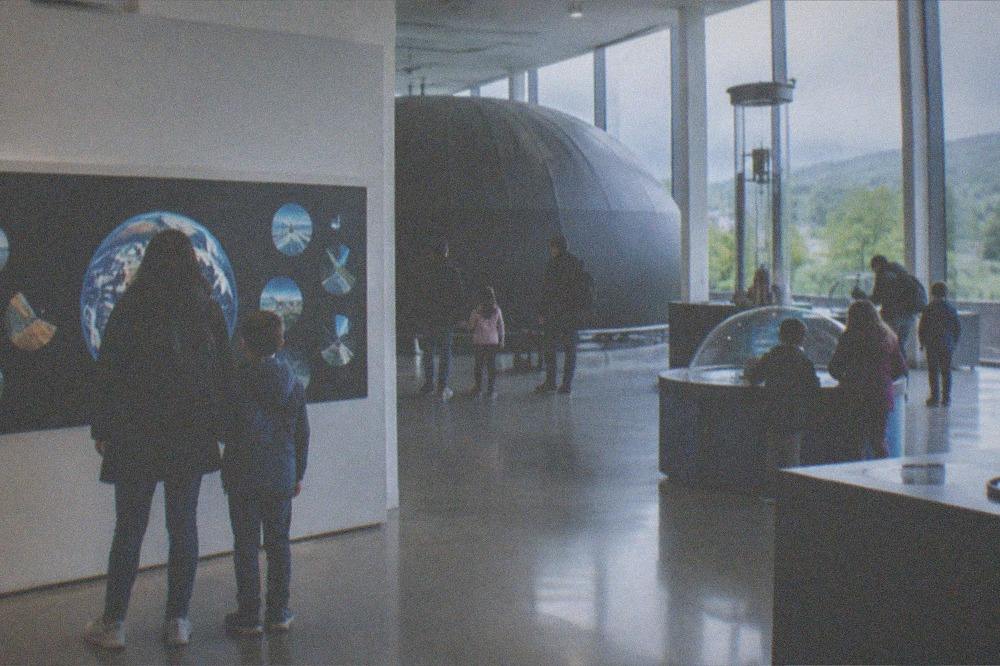
Yes, because San Sebastián is a wet Atlantic city, AEMET's normals for its Igeldo station record 1,507 mm of rain a year over 141 rain days, and even July, the driest month, averages 86 mm, so an indoor museum is a genuine plan rather than a backup. The same station shows November as the wettest month at 169 mm and October second at 159 mm. A science centre with a planetarium is one of the few city attractions that can absorb a whole rainy afternoon without anyone getting bored.
The rain question is not hypothetical in this city. The table below shows what the AEMET normals say month by month, and it explains why the off-season months, when hotel demand in the city drops, are exactly when a museum plan earns its keep.
| Month | Mean temperature (C) | Rain (mm) | Days with 1 mm or more |
|---|---|---|---|
| January | 8.5 | 141 | 13.2 |
| February | 8.7 | 110 | 11.6 |
| March | 10.3 | 113 | 12.4 |
| April | 11.3 | 138 | 13.4 |
| May | 14.4 | 120 | 12.2 |
| June | 16.9 | 90 | 10.6 |
| July | 18.9 | 86 | 9.8 |
| August | 19.5 | 117 | 10.5 |
| September | 18.0 | 111 | 10.1 |
| October | 15.5 | 159 | 11.8 |
| November | 11.3 | 169 | 13.0 |
| December | 9.1 | 151 | 12.4 |
Read the table honestly: no month averages under 86 mm of rain, and April's 13.4 rain days edge out January's 13.2. A wet-weather plan is not pessimism in San Sebastián, it is arithmetic. The city has a dedicated guide to a rainy day in San Sebastián that lines up the indoor options, and Eureka belongs on that list for families above almost anything else, because its exhibits are designed to be handled.
How Do You Fit Eureka Into A San Sebastian Day?
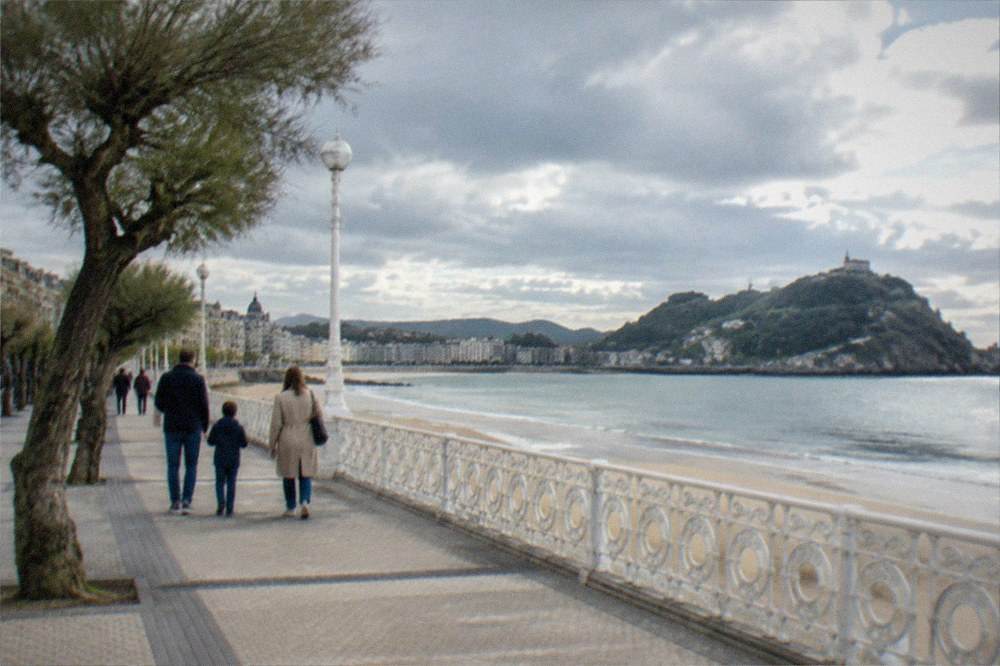
The practical shape of the day is a museum block of two to three hours for the floor plus a planetarium show, bracketed by outdoor time on La Concha or Monte Urgull, with the 12.50 EUR combined ticket covering the indoor half; the museum's own tariff page prices that combination and the rest of the day is free or low-cost city space. The bay beach at La Concha is the city's signature free sight, and Monte Urgull, the hill between the old town and the water, is open from 08:00 to 21:00 between 1 May and 30 September and 08:00 to 19:30 from 1 October to 30 April, according to the tourism board's own page.
A sample day built from the city's published opening rules looks like this.
| Time block | Activity | What the official sources say |
|---|---|---|
| Morning | Guided walk or Old Town wander | The Old Town, the Parte Vieja, sits between the bay and the Urumea river |
| Midday | Eureka museum floor | 10 EUR general, 7 EUR reduced, on the museum's tariff page |
| Early afternoon | Planetarium show | 4 EUR alone, or 12.50 EUR combined with the museum |
| Late afternoon | Monte Urgull or La Concha | Urgull open 08:00 to 21:00 in the May to September season |
| Evening | Pintxos in the Parte Vieja | The city's pintxo bar culture needs no ticket |
If you are travelling with children, the San Telmo Museoa makes a strong second museum: its free Tuesday rule means a two-museum week costs the price of one, and its reduced ticket is only 4.00 EUR. The Aquarium is the other classic family stop, open daily 10:00 to 20:00 in July and August, and closed on Mondays from October to March except long weekends, with last entry an hour before closing.
For the outdoor half of the day, a boat on the bay is the cheapest ticketed pleasure in the city, and the small-group options below are the ones visitors book most for the surrounding streets and hills.
The city's own money page, covering things to do in San Sebastian, is the place to weigh Eureka against the beaches, the hills and the food scene if you have more than a day. This site's San Sebastian Spain Guide coverage also includes a full page on the Monte Igueldo funicular, whose own site lists a 5.50 EUR adult return fare and states that the ticket includes entry to the grounds, a pairing that works well with a science museum morning for a family with mixed ages.
Common Questions About Eureka! Zientzia Museoa In San Sebastian
How much does Eureka! Zientzia Museoa cost?
General admission is 10 EUR and the reduced ticket is 7 EUR, on the museum's own tariff page. A planetarium show costs 4 EUR general or 3 EUR reduced, and the combined museum plus planetarium ticket is 12.50 EUR general and 9.50 EUR reduced.
What is Eureka! Zientzia Museoa?
It is San Sebastián's interactive science museum in the Basque Country, Spain, a hands-on science centre with a planetarium, whose tickets cover the museum floor, planetarium shows and a guided Animalia session in combination.
Is Eureka! Zientzia Museoa good for kids?
Yes. The museum prices a planetarium ticket for children aged 18 months to 3 years at 3 EUR, and its reduced ticket at 7 EUR covers the young age groups that interactive science centres are built around.
What are the opening hours of Eureka! Zientzia Museoa?
The museum's own tariff page does not publish opening hours, so confirm the day's schedule and the planetarium show times with the venue directly before you travel.
Is Eureka! Zientzia Museoa a good rainy day option in San Sebastian?
Yes. AEMET's normals for its Igeldo station record 1,507 mm of rain a year over 141 rain days, with November the wettest month at 169 mm, so an indoor science centre with a planetarium is a genuine plan in this city.
How does Eureka compare with San Telmo Museoa?
Both charge 10.00 EUR general admission, but San Telmo's reduced ticket is 4.00 EUR and entry is free for everyone every Tuesday, while Eureka's reduced ticket is 7 EUR and it publishes no free-entry rule. Eureka adds a planetarium, which San Telmo does not have.
If you want a led introduction to the city before the museum floor, the highlights walk below covers the Old Town and the Romantic Area with separate English and Spanish departures, and you can Check availability for your dates.
The bay itself deserves time on any museum day. The council's own beach pages give La Concha a mean length of 1,350 metres and Zurriola, the surf beach on the Gros side, 800 metres with a strong swell, so the calm bay and the wilder eastern strand suit very different visitors. Lifeguards are on duty at all three city beaches from 1 June to 30 September, with hours of 10:00 to 20:00 from 15 June to 15 September, which is the window to treat swimming as a planned part of the day rather than a hopeful one.
When the weather holds and the museum floor has been covered, two wheels are the fastest way to see how the city fits together, from the bay to the beaches at the eastern end. The e-bike ride below follows the bike trails out along the coast, and it pairs naturally with a morning indoors because it needs no schedule of its own.
Whichever way you build the day, the combined museum plus planetarium ticket at 12.50 EUR general is the figure to plan around, and the museum's own tariff page remains the place to confirm prices and schedules before you go.