How Much Does A San Sebastian Cheesecake Cost?
What a slice of basque burnt cheesecake costs in San Sebastián, why the price moves between bars and bakeries, and how to taste it without guessing.
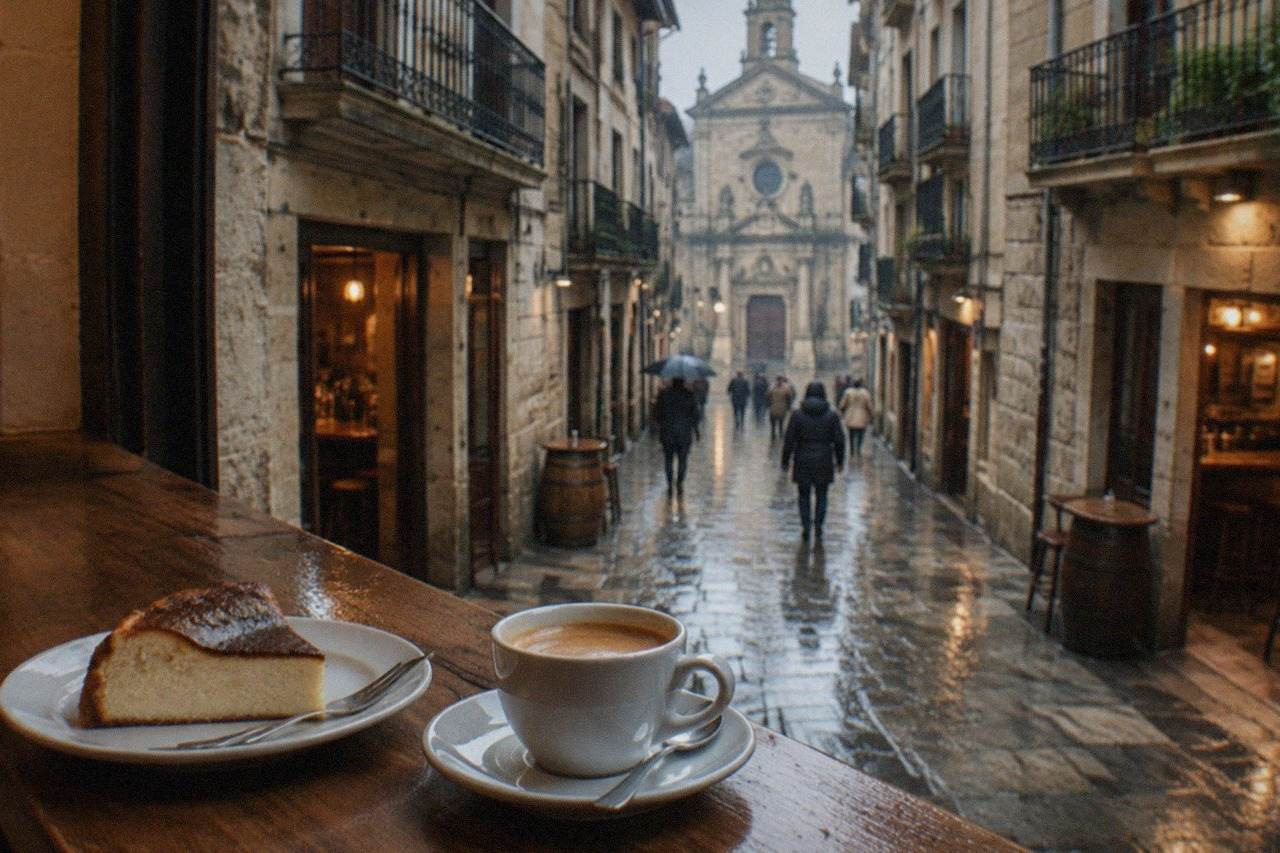
The burnt Basque cheesecake, the one with the dark caramelised top and the unset centre, comes from San Sebastián in the Basque Country, Spain, the city on La Concha bay whose Basque name is Donostia. It was created in this city and it is still made here daily, which is exactly why the question of price has no single answer. A slice costs one thing at a bakery counter, another at a pintxo bar, and another again at a café with table service, and none of those figures is fixed or published in any official source this site could verify. What can be said with confidence is what drives the difference, and that is what this page lays out.
How Much Does A San Sebastian Cheesecake Cost?
There is no single verified price for a slice of San Sebastián cheesecake, because the cost depends entirely on where you buy it: a bakery in the Old Town, a pintxo bar counter, a café with table service, or a whole tart to take away. Treat any figure you see quoted online as one venue's price on one day, not a city-wide fact.
The honest way to answer the question is to say what the price buys rather than what the number is. A slice at a standing bakery counter buys the cake itself and nothing else. A slice at a pintxo bar buys the cake plus a seat, a drink and the atmosphere of the counter. A slice at a café with table service buys all of that plus someone bringing it to you. The cake is the same idea in all three places, a high-cream cheesecake baked deliberately hot so the top scorches and the middle stays loose, and the price climbs with each layer of service added on top.
Whole tarts are a different purchase again. Bakeries across the city sell the entire cake in a paper mould, the way the original was served, and that price is set per tart rather than per slice, so it scales differently for a family or a group. If a figure matters to your budget, the reliable move is to ask at the counter before ordering, because nothing in the city's official tourism material publishes a cheesecake price either. The tourism board celebrates the cake as part of the city's gastronomy, and it leaves the pricing to the venues, which is the correct instinct for a visitor to copy.
For the story of the cake itself, who invented it and why the centre stays runny, the companion page on what is so special about San Sebastian cheesecake goes into the baking and the history, and the guide to La Viña cheesecake covers the bar most often named as its birthplace.
Why The Price Changes From Counter To Table In San Sebastian
The price of a slice moves with three things: the service wrapped around it, the location of the venue, and whether you buy a single portion or a whole tart. A counter slice in a working bakery is the cheapest way to eat it, a pintxo bar adds the cost of the bar's own kitchen and staff, and a whole take-away tart is priced per cake, which usually works out cheaper per portion for a group.
San Sebastián runs on counter culture. The pintxo bars of the Parte Vieja, the Old Town, sell small dishes across the bar, and dessert is part of that system, so a slice of cheesecake ordered at the counter carries the same overheads as everything else in the glass case. A bakery that sells the tart by weight or by the slice, with no seats and no service, strips those overheads away. That gap is the single biggest driver of the difference between two slices that look identical.
The second driver is rent and footfall. A venue on the seafront or in the middle of the Old Town pays for its location, and that cost reaches the plate. The third is the take-away tart, which in this city traditionally comes in the same crinkled paper mould it was baked in, and which bakeries price as one cake rather than as slices. For a family sharing it at home, that is almost always the better arithmetic, though no verified per-portion figure can be printed here because none exists in the sources this site uses.
The table below shows how the purchase changes with the setting. It deliberately carries no prices; what it does show is what each way of buying actually includes.
| Where you buy it | What the purchase includes | What to expect at the counter |
|---|---|---|
| Working bakery, take-away | The slice or the whole tart in its paper mould, no seating | Fastest and simplest way to buy; ask the price before ordering |
| Pintxo bar counter | The slice plus the bar's counter service and a drink ordered alongside | Dessert is part of the pintxo system; expect bar pricing, not bakery pricing |
| Café with table service | The slice, a seat, table service and often a coffee or liqueur | The most expensive of the three, and the slowest |
| Whole take-away tart | An entire cake priced as one item, usually for sharing | Best value per portion for a group; prices vary by venue and day |
If the cheesecake is one stop on a wider eating plan, the question of how much do pintxos cost in San Sebastian answers the same way: the setting sets the price, and the counter is always cheaper than the table.
What The Price Buys You In San Sebastian
What the money buys is the cake itself, a high-cream cheesecake baked hot so the top caramelises and the centre stays deliberately unset, plus whatever service comes with the venue. The distinctive features, the scorched top, the jiggling middle and the paper mould, come as standard at every price level in the city, so paying more buys comfort and service, not a better cake.
The cake's character is the same wherever it is served. It is made with a high proportion of cream cheese and cream, baked at a temperature high enough to darken the top to a deep brown, and pulled from the oven while the centre is still loose, so it never sets firm like a New York cheesecake. The paper mould is part of the identity too: the original was served straight from its crinkled case, and many places still do it that way. None of that changes with price. What changes is the room you eat it in. The wider set of guides lives on San Sebastian Spain Guide.
This matters for budgeting, because it means the cheapest slice in the city is not a compromise. A bakery counter slice and a café table slice are the same recipe with the same burnt top, and the difference in cost buys the chair, the plate, the waiter and the extra time. Visitors who want the cake at its most authentic, straight from the mould with a spoon, can get exactly that at the counter price. Visitors who want to sit down after a long walk along La Concha can pay for the pause.
It also means the cake travels well. A whole tart taken back to where you are staying keeps its character, and the unset middle firms up slightly as it cools without losing the point of it. The guide to San Sebastian cheesecake covers the cake's story and its spread around the world in more depth.
Should You Order A Slice Or A Whole Tart?
For one person, a slice at a counter is the obvious choice. For two or more, the whole tart is worth asking about, because it is priced as a single item and it is designed to be shared. Either way, ask the price at the counter before committing, since nothing is published centrally and a figure quoted in a blog from another year may no longer match the board on the wall.
Does The Time Of Day Change Anything?
Not the price, but the supply. The cake is baked in batches, and a busy afternoon in the Old Town can empty a case before evening. Going earlier in the day widens the choice of venues rather than lowering the cost.
Is The Cheesecake Worth The Price In San Sebastian?
For visitors, yes, because the cake is a genuine local invention rather than an import, and eating it in the city where it was created is a different experience from eating a copy abroad. The burnt top and the unset centre are native to this city's kitchens, the recipe is served at every price level, and the cheapest way to taste it, a counter slice, is also one of the most authentic.
The argument for value is not that the cake is cheap. It is that the cake cannot be substituted. Versions now exist in bakeries across the world, but the method, the loose middle and the paper mould come from this city's bars and ovens, and the local version is the reference point every copy measures itself against. Paying for a slice here is closer to paying for a concert in the hall where the piece was written than to paying for a souvenir.
The argument against is real too. San Sebastián is an expensive city to eat out in, a question examined in detail on is San Sebastian expensive to eat out, and a dessert at a table-service café adds up the same way a pintxo dinner does. Anyone stretching a budget should treat the cheesecake as one planned stop rather than a daily habit, and should eat it at a counter rather than at a table.
There is also the question of where the best version is, which is a matter of fierce local debate and no verified ranking. The page on where to find the best cheesecake in San Sebastian lays out the contenders and the way locals argue about them.
How To Taste It Without Overspending In San Sebastian
The cheapest reliable plan is to buy a slice at a bakery counter rather than a café table, to order it with nothing else, and to go earlier in the day when the cases are full. Anyone who wants the cake explained rather than just served can join a guided pintxo tour, where the dessert stops are chosen for quality and the guide's fee replaces the guesswork of picking bars at random.
The counter strategy works because of how the city's food economy is built. Pintxo bars and bakeries price for turnover, and a slice handed over the counter carries no service premium. The same cake carried to a table, plated and accompanied by a coffee ordered out of politeness, can end up costing meaningfully more by the time the bill arrives. The shape of the difference is structural, not seasonal.
The guided option solves a different problem, which is knowing where to go. A tour led by someone who eats in these bars regularly removes the risk of an expensive disappointing slice, and on a food tour the dessert is usually folded into a route that already includes pintxos and drinks. The culinary pintxo tour below is capped at eight guests and led by a culinary expert, which is the setting where questions about the cake, its history and its makers actually get answered.
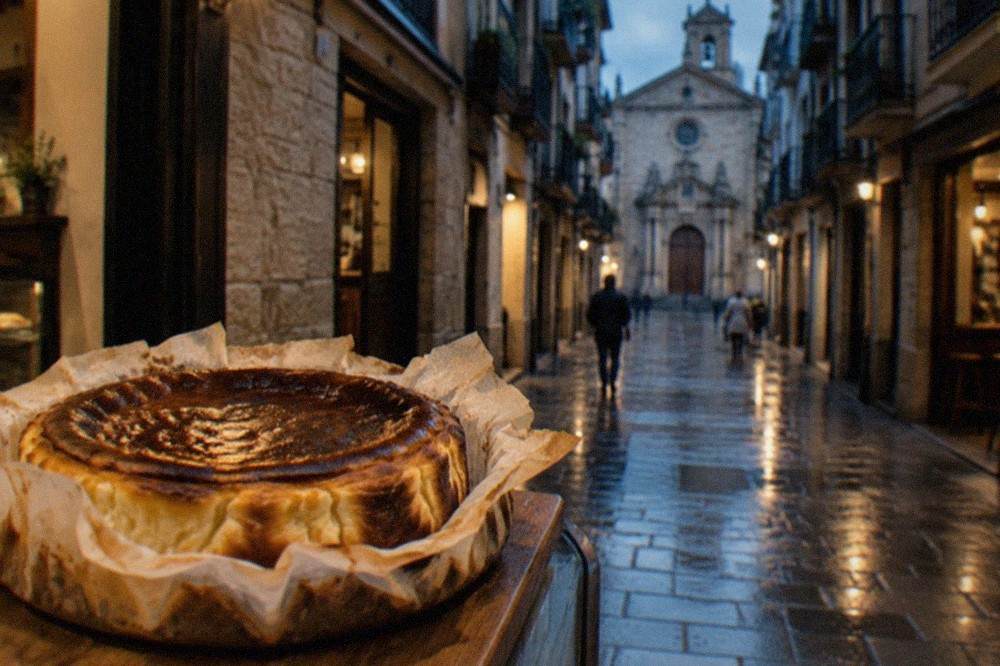
For anyone planning a wider eating day around the cake, the question of what food is San Sebastian famous for sets the full menu, from pintxos to txuleta steak, and the city's counters reward anyone who plans the dessert stop as carefully as the dinner.
Common Questions About San Sebastian Cheesecake Prices
How much does a San Sebastian cheesecake cost?
There is no single verified price. A slice at a bakery counter costs less than the same slice at a café with table service, and a whole take-away tart is priced as one cake. Prices can vary, so ask at the counter before ordering.
Is the cheesecake cheaper in a bakery or a bar in San Sebastian?
A bakery counter is generally the cheaper setting, because it sells the cake without seating or table service. A pintxo bar adds the overheads of the bar's kitchen and staff, and a café with table service adds the most. The recipe and the burnt top are the same at every level.
Can you buy a whole San Sebastian cheesecake to take away?
Yes. Bakeries in the city sell the entire tart, traditionally in the crinkled paper mould it was baked in, priced as a single item. For a group sharing it, that usually works out better per portion than buying slices, though each venue sets its own price.
Why does no guide print an exact price for the cheesecake?
Because prices are set venue by venue and no official source publishes them. The city's tourism board promotes the cake as part of local gastronomy but leaves pricing to each bar and bakery, so any figure online is one venue's price on one day, not a city-wide standard.
Is the cheesecake worth the money compared with other desserts in San Sebastian?
Yes, for many who come to the city. The cake was invented in this city, and the burnt top and unset centre are native to its kitchens rather than an import. Eating a counter slice where it was created is the most authentic and usually the cheapest way to have it.
The price of a slice will never be a fact about the city, only a fact about one counter on one day, and the visitors who enjoy it most are the ones who ask at the bar, take the answer, and order the cake where it was invented.