Do They Speak English In San Sebastian?
English in San Sebastián, Basque Country, Spain: what is actually spoken, where English works, and how to get by without Spanish.
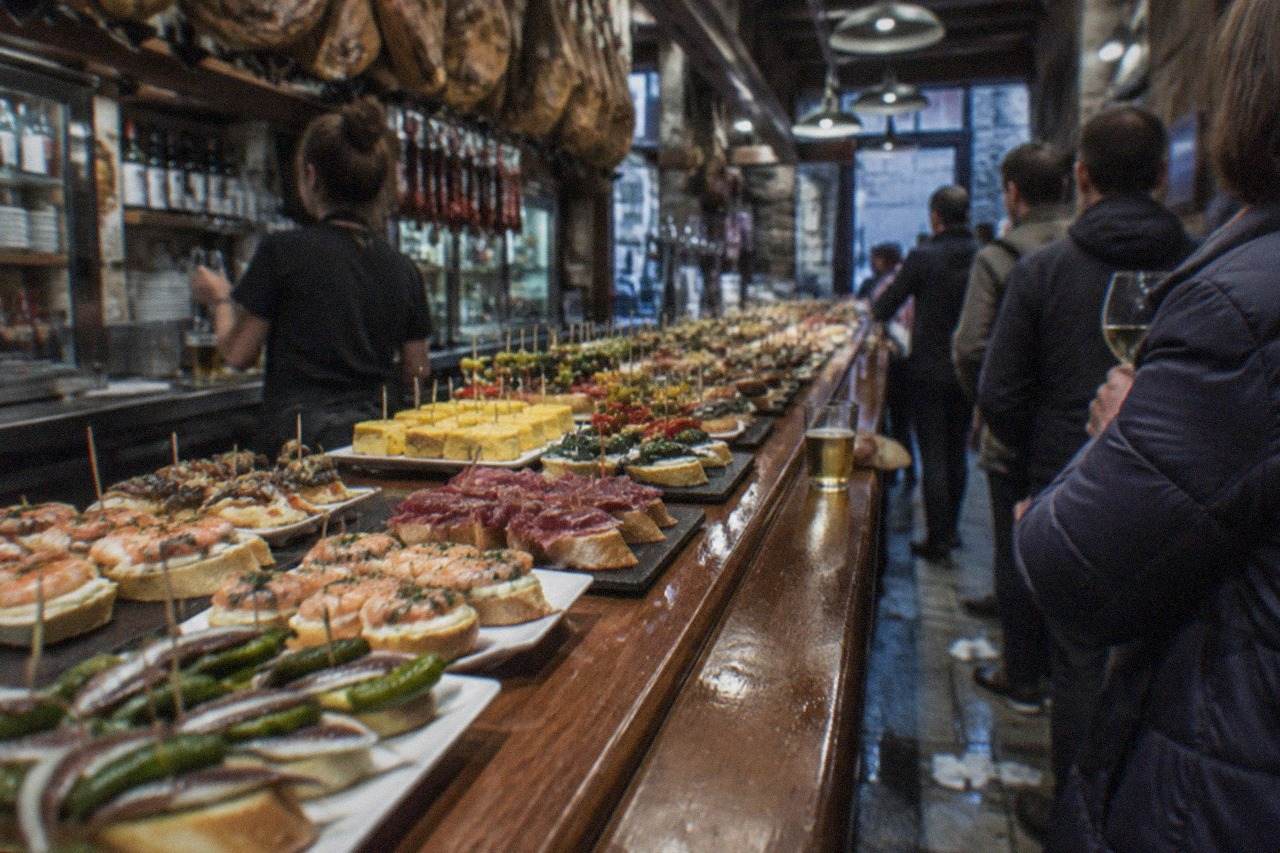
San Sebastián, the Basque city on La Concha bay in Gipuzkoa, Spain, whose official municipal name is Donostia / San Sebastián, has two official languages: Spanish and Basque, or Euskara. English sits behind both of them, and that is the honest starting point. What saves the visitor is that this is a small, tourism-shaped city of 189,866 residents, and the people whose job it is to serve visitors, bartenders in the Old Town, hotel desks, museum counters, tour guides, overwhelmingly work in English as a third or fourth language. The pages on this site are written for exactly that visitor: the one who arrives with no Spanish and no Basque and still eats well.
Do They Speak English In San Sebastian?
Yes, in the places a visitor spends time, English is widely and confidently spoken. San Sebastián's two official languages are Spanish and Basque, and you will hear both on every street, but hotel staff, museum front desks, pintxo bar regulars and every licensed tour guide on this site's roster work in English daily. Menus in the Old Town are increasingly bilingual or trilingual. Outside the visitor economy, in neighbourhood shops and on local buses, expect Spanish or Basque first and patience second.
The distinction that matters is not geography, it is role. The city's visitor economy runs on international guests: 63.7% of 2025 hotel overnight stays in the city were by residents abroad, counted across 2,199,966 hotel stays in INE's hotel occupancy survey. A city where most hotel nights belong to people from outside Spain does not staff its bars and museums with people who cannot take an order in English. The same survey counts hotels only, apartments and hostels sit outside it, but the direction is clear.
Where English thins out is exactly where you would expect: the ordinary machinery of a Basque city. The dBus driver, the butcher in Gros, the counter at a neighbourhood pintxo bar two streets back from the Boulevard. There, a few words of Spanish go a long way, and Basque is the language you will hear between staff. Neither is a problem to solve, just something to know before you point at the counter.
What Languages Are Actually Spoken In San Sebastian?
Two languages are official in San Sebastián and the wider Basque Country: Spanish, which nearly everyone speaks, and Basque, or Euskara, which a large share of local people speak and which you will see on every street sign, bus and council page. English is the working third language of the visitor economy, and French is common near the border, 45 km from Biarritz. Nobody expects a visitor to speak Basque, and nobody is offended by Spanish or English.
The city's own name carries the two languages in it. Donostia is the Basque name, San Sebastián the Spanish one, and the official municipal form is "Donostia / San Sebastián", a slash with spaces, fixed by a Gipuzkoa order published in 2012 so that either form can be used alone. Street signs in the centre give Basque names: the Old Town is the Parte Vieja, the cathedral is Buen Pastor, and the cider poured in winter is sidra and sagardoza depending on which language the bar chooses.
A visitor does not need any of this to function. But knowing that Basque is not a dialect of Spanish, it is an unrelated language with no living relatives, explains something visitors otherwise find strange: a barman who switches between three languages in one order. Basque words survive on menus everywhere: pintxos, txakoli, txuleta, sagardo. The site's guide to the language situation in San Sebastian goes deeper into Euskara and how to read it.
This table shows what you will actually meet, language by language.
| Language | Status in the city | Where a visitor meets it |
|---|---|---|
| Spanish | Official language, spoken by nearly everyone | Shops, buses, banks, most pintxo bars, all signage alongside Basque |
| Basque (Euskara) | Official language, co-official across the Basque Country | Street names, council pages, many staff conversations, Basque words on menus |
| English | No official status, strong in the visitor economy | Hotels, museum desks, licensed tours, many Old Town bars |
| French | No official status, common near the border | Some hotel and shop staff, day-trip operators running to Biarritz and Bayonne |
Where In San Sebastian Can You Rely On English?
You can rely on English, without hedging, in four settings: licensed tours, hotel front desks, the major museum counters and the Old Town's pintxo bars at evening peak. Every walking, food, boat and cooking tour on this site's roster runs in English, and the museums publish their hours in English too. The places where English fails are ordinary ones: local buses, neighbourhood shops, and any conversation that has left the visitor trail.
Tours are the clearest case. The city's tour listings are published in English, guided in English, and reviewed overwhelmingly in English. A visitor who books a guided walk, a pintxo crawl or a bay boat is buying, among other things, a few hours in which language is solved. The same is true of the cooking classes, one of which is explicitly listed as an English-language class, and of the self-guided audio tours, which exist in English by design. The wider set of guides lives on San Sebastian Spain Guide.
Museums hold their own. San Telmo Museoa, the city's history museum, publishes its hours, prices and free-Tuesday rule on a page offered in several languages, and its 10.00 EUR general ticket and free Tuesdays are easy to buy without a word of Spanish. Tabakalera, the contemporary culture centre, is free to enter and runs its exhibition halls Tuesday to Sunday. The aquarium's hours page is bilingual. At each of these, the counter staff handle English visitors all day.
Bars are the middle case, and the honest answer is that it depends on the bar and the hour. A counter on Calle 31 de Agosto at ten in the evening has a routine for English speakers: point, say the name of the pintxo, hold up a finger for one more. A neighbourhood bar in Egia at noon does not. The pintxo system itself is nearly language-free, which is why it works so well for visitors: the food is displayed on the counter, you point, you pay at the end.
Do You Need Spanish Or Basque To Visit San Sebastian?
No, you do not need Spanish or Basque to visit San Sebastián, and thousands of visitors each year manage with English alone. What earns goodwill is a small effort: hello and thank you in the local language, patience at counters, and pointing with a smile at the pintxo bar. Basque is never expected of a visitor, and Spanish is useful rather than necessary.
The words that matter most are short. Kaixo is hello in Basque, eskerrik asko is thank you, and both land well in a city where staff hear them all day from locals and almost never from visitors. Spanish equivalents, hola and gracias, work everywhere too. Beyond greetings, the practical vocabulary of a San Sebastián trip is food words, and the site's pages on what to eat in San Sebastián and where locals eat cover them: pintxo, txakoli, txuleta, gilda. Ordering in a bar consists largely of naming these.
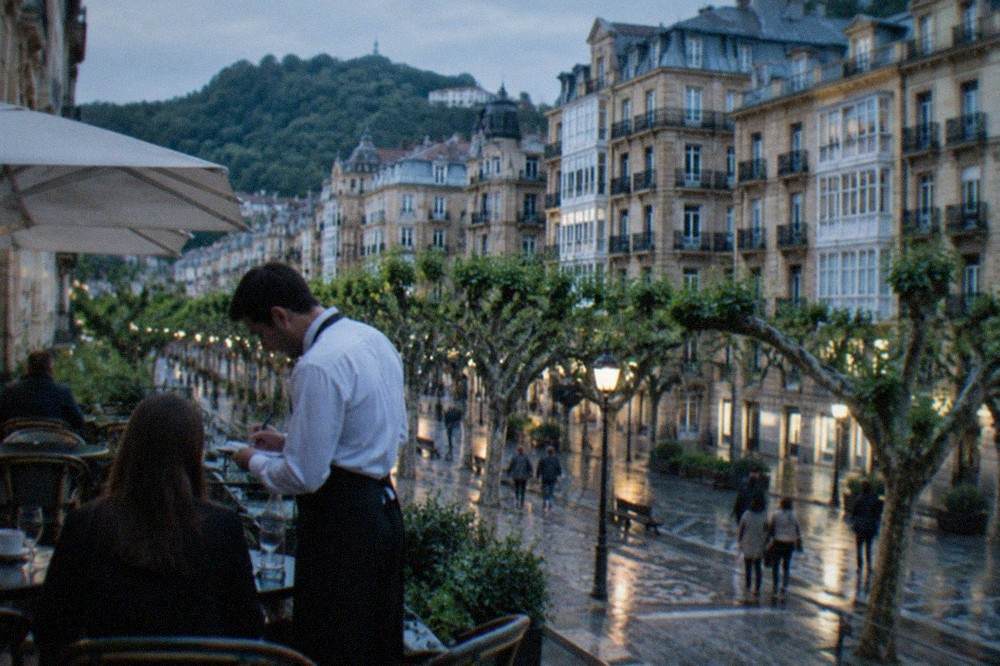
One honest warning: do not confuse the city's languages with the city's neighbours' rules. San Sebastián is in Spain, inside the Schengen area of 29 countries, so EU visitors cross the border to France with no language checkpoint at all, and Biarritz airport is only 45 km away, with direct service listed to the city by the tourism board. English is not an official language anywhere in the region, and a visitor who assumes it everywhere will eventually meet a bus driver or a shop counter where it is not.
Which Tours In San Sebastian Run In English?
Nearly every bookable tour in San Sebastián runs in English, and several run only in English. The food tours, the walking tours, the boat trips, the cooking classes and the day trips across the region are all listed and guided in English, with separate Spanish departures on some walks. A visitor who books tours for a first visit is buying language access along with the itinerary.
The choice below is real: a shared pintxo evening with a local host, a must-see walk of the historic centre, and a bay boat with a stop on Santa Clara Island. Each solves the language question for a few hours, in a city where the parts you most want to reach are also the parts where English works.
For a first evening, the shared pintxo tour is the one that does double duty, since it doubles as a language lesson in the bars you will return to on your own. The listing describes a local-led crawl with drinks and tapas included, and it is the tour this page is built around.
If you would rather go alone, the free GuruWalk walks are the exception to the paid-tour rule and worth naming for what they are: tip-based, English-language walking tours led by local guides, including a historic walk with a radioguide included that starts in Plaza Cervantes. Tip what you want at the end. Beyond the tours, the city's own answers page on walkability matters here too: a compact city you walk across is a city where you rarely need to ask a bus driver anything.
Common Questions About Speaking English In San Sebastian
Do they speak English in San Sebastián?
Yes, in the visitor economy: hotels, museum desks, licensed tours and most Old Town pintxo bars handle English daily. Spanish and Basque are the two official languages, and outside the visitor trail you will hear them first.
Is Basque the same as Spanish?
No. Basque, or Euskara, is an unrelated language with no confirmed living relatives, co-official with Spanish across the Basque Country. You will see it on street signs and hear it between staff, but nobody expects a visitor to speak it.
Can I order pintxos without speaking Spanish?
Yes. The pintxo counter is nearly language-free: the food is on display, you point, you eat, and you pay at the end. Knowing a few words, gilda, txakoli, txuleta, makes it faster and more fun.
Do San Sebastian museums have English information?
The major venues publish hours and practical information in English, and their counters handle English visitors all day. San Telmo Museoa offers its visitor page in several languages, and Tabakalera is free to enter.
Should I learn a few Basque words before visiting?
It is a welcome gesture, not a necessity. Kaixo for hello and eskerrik asko for thank you land well. Spanish, hola and gracias, works everywhere in the city too.
Will I need Spanish for day trips from the city?
The bookable day trips to Biarritz, Bilbao, Getaria and the cider houses are guided in English. Travelling independently by bus or train, you will meet more Spanish-only staff, so keep your destination names written down.
The short version: arrive with English and leave with a handful of Basque words, and the city will meet you more than halfway.