Is The Train Ride From Madrid To San Sebastian Scenic?
Is the train ride from Madrid to San Sebastián scenic? An honest look at what the Madrid to San Sebastián rail route shows, which side to sit on, and how the last stretch into the Basque Country earns its views.
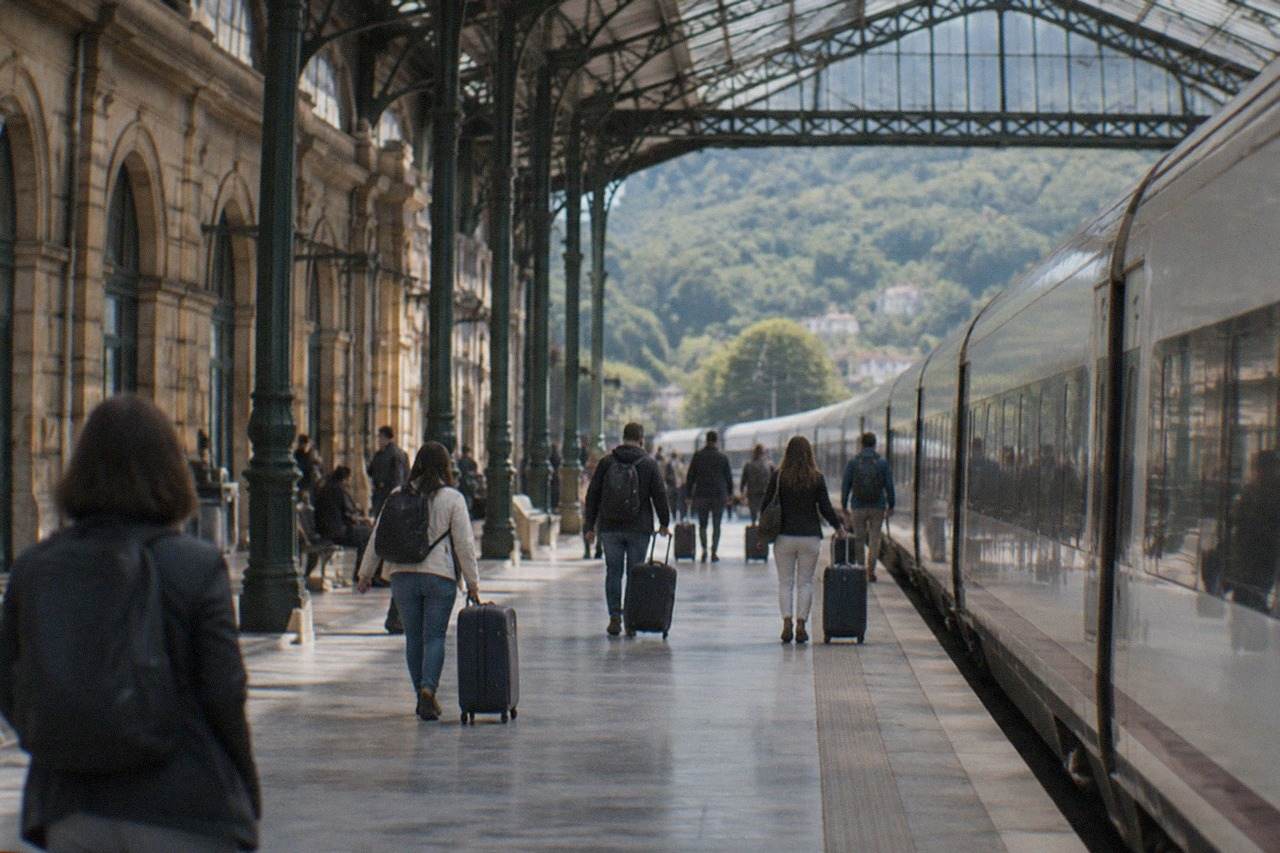
The train from Madrid to San Sebastián, the Basque city on La Concha bay whose official name is Donostia / San Sebastián, is a ride of two halves. The answer to whether it is scenic is a qualified yes: the opening hours cross the high, open Castilian plateau, where the horizon is wide and the interest is mostly in the sky, and the scenery builds steadily after that, finishing with the greenest stretch of the whole route as the line comes down toward the Atlantic coast of Gipuzkoa. Anyone who has read that northern Spain is brown and arid should adjust expectations in the opposite direction. This is the wet, green corner of the country: AEMET's normals for its Igeldo station record 1,507 mm of rain a year over 141 rain days, and the landscape the train rolls through shows exactly where all that water goes.
Is The Train Ride From Madrid To San Sebastian Scenic?
It is scenic in its second half and flat in its first. The train leaves Madrid across the high Castilian plateau, which is open country with long views but little drama, and the scenery improves steadily as the route climbs toward the Sierra de Guadarrama and then descends into the greener river valleys of the north. The final approach into San Sebastián, through wooded Basque hills close to the coast, is the most attractive part of the whole journey.
The plateau section is not ugly, but it is repetitive. Madrid sits at altitude, and for the first portion of the ride the land lies flat and treeless in every direction, punctuated by small towns, grain fields and the occasional ridge. This is the Spain of big skies, and on a clear evening the light alone can carry the stretch. On a grey day it is a matter of patience.
The change comes as the route works its way north. The terrain folds, woodland appears, and the line begins to follow river valleys instead of crossing open plain. By the time the train is in the Basque Country proper, the landscape is the one the region is known for: steep green hills, woods, farmhouses with their own names, and valleys that look, correctly, like they receive a great deal of rain. The contrast with the plateau is the single best argument for taking the train rather than flying: the route earns its final hour.
The window seat matters more than most guides admit. On a northbound train the scenery is on both sides at different moments, but the valleys and hillsides on the descent tend to reward the left side, and the last stretch into the city runs close enough to hills that any seat shows something. If the choice exists, take a seat on the left and be prepared to swap once or twice.
What Does The Route From Madrid To San Sebastián Look Like?
The route runs from the Castilian plateau, over the Sierra de Guadarrama region, into the river valleys of Old Castile, and then into the green hills of the Basque Country, ending at the coast. Each stage has a distinct character, and the scenery improves almost stage by stage as the train moves north and west toward San Sebastián.
A useful way to think about the ride is as four landscape stages, and the table below sets them out. The stage names are broad regions the line passes through, not official railway divisions, and the character column is what a window shows in each.
| Stage | Landscape | Character From The Window |
|---|---|---|
| Departure from Madrid | Castilian plateau | Flat, open, long horizons, grain fields and small towns |
| The climb north | Sierra de Guadarrama foothills | Rolling terrain, the first real woodland, ridgelines |
| The northern plateau and valleys | Old Castile river valleys | Wider green strips, rivers, larger towns along the water |
| The Basque approach | Gipuzkoa hills | Steep green hillsides, woods, farmhouses, coastal air |
The transition between the first and second stages is the moment most passengers notice. One moment the view is a plain, the next the train is cutting between slopes with rock and pine. From there the route keeps improving, and the last stage, the Basque one, is the stretch that makes the answer to this page's question a yes rather than a maybe.
Which Side Of The Train Should You Sit On From Madrid To San Sebastián?
Sit on the left side travelling from Madrid to San Sebastián if the goal is scenery, because the left side faces the hillsides and valleys on the descent into the Basque Country, where the best views of the journey are. The right side is not wasted, it shows the plateau's long horizons early on, but the left wins the second half, which is the half that matters.
Seat choice on a Spanish long-distance train is usually decided at booking, and both sides of the carriage get something from this route. The honest advice is not to agonise: the plateau gives the right side its open views, and the hills give the left side its close ones. If the booking system offers a choice, take the left. If it does not, the scenery on the final stretch is close enough to the line that a right-side seat still shows the green hills of the Basque Country.
One practical note that matters more than the side: the light. The train arrives in San Sebastián having travelled north and west, and on an afternoon departure the sun sits behind the hills on the left for stretches, which softens the views. A morning departure keeps the light ahead of the train for most of the ride. Neither is a reason to change a plan, but it is worth knowing before the first hour of plateau tempts a nap.
The city itself, once the train is in, is compact and walkable, and the station is close to the centre. For what to do with the hours after arrival, the site's things to do in San Sebastian page is the full round-up, and the local buses and the Euskotren Topo are covered in the site's guide to getting around the city.
How Does The Scenery Compare With Other Train Routes Into The City?
The Madrid route is the most scenic of the long-distance rail approaches to San Sebastián, because it crosses the full range from plateau to green coast in one ride, while the approaches from Bilbao and the French border are shorter and show less variety. The Barcelona approach is the longest and the least consistent, mixing coastal and inland sections.
Every rail route into the city ends in the same green corner of Gipuzkoa, so every one of them has a good final stretch. The differences are in what comes before it. The table below compares the approaches a visitor is most likely to take, and the verdict column is about the scenery, not the speed or the fare, neither of which belongs on this page.
| Approach | Landscape Before The Final Stretch | Scenic Verdict |
|---|---|---|
| From Madrid | Castilian plateau, then northern hills and valleys | The most varied, two halves of a single ride |
| From Bilbao | Industrial outskirts, then Basque countryside | Short and green but less varied |
| From the French border | Coastal strip and river mouth | Brief and pretty, over quickly |
| From Barcelona | Long inland sections with mixed scenery | Longest ride, scenery comes and goes |
For visitors weighing the Madrid train against other options, the site has a full guide to Madrid to San Sebastian, and the question of whether there is a high-speed train to San Sebastian is answered separately, because the answer changes what the journey is like.
Is The Last Stretch Into San Sebastián The Best Part Of The Ride?
Yes, the last stretch into San Sebastián is the best part of the ride, because the train comes down through the wooded hills of Gipuzkoa within sight of the coast, and the green, steep, rain-fed landscape is the exact opposite of the plateau the journey began on. It is the section that makes the whole route worth taking by rail.
The final approach earns its reputation. The hills close in, the woods thicken, and the weather often changes too, which is not a complaint in this region but part of its character. AEMET's normals for its Igeldo station show 141 days a year with at least 1 mm of rain, and even July, the driest month, averages 86 mm, so the greens on those hillsides are not decorative, they are the direct product of the climate. Passengers who board in dry Madrid can watch the country get wetter out of the window.
The city the train delivers is small for its fame. The municipal register counted 189,866 residents at 1 January 2025, and the station puts a visitor within a short walk or a quick bus ride of the Old Town, the Parte Vieja, where the evening pintxo crawl starts. That first evening is where the arrival becomes a full day, and a guided crawl is the standard way to do it.
For those who prefer to plan the food themselves first, the guide to pintxos in San Sebastian lists the bars street by street, and the question of what time people eat pintxos in San Sebastián is worth reading before the first evening, because the timing surprises people.
What Can You See From The Train Near San Sebastián?
Near San Sebastián the train passes through the green hills and valleys of inland Gipuzkoa before reaching the city, showing woods, rivers and farmland rather than the coast itself, since the line arrives through the interior rather than along the shore. The sea appears only in the last moments, if at all, so the scenic payoff is rural, not maritime.
This is the detail that catches some travellers out. The ride does not run along the beach, and the bay does not open up in front of the train. What the window shows is the Basque interior at its best: small rivers, pasture on slopes too steep for anything else, and woods running to the tops of the hills. The coast is close by, and the city is on it, but the railway's approach is from the land side.
The payoff for that is what waits after arrival. The bay, La Concha, is one of the most photographed urban beaches in Europe, 1,350 m long by the council's own figures, and the seafront is a short distance from the station. The site's guide to La Concha beach covers it in full, and the choice between La Concha and Zurriola for surfers and swimmers is answered on the site's beach comparison page.
For travellers continuing beyond the city, the ride's scenery does not have to end at the border. The eastbound route toward Barcelona and the long way in from Paris are both covered in the site's other route guides.
Common Questions About The Madrid To San Sebastian Train
Is the train ride from Madrid to San Sebastián scenic?
Partly, and increasingly so. The first stretch crosses the flat Castilian plateau, the middle climbs into hillier country, and the final approach through the green hills of Gipuzkoa is the most scenic part of the whole ride.
Which side of the train should you sit on from Madrid to San Sebastián?
Take the left side if the booking system allows a choice, because the best views on the descent into the Basque Country are on the left. The right side shows the plateau's long horizons early in the ride, so no seat is wasted.
Does the train from Madrid to San Sebastián go along the coast?
No. The line arrives from the interior, through the wooded hills of inland Gipuzkoa, and the sea and La Concha bay appear only after arrival, a short distance from the station.
Is the train from Madrid to San Sebastián better than flying?
For scenery, yes: the train shows the full change from Castilian plateau to green Basque hills, which a flight cannot. For speed and fare comparisons, see the site's guide to the Madrid to San Sebastián route.
When does the scenery get good on the Madrid to San Sebastian train?
Once the route leaves the plateau and climbs toward the northern hills, roughly in the second half of the ride, the scenery improves steadily and stays good through the arrival into Gipuzkoa.
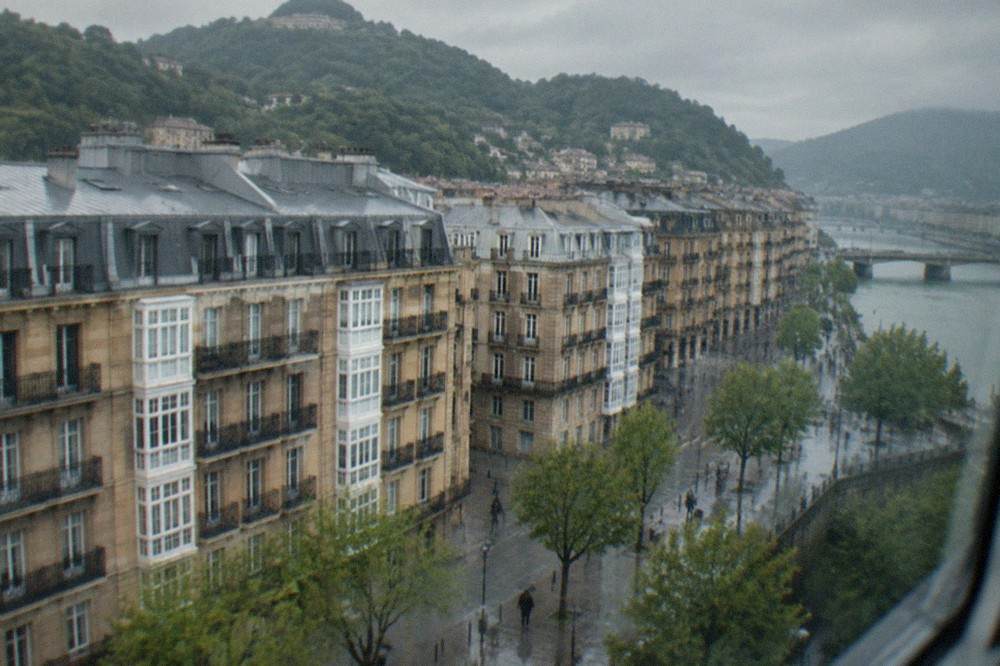
The short version for anyone deciding between the rails and a flight: the Madrid to San Sebastián train is a genuine scenic ride in its second half, a patient one in its first, and the green hills of the Basque Country, kept green by 1,507 mm of annual rain, are waiting at the end of it. More route planning help is on San Sebastian Spain Guide throughout the year.