Is There A High Speed Train To San Sebastian?
No high speed train serves San Sebastián in the Basque Country yet. This page explains what rail the city actually has, the Topo line, the Basque Y project, and how to arrive without AVE.
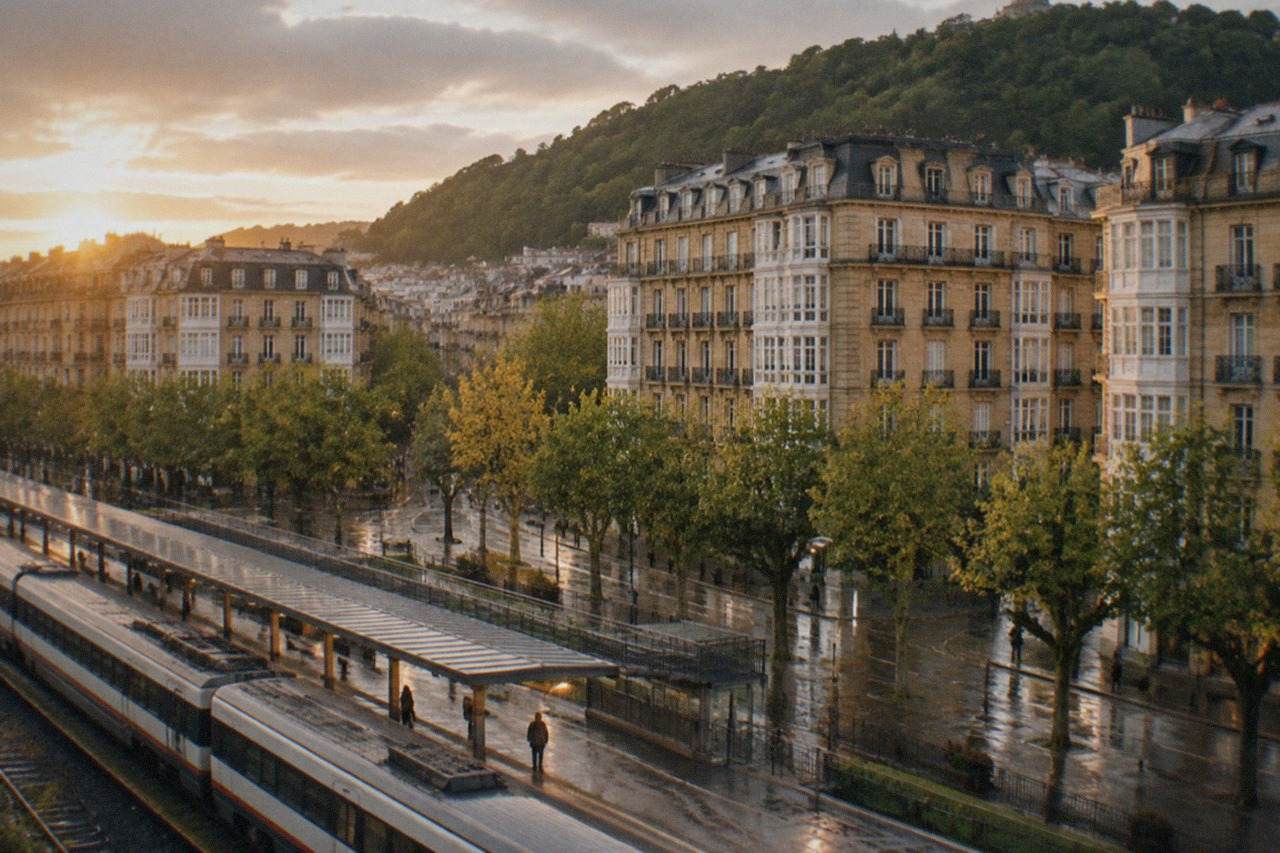
San Sebastián, the Basque city on La Concha bay whose official name is Donostia / San Sebastián, is one of the most visited small cities in Spain, and one of the least served by fast rail. Travellers coming from Madrid, Barcelona or Paris often assume a high speed line must reach a place this famous. It does not. This page gives the direct answer, explains what rail the city actually has today, and sets out what is officially known about the high speed project that will one day change it.
Is There A High Speed Train To San Sebastian?
No, there is no high speed train to San Sebastián in the Basque Country, Spain, and no official source publishes a date for one arriving. The city, whose Basque name is Donostia, is served by conventional rail only: Renfe operates classic medium and long distance services, and Euskotren runs the regional Topo line along the coast. The high speed project for the region, the Basque Y, is under construction, but no opening date for services into San Sebastián has been announced by any official body.
That is the whole answer in one line, but the details matter for planning. Spain's high speed network, the AVE system, is one of the largest in the world, and it reaches Bilbao's region and the French border areas only at its edges. San Sebastián sits on the Atlantic coast in the province of Gipuzkoa, on a stretch of track that predates high speed rail by more than a century. Trains from Madrid arrive on classic gauge track, at conventional speeds, on a route that runs inland through the mountains rather than along the coast.
The practical consequence is simple: the journey by train takes longer than the distance suggests, and anyone comparing train against plane from far inside Spain should weigh that honestly. For the scenic value of the approach, and for arriving in the city centre rather than at an airport 20 or 105 km away, the conventional train remains a serious option. The question of whether the ride from Madrid is worth the hours is covered in full on the page about the Madrid to San Sebastian train ride.
What Trains Actually Serve San Sebastian?
San Sebastián has two separate rail systems: the Renfe station in the city centre, which handles conventional medium and long distance trains, and the Euskotren Topo, a regional narrow gauge line that runs from the Amara terminus along the coast to Hendaia on the French border in 37 to 38 minutes, with a 2.90 EUR occasional fare. The Topo runs every 30 minutes on the busiest service day, and Amara is still its working terminus in the city.
The two systems do different jobs. Renfe's station, covered in detail in the guide to San Sebastian train and bus stations, is the one long distance travellers arrive at. The Topo is a commuter style line, useful for short hops along the Gipuzkoa coast: to Pasaia, to Hondarribia's direction, and across the border to the French seaside town of Hendaia. Its fare sits inside the MUGI zone system that covers all of Gipuzkoa's public transport, and a cash occasional ticket for the Amara to Hendaia run is 2.90 EUR, which matches the MUGI one jump fare.
Here is what the pack says about the rail and near rail options a visitor can actually use:
| Option | What it is | Verified detail from the pack |
|---|---|---|
| Renfe station | Conventional long and medium distance trains | Serves the city centre; no journey time or fare in the verified record |
| Euskotren Topo | Regional narrow gauge line, Amara to Hendaia | 37 to 38 minutes, every 30 minutes on the busiest day, 2.90 EUR occasional fare |
| New underground Topo section | Through line under the city, stations by La Concha, Bentaberri and Amara | Civil works complete, fitting out under way, no opening date published |
| dBus city buses | Urban network across the city | 1.95 EUR occasional ticket, 2.65 EUR night ticket |
One thing worth knowing before relying on any timetable found in a search result: the new underground section of the Topo has changed what is under construction but not what is running. The Basque Government announced on 8 June 2026 that the civil works of the new through line are finished, including the station beside La Concha, and that installation of signalling, ventilation and communications has begun. It published no opening date. Until one exists, Amara is the station to plan around.
When Will High Speed Rail Reach The Basque Country?
No official date exists for high speed rail reaching San Sebastián, and this page will not invent one. The Basque Y, the project that will connect the three Basque provincial capitals with high speed standard track, is under construction, and the Basque Government's own announcements cover completed civil works on the Topo tunnel, not a start for AVE services. Any website that names a year for the first high speed train into the city is guessing.
The pattern of official communication is consistent: engineering milestones get announced, service dates do not. The June 2026 announcement about the underground Topo is a good example. It confirmed that the last and most central station's railway civil works are done, and it moved the project on to electrical installations and signalling, and it said nothing at all about when a train will carry a passenger through any of it. Other pages covering the same trip are gathered on San Sebastian Spain Guide.
The same silence applies to the Renfe station. Works and upgrades connected to the arrival of standard gauge track in the region are a live topic, but no schedule for them exists, so this page states nothing about them. What a traveller can plan on today is what runs today: the conventional Renfe services and the Topo.
How Do You Get To San Sebastian Without High Speed Rail?
The main alternatives to a conventional train are flying into one of the nearby airports or arriving by long distance coach. The tourism board lists San Sebastián Airport at Hondarribia, 20 km away, Biarritz in France at 45 km, and Bilbao at 105 km, with Vitoria-Gasteiz 100 km away but with no direct airport service. All of these connect to the city by bus or by the regional transport network rather than by rail.
Each airport suits a different kind of trip. San Sebastián Airport is the closest but the smallest. Biarritz works well for travellers already flying from France, and the wider French Basque region around it has its own guide. Bilbao is the biggest of the three and the most common choice for long haul arrivals, and the comparison between the two cities' rail and road links is covered in the Bilbao to San Sebastian guide.
| Airport | Distance from the city | Direct service listed by the tourism board |
|---|---|---|
| San Sebastián Airport (EAS), Hondarribia | 20 km | Yes, by bus |
| Biarritz (BIQ), France | 45 km | Yes, direct service listed |
| Bilbao (BIO) | 105 km | Yes, direct service listed |
| Vitoria-Gasteiz (VIT) | 100 km | No direct service from the airport |
The coach network fills the gap that rail leaves. Long distance buses connect the city to Bilbao, Madrid, Barcelona and points across the north, and inside Gipuzkoa the Lurraldebus network and the MUGI fare system tie the whole province together. For the specific and much asked question of whether a faster train runs on the Bilbao corridor, see is there a fast train from San Sebastian to Bilbao.
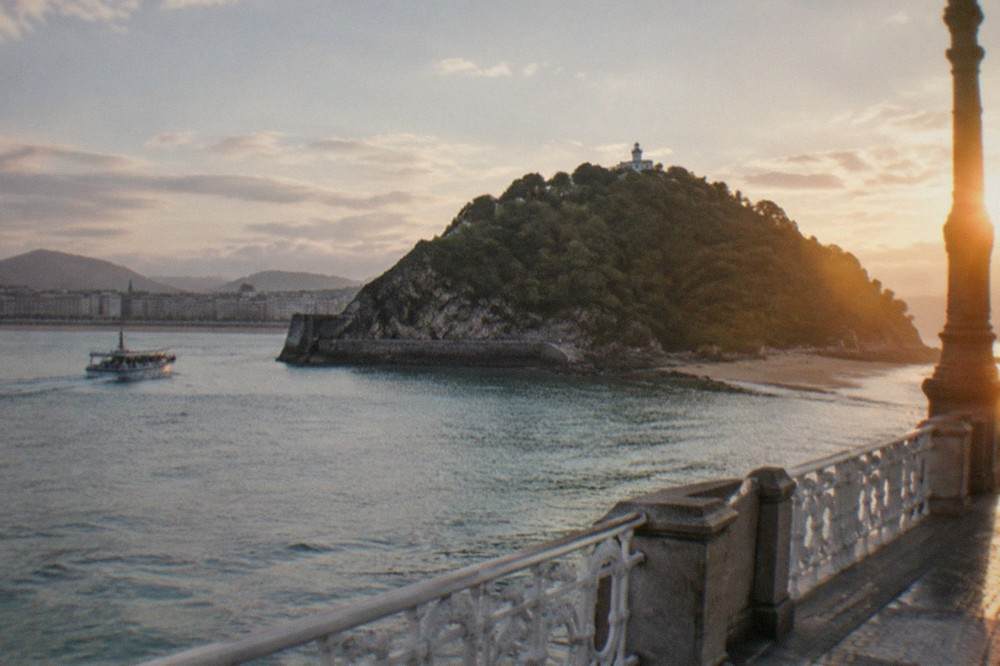
Once the arrival is sorted, the city itself rewards being on foot. San Sebastián is compact, with the Old Town, the beaches and the centre within a short walk of each other, and the hills of Urgull and Igueldo at either end of the bay. A day that starts with a train timetable usually ends with pintxos, and the food side of the city deserves as much planning as the transport side.
Is The Train Still Worth It Without High Speed?
Yes, for most routes the conventional train remains a sensible way to reach San Sebastián, because it arrives in the city centre, avoids the transfer from a distant airport, and the Basque scenery on the approach is a genuine part of the trip. The lack of AVE speeds adds hours, not obstacles, and for travellers already in northern Spain or coming down the French coast, the distances are short enough that speed matters little.
The strongest case for the train is the coastal and border geography. A traveller in Hendaia, Hendaye in French, is 37 minutes from the city centre by the Topo. A traveller in Bilbao faces a slower conventional run, and the reasons for that are structural, explained on the page about why the Bilbao train takes so long. From Madrid, the conventional service takes what the mountains allow, and the trade between hours and scenery is a real decision, not a formality.
For anyone weighing flying against the train from Barcelona, the comparison is close enough to deserve its own page, and it has one: is it better to fly or take the train from Barcelona to San Sebastian. The short version is that the answer depends on where in the journey the traveller values their time, at the airport or looking out of the window.
One planning note that has nothing to do with trains: the city's weather rewards flexibility. AEMET's normals for its Igeldo station, on the hill 250 m above the seafront, record 1,507 mm of rain a year over 141 days with at least 1 mm, and even July, the driest month, averages 86 mm. A rail based trip means arriving with a plan for wet hours as well as beach hours, and the Old Town's pintxo bars are the standard answer to both.
Common Questions About Trains To San Sebastian
Is there a high speed train to San Sebastian?
No. San Sebastián, in the Basque Country, Spain, is served by conventional Renfe services and the Euskotren Topo regional line only. The Basque Y high speed project is under construction and no official source has published a date for high speed services reaching the city.
What is the Topo train in San Sebastian?
The Topo is Euskotren's narrow gauge regional line. It runs from the Amara terminus along the Gipuzkoa coast to Hendaia on the French border in 37 to 38 minutes, with an occasional fare of 2.90 EUR, and a frequency of every 30 minutes on the busiest service day in the published timetable data.
Is the new underground train in San Sebastian open yet?
No opening date has been published. The Basque Government announced on 8 June 2026 that the civil works of the new underground through line, including the station beside La Concha, are complete and that fitting out is under way. Amara remains the working terminus until an official date is announced.
Can you take a train from San Sebastian to France?
Yes. The Topo crosses the border to Hendaia, Hendaye in French, in 37 to 38 minutes from Amara, with a 2.90 EUR occasional fare under the MUGI zone system. The line is regional rather than high speed, and it connects with the French network at the border.
Is it better to fly or take the train to San Sebastian?
It depends on the starting point. From within northern Spain or the French coast the distances are short and the train or coach is usually simplest. From Madrid, Barcelona or further away, the conventional rail journey adds hours compared with flying into Bilbao, Biarritz or San Sebastián Airport, and the trade off is between travel time and arriving in the city centre.
The honest summary is that San Sebastián's rail story is one of a well connected regional network waiting for a high speed line that has no date yet. The Topo, the conventional Renfe services and the coach network get visitors into the city today, and the pintxo bars of the Old Town are the same however the journey ends.