Cristobal Balenciaga Museum In Getaria
The Cristobal Balenciaga Museoa sits in Getaria, a fishing town on the Gipuzkoa coast west of San Sebastián, and it holds the largest dedicated collection of the Basque designer who changed fashion.
Short answer
The Cristobal Balenciaga Museoa in Getaria charges 14 EUR general admission and 9 EUR reduced, opens Tuesday to Sunday from April to October and daily in July and August, and stands about an hour's coastal drive west of San Sebastián in the Basque Country, Spain.
The Cristobal Balenciaga Museoa stands in Getaria, a fishing town on the Gipuzkoa coast west of San Sebastián, in the Basque Country, Spain. San Sebastián, whose Basque name is Donostia, is the regional capital that visitors tend to stay in, and Getaria is one of its classic half-day destinations, a peninsula village of narrow streets, grilled fish restaurants and a txakoli wine industry wrapped around a single remarkable building. The museum is devoted to Cristóbal Balenciaga, the designer born in Getaria who went on to reshape Parisian couture, and its collection is drawn from pieces gathered by the Balenciaga Foundation. This page lays out what the museum charges, when it opens, what you actually see inside, and how the trip fits into a day on the coast from San Sebastián, using figures published by the museum itself.
What Is The Cristobal Balenciaga Museum In Getaria?
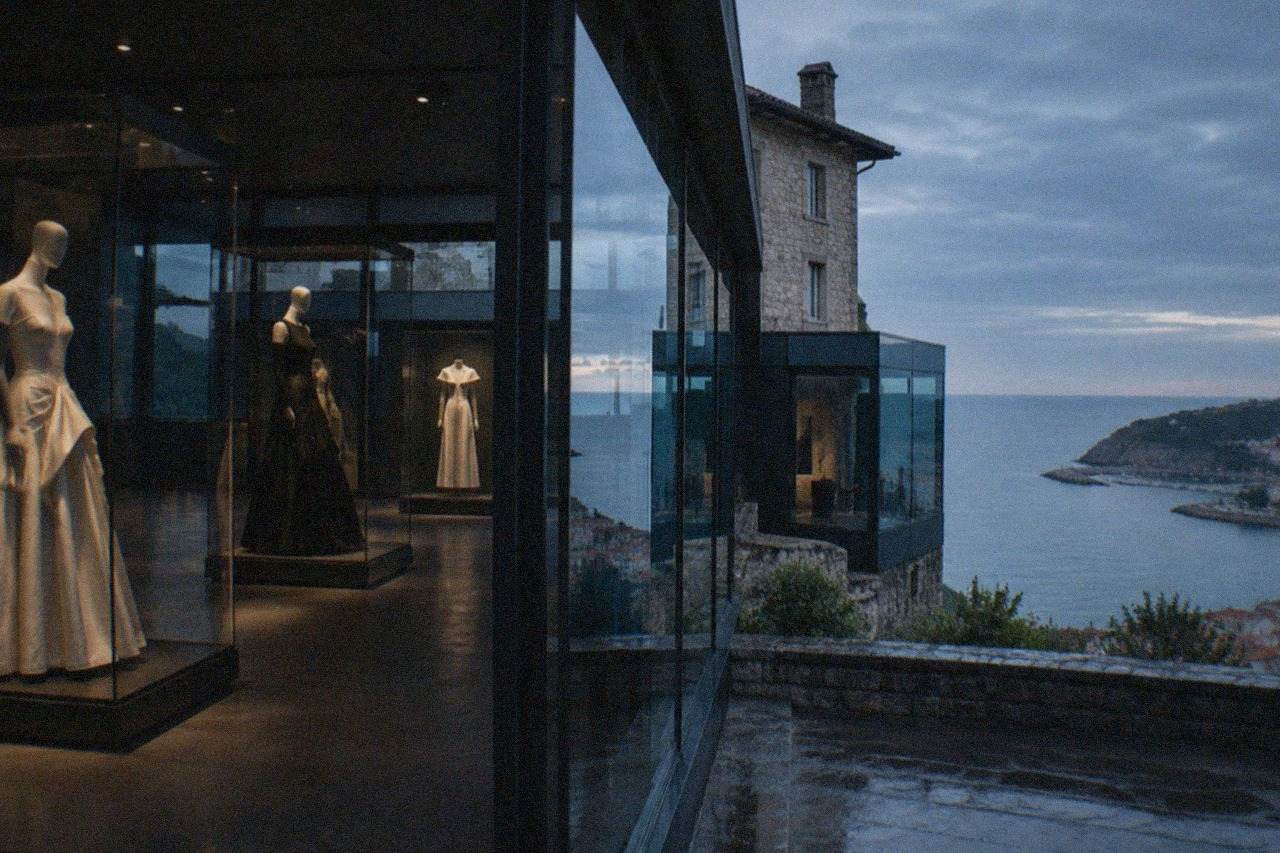
The Cristobal Balenciaga Museoa is a purpose-built fashion museum in Getaria, a separate coastal municipality in the province of Gipuzkoa about an hour's drive west of San Sebastián, dedicated to the designer born in the town. It holds the Balenciaga Foundation's collection of his couture work, displayed in a modern building attached to the historic Villa Itxas-eta, and it is the largest permanent collection of Balenciaga garments anywhere.
Cristóbal Balenciaga learned his craft in Getaria and in nearby San Sebastián, where his family moved after his father's death and where his mother supported the household as a seamstress. He opened his first house under the name Eisa in San Sebastián, later expanding to Madrid and Barcelona, and he moved to Paris, where his house operated until his retirement in 1968. Christian Dior called him "the master of us all", a description the fashion press has repeated ever since, and his technical innovations, including the sack dress, the baby doll cut and the tunic silhouette, changed how postwar clothes were constructed. The museum tells that story in the town where it started.
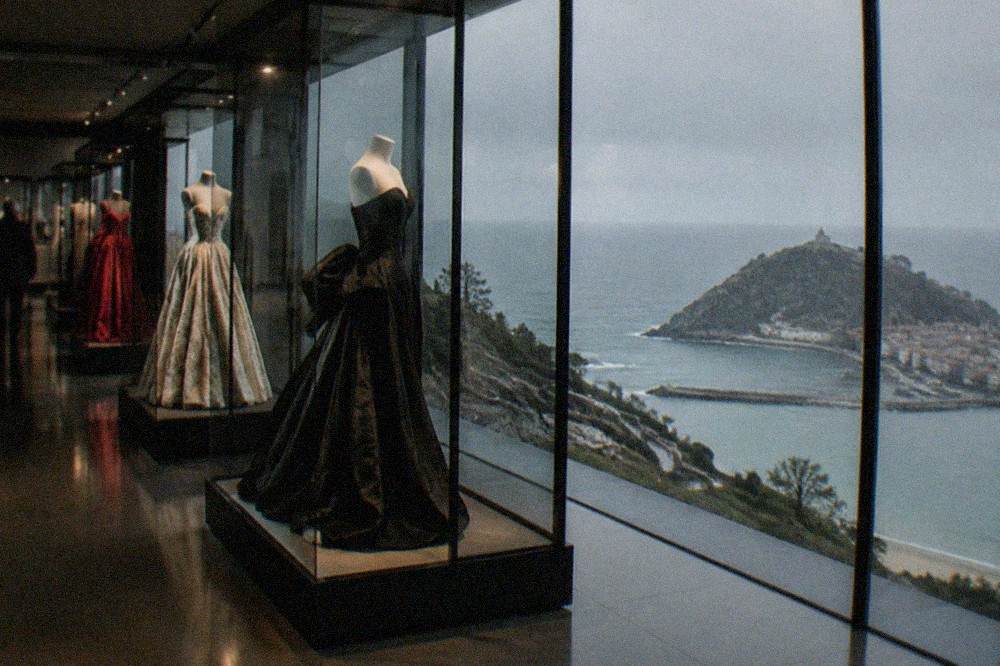
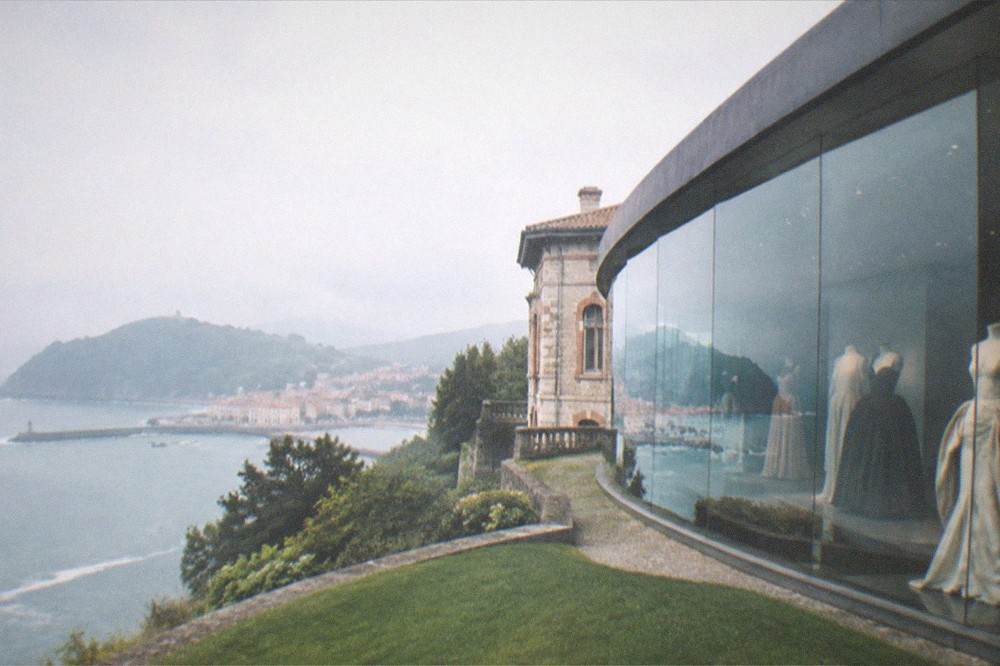
The building itself deserves a sentence. The museum's practical information page describes a contemporary structure of curved glass and stone that wraps around the Villa Itxas-eta, a historic villa on the shorefront where the collection's first displays opened. The contrast is deliberate: a fishing village of a few thousand residents holding one of the most technically serious fashion archives in Europe. Visitors who arrive expecting a small-town curiosity tend to leave with a different impression, because the exhibition spaces, the conservation workshop visible to the public and the temporary shows are run to museum standards, not boutique standards.

How Much Does The Balenciaga Museum Cost, And When Is It Open?
General admission to the Cristobal Balenciaga Museoa is 14 EUR and the reduced ticket is 9 EUR, covering the permanent collection and the temporary shows together, with the last entry 30 minutes before closing. Opening follows three seasonal patterns: Tuesday to Sunday 10:30 to 18:00 from April to October, Wednesday to Sunday 10:30 to 17:00 from November to March, and daily 10:30 to 20:00 in July and August.
Those figures come from the museum's own horarios y tarifas page, and the 14 EUR ticket is described there as covering both the collection and whatever temporary exhibition is running. The reduced rate applies to the standard groups the museum lists, and children's terms are on the same page. The 30-minute early cutoff for last entry matters more here than in a city museum, because visitors often reach Getaria on a half-day schedule and a late arrival can cost you the visit.
The seasonal calendar rewards planning. From November to March the museum closes entirely on Mondays and Tuesdays, which catches out visitors who assume a coastal day trip works any weekday in the low season. In July and August it opens daily with long evening hours, which pairs well with the coastal towns' own rhythm of late lunches and evening light. The shoulder months sit between the two, closed only on Mondays.
The table below puts the museum's own calendar in one place.
| Period | Days open | Hours | Notes |
|---|---|---|---|
| November to March | Wednesday to Sunday | 10:30 to 17:00 | Closed Monday and Tuesday |
| April to October | Tuesday to Sunday | 10:30 to 18:00 | Closed Monday |
| July and August | Daily | 10:30 to 20:00 | Longest hours of the year |
| Last entry | All periods | 30 minutes before closing | Applies to both ticket types |
Admission is one figure worth setting against the city's own museums, because several visitors plan a museum-heavy day in San Sebastián and wonder whether the coastal detour competes. It does, on price, though the city's own institutions are cheaper or free on set days.
| Museum | Location | General admission | Reduced | Free access |
|---|---|---|---|---|
| Cristobal Balenciaga Museoa | Getaria | 14 EUR | 9 EUR | None published |
| San Telmo Museoa | San Sebastián | 10.00 EUR | 4.00 EUR | Every Tuesday |
| Chillida Leku | Hernani | 14 EUR | 10 EUR | Children up to 8 |
| Eureka! Zientzia Museoa | San Sebastián | 10 EUR | 7 EUR | None published |
| Tabakalera | San Sebastián | Free | Free | Free access to the building |
If your San Sebastián plans already include the San Telmo Museum on its free Tuesday, the Balenciaga visit is best treated as a separate paid outing on the coast rather than squeezed into the same day.
How Do You Get From San Sebastian To Getaria?
Getaria is a separate municipality on the Gipuzkoa coast, west of San Sebastián, and the research for this page gives no verified driving time, bus time or fare for the journey, so the honest answer is that you either drive the coastal road, take a local bus, or join a guided excursion whose operator states its own schedule. What the pack does confirm is that Getaria is never "in San Sebastián": it is its own town, roughly an hour's coastal route away by road.
The constraint matters. Plenty of guides print a confident drive time or a bus fare for this route, and this site's verified record does not carry one, so nothing of the sort appears here. The practical alternatives are straightforward. A hire car gives you the Gipuzkoa coastal road, which threads through Zarautz before dropping into Getaria, and the museum's own pages describe parking in the town. Local buses run along the same coast, and the txakoli tours below include hotel pickup precisely because the public-transport timings are awkward for a half-day.
The guided option is where the verified product data lives. A half-day excursion runs from San Sebastián along the coast to Zarautz, Getaria and Zumaia by vehicle with a guide, and the operator's live listing carries the current price and availability. There is also a small-group txakoli trip to Getaria with hotel pickup included, built around the town's wine rather than its fashion, and a surf-and-pintxos combination that stays in the city at Zurriola. All three are shown below with their verified details rendered from the operator data.
The coastal excursion is a popular choice for visitors to the museum, because it covers the three towns in a single loop and you are not reading a bus timetable. You can check the Getaria excursion's availability through the operator's live listing, or read the site's wider guide to day trips from the region for the full picture of coastal options.
What Will You See Inside The Balenciaga Museum?
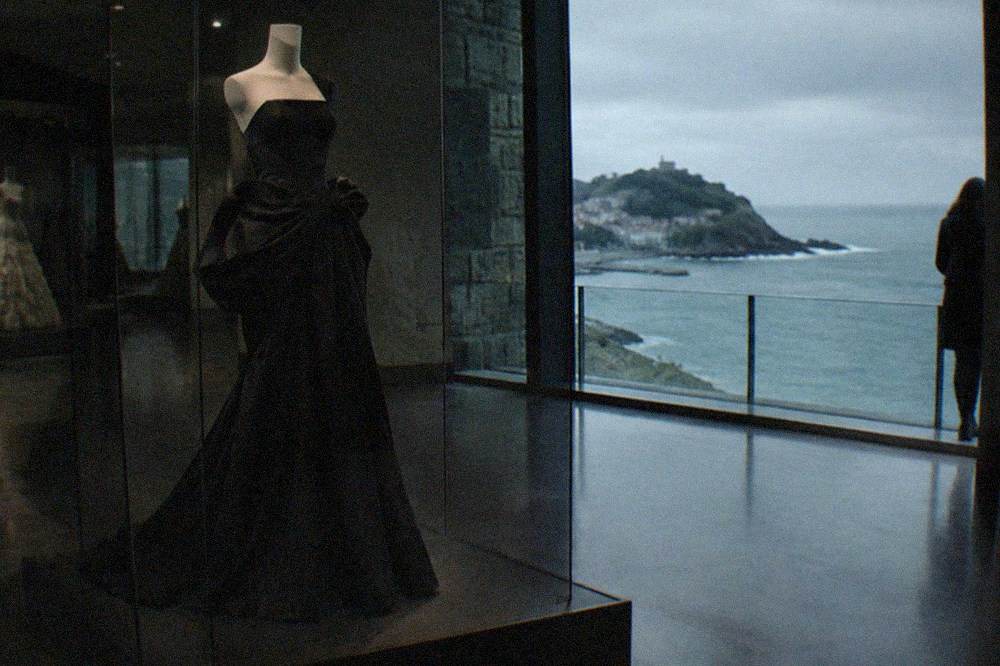
Inside, the museum displays the Balenciaga Foundation's collection of couture garments, hats and accessories spanning Cristóbal Balenciaga's career, presented in rotating thematic rooms alongside a visible conservation workshop, temporary exhibitions and a section on his early years in Getaria and San Sebastián. The permanent collection and the temporary shows are both covered by the single 14 EUR ticket, and photography rules are posted in the galleries.
The collection's strength is technical. Balenciaga was a constructor rather than a sketcher, and the museum's displays are built to show construction: seam structures, the famous single-seam coats, the interior architecture of evening gowns that hold their shape without the wearer. Garments rotate through the rooms because textiles cannot sit under permanent light, so two visits a year apart can show different pieces, and the museum's temporary exhibition program changes on the same logic.
The Getaria rooms matter most for the story. Balenciaga's mother was a seamstress in the town, and his first clients were the summer aristocracy of Belle Époque San Sebastián, the Spanish nobility and the French families who followed Queen María Cristina to the coast. The museum places his Paris career against that provincial beginning, and the Villa Itxas-eta, the historic part of the building, anchors the visit to the shoreline a few metres away.
Plan on roughly an hour and a half for the collection at a normal pace, longer if a temporary show interests you. The museum is compact by capital-city standards, but the density of the displays rewards slow looking, and the shop and cafe sit at the end of the route rather than the start.
Is The Balenciaga Museum Worth The Trip From San Sebastian?
For visitors with an interest in fashion, design history or modern culture, yes, the museum justifies the half-day it takes out of a San Sebastián stay, because the collection is genuinely unmatched and the coastal drive through Zarautz is part of the reward. Visitors with no interest in clothing will still find Getaria worth the journey for its harbour, its grilled fish and its txakoli, but the museum itself is the kind of place that rewards existing curiosity.
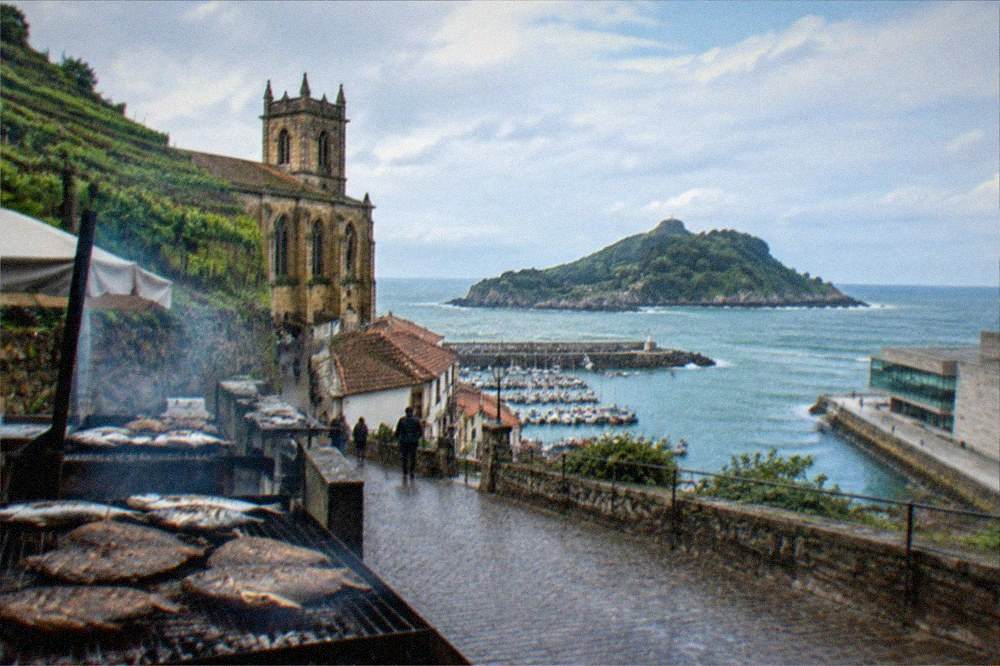
The honest framing is that the museum and the town arrive together. Getaria is small, a peninsula of a few streets where the mouse-shaped headland, Naturan, juts into the Bay of Biscay, and the visit fills a half-day comfortably when you add lunch. The town's restaurant tradition is serious: Elkano, which holds one star in the MICHELIN Guide Spain 2026, is in Getaria, famous for its whole grilled turbot, and the town's simpler asadores serve the same catch without the reservation list. The province-level Michelin picture gives useful context here. The wider set of guides lives on San Sebastian Spain Guide.
| Restaurant | Town | Stars, MICHELIN Guide Spain 2026 |
|---|---|---|
| Akelaŕe | Donostia / San Sebastián | 3 |
| Arzak | Donostia / San Sebastián | 3 |
| Martín Berasategui | Lasarte-Oria | 3 |
| Elkano | Getaria | 1 |
| Alameda | Hondarribia | 1 |
Getaria's other draw is txakoli, the lightly sparkling white wine of the coastal slopes. The Getariako Txakolina designation surrounds the town, and several producers pour at their farmhouses on the hillside above the harbour. A dedicated small-group tour covers exactly that, with hotel pickup from San Sebastián included and the operator's listing carrying the current price and dates.
For a fuller plan of the coast, the site's Getaria day trip guide covers the town's harbour, restaurants and wine route in detail, and the Chillida Leku museum in Hernani makes a strong alternative art excursion in the opposite direction if the weather turns wet.
What Else Can You Do In Getaria On The Same Day?
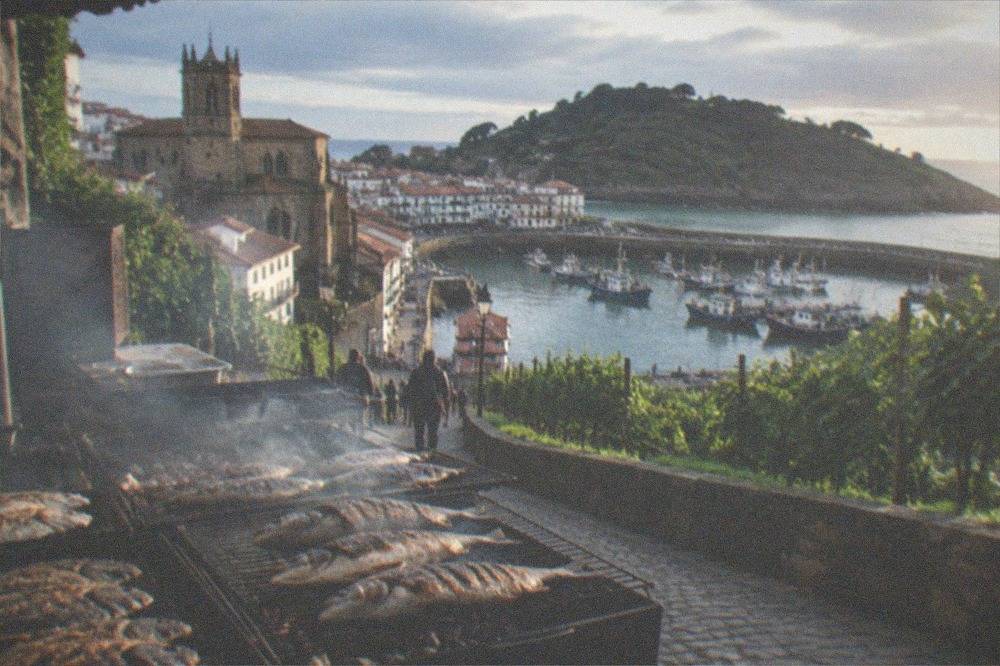
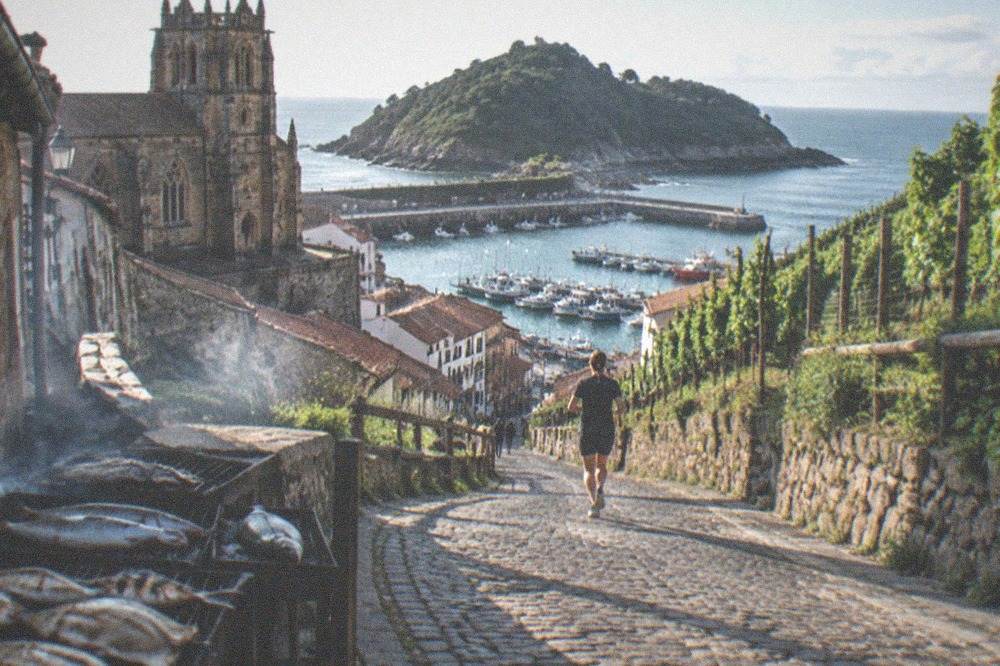
A Getaria day from San Sebastián usually combines the museum with a grilled-fish lunch, a txakoli tasting on the hillside, a walk out to the lighthouse on the Naturan headland, and on a longer day the neighbouring towns of Zarautz and Zumaia, which is exactly the loop the guided coastal excursion covers. The town is small enough that the museum, the harbour and lunch fit inside four or five hours without rushing.
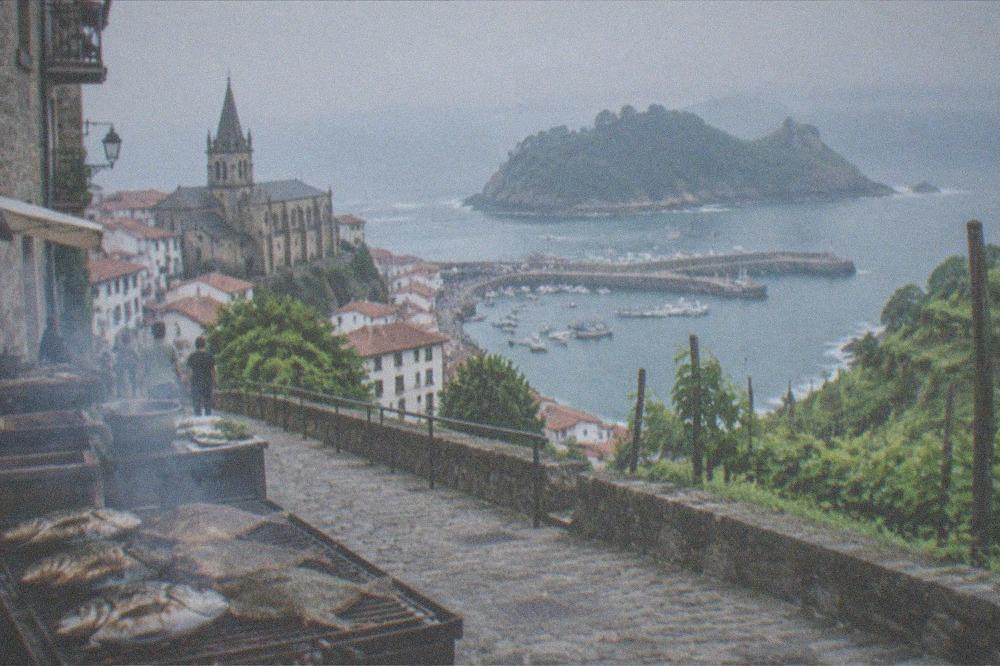
The headland walk is the free hour of the day. A path crosses the peninsula to the lighthouse above the cliffs, with the whole Bay of Biscay to the north and the txakoli slopes to the south, and it is the view most photographs of Getaria are taken for. The harbour below it holds the fishing fleet that supplies the restaurants, and the town's rat-shaped silhouette, the mouse of Getaria, is visible from the path itself.
Zarautz, to the east, holds the longest beach on this stretch of the Gipuzkoa coast, backed by a seafront promenade. Zumaia, to the west, sits at the edge of the Basque Coast UNESCO Global Geopark, where the flysch cliffs run for kilometres in geometric bands of rock. Neither town needs a museum ticket, and both are on the coastal excursion route. The three-town loop is the standard guided shape of the day, and the operator's listing gives the current departure details.
A comparison of the three towns helps you decide how to split the day, since the excursion visits all of them and independent travellers usually pick two.
| Town | Main draw | Character | Time needed |
|---|---|---|---|
| Getaria | Balenciaga museum, Elkano, txakoli | Historic fishing port | Half a day |
| Zarautz | Long beach and promenade | Seaside resort town | One to two hours |
| Zumaia | Flysch cliffs of the Geopark | Dramatic geology and TV-famous cliffs | Half a day on its own |
Back in the city, the evening is well spent in the Parte Vieja's pintxo bars, or if you have energy left, on the sand at La Concha beach, whose 1,350-metre curve closes the day in the way the coast opened it.
When Is The Best Time Of Year To Visit The Balenciaga Museum?
July and August give the museum's longest opening hours, 10:30 to 20:00 daily, but they also bring the coast's busiest weeks, while May, June and September keep the April-to-October hours of 10:30 to 18:00 with thinner crowds and more reliable table availability in Getaria's restaurants. From November to March the museum drops to Wednesday to Sunday, so the low-season visit needs two weekdays ruled out in advance.
The climate record for the coast supports the shoulder-season choice. AEMET's normals for its Igeldo station above San Sebastián show rain on roughly ten days even in July, the driest month, and 141 rain days across the year, so this is a coast where an indoor anchor like the museum is a genuine asset in any month. November is the wettest month in the record at 169 mm, and October follows at 159 mm, which is worth knowing when the whole day depends on a coastal drive.
| Month | Mean max C | Rain days (1 mm or more) | Sun hours |
|---|---|---|---|
| May | 17.7 | 12.2 | 181 |
| June | 20.0 | 10.6 | 189 |
| July | 21.8 | 9.8 | 196 |
| September | 21.1 | 10.1 | 179 |
| October | 18.5 | 11.8 | 140 |
| November | 14.0 | 13.0 | 102 |
The museum's own calendar rewards the September visit twice over: full summer hours still apply, the town is calmer after August, and the fishing fleet's season is in full swing. Combine the museum with the Monte Igueldo funicular or the Santa Clara island boat back in the city only if you are travelling with a car, because the bus timings make a two-destination day tight.
Common Questions About The Balenciaga Museum
How much does the Balenciaga museum in Getaria cost?
General admission is 14 EUR and the reduced ticket is 9 EUR, as published on the museum's own practical information page. The ticket covers both the permanent collection and the temporary exhibitions, and last entry is 30 minutes before closing.
Is the Balenciaga museum in San Sebastian?
No. The Cristobal Balenciaga Museoa is in Getaria, a separate municipality on the Gipuzkoa coast roughly an hour's road route west of San Sebastián. Cristóbal Balenciaga was born in Getaria and began his career there and in San Sebastián, but the museum itself stands in his home town, not in the city.
When is the Balenciaga museum open?
April to October, Tuesday to Sunday, 10:30 to 18:00. November to March, Wednesday to Sunday, 10:30 to 17:00. July and August, daily, 10:30 to 20:00. The museum closes on Mondays outside July and August, and on Mondays and Tuesdays through the winter months.
Can you visit Getaria from San Sebastian without a car?
Yes, though no bus timetable or fare for the route is given here, so the practical car-free options are a local bus you should confirm with the operator, or a guided coastal excursion to Zarautz, Getaria and Zumaia whose listing states its own schedule and includes transport.
How long does a visit to the Balenciaga museum take?
The collection itself fills about an hour and a half at a normal pace, longer when a temporary exhibition is running. A half day is a sensible budget for Getaria as a whole, adding the harbour walk, the headland path and lunch, since the town is compact and everything sits within a short walk of the museum door.
What else is Getaria famous for besides Balenciaga?
Getaria is known for grilled fish, above all the whole turbot served at Elkano, which holds one star in the MICHELIN Guide Spain 2026, and for txakoli, the white wine grown on the slopes above the harbour under the Getariako Txakolina designation. The Naturan headland and its lighthouse walk complete the town's standard half-day.
How Does The Balenciaga Museum Fit Into A Wider San Sebastian Trip?
The museum works best as the cultural anchor of one coastal half-day in a San Sebastián trip of three days or more, paired with Getaria's harbour and lunch, and it sits naturally alongside the city's own cultural stops such as San Telmo, Tabakalera and the Chillida Leku museum in Hernani. On a one-day visit to the city it is a stretch, because the coastal journey and the city's own pintxo bars compete for the same hours.
The city's own museum circuit is strong enough that the Balenciaga trip is a choice, not a gap-filler. San Telmo Museoa, in the old town, covers Basque history and art with free entry every Tuesday, and its 10.00 EUR general ticket on other days is the city's benchmark museum price. Tabakalera, the former tobacco factory turned contemporary culture centre, is free to enter and closed on Mondays, a pattern Getaria repeats in winter. Chillida Leku in Hernani, with its 14 EUR adult ticket and its sculpture garden, is the closest thing in spirit to the Balenciaga museum: a single great artist's work held in one purpose-built place outside the city centre.
For surfers and active travellers the same half-day can run differently: a surf lesson at Zurriola followed by a pintxo tour stays in the city, and the coastal excursion covers the fashion-and-wine version of the day. The listing below carries the verified details for that combination.
Whatever shape the day takes, book the Getaria end of it ahead in July and August, when the museum's daily hours coincide with the coast's busiest weeks, and check the operator's live listing for the excursion before locking in your dates, since departures follow the season. The museum, the harbour and a glass of txakoli above the vines make one of the most complete half-days within reach of San Sebastián, and the designer the building honours started his whole story on the shoreline outside its door.