Albaola Sea Factory In Pasaia
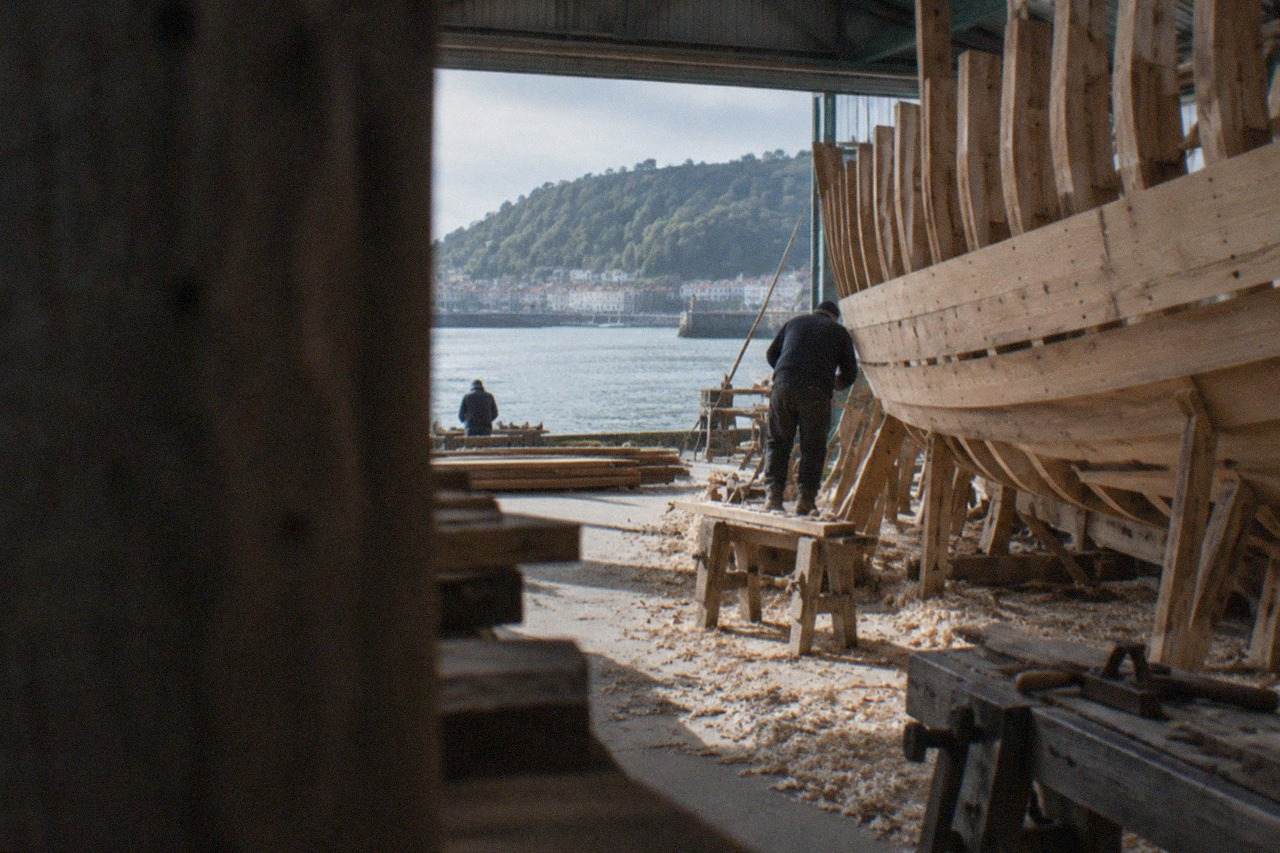
Albaola, the Sea Factory in Pasaia, is where a Basque whaling ship is being rebuilt plank by plank, a short Topo train ride east of San Sebastián.
Short answer
Albaola is a shipbuilding workshop and museum in Pasaia Bay, about a short train ride east of San Sebastián, where craftsmen are reconstructing the San Juan, a Basque whaling galleon, using traditional tools and techniques in public view.
The Albaola Sea Factory sits on the shore of Pasaia Bay, in the municipality of Pasaia, a short train ride east of San Sebastián in the Basque Country, Spain. San Sebastián, whose Basque name is Donostia and whose official municipal name is Donostia / San Sebastián, is the city on La Concha bay, and Pasaia is a separate municipality in the province of Gipuzkoa, never a district of the city itself. Albaola's own site confirms its subject: the reconstruction of the San Juan, a Basque whaleship, a project that turns a working shipyard into one of the most distinctive visits on this coast.
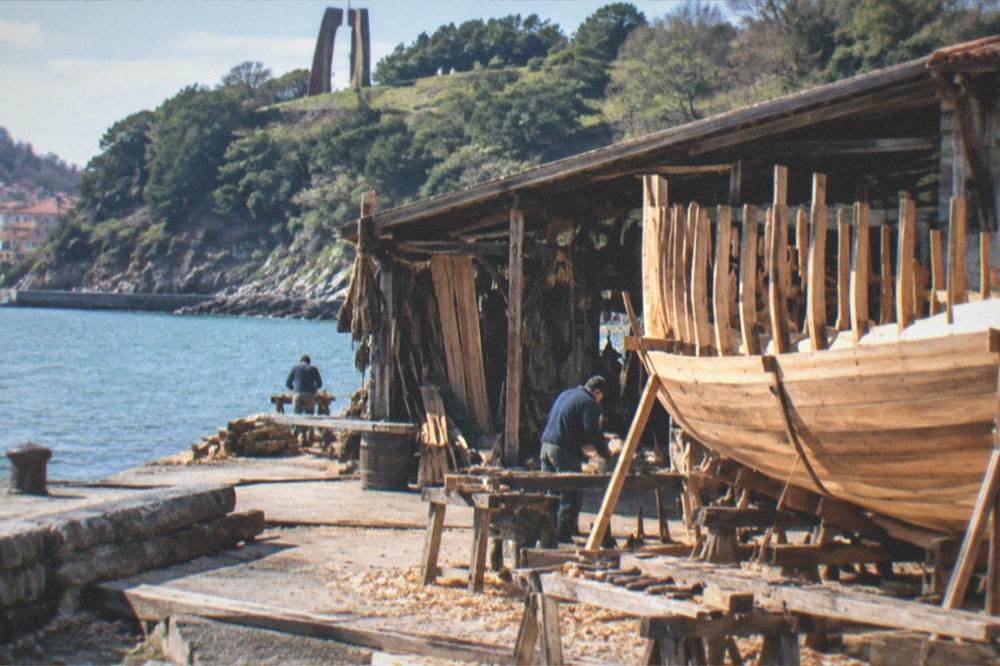
What makes the place unusual is that the building work happens in front of you. The craftsmen use period tools and techniques, and the hull grows slowly, season after season, the way a visitor to a working shipyard would have seen it grow. The project draws on the original San Juan, a galleon that sank off Canada and whose wreck was studied by underwater archaeologists, so the reconstruction follows real evidence rather than guesswork.
What Is The Albaola Sea Factory In Pasaia?
The Albaola Sea Factory is a living shipbuilding workshop and heritage site in Pasaia, a separate municipality east of San Sebastián in Gipuzkoa, where a full-size reconstruction of the San Juan whaleship is being built by hand with traditional Basque techniques. Its own site presents it as the home of the San Juan project, and the workshop is set on the shore of Pasaia Bay, one of the most sheltered natural harbours on this coast.
Pasaia's harbour history is the reason the project lives there. The bay has served as a port for centuries, and its towns, Pasaia, Pasajes de San Juan and Pasajes de San Pedro, sit around a narrow inlet that opens east toward the French border. Albaola occupies a former industrial building on the waterfront, and the visit works on two levels: the workshop floor, where the hull and its timbers take shape, and the exhibition space around it, which sets out the story of Basque whaling, the original voyage of the San Juan, and the archaeology that made the reconstruction possible.
The San Juan story is genuinely international. The original ship sailed from this coast to whale in the waters off Labrador, and it sank in Red Bay. The wreck was located and recorded by underwater archaeologists, and the data from that work informs the reconstruction, down to the dimensions of the hull and the joinery of the planks. Albaola's site frames the project as a bridge between that Canadian wreck site and the Basque shipyards that built the vessel in the first place.
What Can You See During A Visit To Albaola?
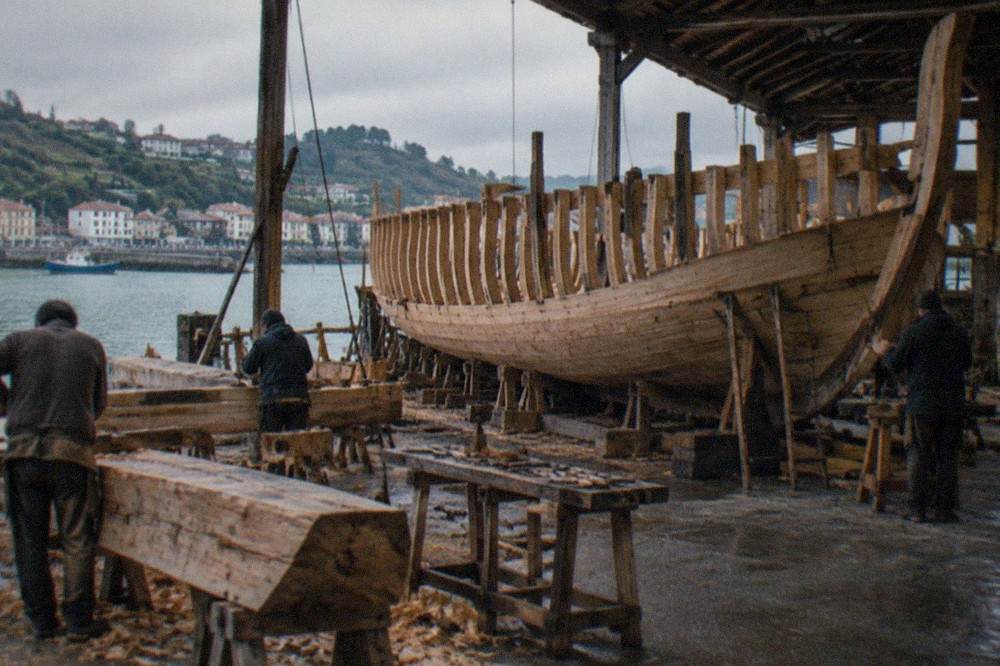
Visitors see the San Juan whaleship under construction on the workshop floor, with craftsmen working timbers by hand, alongside exhibition spaces covering Basque maritime history, the original voyage to Canada, and the archaeology of the wreck that guides the rebuild. The site's own pages present the project as a live construction rather than a finished exhibit, so what you see depends on the stage the build has reached.
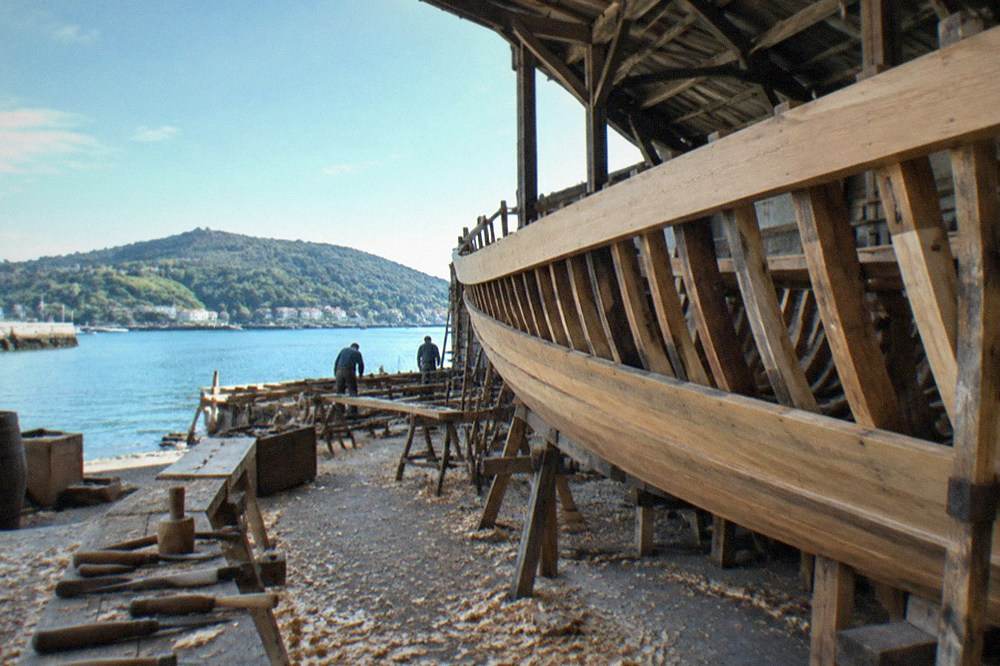
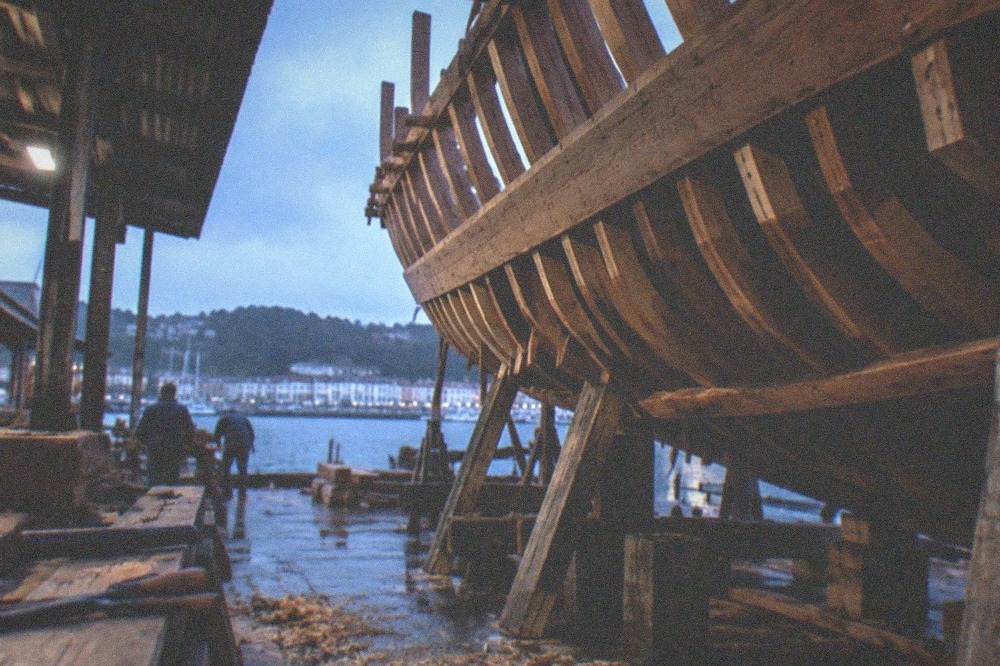
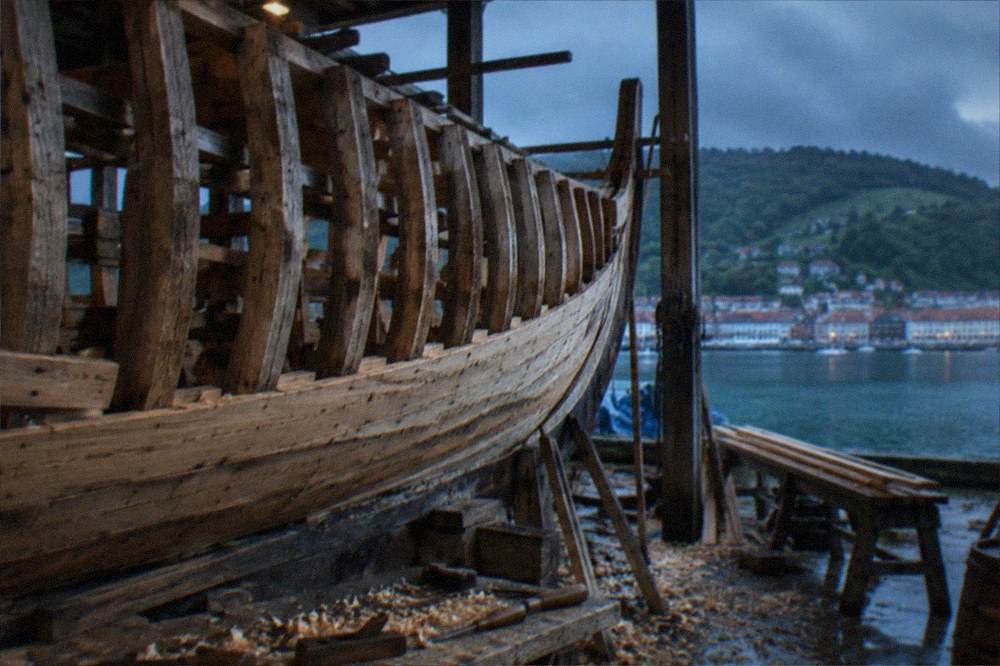
The workshop is the heart of it. On a normal day the hull sits at the centre of the floor, rigged with scaffolding, and the shipwrights work around it with axes, adzes and steam boxes for bending planks. Interpretation panels explain what each stage means, and the contrast with modern shipbuilding is part of the point: everything here is muscle, wood and patience. The exhibition area then widens the lens, covering the Basque whaling industry that sent ships like this across the Atlantic, the people who sailed them, and the whale products the trade was built on.
A visit pairs naturally with the bay itself. Once you leave the workshop, the waterfront of Pasaia is a working harbour with fishing boats, ferry crossings of the inlet and steep streets climbing the hillsides on both shores. The Pasaia motor boat, which crosses the bay, is inside the urban MUGI fare area, the MUGI tariff defining the urban zone as "Donostia y motora Pasaia", so the same fare system that runs the city buses covers this crossing too.
If the sea is the thread you want to pull through your whole trip, a guided boat experience back in the city is the easy complement to a morning in Pasaia.
How Do You Get From San Sebastian To Albaola In Pasaia?
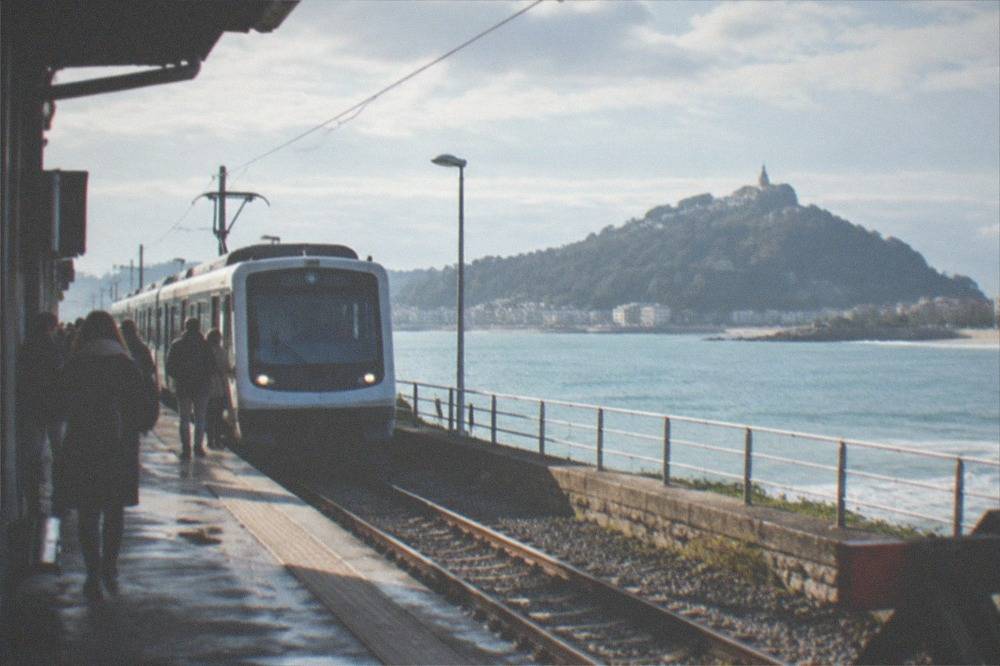
The practical way to reach Albaola from San Sebastián is the Euskotren Topo line from the Amara station toward the east coast, which serves Pasaia, with fares paid through the MUGI system that covers the whole province of Gipuzkoa. The Topo's Amara station is the working terminus in the city, and the pack gives the occasional fare for a one-jump trip as 2.90 EUR, matching the MUGI tariff.
The Topo is a narrow-gauge coastal train, and the ride east runs along the shore toward Pasaia and on toward the border at Hendaia. The MUGI tariff table sets the occasional one-jump ticket at 2.90 EUR, the anonymous MUGI card at 1.16 EUR for the same journey, and the personalised card at 0.88 EUR for its first twenty trips in a month. The city's own dBus network, which uses the same system, charges 1.95 EUR for a cash occasional ticket and 2.65 EUR at night, though cash payment does not allow free transfers.
The table below sets out the fare options from the MUGI tariff, which is the single fare system for Gipuzkoa covering dBus city buses, Lurraldebus and Euskotren.
| Ticket type | Urban, 0 jumps | 1 jump |
|---|---|---|
| Occasional ticket, cash | 1.95 EUR | 2.90 EUR |
| Night ticket | 2.65 EUR | 3.70 EUR |
| MUGI anonymous card | 0.78 EUR | 1.16 EUR |
| MUGI personalised card, trips 1 to 20 in the month | 0.59 EUR | 0.88 EUR |
One detail worth knowing: the new underground Topo section through the city centre has no published opening date. The Basque Government announced on 8 June 2026 that the civil works of the through-line, including the station beside La Concha, are finished, but electrical installations, ventilation, signalling and communications are still under way, and Amara remains the working terminus. Plan the trip from Amara.
If a morning in Pasaia and an evening on the water sounds like a good pairing, the sunset catamaran sail on La Concha Bay is the natural choice, with a drink included and the city's seafront lit from the sea.
The same operator's listing carries its own live availability, so the date and the departure slot are worth confirming before you lock in the rest of the day. Booking terms on the listing allow you to reserve now and settle the details closer to the date.
Why Is The San Juan Whaleship Important?
The San Juan is a Basque whaling galleon that sank in Red Bay, Canada, and its wreck became the evidence base for the reconstruction now under way at Albaola, which follows the recorded dimensions and joinery of the original hull rather than a generic design. The project connects the Basque maritime tradition of this coast with one of the most studied underwater archaeology sites of the period.
Basque whalers were among the first Europeans to work the waters off North America, and ships from harbours like Pasaia crossed the Atlantic each season. The original San Juan went down at Red Bay, and the wreck's documentation gave the Albaola team a direct template: hull shape, frame spacing, planking patterns. The archaeology gives the reconstruction a fidelity no film-set prop could match. Every visible decision on the workshop floor traces back to the archaeology.
For visitors, this means the exhibition is as interesting as the ship. You leave understanding why the Basque Country built the ships, who crewed them, what the whaling trade produced, and how a wreck on the far side of the Atlantic ended up shaping a workshop on Pasaia Bay. It is maritime history told through one hull, and told in a place where the sea is a few steps from the door.
Is Albaola A Good Visit For Families?
Albaola works well for families because the core of the visit is a physical, visible build: a huge wooden hull, craftsmen using hand tools, and a harbour outside where boats cross the inlet, all of which children can watch and ask about. The site frames itself around the San Juan whaleship, and the workshop setting means the visit is closer to watching real work than walking a conventional museum.
The scale of the timbers does most of the entertaining. Beams that a grown adult cannot lift, planks bent in steam, the smell of fresh-cut wood, these are things a child registers without any interpretation panel. The exhibition gives older children the story of the Atlantic voyage and the wreck, and the harbour outside adds the boats, the water and the steep streets of Pasajes de San Juan on the far shore. The rest of the planning pages sit on San Sebastian Spain Guide.
The Pasaia motor boat crossing is part of the fun, and the MUGI tariff places it inside the urban fare zone. Check the workshop's own site before you set the date, since Albaola publishes no price or calendar in this pack, and opening arrangements for a working shipyard can follow the build rather than a fixed museum rhythm. For a rainy alternative back in the city, the San Sebastian Aquarium keeps longer hours, open daily in July and August from 10:00 to 20:00, and the free-access Tabakalera cultural centre runs Tuesday to Sunday until 21:00.
What Else Can You Do In Pasaia On The Same Day?
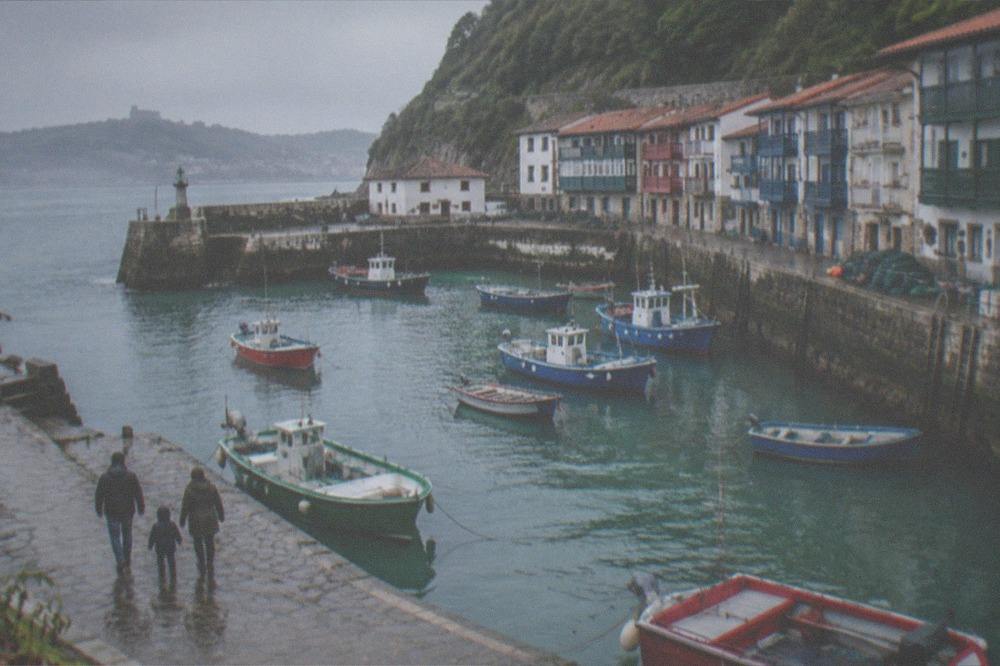
Pasaia offers a full day beyond Albaola: the two historic harbour villages of Pasajes de San Juan and Pasajes de San Pedro on opposite shores, the motor boat crossing inside the urban MUGI fare, and the Camino de Santiago coastal route, whose second and third stages as listed by the tourism board run Pasaia to Donostia and Donostia to Orio, so walkers can arrive or leave on foot.
The inlet is the attraction. Pasajes de San Juan, on the far shore, is a tight row of fishermen's houses at the water's edge, and Pasajes de San Pedro sits opposite, with the crossing between them run by small boats. The hills above both shores carry walking routes with views down the bay, and the Camino del Norte passes through, the tourism board listing Pasaia to Donostia as one of its coastal stages. The board gives no stage distances, so plan walking times from your own map rather than any figure printed here.
For visitors who want the coast and the wine country in one organised day, a guided coastal walk with txakoli tastings runs from the city and covers ground that pairs with everything in this article.
When Is The Best Time To Visit Albaola And Pasaia?
The best months for a Pasaia visit are May to September, when AEMET's normals for its Igeldo station show mean temperatures of 14.4 to 19.5 C and the driest stretch of the year, though even July, the driest month, averages 86 mm of rain over about ten rain days, so this coast never promises a dry day. November is the wettest month at 169 mm, and October follows at 159 mm.
The honest planning rule for San Sebastián and its eastern coast is that rain is part of the climate, not an exception to it. AEMET's Igeldo station records 1,507 mm across 141 rain days a year, and the station sits 250 m up on Monte Igeldo, so the seafront runs slightly warmer than the published values. June, July and September all average between 90 and 111 mm, and August, at 117 mm, is wetter than June, July or September. Pack a layer and a shell whatever the month.
| Month | Mean C | Mean max C | Rain mm | Rain days 1 mm or more | Sun hours |
|---|---|---|---|---|---|
| May | 14.4 | 17.7 | 120 | 12.2 | 181 |
| June | 16.9 | 20.0 | 90 | 10.6 | 189 |
| July | 18.9 | 21.8 | 86 | 9.8 | 196 |
| August | 19.5 | 22.5 | 117 | 10.5 | 190 |
| September | 18.0 | 21.1 | 111 | 10.1 | 179 |
| October | 15.5 | 18.5 | 159 | 11.8 | 140 |
| November | 11.3 | 14.0 | 169 | 13.0 | 102 |
A workshop visit is also a fair-weather-proof one, since the build happens indoors, and the harbour walk can flex around showers. In the city itself, the seasonal rules matter more: lifeguards serve all three beaches only from 1 June to 30 September, and Monte Urgull keeps its summer access hours, 08:00 to 21:00, until 30 September, then closes at 19:30 through the winter.
How Does Albaola Compare With Other Visits Around San Sebastian?
Albaola stands apart from every other visit near San Sebastián because it is the only one built around live construction, while the alternatives are finished museums and landscapes: Chillida Leku in Hernani shows large-scale sculpture in the open, the Balenciaga museum in Getaria covers fashion, and the city's own San Telmo Museoa covers Basque history, each with fixed hours and published prices that Albaola does not list here.
The comparison table below gathers what the pack verifies for the main cultural visits within reach of the city. Note the geography: Hernani, Getaria and Pasaia are all separate municipalities, and none of them is in San Sebastián.
| Visit | Municipality | What the pack verifies |
|---|---|---|
| Albaola Sea Factory | Pasaia | Builds the San Juan whaleship; no price published in this pack |
| Chillida Leku | Hernani | Open daily 10:00 to 19:00 except Tuesday and Wednesday; adults 14 EUR, 10 EUR groups of 10 or more, students and over 65s, 7 EUR under 18, free up to age 8, free car park |
| Cristobal Balenciaga Museoa | Getaria | 14 EUR, reduced 9 EUR; April to October Tuesday to Sunday 10:30 to 18:00, July and August daily 10:30 to 20:00, November to March Wednesday to Sunday 10:30 to 17:00 |
| San Telmo Museoa | San Sebastián | Tuesday to Sunday, 10:00 to 19:00 winter and 10:00 to 20:00 summer; 10.00 EUR general, 4.00 EUR reduced, free every Tuesday |
| Tabakalera | San Sebastián | Free access, Tuesday to Sunday and holidays 10:00 to 21:00, closed Mondays |
For a broader view of the coast, the Pasaia day trip guide covers the harbour villages in depth, and the Monte Ulia page describes the hill that rises between the city and the bay, whose flanks you cross on the Camino stage out of Pasaia. Back in the city, La Concha beach and the full things to do in San Sebastian roundup carry the rest of the planning.
Whichever way you build the itinerary, the sea is the common thread, and these three experiences cover it from three angles: the bay at sunset, the coast on foot with txakoli, and the Old Town streets that tie the day together.
Common Questions About Albaola In Pasaia
Is Albaola in San Sebastian?
No. Albaola is in the municipality of Pasaia, a separate municipality in the province of Gipuzkoa, east of the city of San Sebastián. It is reached by the Topo train from the Amara station or by road along the coast.
What is being built at the Albaola Sea Factory?
The San Juan, a full-size reconstruction of a Basque whaling galleon, built by hand with traditional techniques and following the archaeology of the original wreck, which sank at Red Bay in Canada.
How much does Albaola cost to visit?
This pack publishes no admission price for Albaola. Check the venue's own site for the current ticket arrangements before you travel, the same rule that applies to its opening calendar.
Can you reach Pasaia by public transport from San Sebastian?
Yes. The Euskotren Topo line runs east from the Amara station toward Pasaia and the border, with fares inside the MUGI system; the tariff lists a one-jump occasional ticket at 2.90 EUR and the anonymous MUGI card at 1.16 EUR.
Is Albaola worth visiting with children?
For most families, yes. The workshop floor shows a huge wooden hull under live construction with hand tools in use, and the harbour outside adds boat crossings and waterfront streets that children can explore on foot.
Does it rain on the Pasaia coast?
Yes, year round. AEMET's Igeldo station records 1,507 mm of rain over 141 rain days a year, and even July, the driest month, averages 86 mm. The workshop visit itself is indoors, which makes it a sound choice for a wet day.
Albaola gives the San Sebastián region something no other visit nearby can: a ship from another age rising again, plank by plank, in the harbour that first built ships like it, a short train ride from La Concha and a world away from the beach crowds.