How Safe Is Hondarribia For Tourists?
A practical safety guide to Hondarribia, the fishing town beside San Sebastián Airport, for visitors basing themselves in San Sebastián, Basque Country, Spain.
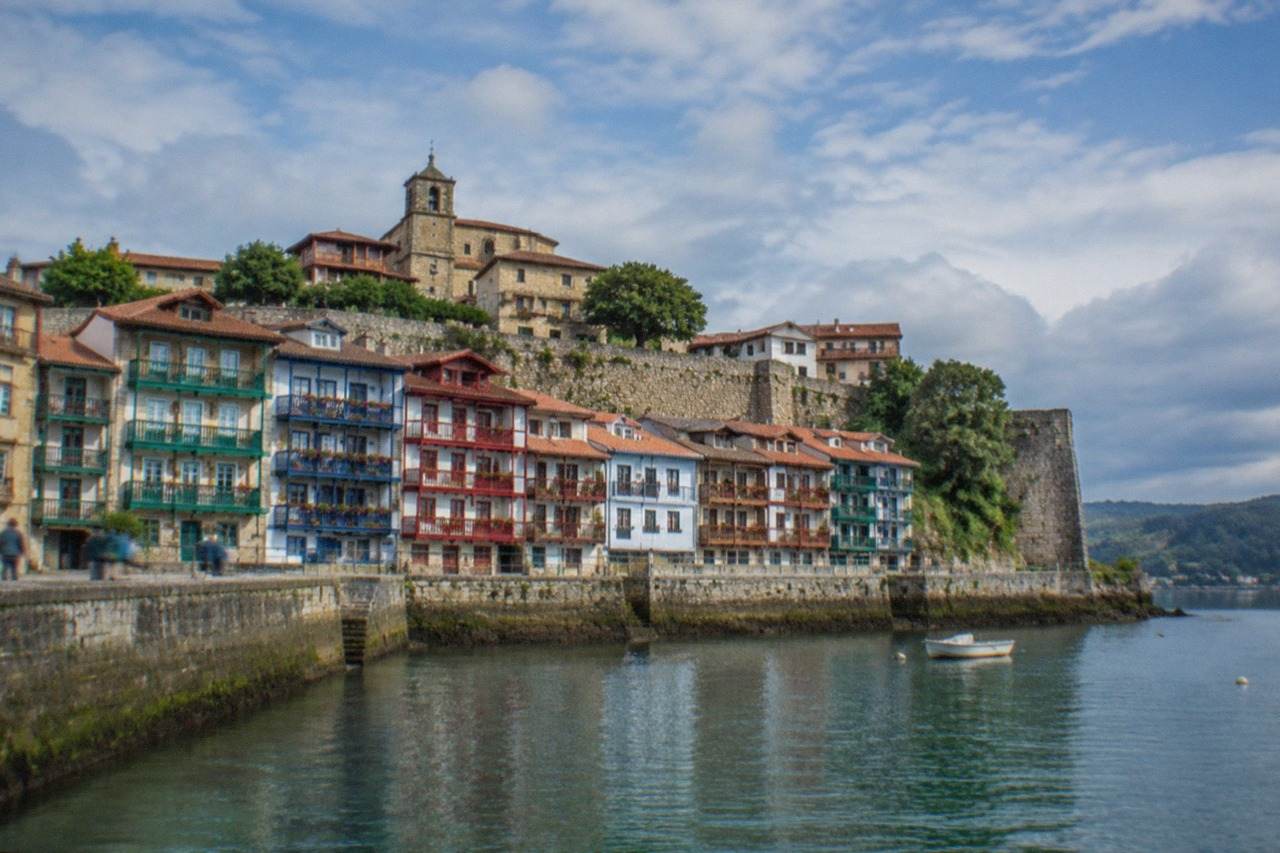
Hondarribia sits on the Bidasoa estuary directly across the water from France, and it is the town most San Sebastián visitors underestimate. San Sebastián, whose Basque name is Donostia and whose official municipal name is Donostia / San Sebastián, keeps its airport at Hondarribia, 20 km away, and the town doubles as one of the easiest half-day trips on the Gipuzkoa coast. Safety questions about it are usually really questions about the border, the airport buses and whether a small Basque town needs any special caution at all. The short version is that it does not, but there are real, checkable details worth knowing before you go, and this page sets them out.
How Safe Is Hondarribia For Tourists?
Hondarribia is a quiet, low-risk destination for tourists: it is a small walled fishing town in Gipuzkoa, the Basque Country, Spain, with no sourced safety warning against it, ordinary Spanish emergency services, and the same practical risks as any Spanish coastal town, mainly slippery harbour walls, summer sun and the odd busy restaurant queue. Nothing suggests visitors need special precautions there beyond normal care with belongings and the sea.
The town's character explains most of this. Hondarribia is a separate municipality, never "in San Sebastián", with a fortified old quarter of colourful timber-framed houses above the waterfront and a working fishing harbour below it. Its day-trip crowds arrive in manageable numbers, eat, walk the walls, and leave. The one-star Michelin restaurant Alameda, listed in the MICHELIN Guide Spain 2026, is the town's most famous table, which tells you the kind of place this is: a food destination people plan ahead for, not a nightlife district.
That said, "safe" is not a blank cheque, and honesty matters more than reassurance. This site publishes no crime statistic, no pickpocket ranking and no safety index for Hondarribia, because none appears in the verified sources behind these pages. What the sources do give is the practical layer: emergency numbers, the airport bus change that has caught people out since June 2026, and the seasonal rules that apply along this coast. Those are the things that actually change a visitor's day.
What Emergency Help Is Available In Hondarribia?
Emergency help works the same way across Gipuzkoa: dial 112 for any emergency in Spain, including Hondarribia, and the Basque police force, the Ertzaintza, covers the region alongside local police in each municipality. Spain's emergency number is short, free and answered in Spanish and other languages, and the euro is the currency, so no special arrangement is needed for a day trip from San Sebastián.
The numbers that matter are few and simple. The tourism board lists 112 as the general emergency number and 092 for the San Sebastián local police, the Guardia Municipal, with the Ertzaintza as the regional force. A visitor in Hondarribia dials 112 for ambulance, fire or police and is routed to whichever service is needed. There is no separate "tourist police" to look for, and none is needed.
For non-emergencies, the practical advice is ordinary: pharmacies follow Spanish opening patterns, and a farmacia is the first stop for minor ailments on any Spanish trip. Medical access in Hondarribia appears to follow the same patterns as the rest of Gipuzkoa.
This table gathers the entry and emergency basics for the whole trip, since they apply in San Sebastián and Hondarribia alike:
| Item | What Applies |
|---|---|
| Emergency number | 112, free, anywhere in Spain |
| San Sebastián local police | 092 |
| Regional police force | Ertzaintza, the Basque police |
| Border | Spain and France are both in the Schengen area of 29 countries |
| Travel authorisation | ETIAS is not in operation; no application is collected |
| Currency | Euro |
Is The Area Around San Sebastian Airport Safe For Visitors?
The airport area is a routine, functional zone rather than anywhere to be wary of: San Sebastián Airport sits at Hondarribia, 20 km from the city according to the tourism board, and the safety issues around it are logistical, not criminal, chiefly the June 2026 withdrawal of bus line E21 from the airport stops, which means travellers must use one of the lines the operator actually lists, such as the direct E30.
That bus change deserves its own paragraph because it is the single most likely way a visitor gets stranded or confused near Hondarribia. Since 1 June 2026 inclusive, line E21 does not stop at the airport, neither at the exterior stop "B" nor at Terminal 1 stop "A", to board or to alight. The operator, Ekialdebus, lists E20, E23, E25, E27, E28, E29 and E30 as its airport services, and E30 is the direct Donostia to airport line. The E30 page is stamped as updated in June 2026 and warns that times are approximate because of traffic. A traveller who read an older page, or a stale tourism board listing, may wait at a stop no bus serves, which feels like a safety problem at nine in the evening but is really an information problem.
This site stays silent on the airport bus journey time and fare zone, because those figures cannot be confirmed. What can be said is directional: the airport is at Hondarribia, the direct line is E30, and confirming the current timetable with the operator before travelling is the reliable move. If a half-day in the town appeals, a guided option removes the transport question entirely; the operator's live listing carries the current details.
Whichever way you choose to arrive, the town itself rewards the effort, and the guided half-day pairs Hondarribia with the fishing villages of Pasajes de San Juan and San Pedro for a fuller picture of this stretch of coast.
What Should Tourists Actually Watch Out For In Hondarribia?
The honest watch-outs are mundane: water and harbour edges, because the town's seafront and the Bidasoa estuary are real water with real tides; sun exposure in summer, since AEMET's Igeldo station shows July averaging a mean maximum of 21.8 C but the sun hours peak at 196; restaurant queues at peak times; and the Atlantic rain, since this coast records 1,507 mm a year and no month averages under 86 mm, so a waterproof matters more than any security precaution.
None of that is unique to Hondarribia, and that is the point. The town shares the Basque coast's weather personality, which is wetter than many people anticipate. AEMET's climate normals for its Igeldo station, the series for 1981 to 2010 taken 250 m up on Monte Igeldo, record 141 rain days a year, and even July, the driest month, averages 86 mm over about 10 rain days. A day trip that assumes Mediterranean sunshine can end in a soaking. Pack for the weather, not against crime.
The sea itself is the one genuine physical risk. The town faces an estuary and the open Bay of Biscay beyond, and the council's beach pages for San Sebastián, the nearest sourced guidance, describe strong swell on the Atlantic-facing strands and run lifeguard services only from 1 June to 30 September. This site publishes no lifeguard detail for Hondarribia's own beach, so the honest advice is to treat the water with the respect the Atlantic demands and check locally on the day.
Theft is the ordinary travel question, and the ordinary answer applies: keep a phone out of back pockets in crowds, watch bags at the harbourfront bars in high season, and do not leave anything visible in a parked car. Those habits matter in every Spanish tourist town. There is no sourced statistic suggesting Hondarribia is better or worse than anywhere else, and inventing one would serve nobody.
Is Hondarribia Safe At Night And For Families?
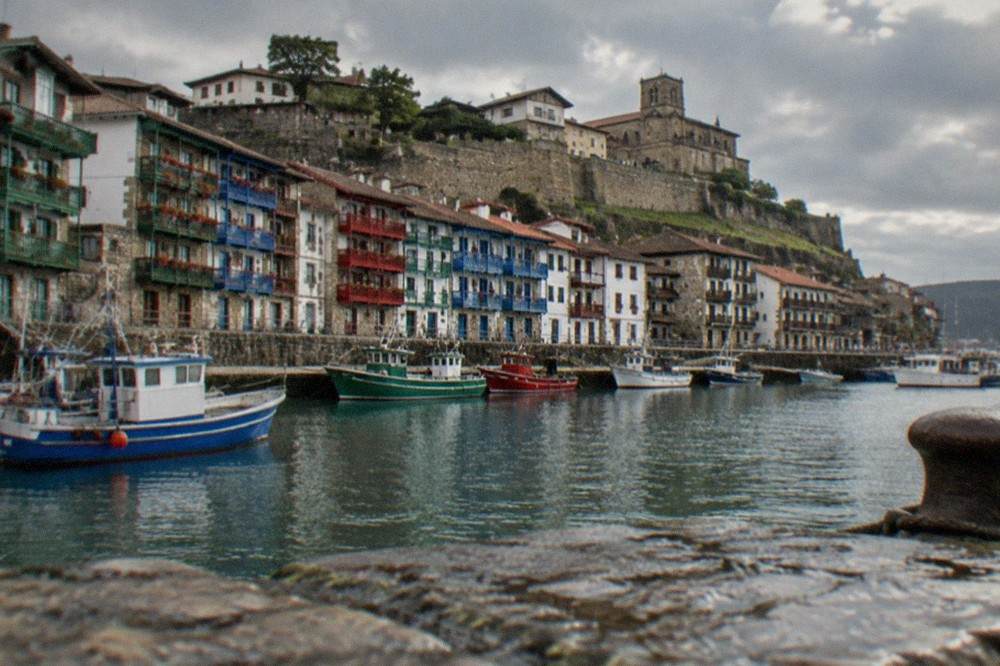
Yes, in the plain sense that Hondarribia's evening economy is restaurants and pintxo bars rather than nightclubs, and its old quarter is compact and walkable, so families and evening visitors are doing the same thing everyone else there is doing: eating late and walking back through lit medieval streets. The town has no sourced reputation for night-time trouble, and the practical limits are the same seasonal ones that apply across Gipuzkoa, not security concerns.
Evenings in Hondarribia follow the Basque rhythm. Dinner starts late, the waterfront fills slowly, and the streets between the harbour and the fortified upper town stay busy with diners until well after dark. For a family, the town's scale is an advantage: the walk between the fishing quarter, the Marina district below the walls and the old town itself is short, and the whole circuit is the kind of place where children run ahead without causing alarm.
The seasonal caveat worth repeating is the region's rain, not the region's people. A wet evening in November, when AEMET's normals show 169 mm, the wettest month of the year, changes what an evening walk feels like, and cobbles and painted timber can be slick. Sensible shoes and a rain layer do more for a Hondarribia evening than any security measure. For a wider picture of the base city, the guide to whether San Sebastian is safe covers the same practical ground for Donostia itself, and the Hondarribia day trip guide covers the town's sights in detail.
How Do You Get To Hondarribia From San Sebastian Safely?
Getting there is straightforward and safe by the ordinary means: the town lies 20 km from San Sebastián by the airport corridor, the E30 is the direct bus line the operator lists, and the road and river crossings into France are routine Schengen border crossings with no checkpoint, so the journey itself carries no special risk beyond normal traffic and the need to check the current timetable rather than a stale one.
The transport choice shapes the day. Public transport means the Lurraldebus network, where the E30 runs direct between Donostia and the airport at Hondarribia, and the operator warns its times are approximate in traffic. A guided day trip handles the driving and the timing, which suits visitors who would rather not parse a Spanish bus timetable on a wet morning; the half-day to Hondarribia, Pasajes de San Juan and San Pedro is the natural fit, and its live listing carries the up-to-date departure details. You can also Check availability alongside the fuller description on the site.
One border note, because Hondarribia sits hard against France and many visitors pair it with Hendaye or Saint-Jean-de-Luz. Spain and France are both in the Schengen area, 29 countries in total, so the crossing is normally invisible. ETIAS is not in operation, so no travel authorisation application is needed or possible at this point, and anyone selling one is selling nothing. Visitors from outside Schengen should carry the documents their nationality requires for Spain itself, as they would for any Spanish city.
For travellers wondering whether the town justifies the crossing at all, the answer on whether Hondarribia is worth visiting is a separate question with a fuller answer, and the question of whether Hondarribia is in Spain or France settles the geography that confuses plenty of first-time visitors.
Common Questions About Safety In Hondarribia
How safe is Hondarribia for tourists?
Hondarribia is a quiet, low-risk day trip from San Sebastián: a small walled fishing town in Gipuzkoa with ordinary Spanish emergency services, dial 112, and no sourced safety warning against it. The real watch-outs are the water, the rain and a bus timetable that changed in June 2026, not crime.
Is Hondarribia safe at night?
The town's evenings run on restaurants and pintxo bars rather than nightlife, and its old quarter is compact and well-frequented by diners. There is no sourced record of night-time trouble. The seasonal limit is weather: November averages 169 mm of rain at the nearby Igeldo station, so wet cobbles are likelier than any security concern.
Does bus E21 still stop at San Sebastian Airport?
No. Since 1 June 2026 inclusive, line E21 has not stopped at the airport at Hondarribia, neither at stop "B" nor at Terminal 1 stop "A", to board or to alight. The operator lists E20, E23, E25, E27, E28, E29 and E30 as airport services, and E30 is the direct Donostia to airport line.
Do I need a travel authorisation to visit Hondarribia from France?
No. ETIAS is not in operation, and the EU's own page states no applications for travel authorisations are collected at this point. Spain and France are both in the Schengen area of 29 countries, so the border crossing is normally invisible.
Is the sea at Hondarribia safe for swimming?
This site publishes no lifeguard detail for Hondarribia's beach. The nearest sourced guidance, the San Sebastián council beach pages, describes strong Atlantic swell and runs lifeguards only from 1 June to 30 September, so treat the water with respect and check locally on the day.
What number do I call in an emergency in Hondarribia?
Dial 112, the free general emergency number that works anywhere in Spain, including the Basque Country. The Ertzaintza is the regional police force covering Gipuzkoa, and 092 reaches the San Sebastián local police.
The bottom line for anyone planning the trip: Hondarribia asks for normal traveller sense, a rain jacket and a current bus timetable, in that order. More planning help for the base city is on San Sebastian Spain Guide, and the town pairs naturally with a second half-day across the estuary or a long lunch back in Donostia.