How Much Does It Cost To Take The Train From Bilbao To San Sebastian?
Renfe does not publish a flat fare for the Bilbao to San Sebastián train, so the price depends on class, date and how early you book. Here is what is verified, what is not, and what the alternatives cost.
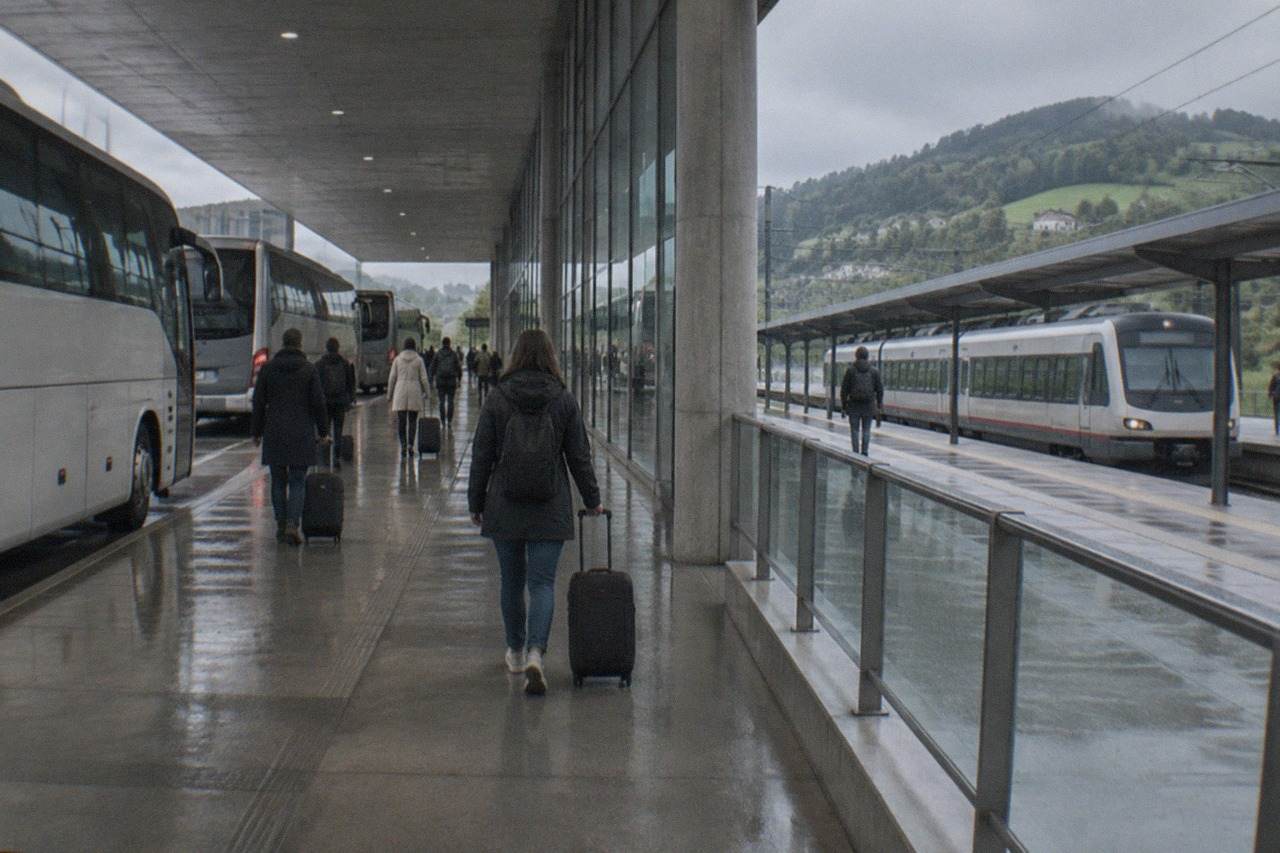
There is no flat, published fare for the train from Bilbao to San Sebastián, the Basque city on La Concha bay in Gipuzkoa, Spain, whose official name is Donostia / San Sebastián. Renfe, the national operator, sells the route with dynamic pricing: the price moves with the travel date, the fare class and how far ahead you book, exactly as it does on its other medium-distance routes. No official source in this site's research pack gives a Bilbao to San Sebastián rail fare, a fixed journey time or a frequency, so this page does not print one. What it can do is explain how the pricing behaves, show what is verified about the alternatives, and tell you exactly where to check the live price before you commit.
How Much Does It Cost To Take The Train From Bilbao To San Sebastian?
Renfe does not publish a fixed price for the train from Bilbao to San Sebastián, so there is no single fare this page can honestly quote. The ticket is sold with dynamic pricing, which means the cost depends on the date, the fare class and how early you buy, and it can differ substantially between two departures on the same day. The operator's own site is the only place with the live figure, and the price you see there is the price you pay.
Dynamic pricing is the whole answer, and it is worth understanding before you search. A seat on a quieter Tuesday departure in November is not priced like a seat on a Saturday in August, when INE's hotel data shows overnight stays in the city peak at 245,769 for the month. Booking early on the operator's site is the one lever a traveler reliably controls. What no source in this research pack supports is a number: not a base fare, not a typical range, not an average. A page that prints one has invented it, so this one does not.
The route itself is a regional one, and the research pack is explicit that no Renfe journey time, fare or frequency to Bilbao is sourced. If you are weighing the train against other options, the sibling pages on why the train from Bilbao takes as long as it does and on whether there is a fast train between the two cities cover the mechanics of the line, and the guide to Bilbao to San Sebastian travel lays out the full set of options.
What Can You Actually Verify About The Price?
The verified facts sit around the train, not on it. The Basque Government's Bilbao airport page lists the PESA Lurraldebus coach to San Sebastián at 17.10 EUR, a figure that page carries no date beside, so confirm with the operator before relying on it. Within San Sebastián itself, the MUGI tariff gives a 1.95 EUR occasional urban bus fare and a 2.90 EUR one-jump occasional fare on the Euskotren Topo.
No Renfe fare for the Bilbao route appears in any official source this site's research opened.
That is the honest state of the record. The coach figure is real but undated, which is why it is attributed to the Basque Government's page rather than presented as a live price. The MUGI figures come from the tariff page itself and from the operator's own published timetable data, and they attach to specific services inside Gipuzkoa, not to the Bilbao route.
This table sets out what is verified, what it attaches to, and where you must check for yourself:
| Option | What is verified | Source of the figure | What to check yourself |
|---|---|---|---|
| Renfe train, Bilbao to San Sebastián | No fare, journey time or frequency in the pack | Not sourced | Live price and timetable on the operator's site |
| PESA Lurraldebus coach, Bilbao airport to San Sebastián | 17.10 EUR, about 75 minutes, hourly in winter, every 30 minutes in July and August | Basque Government airport page, undated | Current fare and timetable with the operator |
| dBus city bus, inside San Sebastián | 1.95 EUR occasional, 2.65 EUR night ticket, cash to the driver | Operator fare page and official GTFS data | Nothing, the figure is current |
| Euskotren Topo, Amara-Donostia to Hendaia | 2.90 EUR occasional, 37 to 38 minutes, every 30 minutes on the busiest day | Operator GTFS and the MUGI tariff | Nothing, the figure is current |
The pattern is deliberate. Everything with a number in that table attaches to the exact service the number belongs to. The Bilbao train row is empty of numbers because the research opened official sources and found none, and a number moved from another row into it would be a fabricated fare wearing a correct-looking price tag.
Is The Train Even The Best Way To Do This Trip?
The train is one option among several, and the cost comparison only works if you compare like with like. The Basque Government's listed coach fare from Bilbao airport is 17.10 EUR, while the Renfe fare from Bilbao city is dynamic and unpublished here, so the cheaper choice depends on where in Bilbao you start and when you book. Travelers starting at the airport should read the airport transfer guide before assuming the train is the default.
The geography matters. The airport sits well outside Bilbao's centre, and the coach listed by the Basque Government runs from the airport itself, roughly 75 minutes to San Sebastián, with winter departures hourly and July and August at every 30 minutes. The train starts in the city, so if your journey begins at the airport you are adding a transfer to reach the station before you have even bought the dynamic ticket. The guide to Bilbao airport to San Sebastian covers that first leg in detail, and the page on the shuttle and transfer options from Bilbao airport covers the same question from the other end.
There is also the question of speed, or the lack of it. The Basque Y high-speed project has no sourced arrival date, and the research pack is silent on any works at the Renfe station, so this page says nothing about either. What can be said is that the region's rail map is mid-transition: the Euskotren Topo's new underground section through San Sebastián has finished its civil works, but no opening date exists in any official source, and until one does, Amara is where the Topo starts and ends.
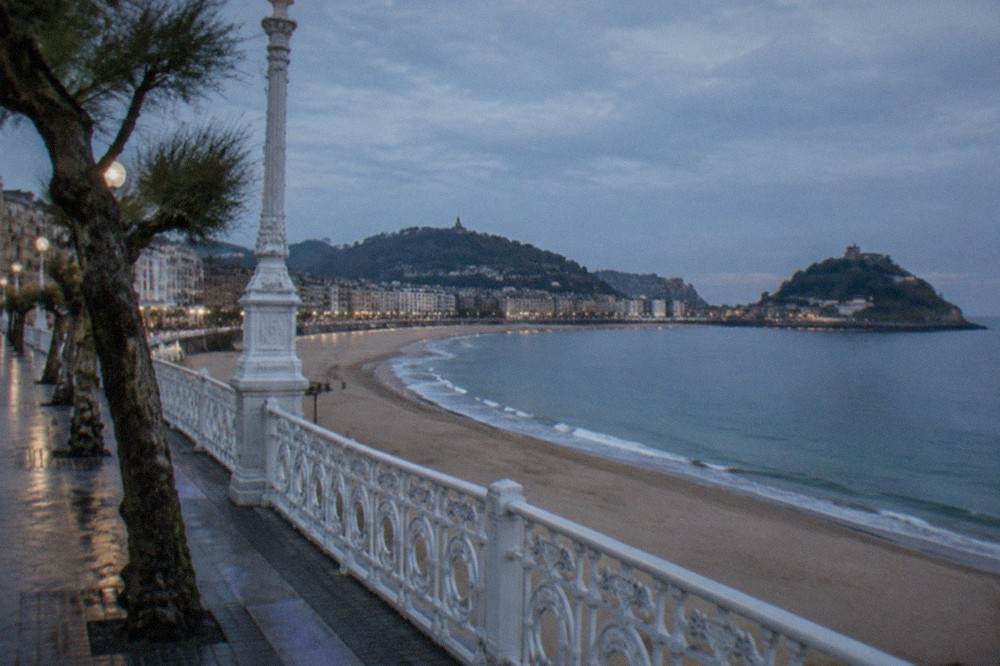
If the train's price feels steep once you check it, remember what the money buys on arrival. San Sebastián is a city where the Old Town's pintxo bars, the La Concha promenade and the Monte Urgull hill are the main attractions, and none of them charges admission. The page on what pintxos cost in San Sebastian covers the spending that actually adds up once you are there, and the wider pintxos guide on this site explains the culture behind the counter.
What About The Bus Instead Of The Train?
The coach is the one option with a printed, attributed fare, and it is the one to price first. The Basque Government's Bilbao airport page lists the PESA Lurraldebus service to San Sebastián at 17.10 EUR with departures roughly every hour in winter and every 30 minutes in July and August, about 75 minutes for the run. That page carries no date, so treat the fare as listed rather than guaranteed, and confirm with the operator before you travel.
The caveat is not decoration. An undated official page is a real source, but fares move, and the operator behind the service now publishes through its own site, which is where a current timetable and price live. The winter pattern the page gives runs from the airport on working days between 07:45 and 23:45 hourly, and on weekends and holidays between 06:45 and 23:45 hourly. In July and August it tightens to every 30 minutes, and departures from San Sebastián run daily from 04:30 to 21:30 at the same frequency. The full index of guides sits on San Sebastian Spain Guide.
For travelers already in Bilbao city rather than at the airport, the comparison changes shape: the coach and the train then start from the same place, and the decision comes down to the dynamic rail fare against whatever the operator charges from the city's bus station, a figure the pack does not carry. Check both on the day you book.
How Do Local Fares Work Once You Arrive In San Sebastian?
Once you are in the city, the MUGI system takes over and its fares are fixed and published. A dBus city bus ride paid in cash to the driver costs 1.95 EUR, or 2.65 EUR on the special night ticket, and cash does not allow free transfers. The Topo light rail to Hendaia costs 2.90 EUR as an occasional one-jump fare and takes 37 to 38 minutes from Amara, with departures every 30 minutes on the busiest service day.
These are the numbers that make the arrival leg of any Bilbao journey predictable. The MUGI tariff sets prices by zone jumps, and the occasional cash figures are the ones a visitor without a card pays. A MUGI card cuts the urban fare to 0.78 EUR, though the research pack gives no purchase price for the card itself, so this page does not quote one. The night ticket matters for late arrivals: it is the only cash fare valid on the special night services.
The Topo is the line many visitors ride without meaning to, because it is the rail link down the coast toward the French border. The figures above come from the operator's own published timetable data, computed across the full feed, and from the MUGI tariff page, so they attach to exactly the journey they describe. The new underground stations beside La Concha and at Bentaberri have no opening date, so Amara is the station to plan around.
When Is The Train Likely To Be Most Expensive?
Fares cluster around demand, and the demand record for San Sebastián is unusually well documented. INE's hotel occupancy survey shows August 2025 as the year's peak with 245,769 overnight stays, more than twice January's 115,910, and July close behind at 239,124. April to October never drops below 200,000 stays a month. Booking a Bilbao train into that summer peak, late, is the combination most likely to hurt.
The monthly shape of the year, from INE's survey for the tourist point Donostia-San Sebastián, hotels only, tells you when the whole city is full:
| Period | Hotel overnight stays, 2025 | What it means for your train ticket |
|---|---|---|
| January | 115,910 | The quietest month, and the easiest for fares |
| February | 119,367 | Still low season, thin crowds |
| March | 156,670 | Beginning to build |
| April | 200,055 | Spring threshold crossed |
| May | 205,326 | Steady demand |
| June | 211,534 | Summer build-up starts |
| July | 239,124 | Near-peak, book early |
| August | 245,769 | The year's peak month |
| September | 216,759 | Post-peak but still busy |
| October | 207,158 | Autumn holds strong |
| November | 147,334 | Demand drops away |
| December | 134,960 | Low, outside the holidays |
The practical reading is that the cheap ticket and the good weather do not always coincide. September still carries 216,759 stays but the sea stays warm and the light holds, while November at 147,334 is quiet and, per AEMET's Igeldo normals, the wettest month of the year at 169 mm of rain. Whatever month you pick, the rain does not stop: even July, the driest, averages 86 mm over about ten rain days, so the train versus coach decision should never hinge on hoping for a dry arrival.
Common Questions About The Bilbao To San Sebastian Train Cost
How much does it cost to take the train from Bilbao to San Sebastian?
There is no fixed published fare. Renfe prices the route dynamically, so the cost varies with the date, the class and how early you book, and the operator's own site is the only place with the live figure. No official source in this site's research carries a number for it, so treat any flat price you read elsewhere with suspicion.
Is there a cheaper alternative to the train from Bilbao?
The coach is the alternative with an attributed figure: the Basque Government's Bilbao airport page lists the PESA Lurraldebus service to San Sebastián at 17.10 EUR, about 75 minutes, hourly in winter and every 30 minutes in July and August. That page is undated, so confirm the current fare with the operator before travelling.
Does the price change depending on when I book?
Yes, that is the nature of dynamic pricing. Booking well ahead of an August departure, the peak month with 245,769 hotel overnight stays in the city in 2025, is very different from booking the same seat a day out. Early booking is the one lever a traveler fully controls.
Is there a high-speed train between Bilbao and San Sebastian?
No sourced high-speed link exists between the two cities, and the research pack gives no arrival date for the Basque Y project and no details of any works at the Renfe station. The page on high-speed rail to San Sebastián covers the wider question.
What does local transport cost once I arrive?
The MUGI tariff fixes it: 1.95 EUR for a dBus city ride paid in cash, 2.65 EUR for the night ticket, 0.78 EUR with a MUGI card, and 2.90 EUR for an occasional Topo fare from Amara to Hendaia, a 37 to 38 minute run with departures every 30 minutes on the busiest service day.
The bottom line is simple: check the operator's live listing for the train fare, price the coach beside it, and spend the difference you save on pintxos, because in San Sebastián that is always the better end of the deal.