Is Arzak Worth It?
Is Arzak worth it? An honest look at the three-star Basque restaurant in San Sebastián, Spain, its place in the city's Michelin scene, and who the meal actually suits.
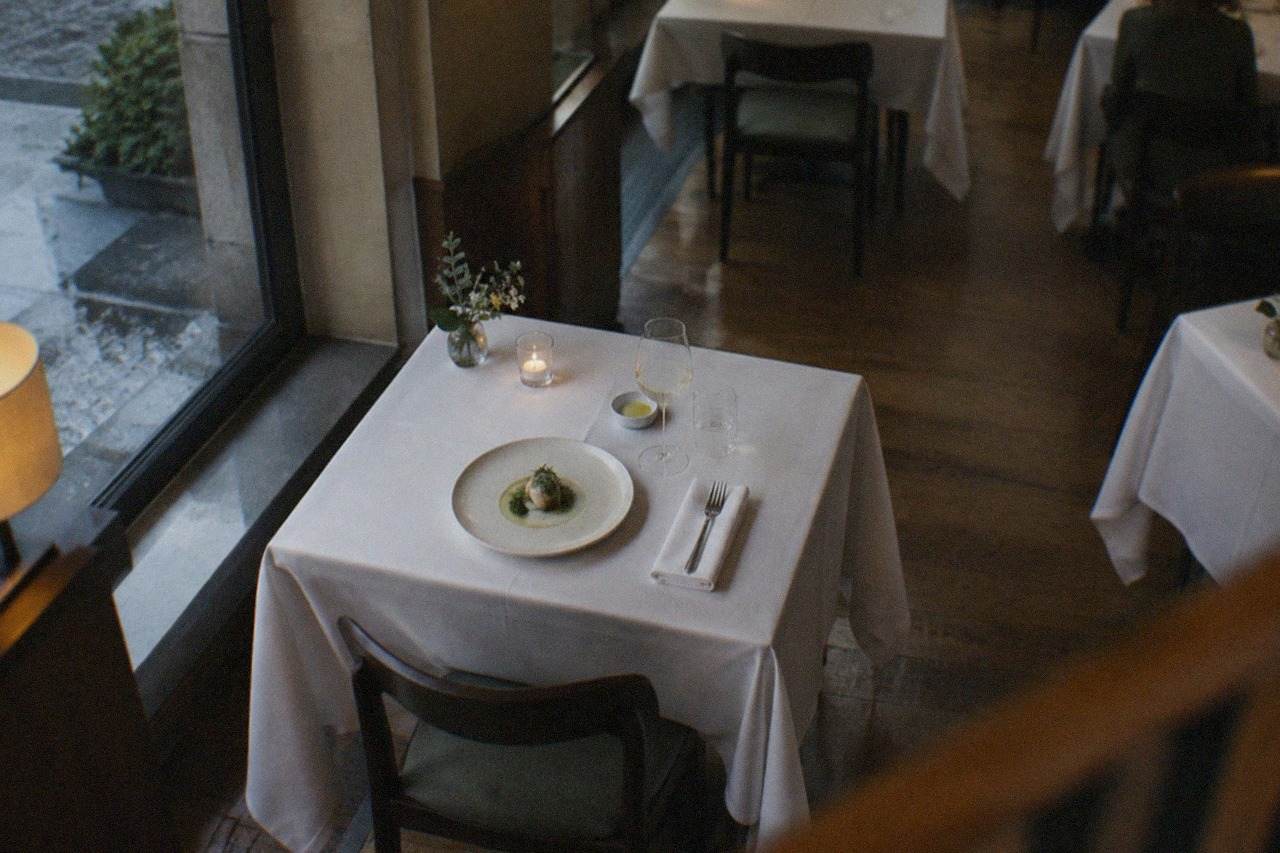
Arzak is a three-star restaurant in San Sebastián, the Basque city on La Concha bay in Spain whose official name is Donostia / San Sebastián, and it is one of only two three-star houses inside the municipality in the MICHELIN Guide Spain 2026. That fact alone answers part of the question. The rest depends on what a visitor wants from a meal: a formal, multi-course tasting of modern Basque cooking, or the looser, cheaper, bar-hopping pleasure the city is equally famous for. This page sets out what the guide says about Arzak, how it sits among the city's other starred restaurants, and what kind of traveller the booking actually rewards.
Is Arzak Worth It?
Arzak is worth it for a visitor who wants one of the defining meals of Basque cuisine at its highest recognised level, and it is not worth it for someone who mainly wants a relaxed evening of food. The MICHELIN Guide Spain 2026 gives Arzak three stars, the guide's top rating, and the restaurant has been central to the city's gastronomic reputation for decades. The honest answer is that the meal suits a special occasion or a deliberate culinary pilgrimage, and suits nobody looking for a casual dinner.
The case for going rests on what three stars represent in the guide's own hierarchy: exceptional cuisine worth a special journey. Arzak sits in the Alza district above the city, in a family house where the modern Basque avant-garde was built. The cooking is rooted in Basque products and reworked with techniques and ideas that the family itself helped invent. A diner who cares about the history of Spanish gastronomy is eating at one of its sources, not a copy of one.
The case against is equally plain. A tasting menu of this kind is a long, structured, expensive evening, and San Sebastián offers a different way to eat that many visitors end up preferring: pintxos, the small dishes served across the bars of the Parte Vieja and Centro, described in more depth on what food is San Sebastian famous for. A traveller with three evenings in the city might get more total pleasure from two nights of bar-hopping and one serious restaurant night than from one night at the very top. The full profile of the restaurant, its family and its address is on the Arzak guide page.
How Many Michelin Stars Does Arzak Hold?
Arzak holds three stars in the MICHELIN Guide Spain 2026, the maximum the guide awards, making it one of two three-star restaurants inside the city of San Sebastián. The other is Akelaŕe, on the headland above La Concha. Across the whole municipality the guide lists 6 starred restaurants holding 11 stars, and across the province of Gipuzkoa it lists 11 restaurants holding 19 stars. Martín Berasategui, also a three-star house, carries a Lasarte-Oria address and is not in the city.
That star count is the hard core of the "worth it" question, so it is worth being precise about it. The three-star rating puts Arzak in a group the guide reserves for restaurants it considers destination-worthy in themselves. Within Spain, three stars are rare at any time, and having two such houses inside one small city is the single clearest measure of how disproportionate this city's dining reputation is. The next edition of the guide is announced at a gala on 24 November 2026, and every count in this paragraph is that edition's business until then.
For a visitor deciding where a splurge goes, the practical question is whether Arzak or Akelaŕe is the better booking. The two kitchens are distinct: Arzak is the older family institution, the root of the city's modern cuisine, while Akelaŕe works a coastal dining room with the bay below the windows. Neither is "better" in any way a page can honestly decide for a reader. Availability, which kitchen's story appeals, and whether a sea view matters will settle it for most people.
What Kind Of Food Is Served At Arzak?
The food at Arzak is modern Basque cuisine built on local products and reworked with contemporary technique, served as a multi-course tasting rather than à la carte plates. The kitchen's signature approach pairs traditional Basque flavours with unexpected forms and presentations, and the wine list leans on the region, including txakoli, the local white. It is a formal, seated, hours-long meal, and the kitchen's own history is inseparable from the way San Sebastián cooks today.
The restaurant's cooking is often described as Basque in its foundations and international in its curiosity. A diner should expect dishes that start from recognisable Basque raw materials, fish, meat, seasonal vegetables, and arrive somewhere unexpected: a familiar flavour isolated, retextured, or served in a form the region's farmhouse cooking never imagined. The meal is paced by the kitchen, not the diner, so it suits people happy to hand the evening over.
Visitors sometimes ask how this relates to the pintxo culture a few kilometres downhill. The honest answer is that both come from the same city and the same raw larder, and the comparison between the two ways of eating is one of the most interesting things about dining here. A crawl through the Old Town counters, where the same anchovy, the same gilda and the same txakoli appear at a fraction of the ceremony, is the other half of the same tradition rather than a lesser substitute for it.
How Does Arzak Compare With The City's Other Starred Restaurants?
Inside the municipality, the MICHELIN Guide Spain 2026 lists 6 starred restaurants holding 11 stars: Arzak and Akelaŕe with three each, Amelia by Paulo Airaudo with two, and iBAi by Paulo Airaudo, Itzuli and Kokotxa with one each. Itzuli is new to the 2026 guide. Arzak and Akelaŕe sit at the top of that local ladder by rating, and the one-star houses offer a shorter, cheaper route into the same starred ecosystem.
The table below shows the city's starred restaurants as the 2026 guide lists them, with the province's out-of-town stars alongside for context. The distinction matters: Martín Berasategui, Elkano in Getaria, Alameda in Hondarribia and Ama in Tolosa are all within reach of the city but none of them is in it. More of these guides are collected on San Sebastian Spain Guide.
| Restaurant | Stars | Location | Note |
|---|---|---|---|
| Arzak | 3 | Donostia / San Sebastián | Family house, Alza district |
| Akelaŕe | 3 | Donostia / San Sebastián | Coastal dining room above La Concha |
| Amelia by Paulo Airaudo | 2 | Donostia / San Sebastián | Also in the 2026 guide |
| iBAi by Paulo Airaudo | 1 | Donostia / San Sebastián | One-star listing |
| Itzuli | 1 | Donostia / San Sebastián | New in the 2026 guide |
| Kokotxa | 1 | Donostia / San Sebastián | One-star listing |
| Martín Berasategui | 3 | Lasarte-Oria | Separate municipality, not the city |
| Mugaritz | 2 | Errenteria | Separate municipality, not the city |
| Elkano | 1 | Getaria | Coastal town, day-trip distance |
For a visitor weighing one big dinner against several good ones, the one-star houses are the practical middle path: they carry the guide's recognition, sit inside the city, and cost less of a holiday than a three-star evening. A reader deciding purely on the star count can go deeper on how many Michelin stars Arzak has, and the question of how many three-star restaurants the city holds is covered in its own answer page.
What Should You Know Before Booking Arzak?
Book well ahead, because a three-star house in a small city serves a limited number of covers a night, and plan the whole evening around the meal. The dinner is long, formal in pace and priced accordingly, and the restaurant sits up the hill in Alza rather than in the Old Town, so it is a deliberate trip rather than a stop on a bar crawl. Dress is a recurring question, and the practical answer is smart, comfortable clothing that suits a long seated dinner.
Three practical points make the difference between a good evening and a strained one. First, the booking: demand for the city's top tables concentrates around summer and around the festival weeks, and a traveller who wants a specific date should treat the reservation as one of the first things arranged, not one of the last. Second, the shape of the evening: a tasting of this length does not pair well with a second dinner elsewhere, so the day around it should be light. Third, the setting: the dining room is a family restaurant that happens to hold three stars, not a palace, and visitors expecting theatrical luxury sometimes need to recalibrate.
Cost and dress both get their own detailed answers elsewhere on this site: how much dinner at Arzak costs and the dress code at Arzak. For visitors who want the Arzak story without the Arzak booking, the question of Anthony Bourdain's favourite restaurant in San Sebastian is a good place to start.
Who Should Skip Arzak And Eat Pintxos Instead?
A visitor on a short stay, a tight budget or a relaxed schedule should skip the formal dinner and eat pintxos instead, and lose nothing of what makes this city's food scene remarkable. The bars of the Parte Vieja serve the same raw larder the starred kitchens work from, at counter prices, with no reservation and no dress code. The starred meal rewards planning and appetite for ceremony; the bars reward curiosity and stamina. Visitors have room for one of each.
The pintxo route is not a consolation prize, it is the other half of the same tradition. The same anchovies, the same salt-cod dishes and the same local txakoli appear at the counters that the tasting rooms reinterpret at ten times the ceremony. A guided crawl through those bars, with a local deciding where to stop next, is the cheapest possible education in what the city's cooking actually tastes like, and a walk that explains the Old Town along the way makes the evening twice as useful.
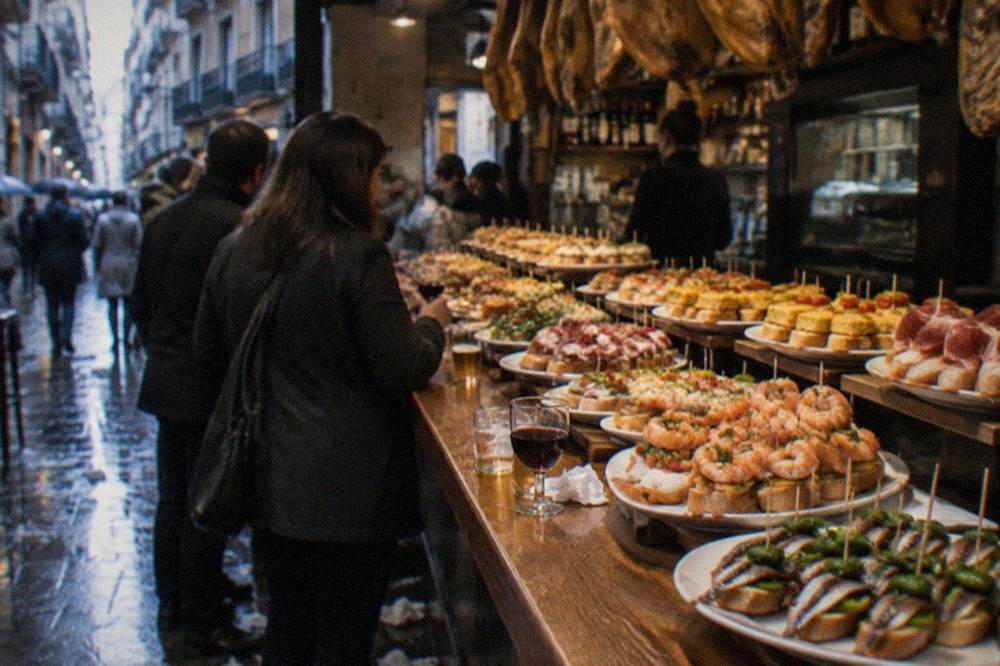
The decision, in the end, is about the shape of the trip. A food-motivated visitor with three or more nights, one of whom is described in is 4 days in San Sebastian too much, can book the starred dinner and still give the bars their due. A visitor with one or two nights should spend them at the counters and save the tasting room for a longer return trip.
Common Questions About Arzak In San Sebastian
Is Arzak worth it?
For a visitor who wants the highest recognised level of Basque cooking and is happy to plan and pay for it, yes: the MICHELIN Guide Spain 2026 gives Arzak three stars, one of only two three-star houses inside the city. For a casual dinner, no, the city's pintxo bars serve the same tradition more cheaply and more relaxed.
How many Michelin stars does Arzak have?
Three, in the MICHELIN Guide Spain 2026, the maximum the guide awards. The only other three-star restaurant inside the municipality is Akelaŕe.
Is Arzak in San Sebastian or outside the city?
Arzak is inside the municipality of Donostia / San Sebastián, in the Alza district uphill from the centre. Martín Berasategui, the other famous three-star name in the area, is in Lasarte-Oria, a separate municipality.
Who cooks at Arzak?
The kitchen continues the work of a family restaurant that became one of the foundations of modern Basque cuisine.
Can you visit Arzak without a long tasting dinner?
The restaurant is built around its seated, multi-course service, so a visitor who wants a shorter or cheaper taste of the city's cooking is better served by the pintxo bars of the Old Town, where the same Basque products appear at counter prices.
What should you wear to dinner at Arzak?
Smart, comfortable clothing that suits a long, formal, seated dinner. The dining room is a family restaurant rather than a palace, and the detailed answer is on the dress code page.
Arzak earns its place on a San Sebastián itinerary the way any three-star restaurant does: as a planned event, not a spontaneous one. Book it if the history and the height of Basque cooking are what the trip is for, and let the counters of the Old Town carry the rest of the visit.